 Our top pick
From Milan to the Swiss Alps: Bernina Red Train & St. Moritz
Guided tour through the Bernina RangeBernina Train ticketPassage through Alp Grüm and the Palü Glacier
From$109 /person
See dates and book Free cancellation
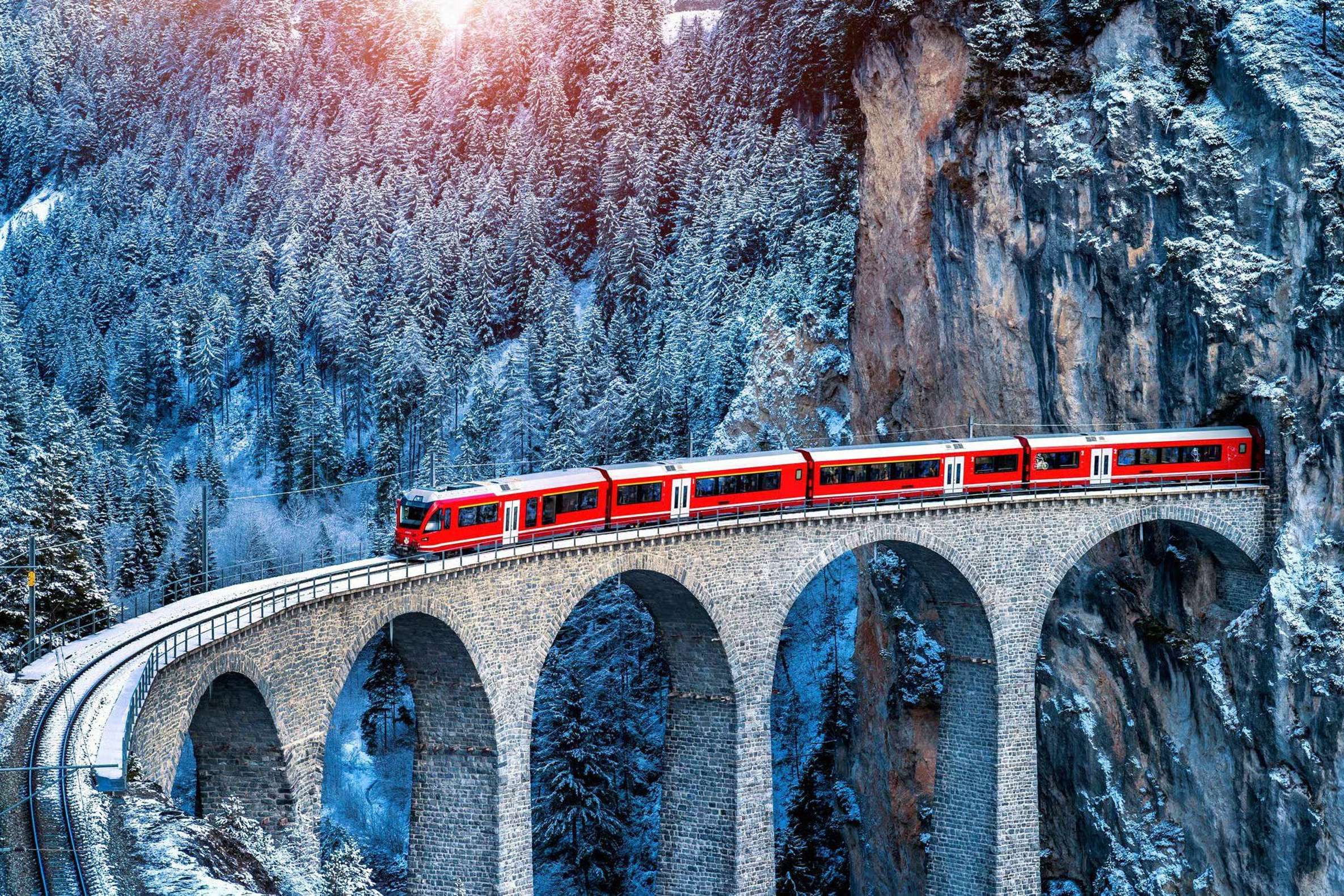
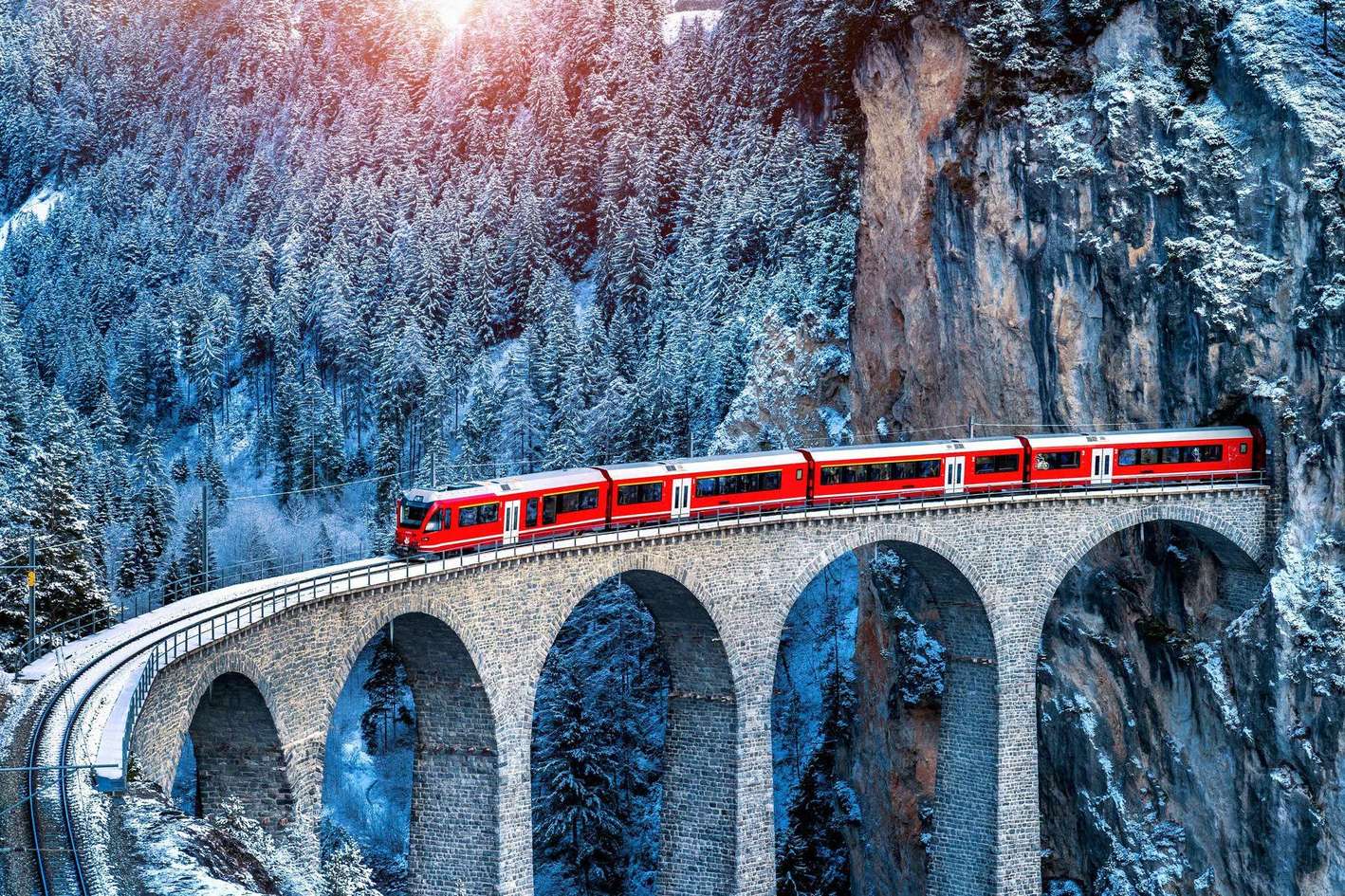
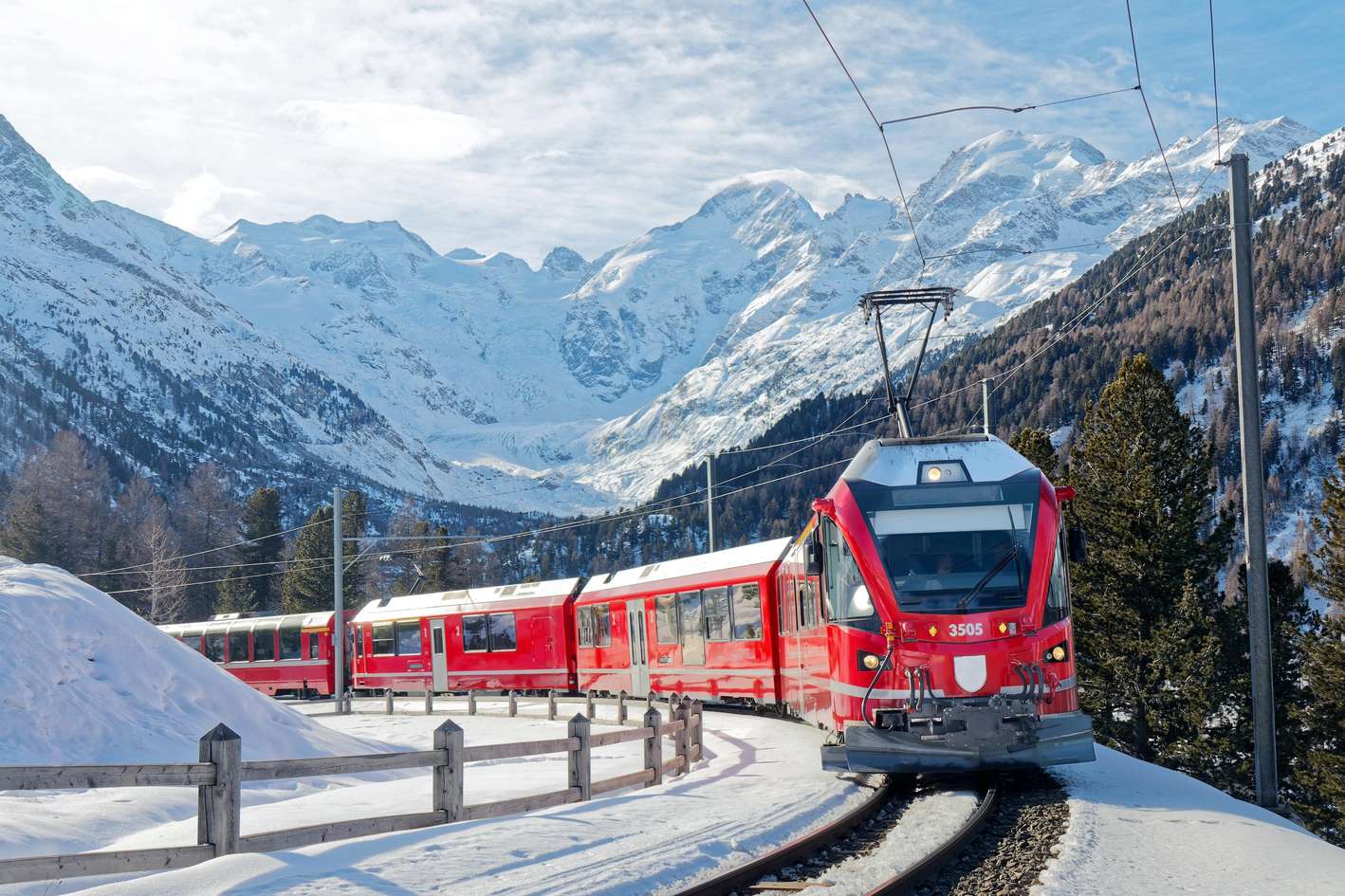
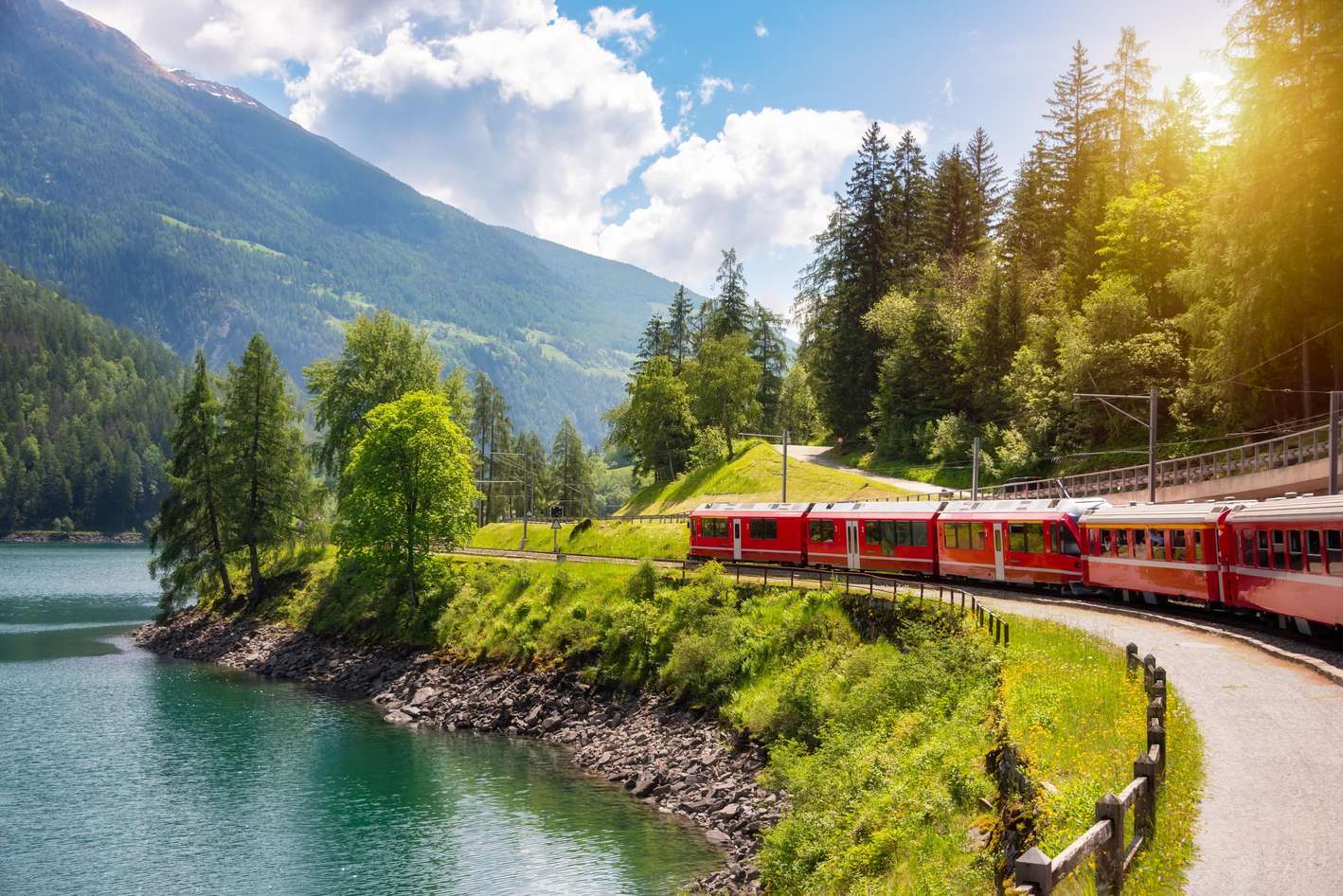
Book a day trip to St. Moritz by Bernina Red Train. Join 5,000 travelers who let a guided tour handle the coach, the Tirano connection and the panoramic seat. Direct morning departures from central Milan, free time by the lake, and a seat reserved on the highest railway crossing in the Alps.
“Katya was such a lovely guide. I proposed at Lake St. Moritz - one of the best days of our lives. The train ride there was spectacular. Unforgettable!”
All ten tours pair a morning coach from central Milan with a reserved seat on the Bernina Red Train over the pass, and bring you back by evening.
Our top pick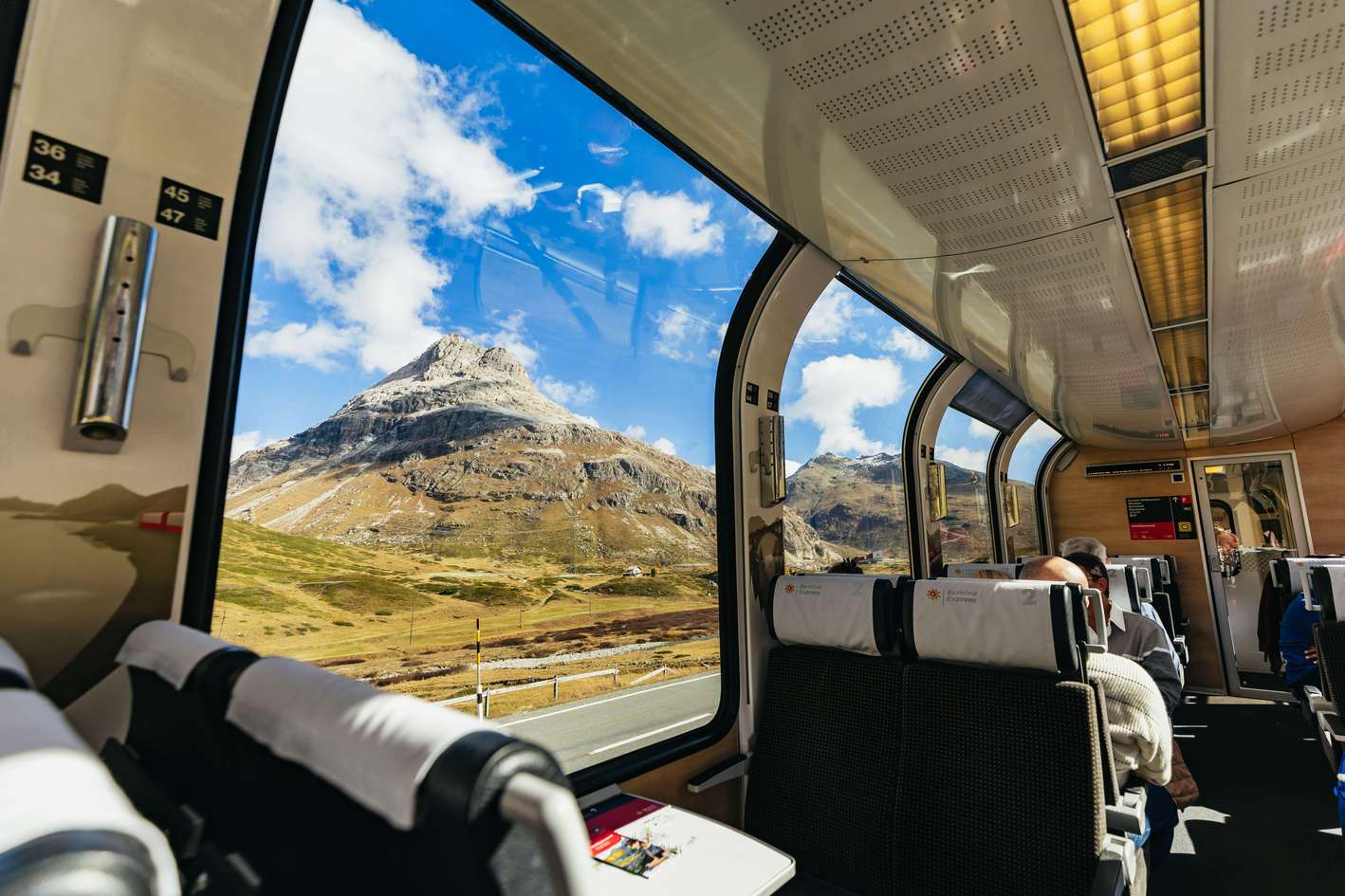
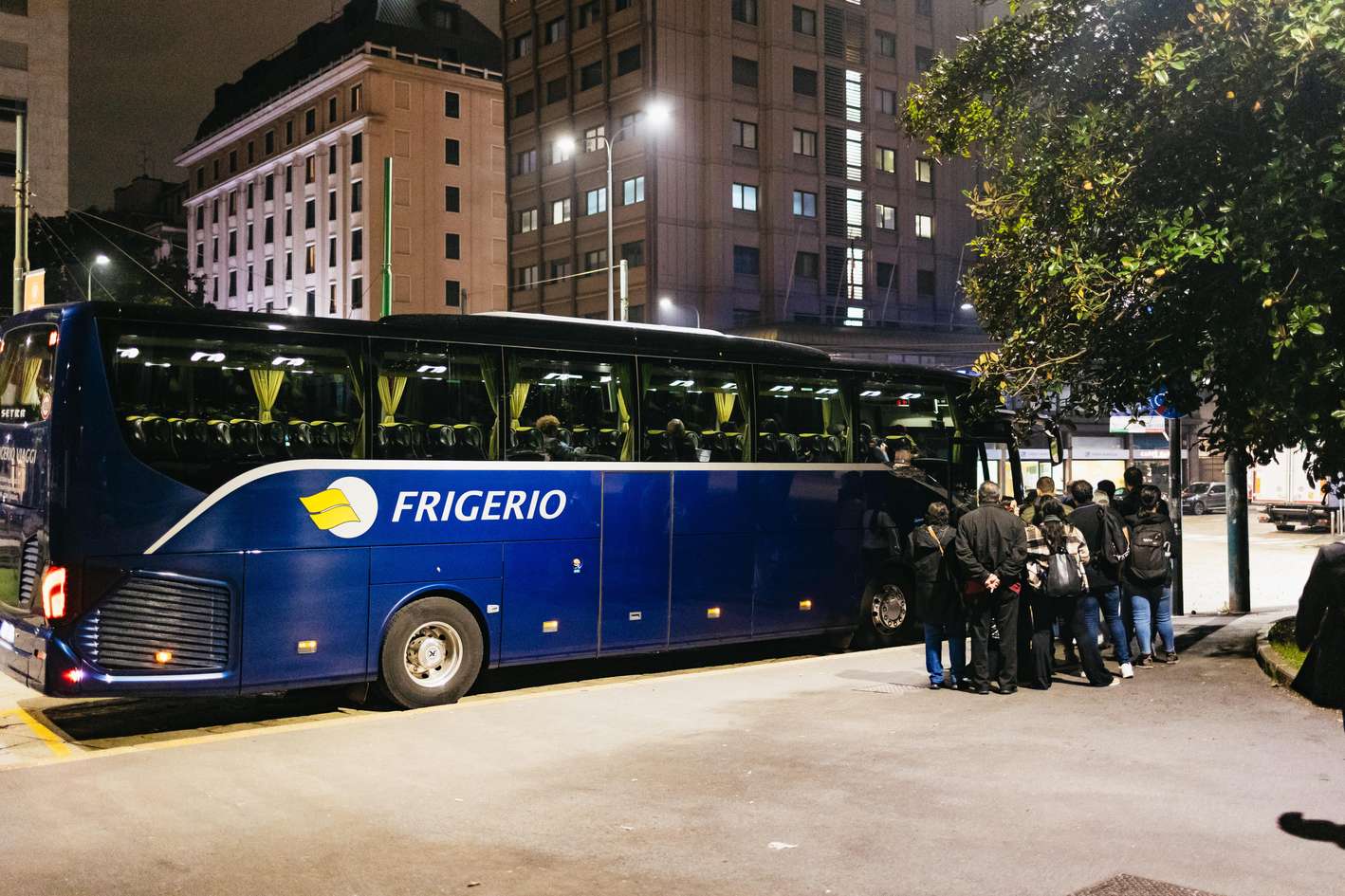
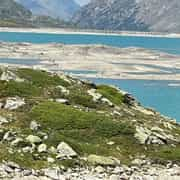
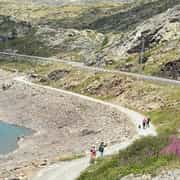
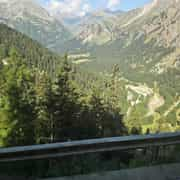


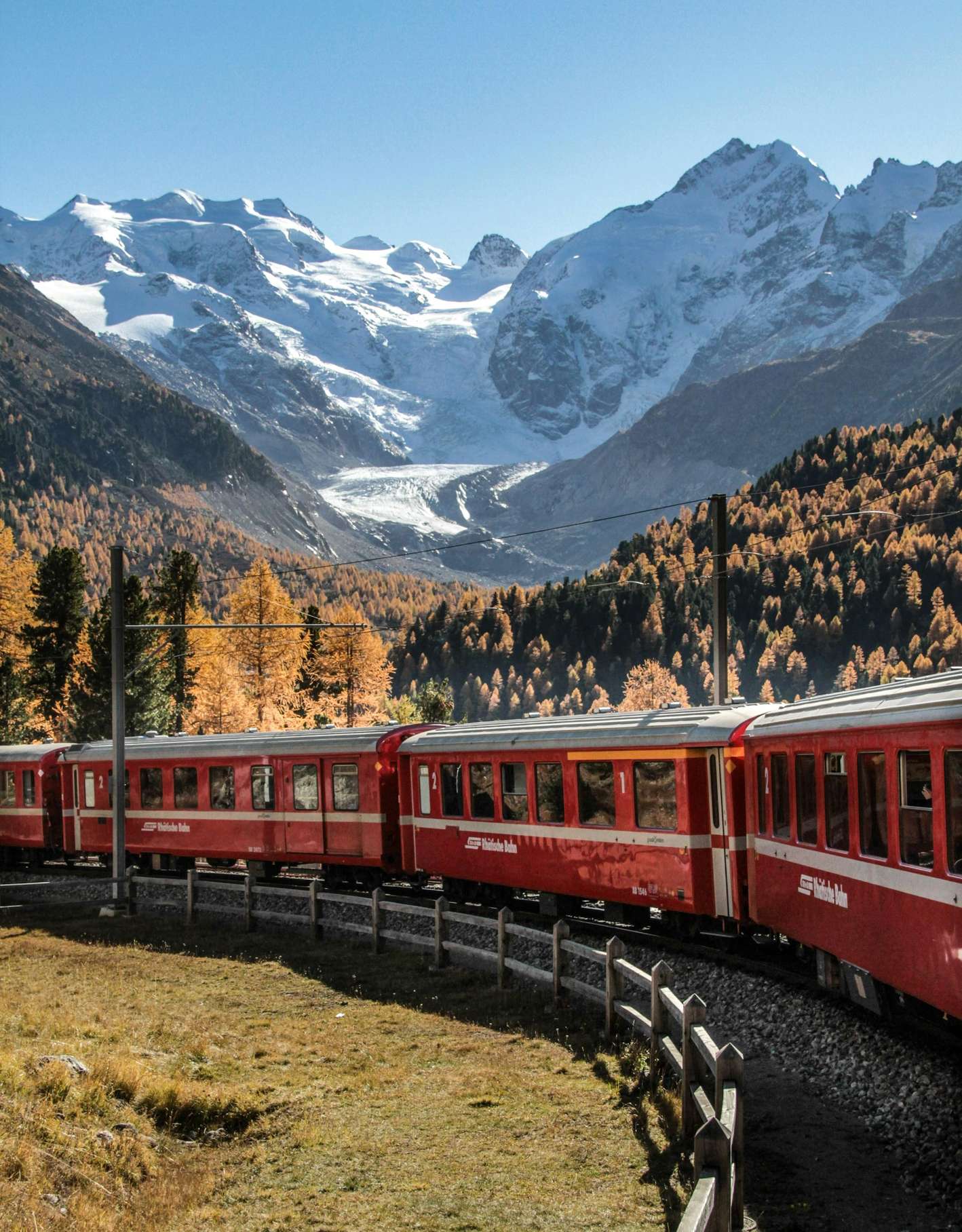
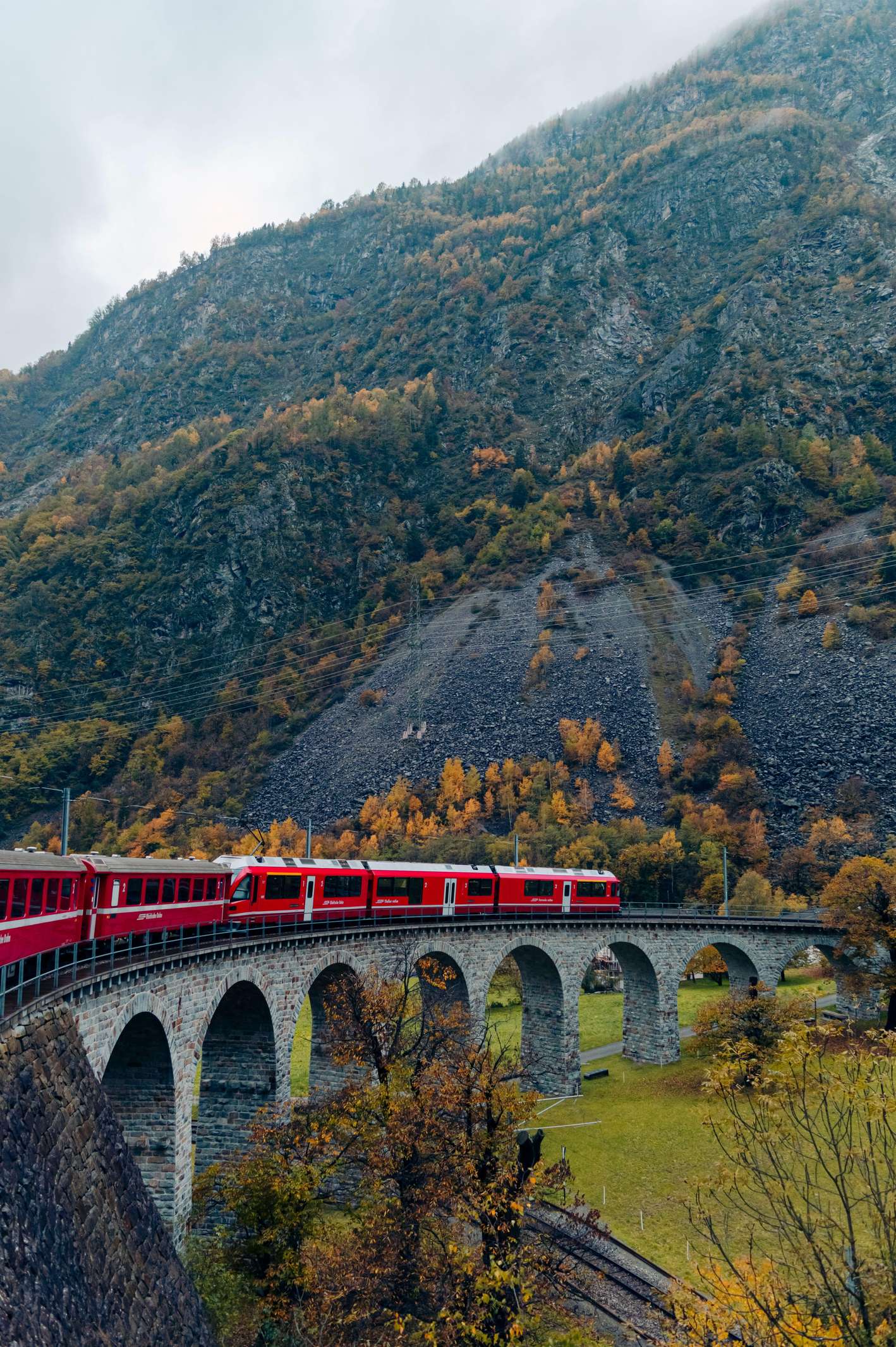
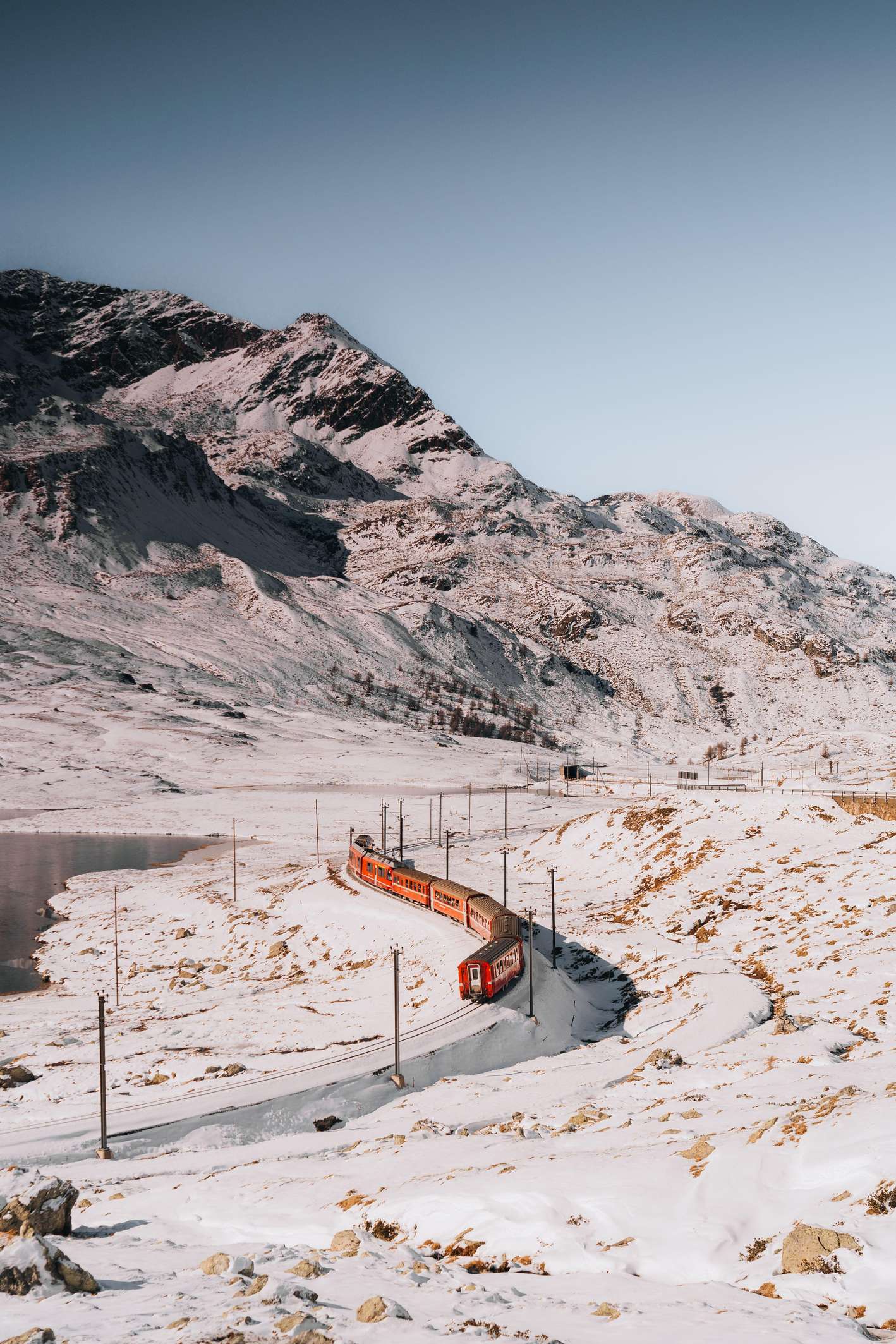
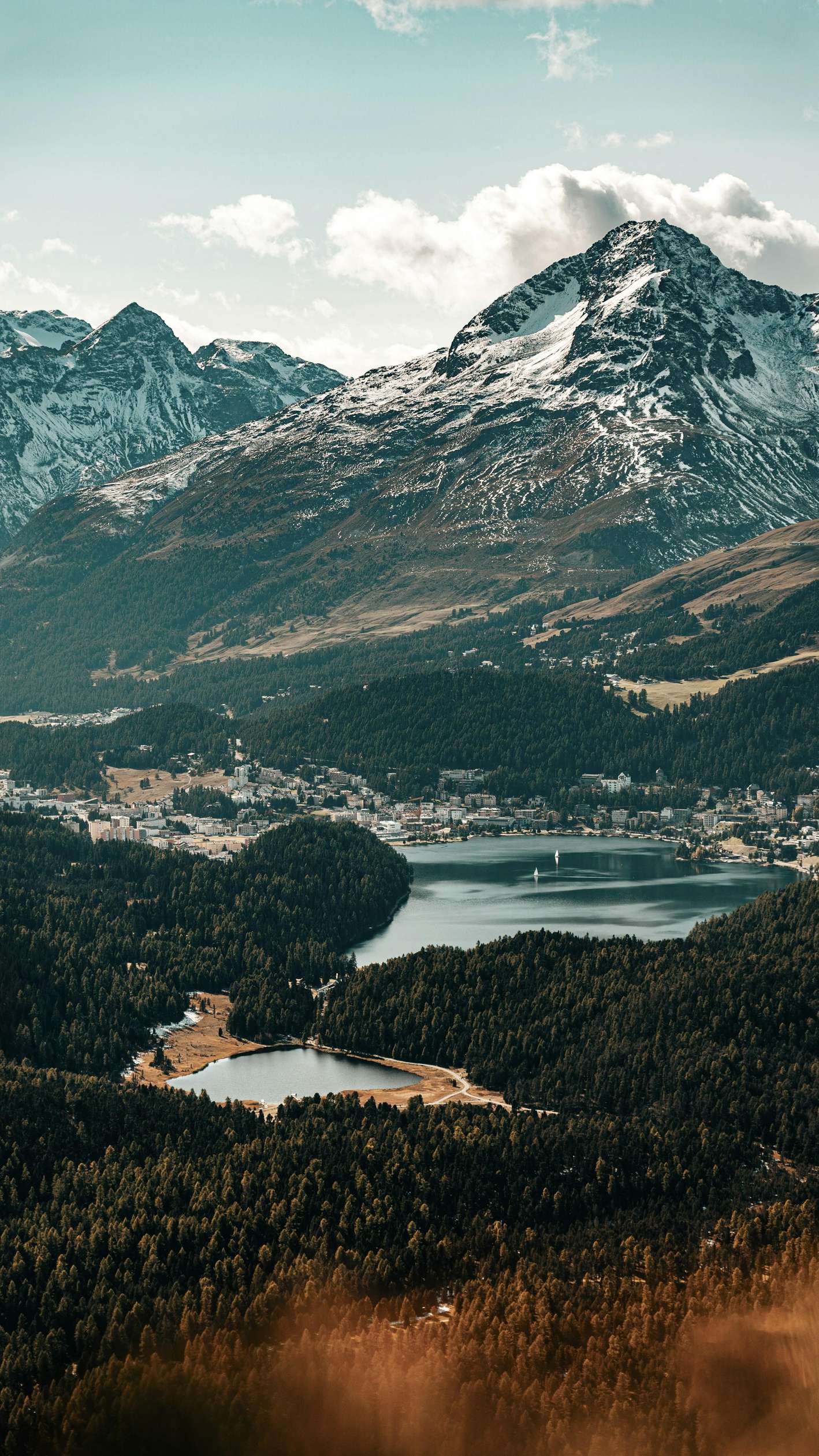
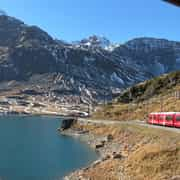
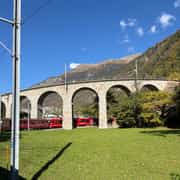
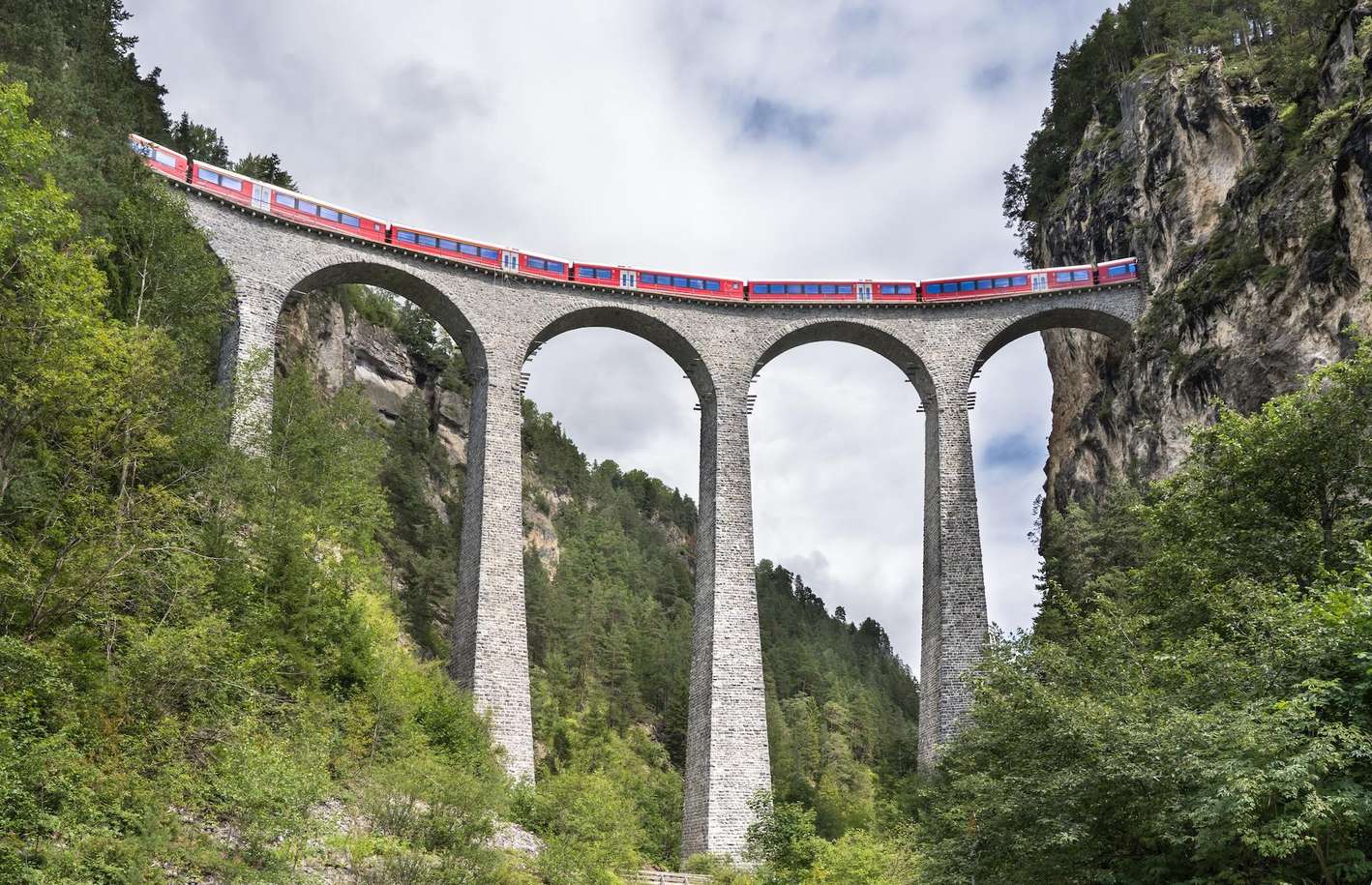
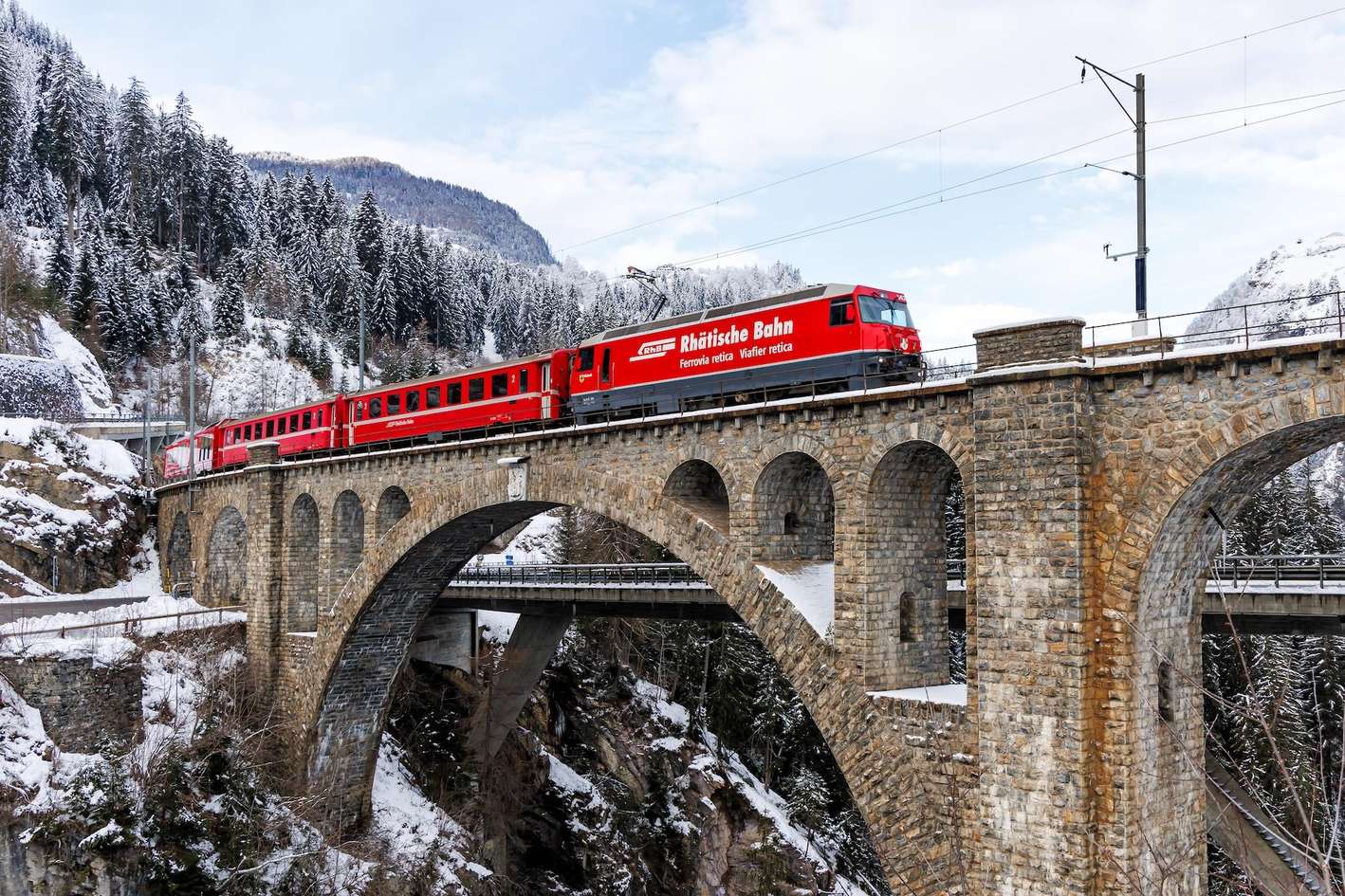
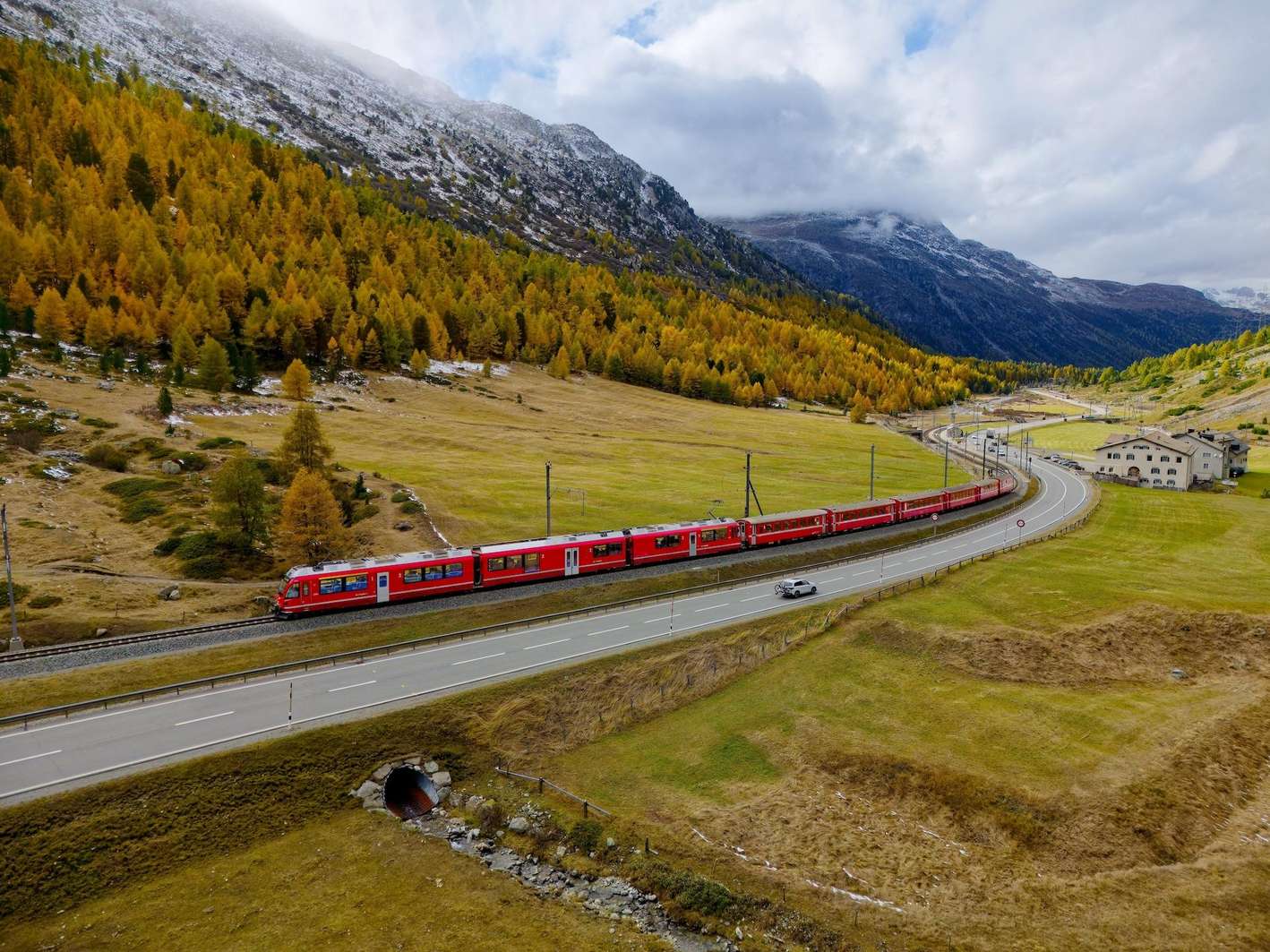
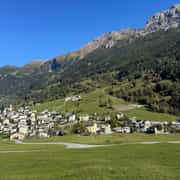
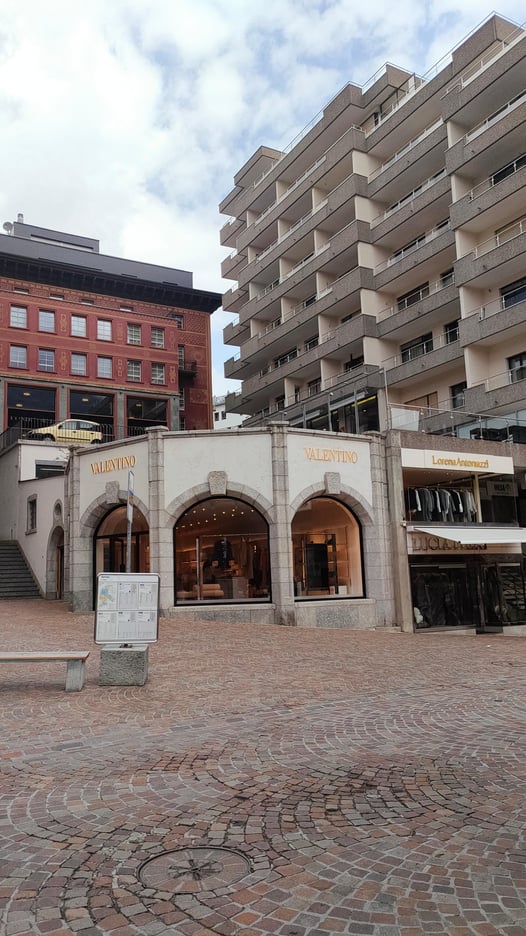
Brilliant trip, great value. So much to see en route to St.
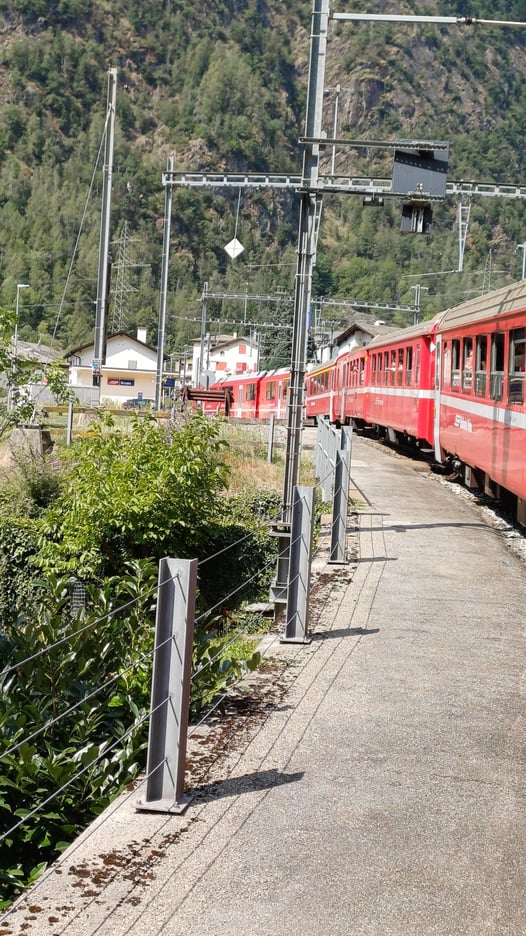
A great day, worth every cent. Dreamlike Alpine scenery by train. Guide Maria Cristina was a top professional, and driver Paulo handled the descent from St. Moritz perfectly. Unforgettable!
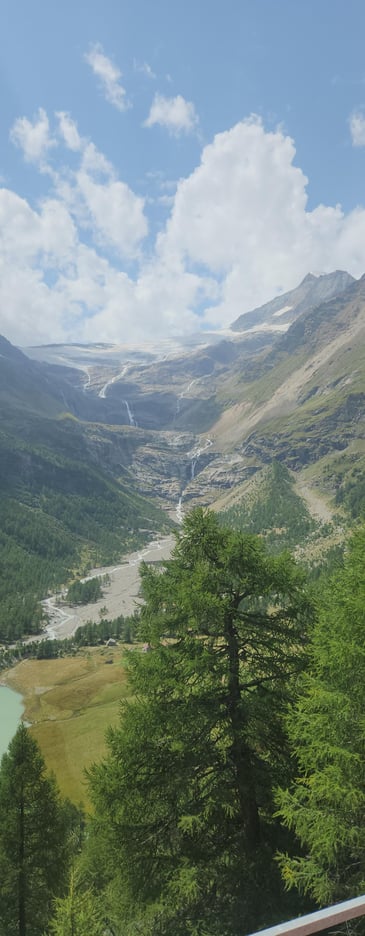
Incredibly well-organized trip, worth every cent. Stunning pure-nature landscapes, so beautiful and relaxing. Our guide Carolina explained everything in detail, lightly and interestingly. Excellent professional!
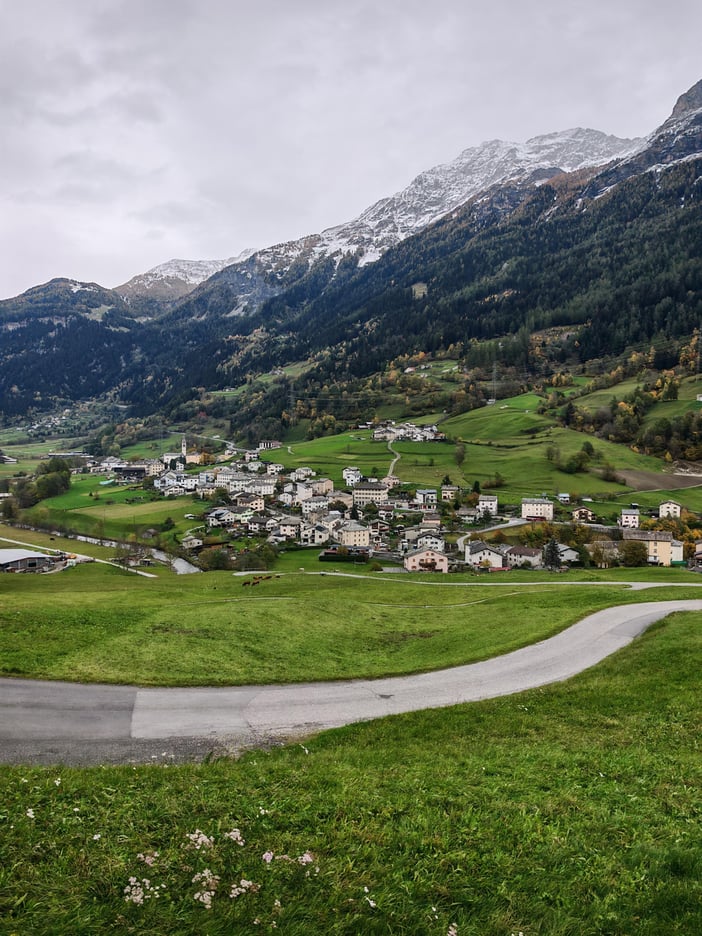
Incredible! The Tirano, St. Moritz train leaves you breathless: colors, fresh clean air, stunning views.
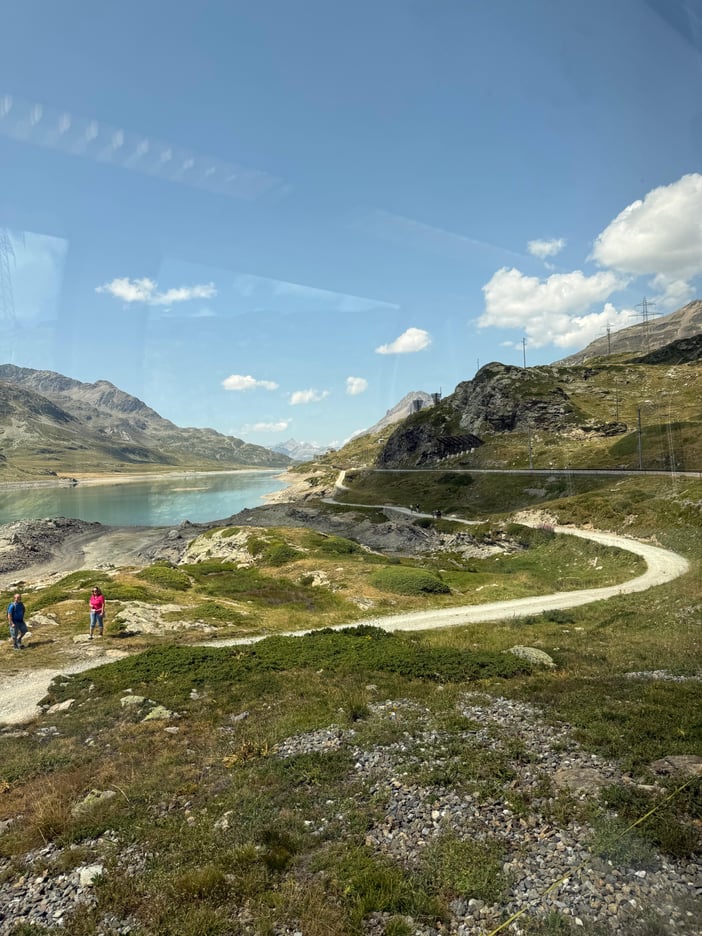
Spectacular views from the train, truly gorgeous. Lorenzo was an extraordinary guide, attentive and informative. Very comfortable train. St.
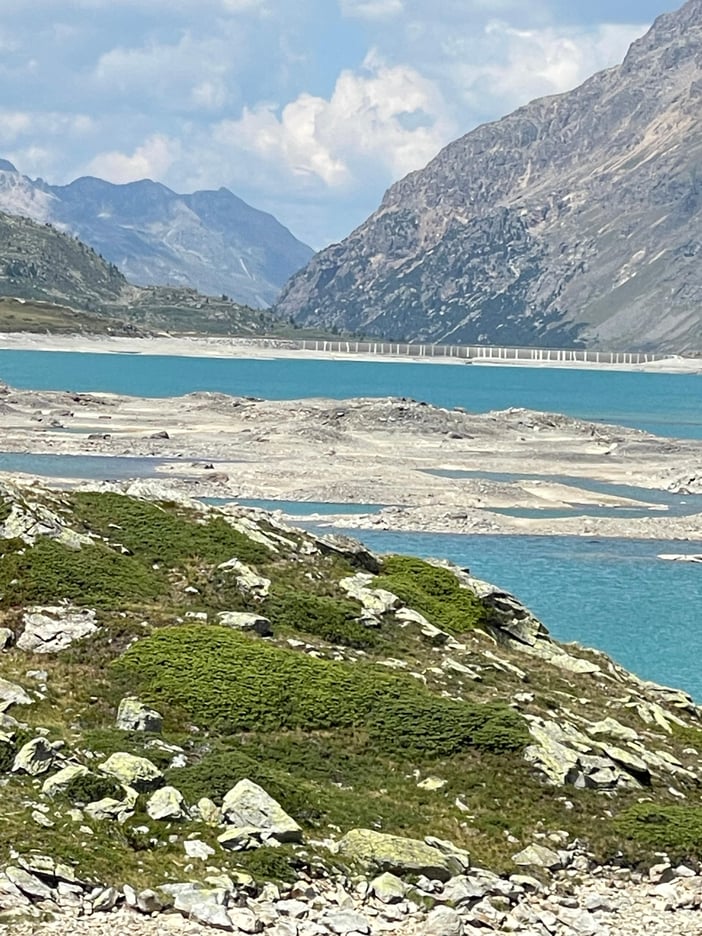
Absolutely incredible Bernina Red Express trip to St. Moritz! Salvatore was a fantastic guide, knowledgeable, attentive, welcoming throughout. Breathtaking, unforgettable Swiss Alps scenery. Highly recommended from Milan!
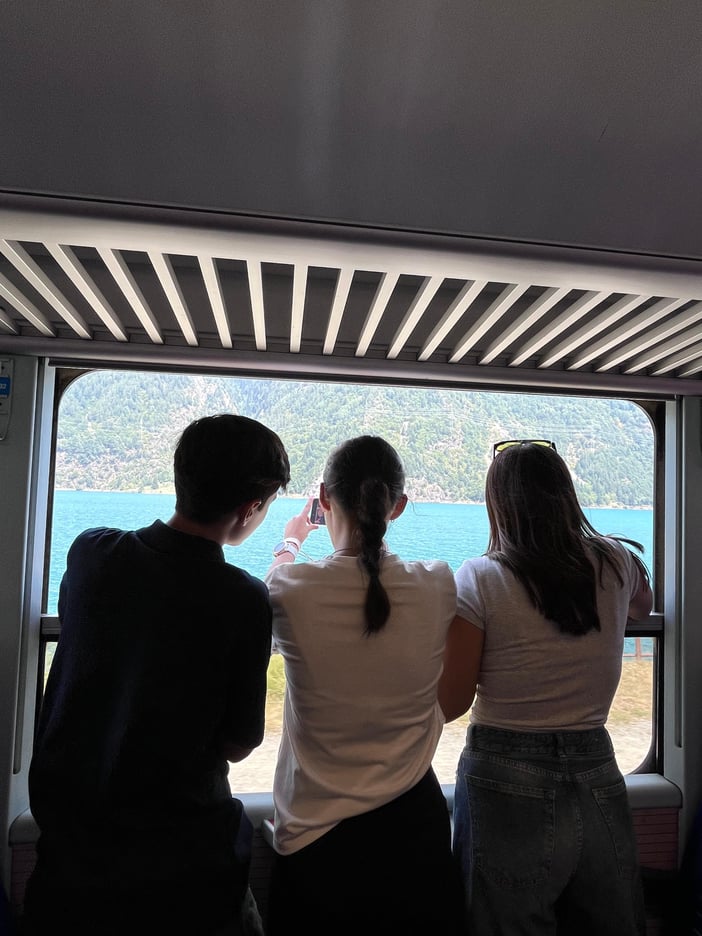
A wonderful trip, an absolute must-do. The day was marvelous, even snowed. One doubt: does the real Bernina Express have special schedules? Ours was the red train, but no panoramic roof. Don't miss it.
Most reviewers praise their guide by name, calling out how the commentary kept a long day fun and easy to follow.
Many were surprised the coach ride itself delivered mountain and lake views before the train even started.
Several travelers wished they had one more hour to wander St. Moritz and its lakeside.
Choose a date on the tour calendar, then book early if it falls between December and February or on a weekend. Panoramic carriage seats on the Bernina line sell out weeks to several months ahead in peak season.
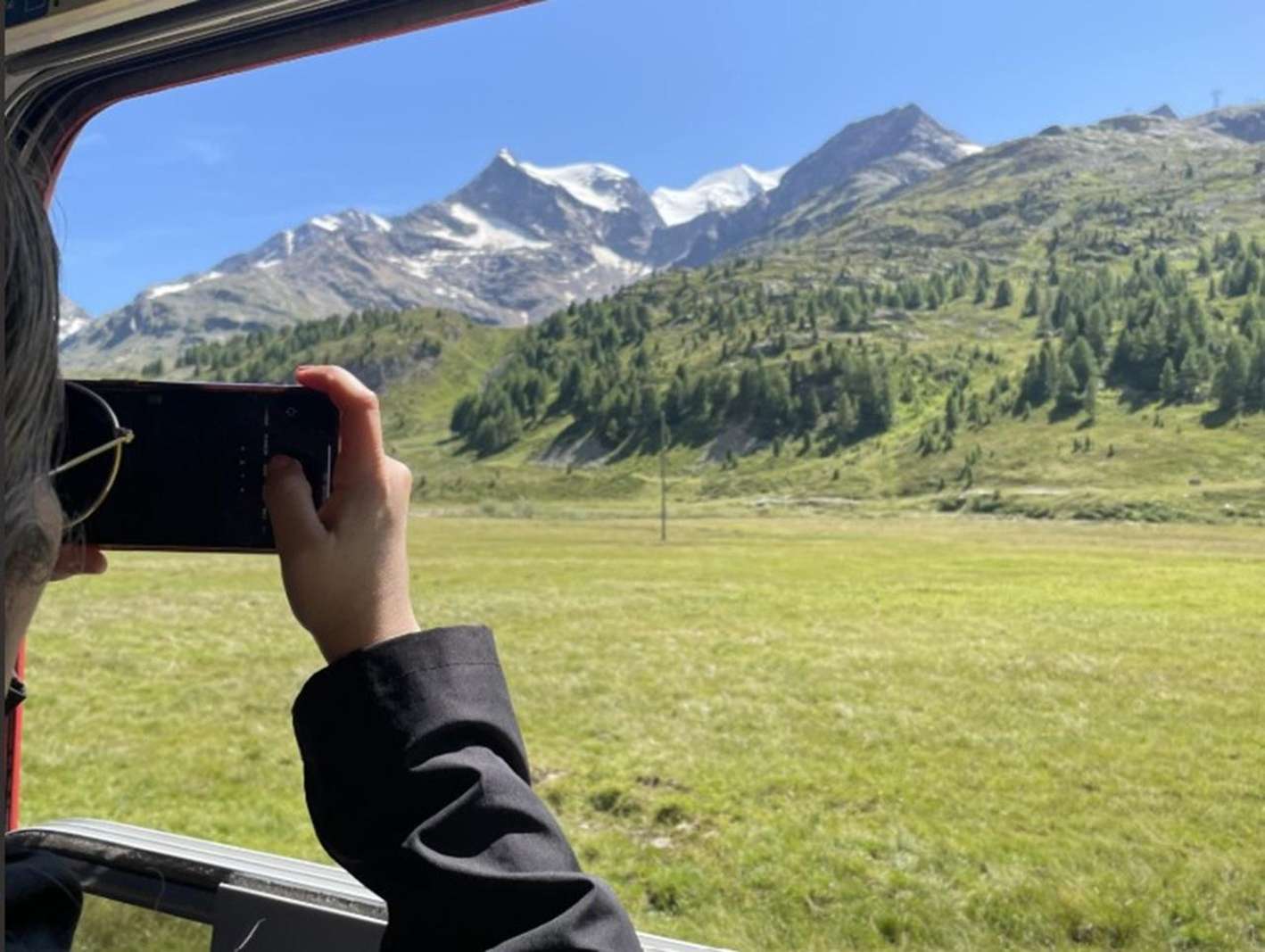
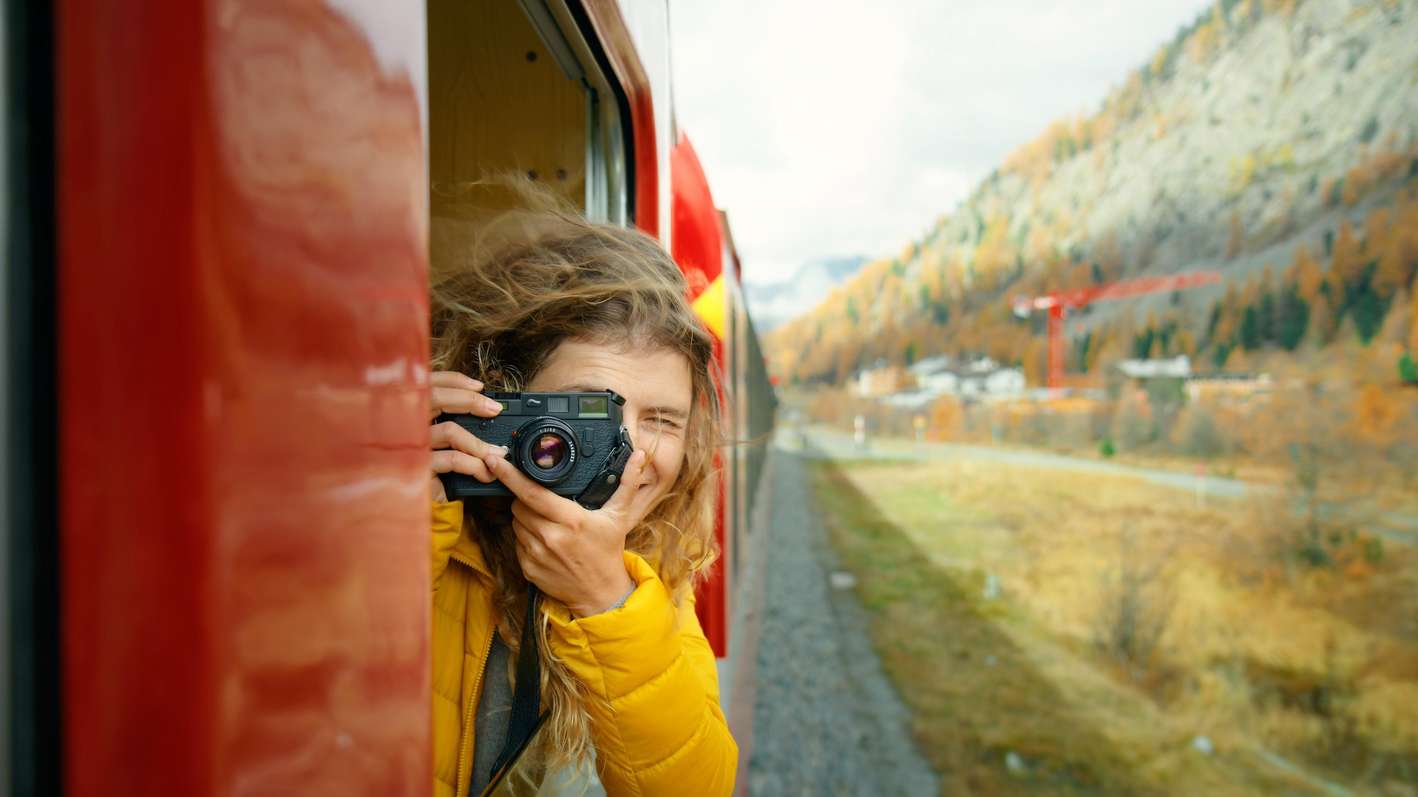
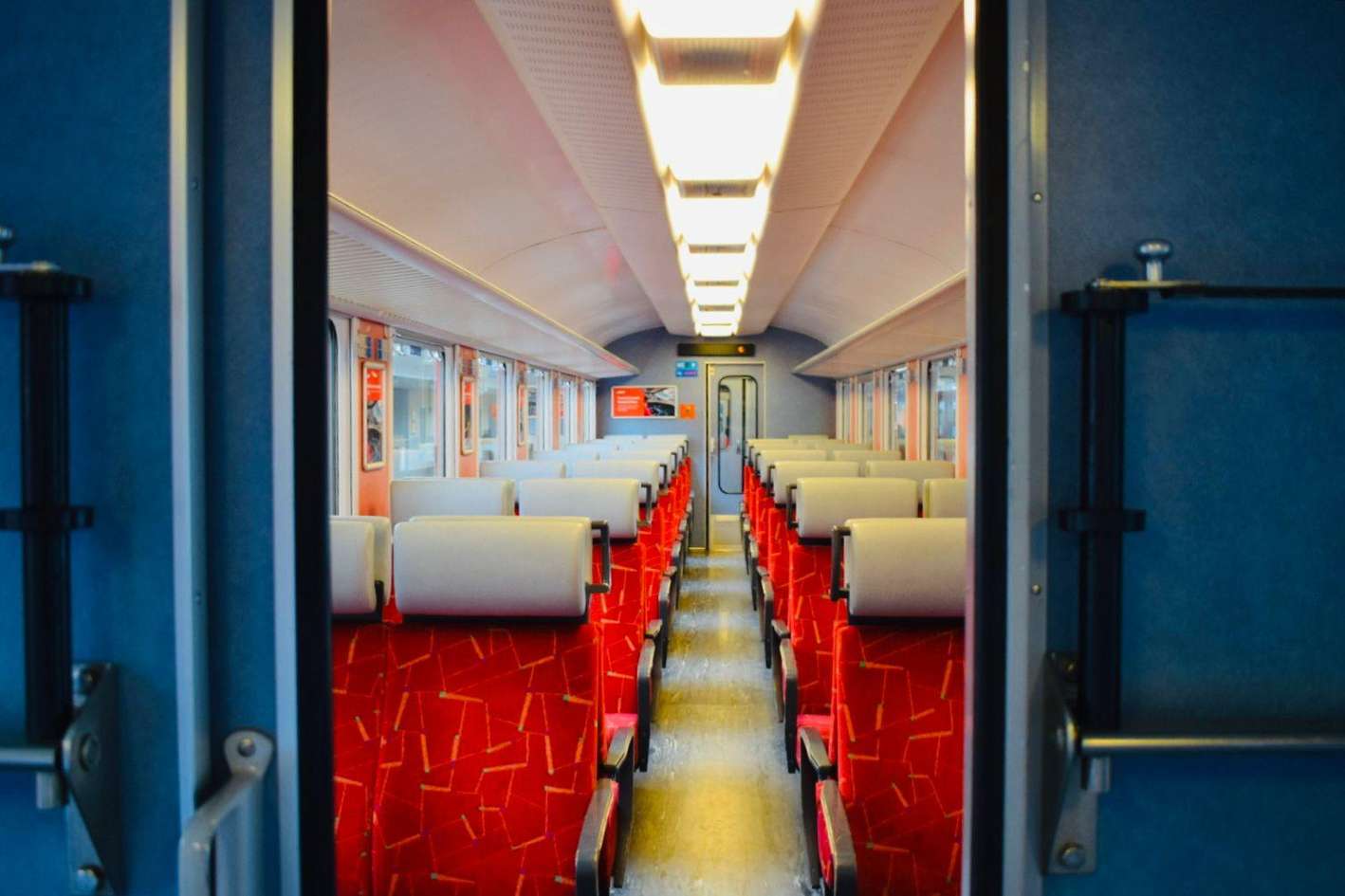
Compare the two carriage types on the same tour. Standard carriages have windows that open, which regulars love for glare-free photos. Panoramic carriages have curved glass roofs and a guaranteed seat, confirmed at booking.
Most tours bundle the train ticket, round-trip coach from Milan and a guide, so you face no separate seat reservation fees or Swiss franc fares. Meals and drinks stay on you.
Check your confirmation for the exact spot, because departures spread across several locations: Piazza della Repubblica 5 at the corner with Via Turati, spots outside Milano Centrale such as the Apple Monument on Piazza Duca d'Aosta, and Porta Garibaldi station.
Carry a valid passport or, if you are an EU or EFTA citizen, a national ID card. The coach crosses into Switzerland at the border, and staff check documents before departure.
There is no direct train from Milan. You ride a Trenord regional train from Milano Centrale to Tirano, about 2.5 hours along Lake Como's eastern shore and up the Valtellina, then cross the square in Tirano to board the Bernina railway for the 2-hour-15-minute climb to St. Moritz.
Each way takes 5 to 6.5 hours, and the two legs use separate Italian and Swiss rail systems with separate tickets. A coach transfer of 2.5 to 3 hours removes that transfer and the ticketing, which is why most visitors book a guided day tour.
Independent riders who catch the 8:20 am train from Milano Centrale get about 3.5 hours in St. Moritz before the 4:48 pm return. Tours give 1.5 to 2.5 hours, and winter daylight is short: sunset falls as early as 4:36 pm in December, so early departures matter most between November and February.
Break time (15 minutes)
Visit, Free time, Walk (45 minutes)
Visit, Guided tour, Sightseeing, Scenic views on the way (2.5 hours)
Guided tour, Free time, Shopping, Walk (1.5 hours)
Sightseeing, Bus tour, Pass by, Scenic views on the way
Fidenza Village Kiosk, Shopping Express
Free time, Walk (2.5 hours)
Sightseeing, Scenic views on the way (2 hours)
Pass by
Pass by
Pass by
Break time, Pass by (10 minutes)
Fidenza Village Kiosk, Shopping Express
Autostradale Bus Stop - Lake Como and Bernina Tours
Autostradale Bus Stop - Lake Como and Bernina Tours
Sightseeing, Scenic views on the way (2 hours)
Pass by, Scenic views on the way
Pass by, Scenic views on the way
Pass by, Scenic views on the way
Visit, Free time, Shopping, Walk (1.5 hours)
Autostradale Bus Stop - Lake Como and Bernina Tours
Scenic drive, Scenic views on the way
Autostradale Bus Stop - Lake Como and Bernina Tours
The route crosses into Switzerland, so a valid passport or ID card is required on the day of travel, and a Schengen visa or residence permit is required for third-country nationals without one.
Check your travel document before you book. EU and EFTA citizens can enter Switzerland with a valid national identity card. If you need a visa or residence permit to stay in the Schengen area, carry the original document with you, since checks can happen while the train is moving. A driving licence is not accepted.
The morning train out of Milano Centrale runs along the lake, and then the mountains take over. Before that, the first fact to hold: no direct or high-speed train links Milan to St. Moritz.
The trip is always two trains and one change at Tirano, near the Swiss border, and it takes 5 to 5.5 hours each way.
Three ways exist. The two-train rail route costs the least and asks the most of you. A rental car over the Maloja Pass covers 174 km in about 3 hours, the fastest of the three.
A guided day tour pairs a 2.5- to 3-hour coach transfer with the Bernina rail journey and hands the logistics to someone else.
Put the three side by side and the trade-offs sit in plain view: time, hands-on effort, and who books what.
Every option trades something. Driving wins on time but costs the driver the view. The independent train costs the most hours but puts you in the best seat in the house.
A tour such as From Milan to the Swiss Alps: Bernina Red Train & St. Moritz takes 11 hours door to door and books the train ticket for you.
On the points the choice actually turns on, the picture looks like this.
| Total travel time | Carriage and views | Time in St. Moritz | Tickets and reservations | |
|---|---|---|---|---|
| Independent regional train | 5 to 5.5 hours each way | Open windows, glare-free photos | About 3 hours | Two tickets, no reservation needed |
| Bernina Express | 5 to 5.5 hours each way | Panoramic windows, cannot open | not known | Ticket plus mandatory seat fee |
| Guided coach tour | 11 to 13 hours total | Bernina Red Train, 2 to 2.5 hours | 1.5 to 2.5 hours | All arranged by guide |
If the table leaves you torn between hours and ease, the deciding question is the change at Tirano. Happy to manage two tickets and a timetable? Take the train. Want one booking and one meeting point? The tour answers.
Day trips leave Milan around 7 am, and the reason is light. In December St. Moritz sees sunset at 4:36 pm; even in summer, a 15-hour day only helps if the coach rolls early. Sleep in and you ride the valleys in the dark.
The coaches gather in a tight cluster around Milano Centrale, and they do not mix with the airport buses. One operator meets at Piazza IV Novembre next to Hotel Gallia, at the Autostradale bus stop.
Another gathers at Piazza della Repubblica 5, by the newspaper kiosk behind the IP petrol station, and asks for 15 minutes early. A third meets outside Porta Garibaldi, 20 minutes before departure. One tour starts inside the station itself, by Bistrot Centrale before the track gates.
From the meeting point onward, the hours run like this.
Meeting points sit around Milano Centrale, Piazza della Repubblica or Porta Garibaldi
Heavy traffic can stretch the transfer toward 4 hours
2 to 2.5 hours on the rails, with the St. Moritz stop around it
Back in the city around 9 pm, later in summer
Check the meeting point on your confirmation before the morning. Ten minutes spent hunting among the wrong buses is ten minutes off a day that never has any to spare.
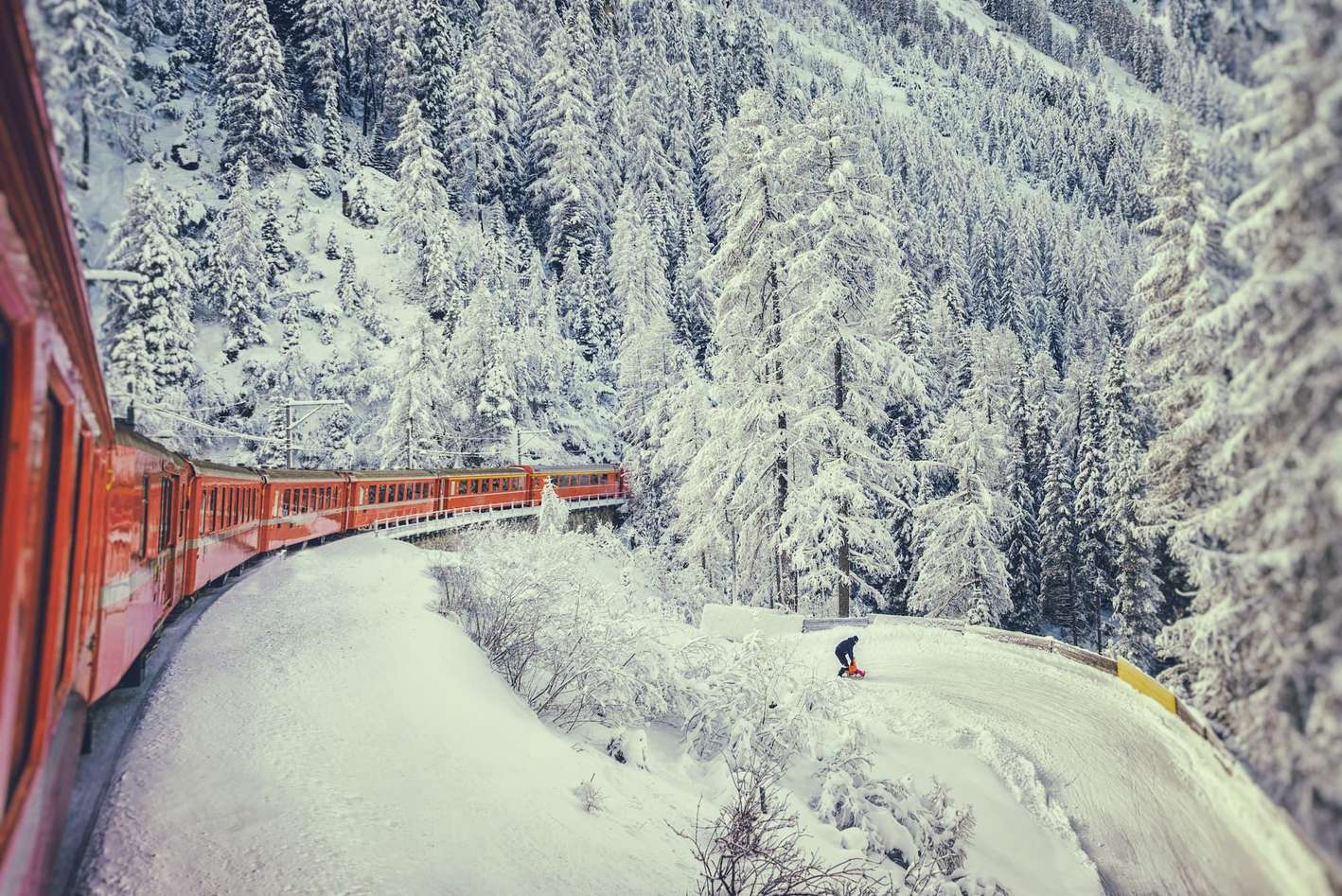
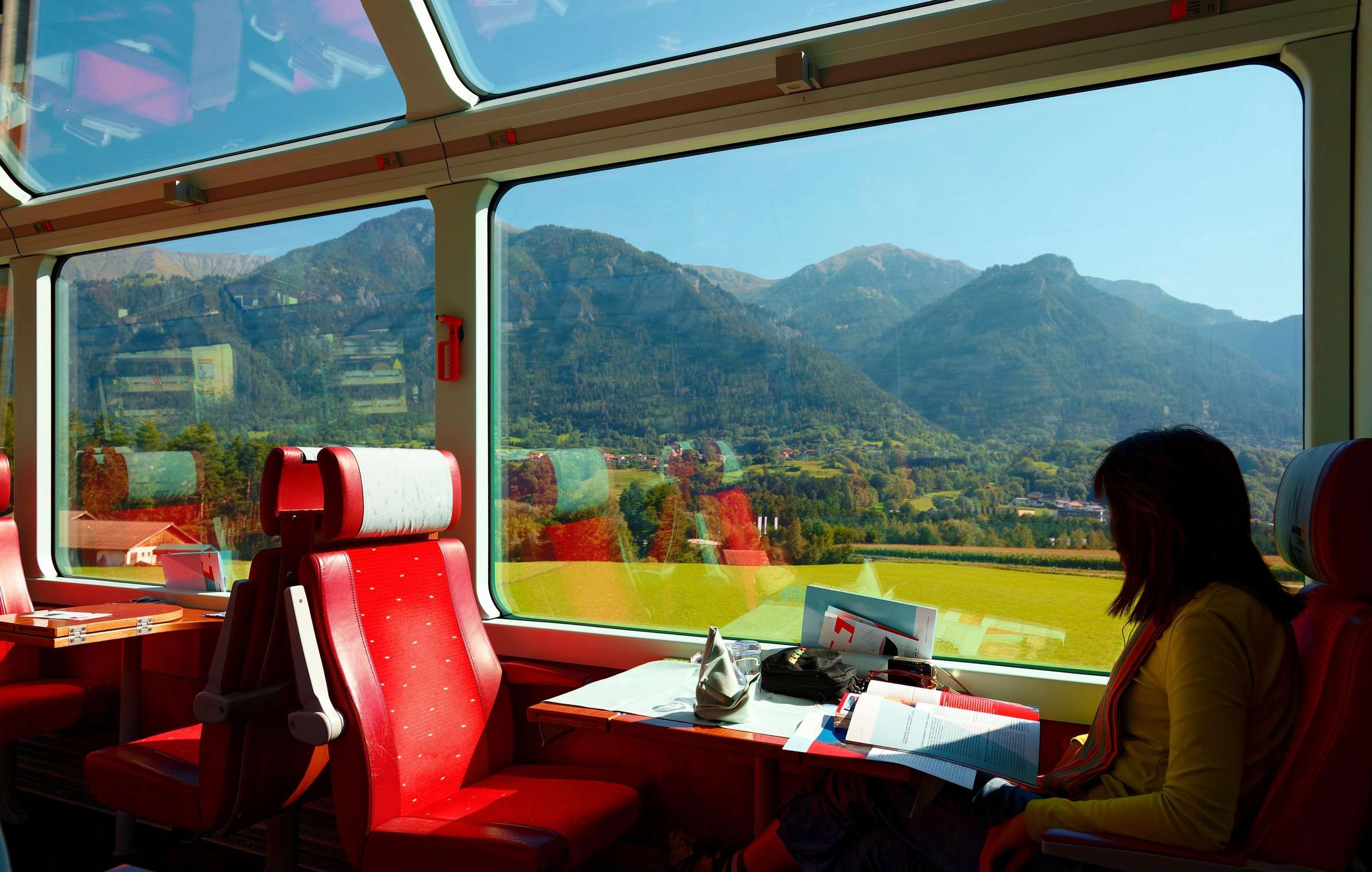
The first train is a Trenord regional out of Milano Centrale, and people who assume the scenery starts at the Swiss border are wrong.
The line runs along Lake Como's eastern shore and then climbs the Valtellina, so the lake and the mountains are both on your side of the glass for most of the 2.5 hours to Tirano.
Seats are ordinary and the timetable is frequent, because the Trenord regional works as a commuter line first and a scenic ride second. The famous red train gets the postcards; this one gets you there.
One thing can bend the plan: track maintenance on this stretch. When sections close, replacement buses run instead, and they push departures earlier or stretch the trip. Anyone relying on a fixed connection at Tirano should pad the buffer that day, because a missed Bernina train can cost the whole mountain leg.
Add it up across the whole route and the effort of each way of getting there reads like this.
Seen that way, the 7 am coach that arrives without a change starts to look like insurance for the timetable.
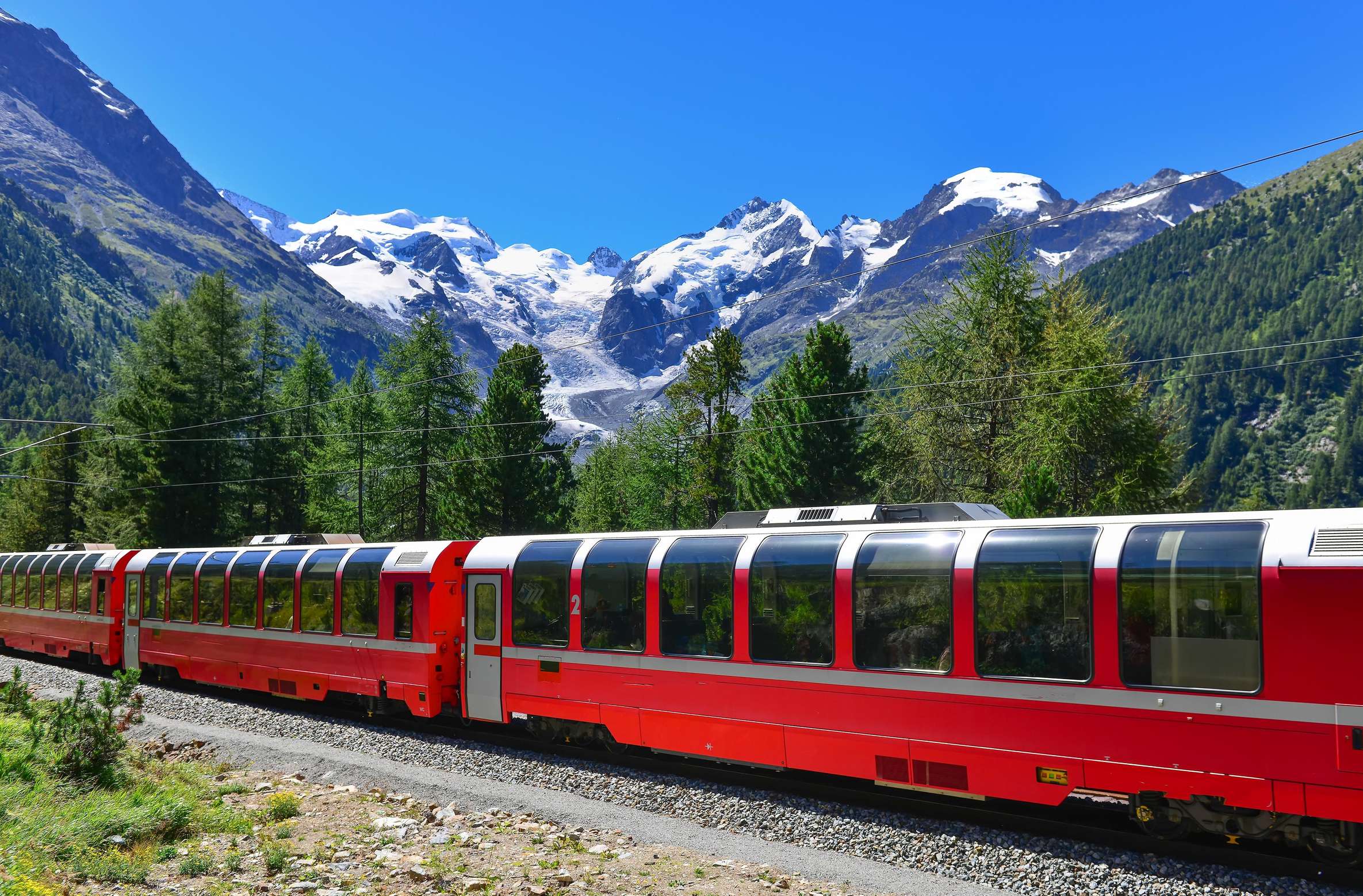
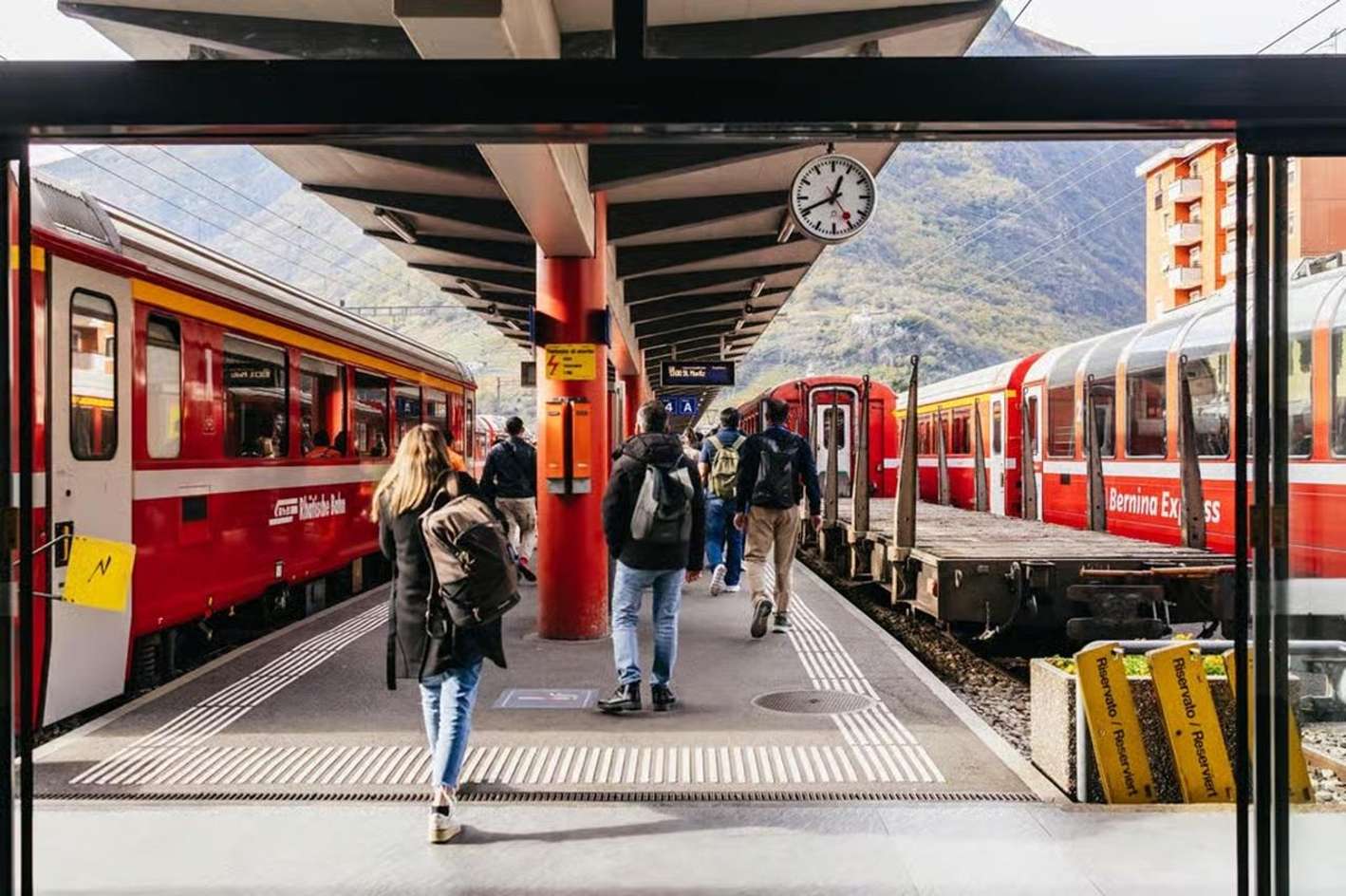
The change everyone dreads is the easiest part of the day. Trenord and the Rhaetian Railway run out of separate buildings, but both sit on the same square, Piazza delle Stazioni.
You step off the Italian train, exit the station, and the Swiss building stands to your left, a few meters across the forecourt. The whole walk takes about 90 seconds.
That leaves the 30 to 60 minutes of connection buffer to actually use. The square outside feeds people well: Bar Buffet della Stazione and Margy, at number 2, pour coffee and wrap panini from 7 am to 8 pm, and Moroburger and Pizzeria Leti sit close by.
For a sit-down meal, Parravicini Restaurant & Wine Bar is five minutes into the old town.
One habit makes the buffer work twice.
After the coffee the day tips over into Switzerland: same square, other rail company, other currency. Keep the ticket for the Swiss leg separate from the Italian one, because no single combined ticket exists.
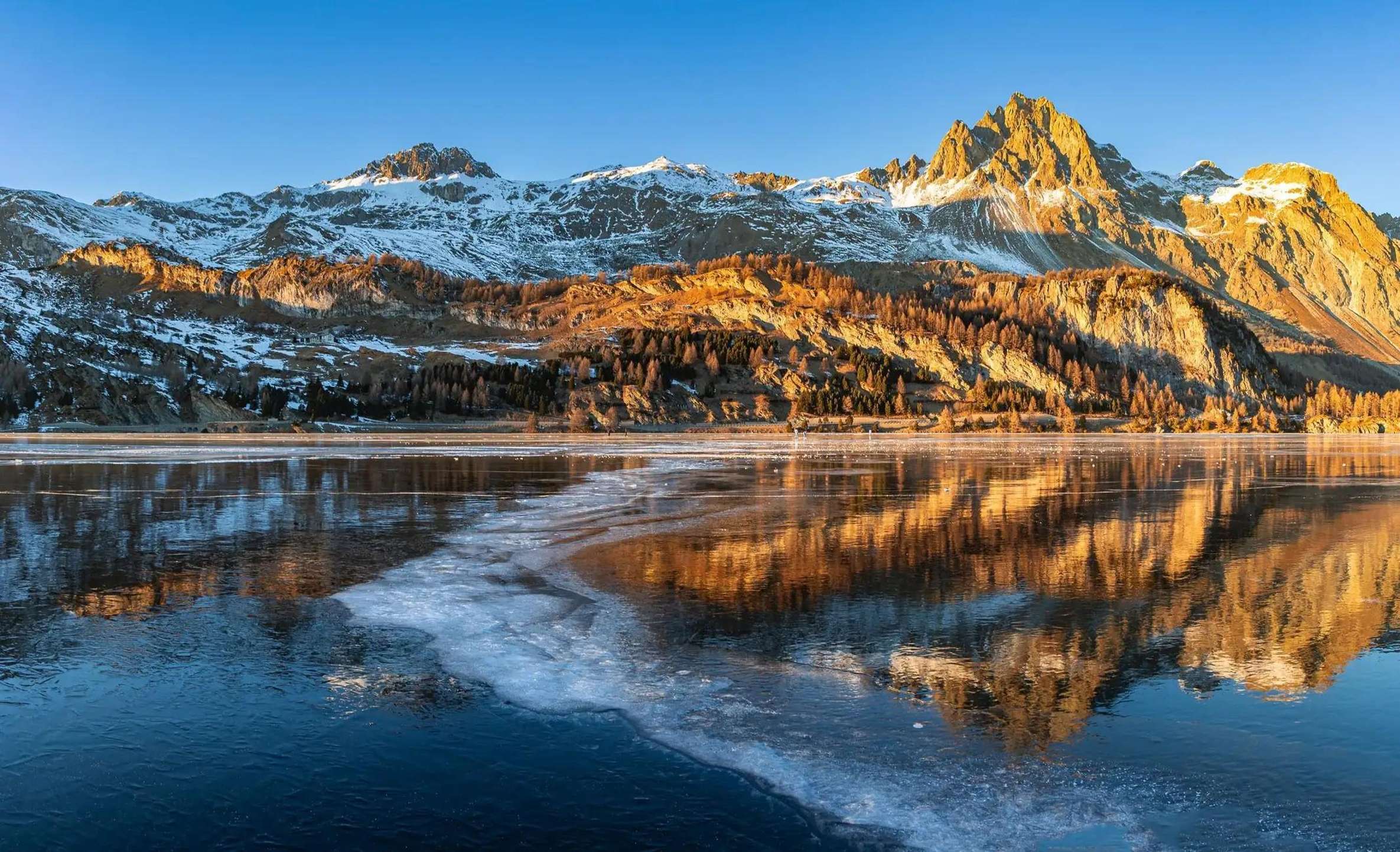
The choice that shapes the whole mountain leg is the carriage. The Bernina Express runs panoramic cars with windows that curve up into the roof, giving an uninterrupted view of the pass, but the glass cannot open and every seat needs a ticket plus a mandatory reservation fee, children included.
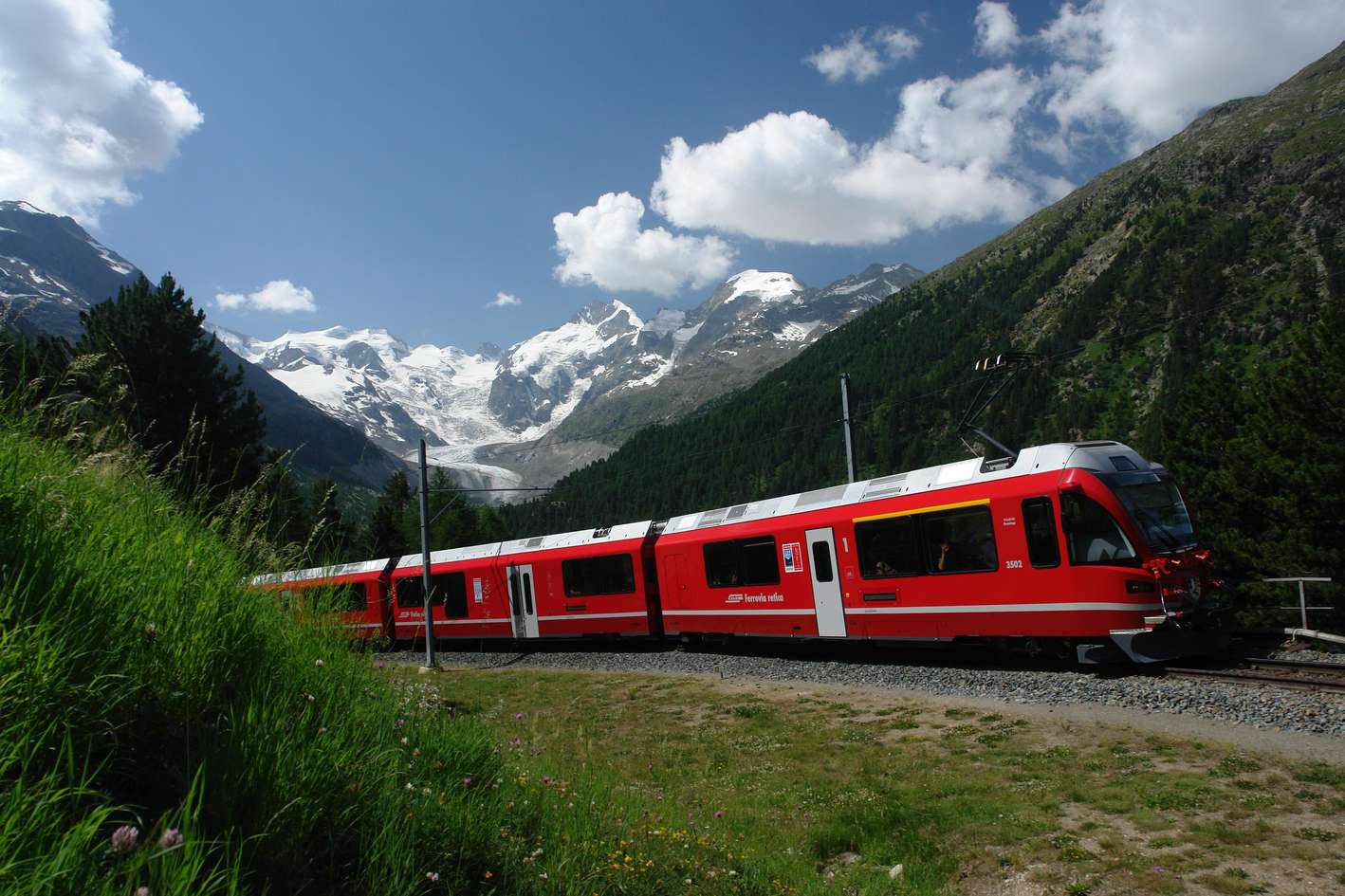
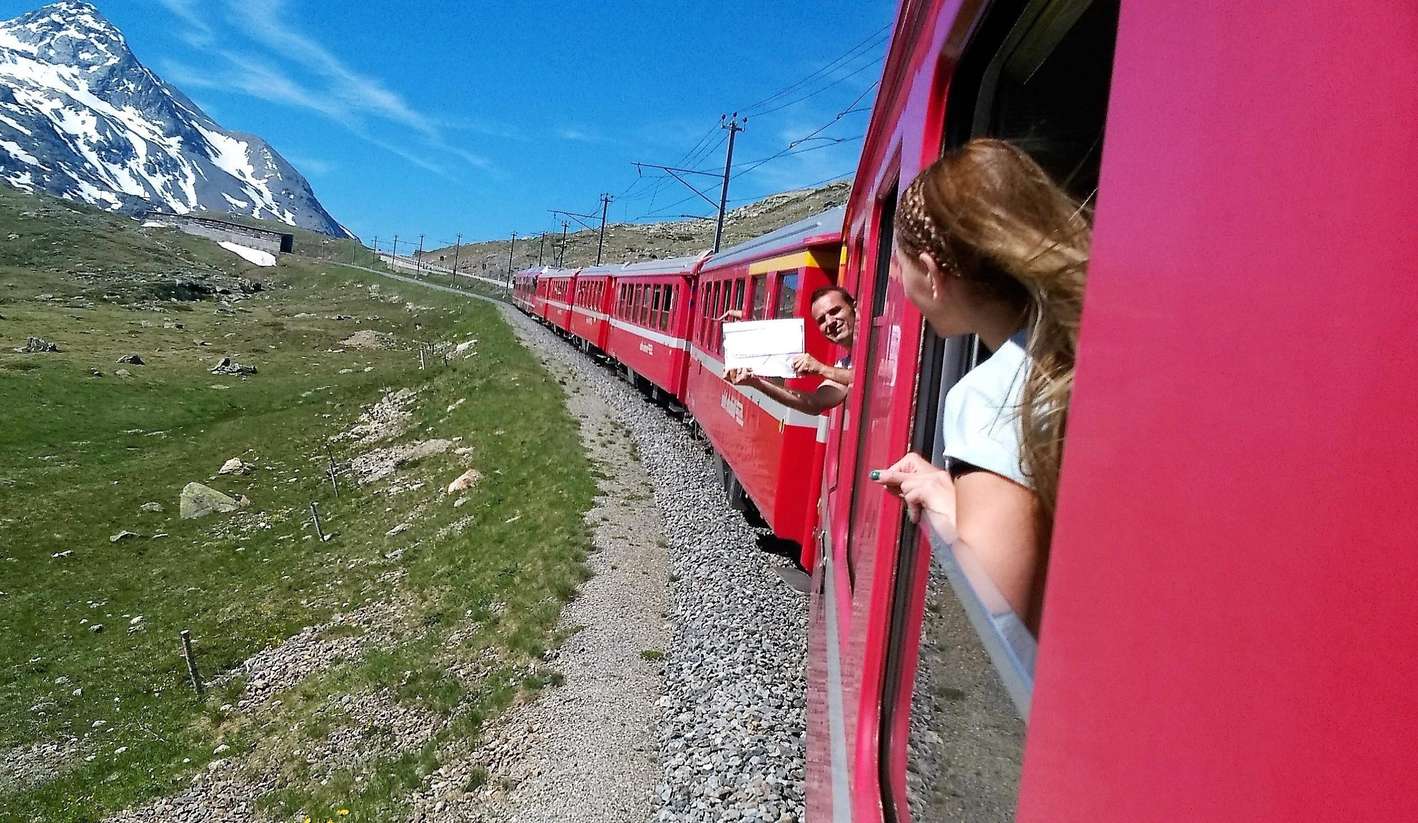
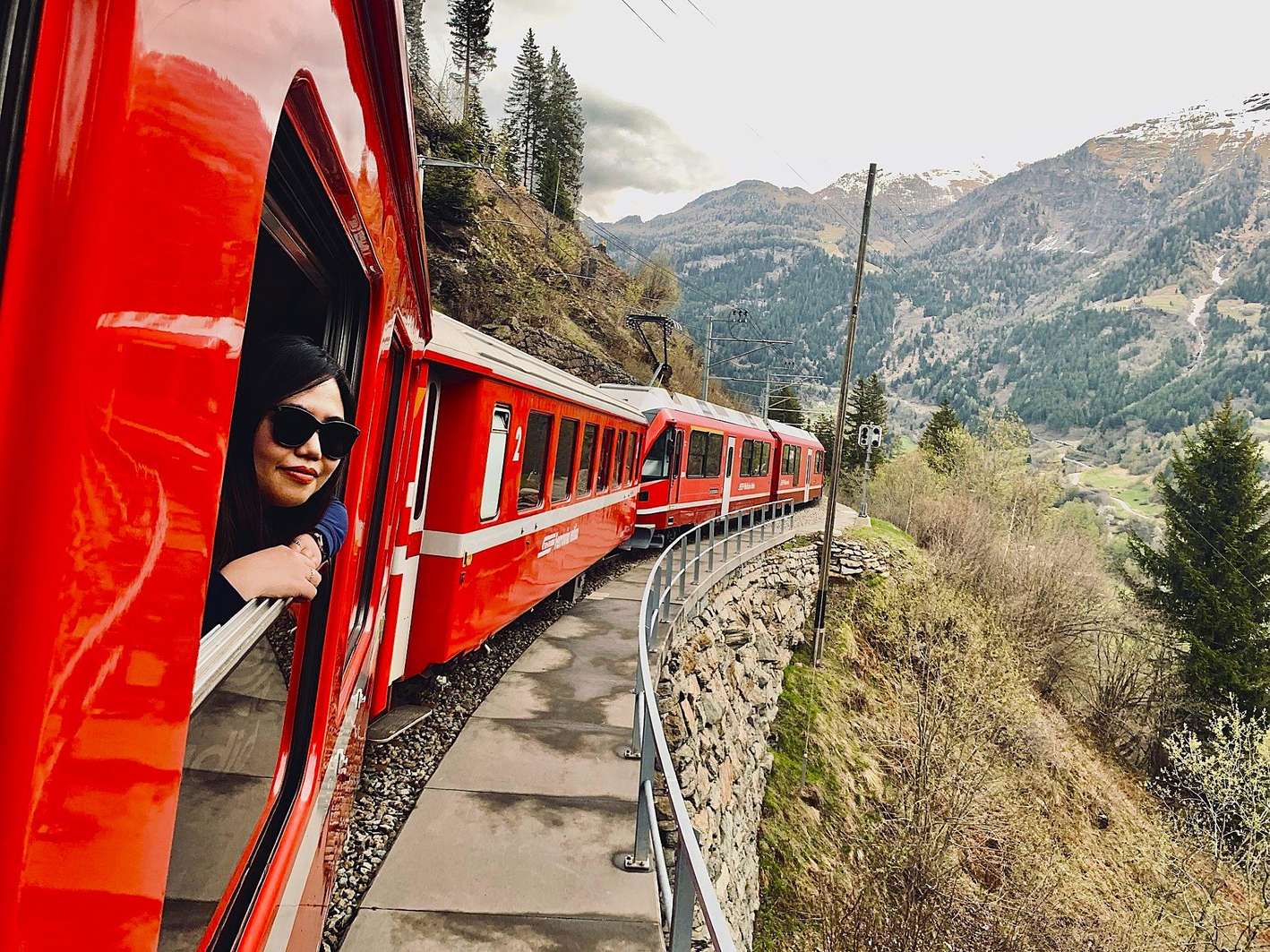
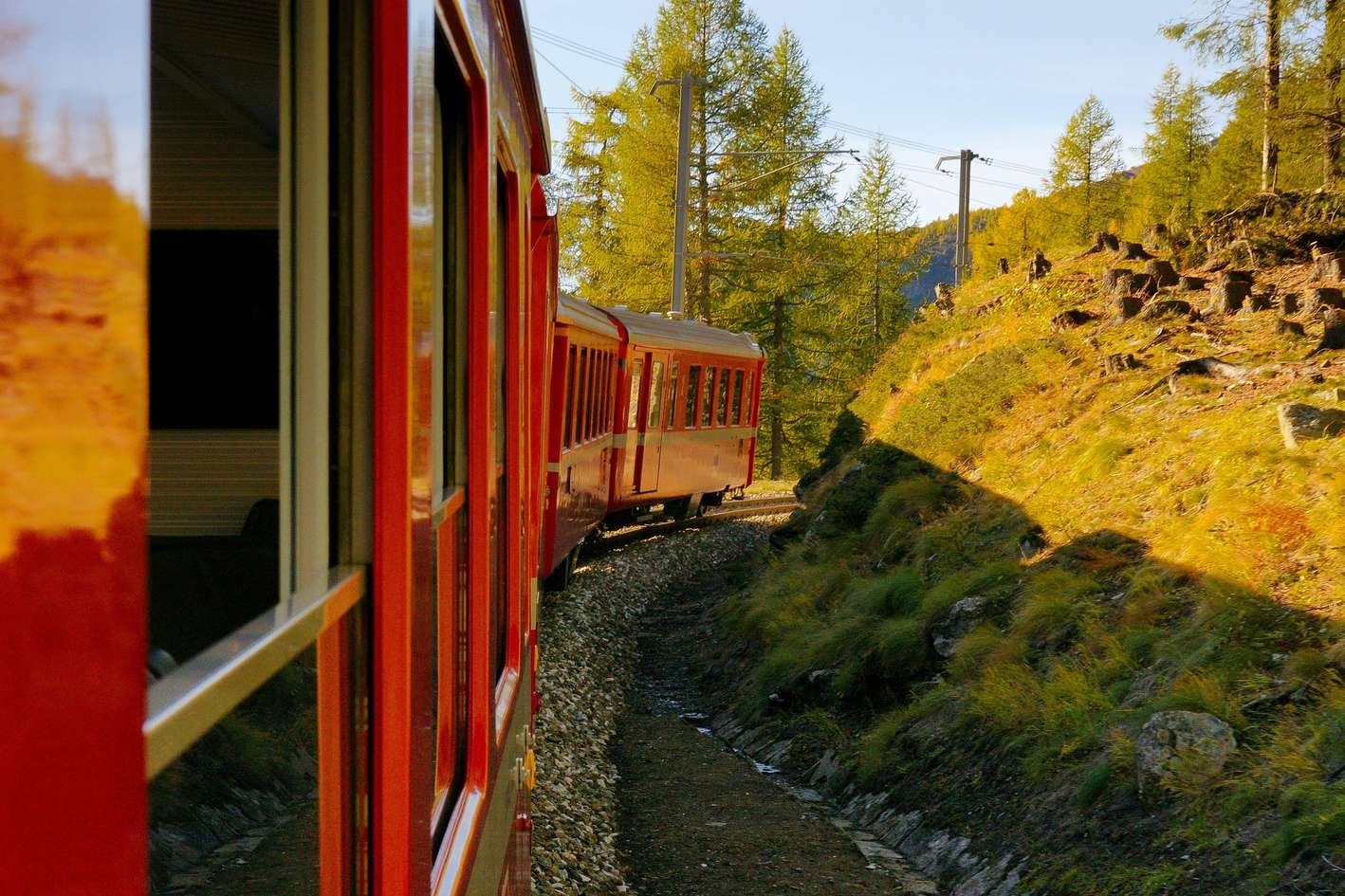
The regional train, the one people call the Bernina Red Train or Trenino Rosso, runs classic second-class carriages whose windows open.
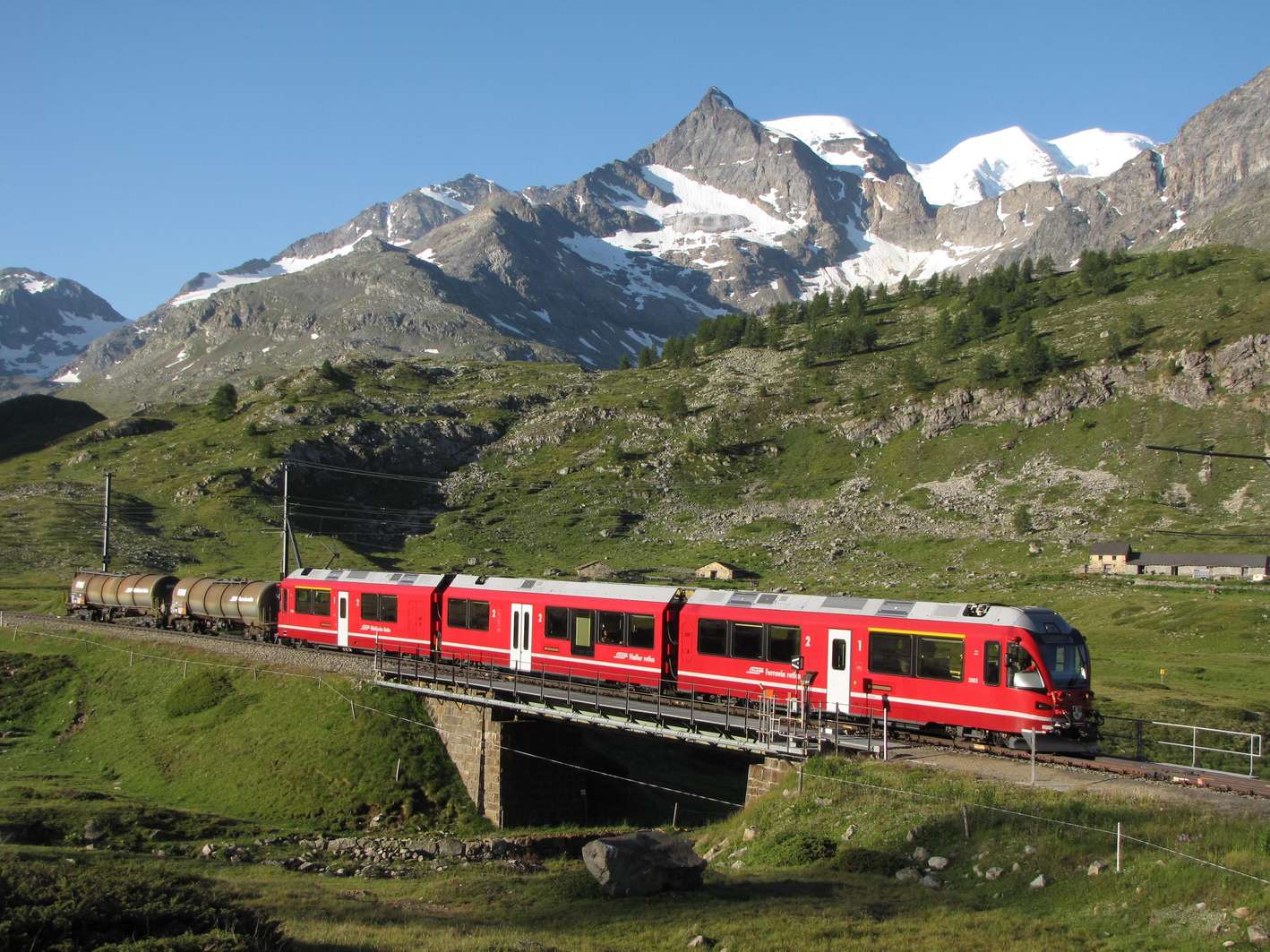
First-timers often miss the part that matters: both trains use the same track. Same tunnels, same viaducts, same climb over the pass. The Express throws in Wi-Fi, an onboard service, and a 1930s-style Pullman coach for up to 32 passengers; the regional runs more frequently through the day.
Two assumptions travel around this route, and both are wrong.
Both run the same line between St. Moritz and Tirano; the difference is the carriage, not the track
Regional cars have windows that open, which gives glare-free photos the panoramic glass cannot match
For photographers the open window usually wins, because glare off panoramic glass ruins the shot. If the guaranteed dome seat is what you want, one operator's tour, From Milan: St. Moritz and Bernina Express Tour, confirms a panoramic carriage seat at booking, with a multilingual guide aboard the whole way.
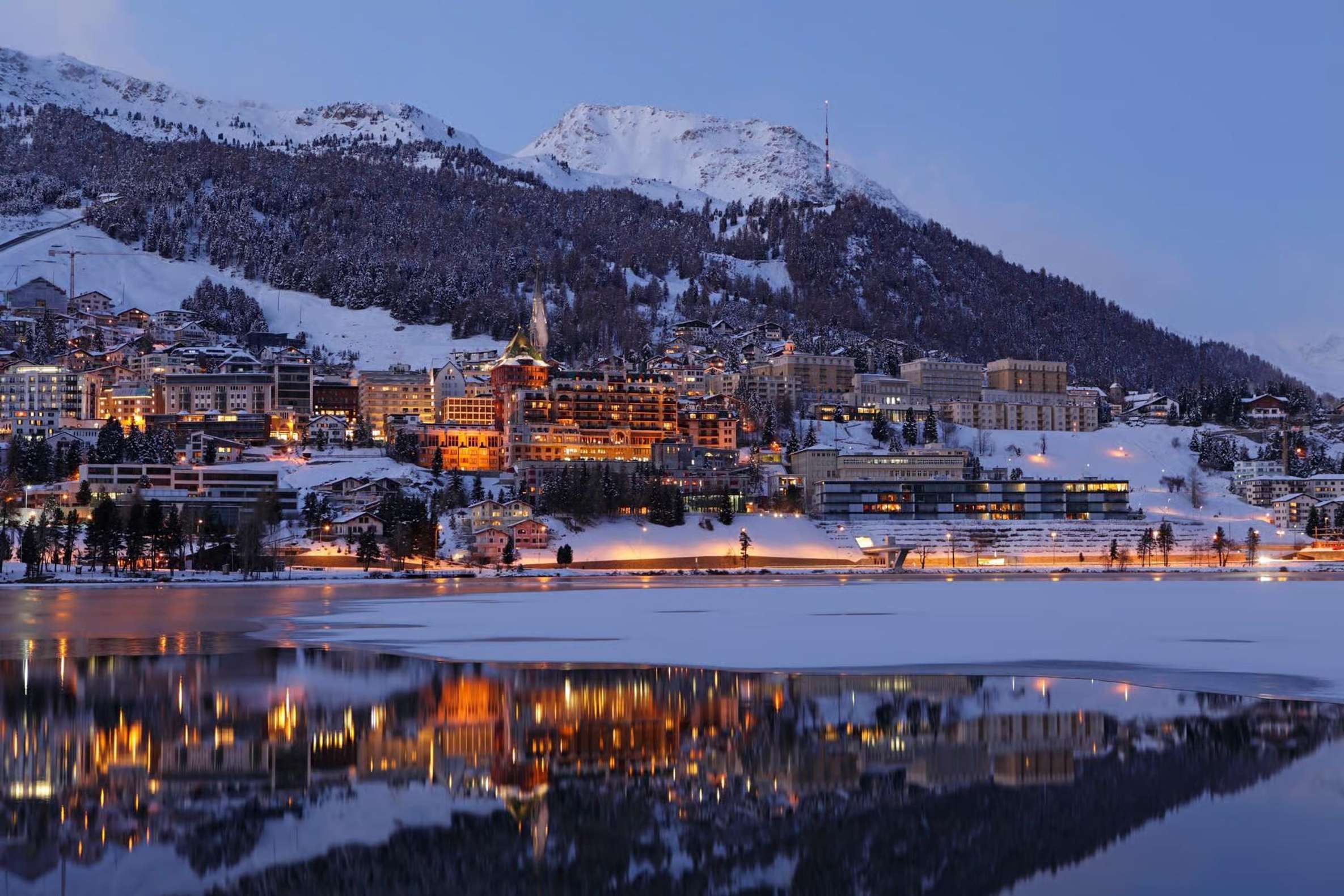
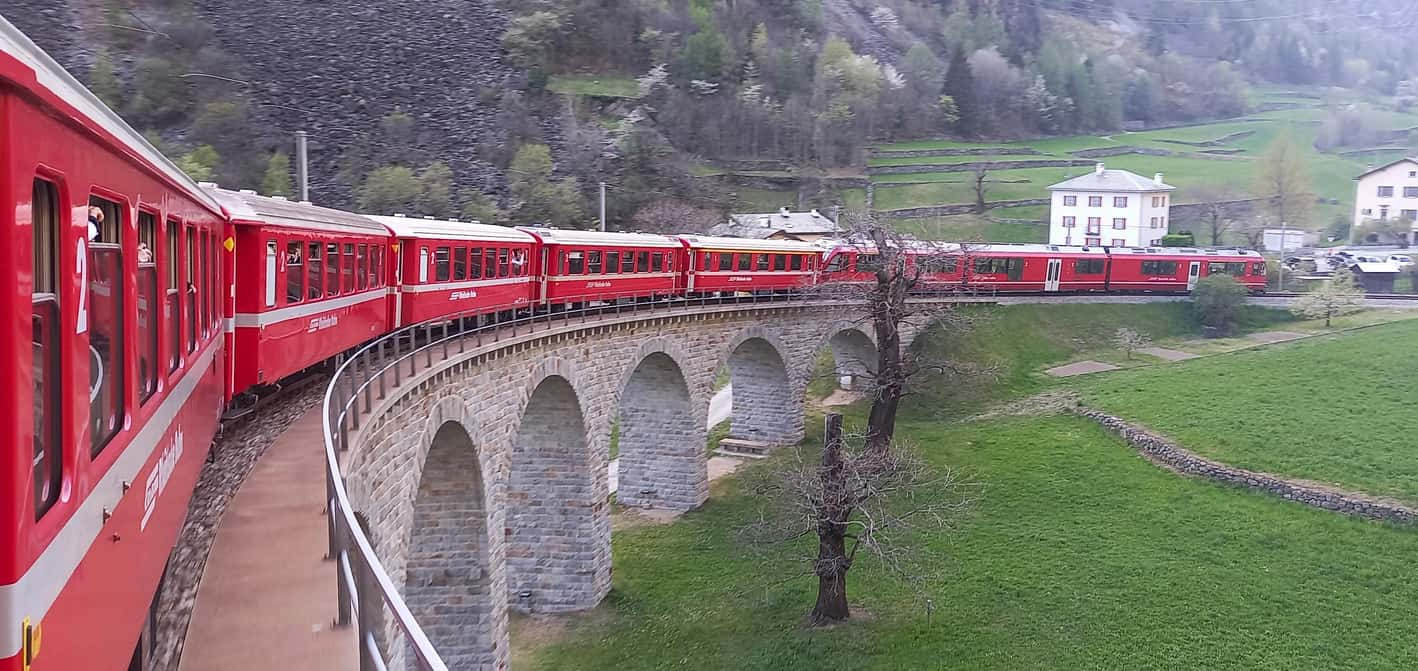
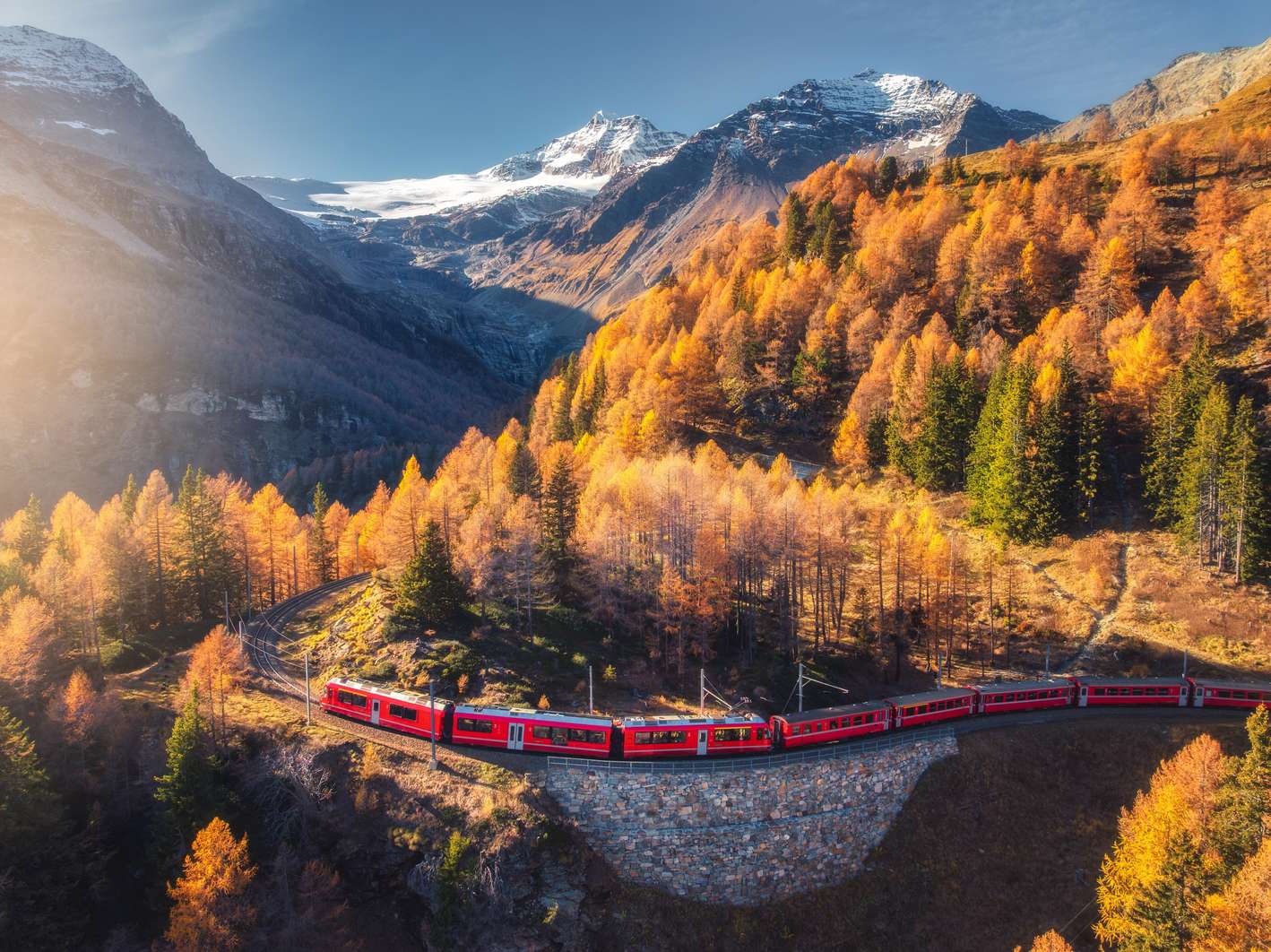
Seat choice decides the photos. Climbing north from Tirano, sit on the right: the Brusio spiral viaduct, the lake at Val Poschiavo, and the ascent to Alp Grüm all pass on that side.
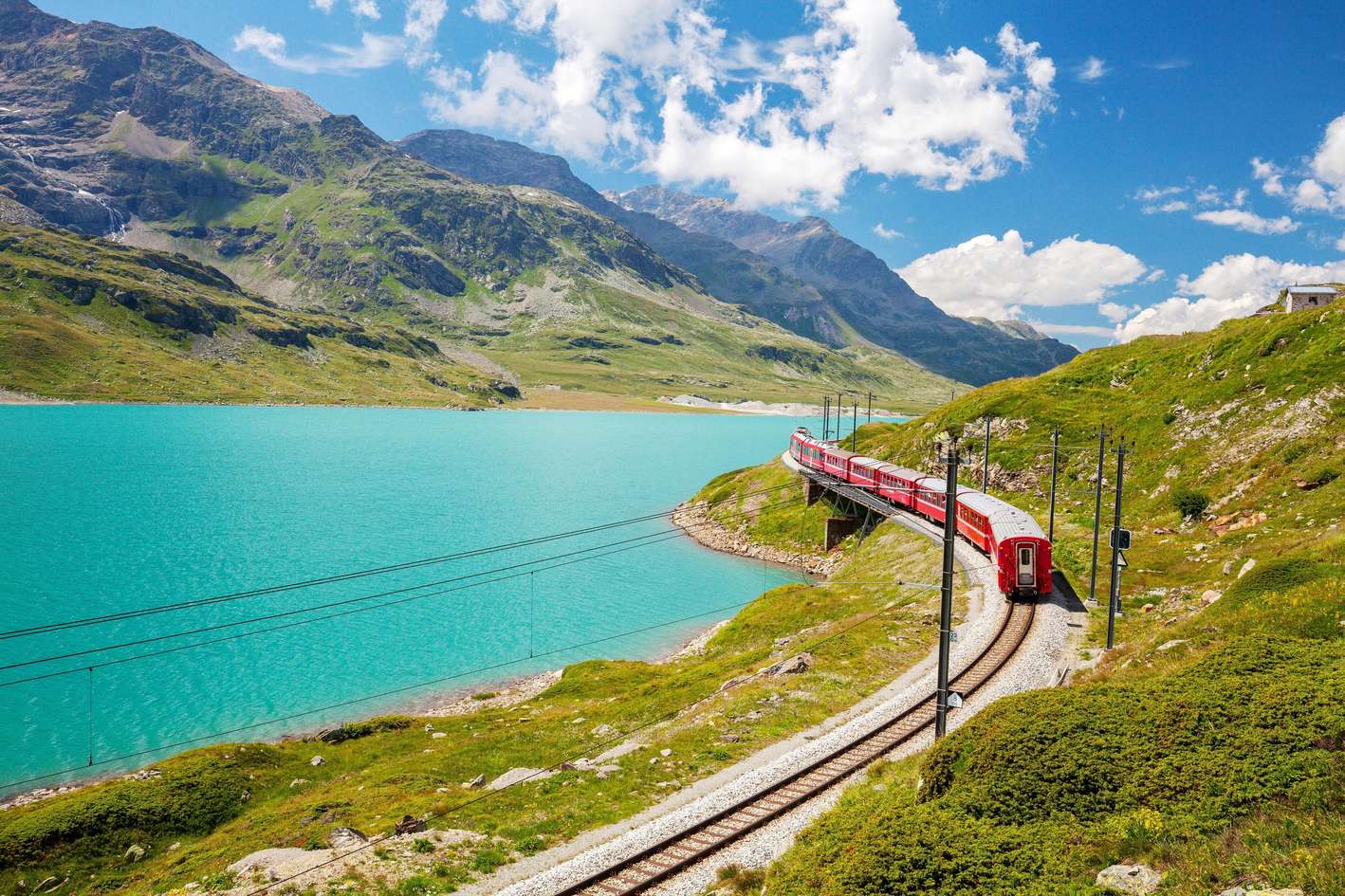
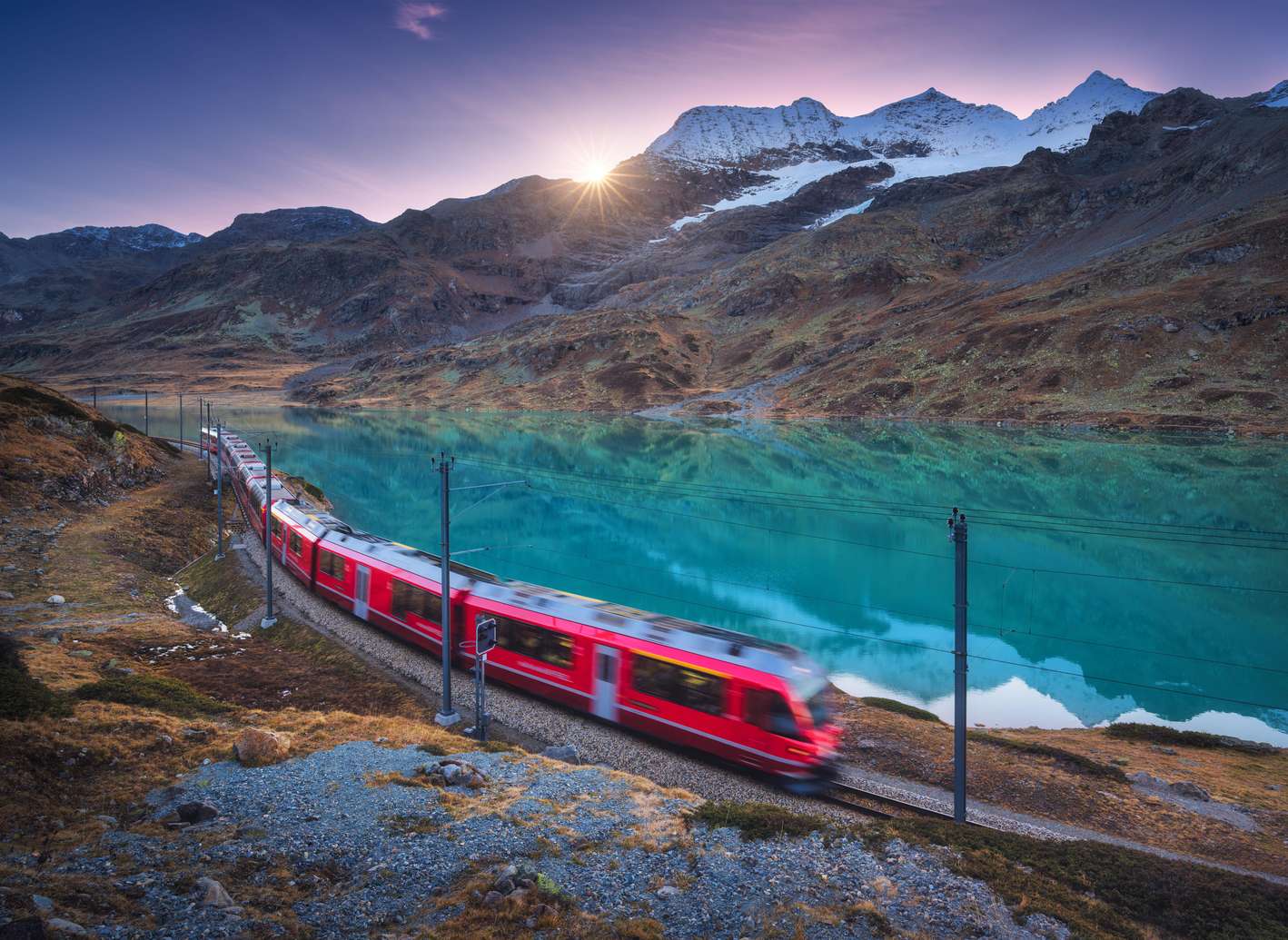
After the train crosses the summit at Ospizio Bernina, 2,253 meters up, move to the left for Lago Bianco, Lej Nair and the Morteratsch Glacier.
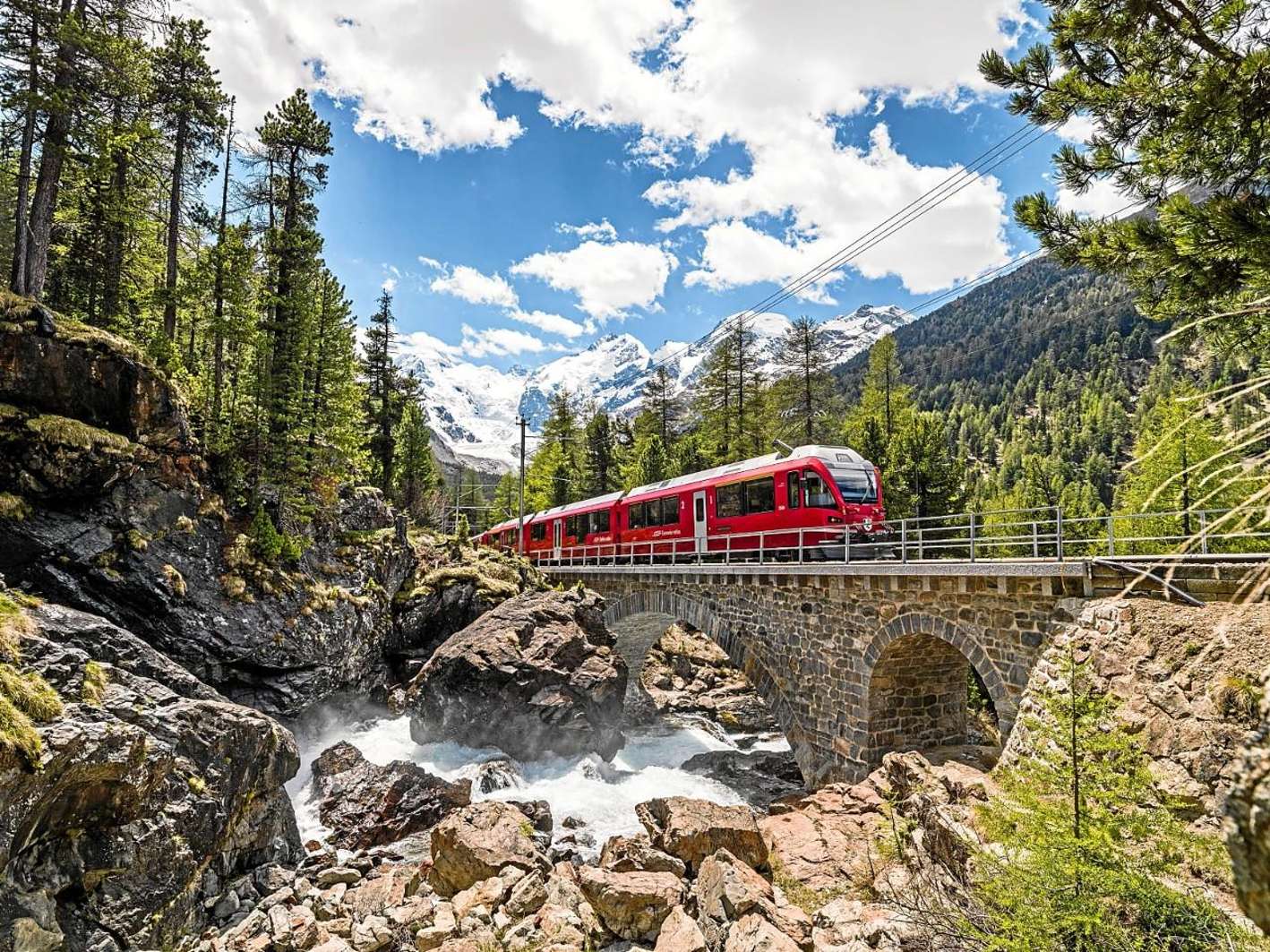
The climb itself is the quiet marvel. The line rises from Tirano at 429 meters without a single cogwheel, on gradients up to 7%, which makes it one of the steepest adhesion railways anywhere and the highest railway crossing in Europe. It threads 55 tunnels and 196 bridges through a UNESCO World Heritage route.
A detail regulars know changes how you plan the return.
On the downhill run from St. Moritz, the right side shows Lago Bianco at Ospizio Bernina and the best of the descent to Brusio
The carriage empties after the pass, so swapping sides mid-ride costs nothing
Stake out a window early, then swap after the pass when the crowd thins. Photographers who plan the swap get both the viaduct and the glacier in one day.
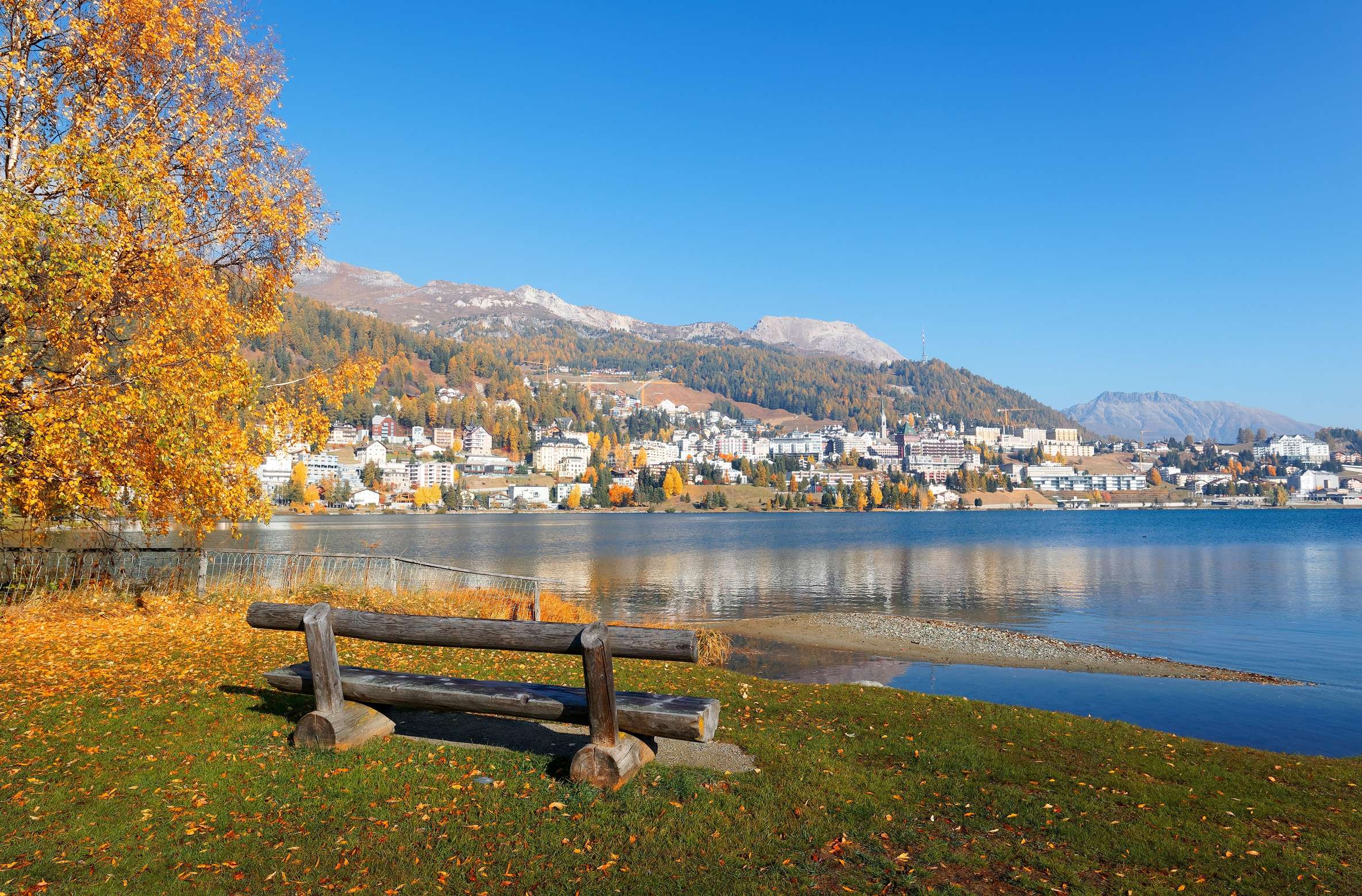
St. Moritz station delivers you at 1,822 meters into a town built around a glacial lake, and the first honest arithmetic of the trip arrives with you.
On the independent itinerary, the 8:20 am out of Milano Centrale connects through to an arrival at 1:11 pm, which leaves roughly 3.5 hours before the 4:48 pm train back to Tirano.
Tours run tighter. Most give one to two hours, a few stretch to 2.5, and traffic can shave a stop down to a single hour. That covers a lakeside walk and a coffee; a slow lunch and the boutiques together will not fit.
The spread between the three styles is the number to book around.
Plan the stop backwards from the return time instead of forward from arrival. Pick one thing, the lake promenade or the boutiques, and let the other go. The free time is short, but the walk along that water is what people come home talking about.
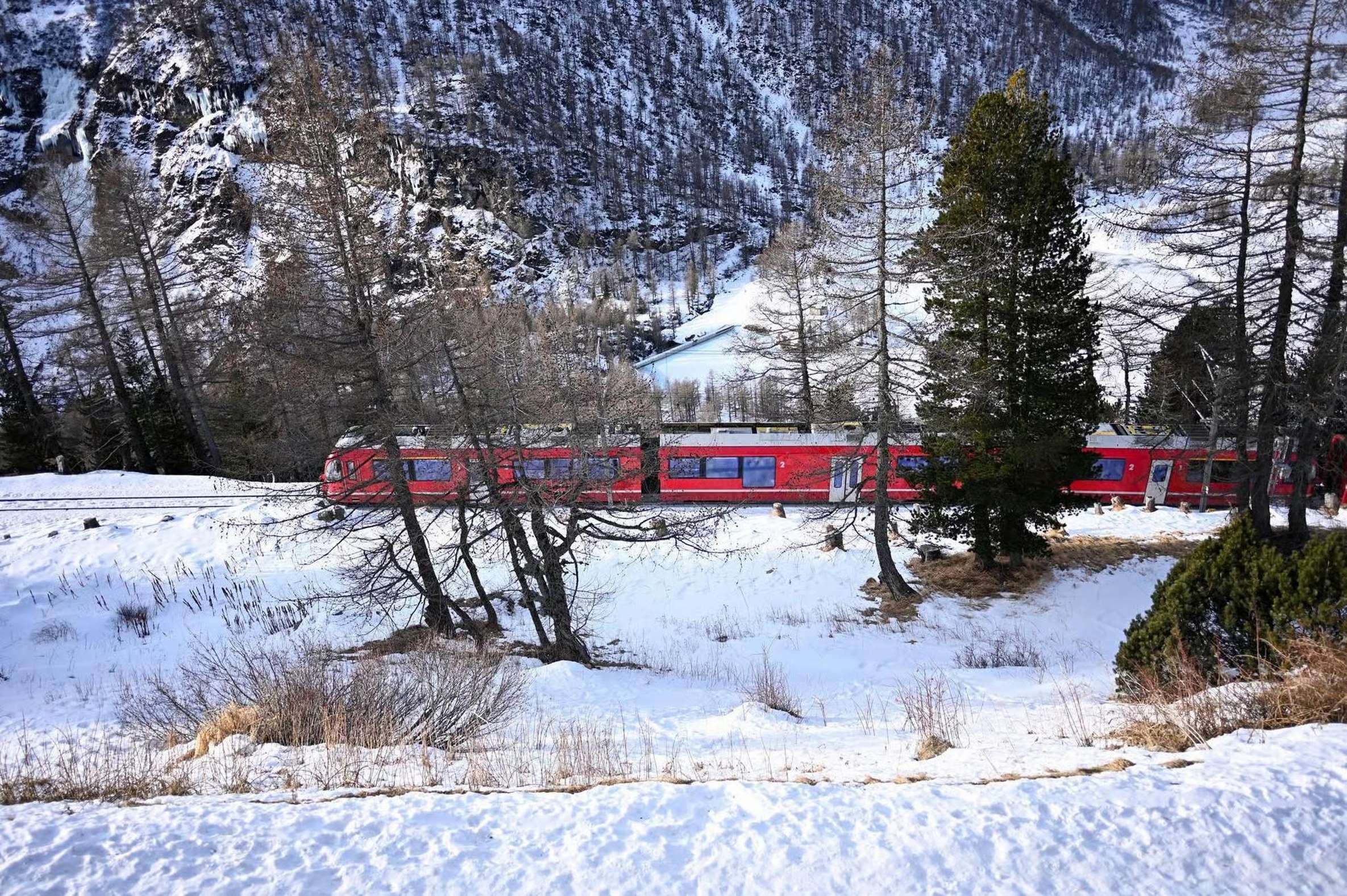
No single ticket covers the trip. Trenord and the Rhaetian Railway issue separately, so book the Italian leg through Trenord, at the station, through the app or on its site, and the Swiss leg through the Rhaetian Railway or Swiss Federal Railways. Booking them separately is the recommended way to avoid errors.
The Swiss leg brings its own rules. Fares there run in Swiss francs, not euros, and a panoramic Bernina Express seat carries a mandatory reservation fee on top of the ticket, owed by everyone including children and even pass holders. On the regional train, reservations stay optional.
Skip the multi-day passes for this trip. Neither the Swiss Travel Pass nor Eurail comes in a one-day form, their minimum runs three or four travel days, and the Swiss pass does not even cover the Italian stretch. Point-to-point tickets cost less.
One rule here can end a plan before it starts.
Panoramic carriage reservations sell out weeks to months ahead, peaking in winter and on summer weekends Reserve the panoramic seat as soon as dates are fixed, or fall back on the regional train and its open windows
So reserve panoramic seats weeks ahead, or accept the regional car and its open windows. Either way the track is the same.
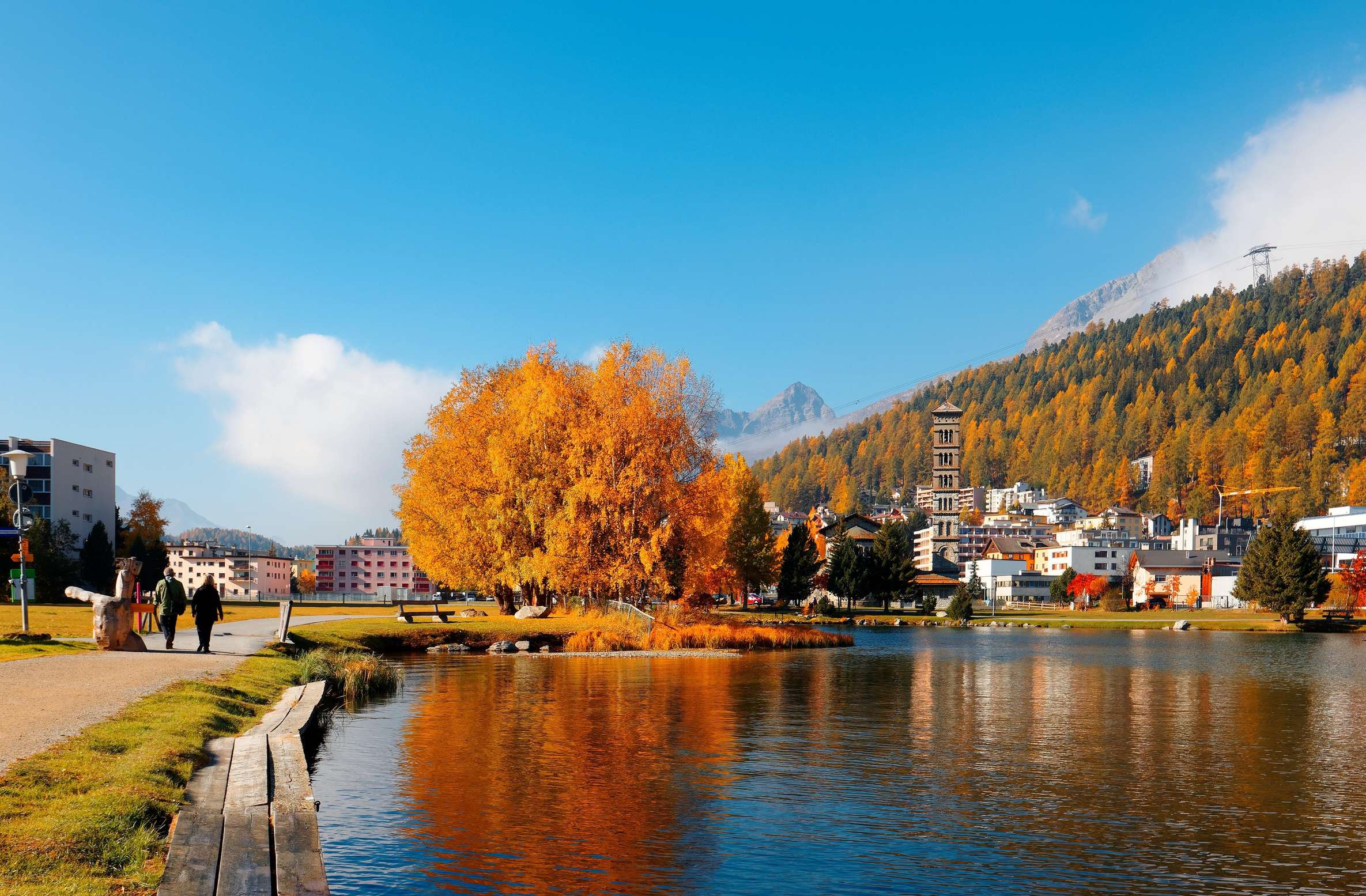
A guided day runs 11 to 13 hours end to end. Two coach legs of about 2.5 to 3 hours each, longer in heavy traffic, wrap around a 2-to-2.5-hour ride on the Bernina Red Train. The guide carries the logistics: one fixed meeting point in Milan, train tickets arranged, and help if any connection shifts.
Free time in St. Moritz runs one to two hours on most tours; one operator gives about 2.5, unless you pick its Diavolezza lunch option, which swaps town time for a meal at 3,000 meters by cable car.
Food needs planning. Some coaches ban food and drink in the vehicle, and the train offers little. Meal stops happen during the free time or at short breaks with shops, so bring snacks even though nobody has to bring lunch.
Before booking, run any tour past the points that decide the day.
| Check | Why it matters | Our pick |
|---|---|---|
| Panoramic carriage guaranteed at booking | Dome windows sell out, so a guarantee removes the biggest booking risk | The lead tour pairs standard carriages with opening windows instead, so check the option you pick |
| Real free time in St. Moritz | One hour covers the lake walk only; two or more lets you sit down to eat | About two hours of free time in the resort |
| Departure point and meeting time | Coaches leave from three different spots around Milano Centrale and Piazza della Repubblica | Coach transfer from central Milan with a stated meeting point |
| Return time | Sunset as early as 4:36 pm in winter puts the descent in the dark | 11-hour day built around daylight, with a coffee by the lake before the return |
A tour such as From Milan: St Moritz & Alps Day Trip with Bernina Red Train covers the coach, the train ticket and the guide in one booking. The ease costs the day's length, so go in with that settled.
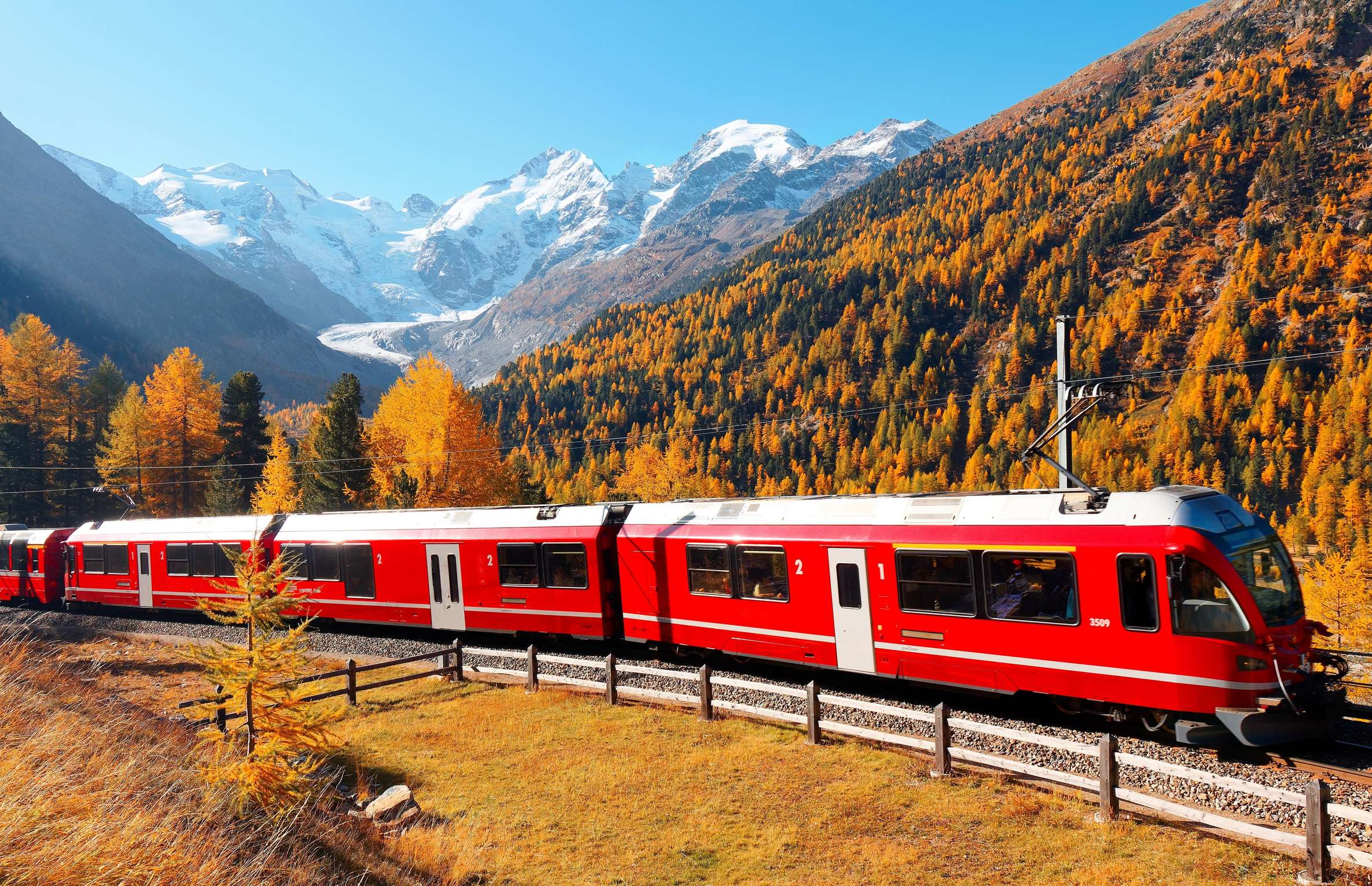
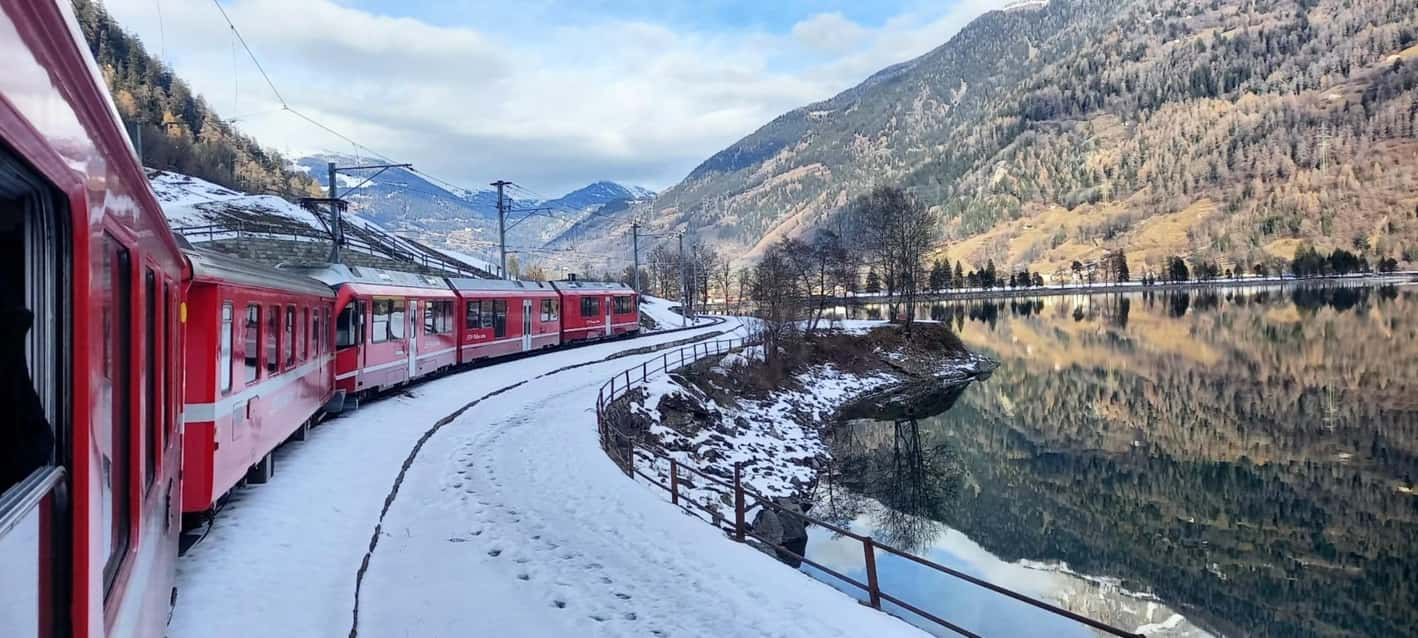
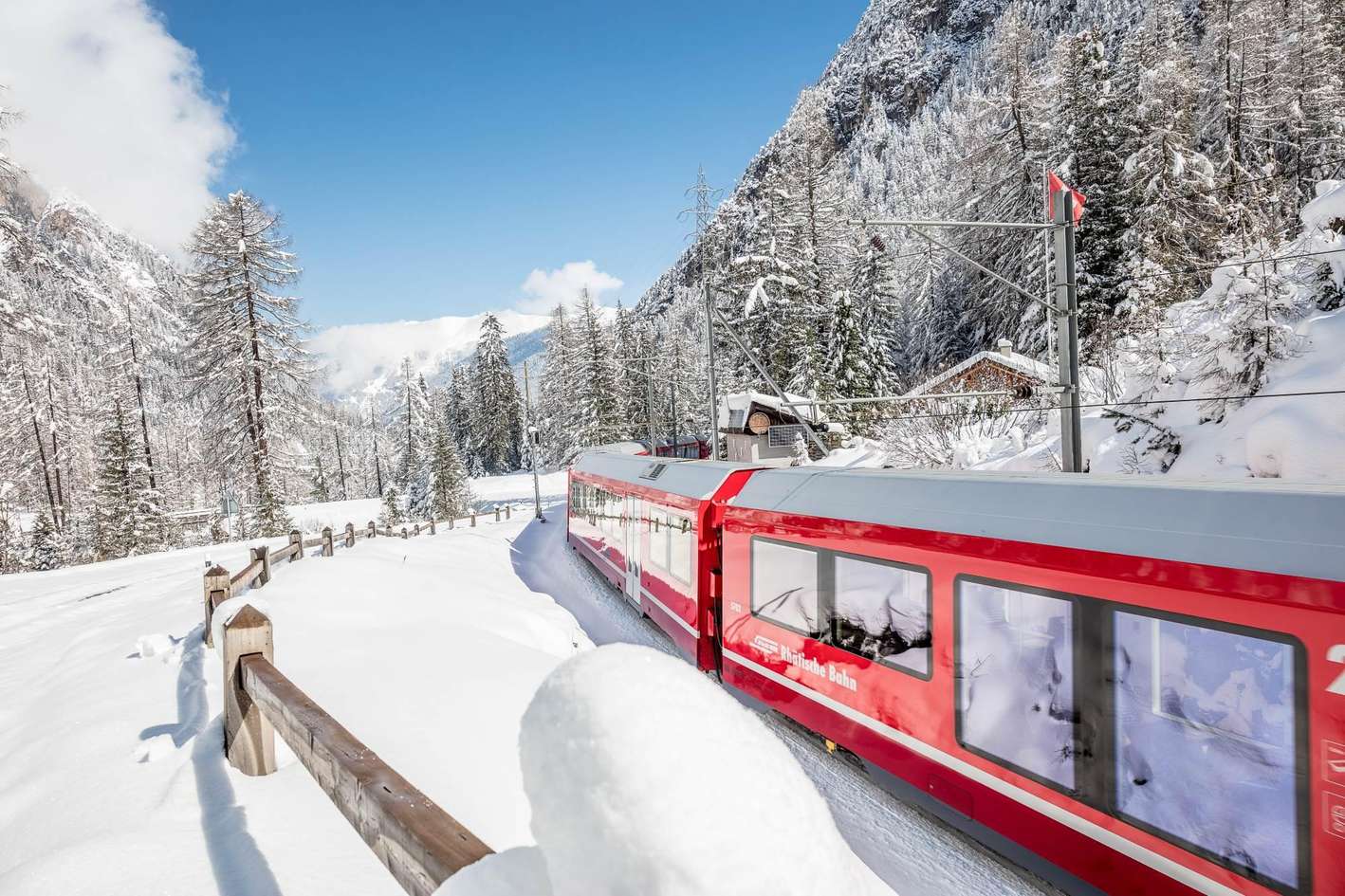
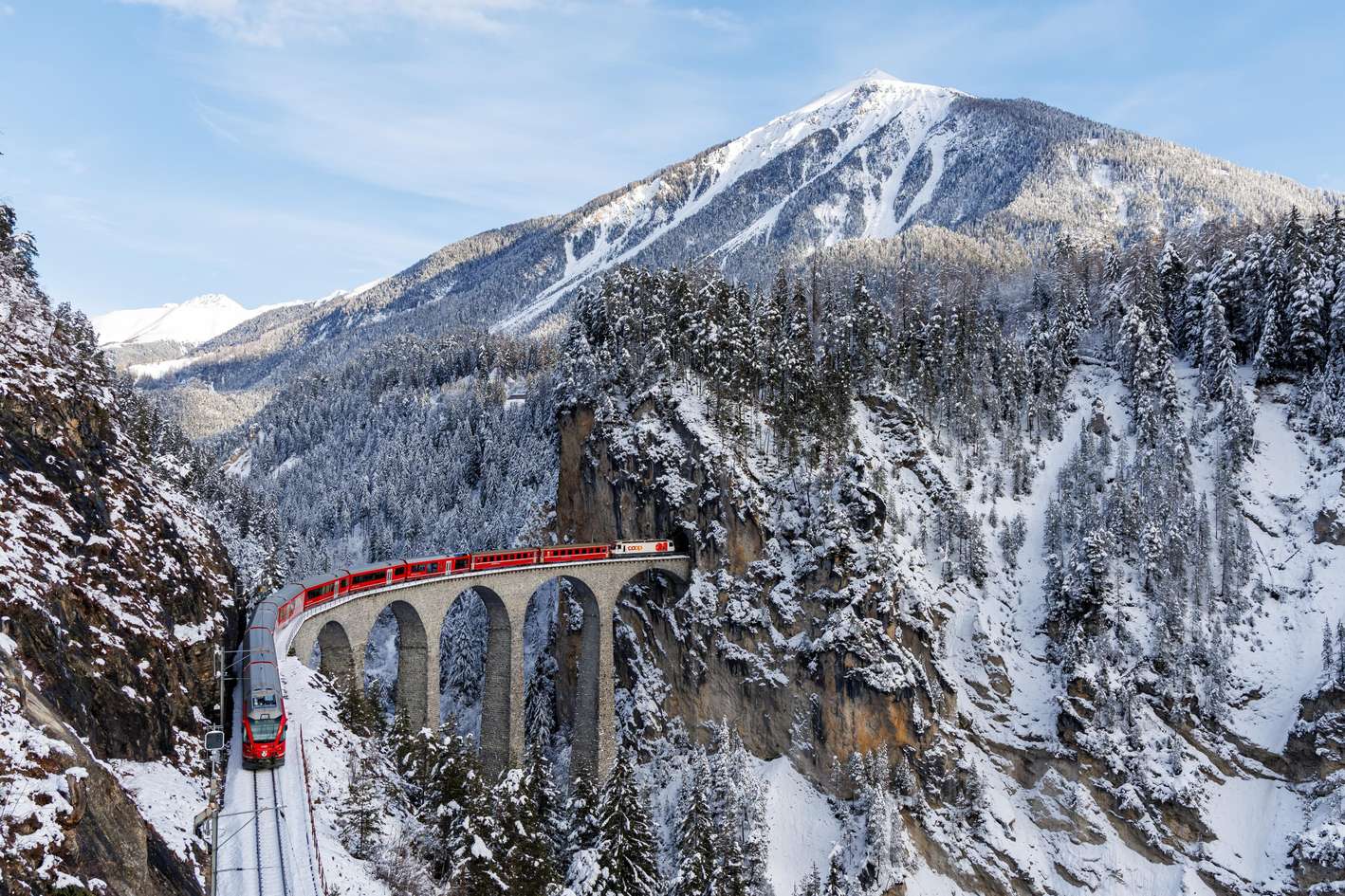
Winter runs this route at full strength. Day trips operate all winter and it is the busiest season of the year, with snow lining the tracks from the 2,250-meter pass down to St. Moritz, where cold and snow cover hold from December through March.
January is the month for it: roughly a dozen snow days at the pass and Lago Bianco frozen solid.
The trade is light. From late October to late February the sun sets between 4:36 pm in December and 5:45 pm in February, so an afternoon departure after 3:30 pm to 4 pm rides the descent through the viaducts in twilight or full dark.
Summer answers with sunsets at 8:14 pm in June, and July paints the meadows above 2,000 meters with wildflowers.
Heavy snow can disrupt the mountain line and schedules shift for safety, but closures are rare. Itineraries sometimes run in reverse when conditions demand it.
Match the crowd levels against your month before fixing a date.
January: 4 out of 5 for how busy it gets.
Tap a month to read it.
Winter months carry the heaviest traffic, November and July stay quietest, and midsummer balances both. Each way of making the trip keeps its own calendar through the year.
The calendar reads simply: January for snow, July for flowers, and any month from November through February means keeping the sightseeing before 4 pm.
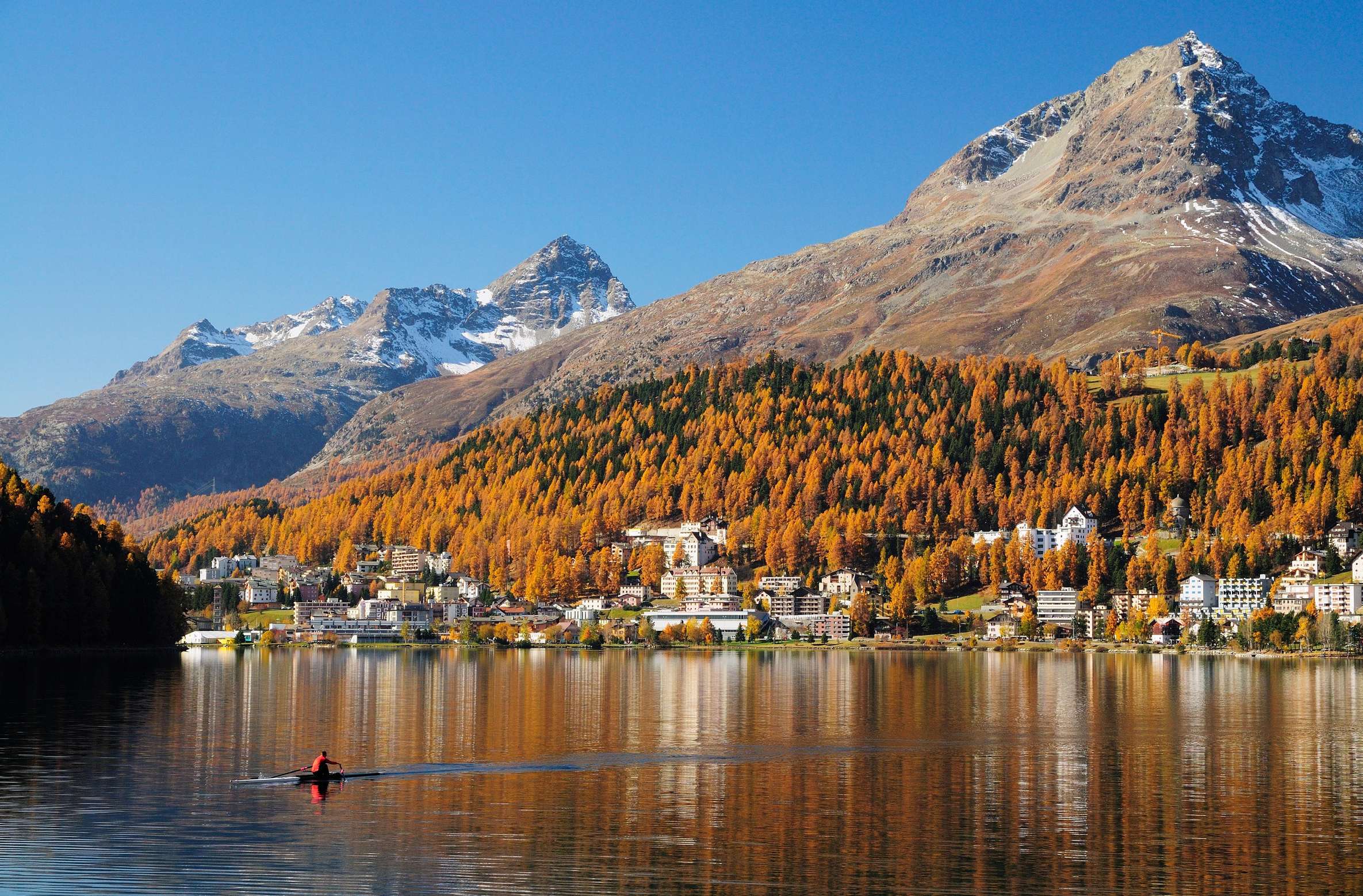
The border barely registers. Italy and Switzerland share the Schengen Area, so routine passport controls are unusual, and any inspection on the train typically happens while it is moving.
Papers still matter: EU and EFTA citizens cross on a passport or national ID card, while third-country nationals need a travel document issued within the last 10 years and valid three months beyond their departure from the Schengen area, plus any required visa. That document rule can stop the day.
Money is easier than people fear. Cards work almost everywhere, Apple Pay and Google Pay are common in St. Moritz, and many shops take euros, though change comes back in francs at a rate that favors the shop. Small family restaurants may prefer cash or Twint.
Bags have homes in both stations. Tirano has no lockers but runs a luggage counter; St. Moritz offers lockers in three sizes plus a counter during opening hours.
The crossing, all told, asks one thing of you: the right document in your pocket and a card as backup. Everything else happens while the train keeps moving.
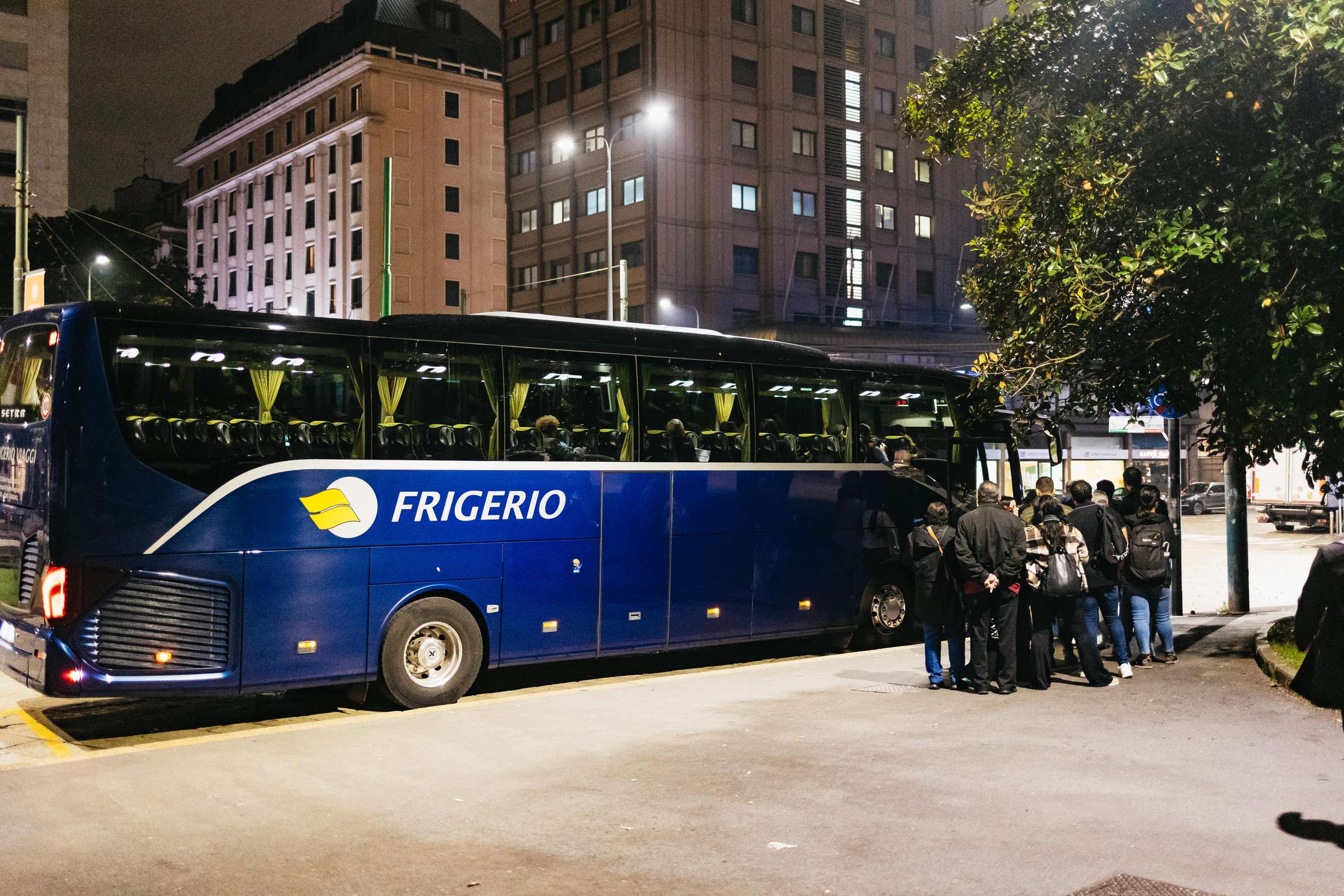
The verdict depends on what the day is for. If the train ride itself is the attraction, the independent regional route wins: point-to-point tickets, open windows, and about three hours of St. Moritz on your own clock. It suits early risers who enjoy trains and can live with 5 to 5.5 hours each way.
If the mountains are the point and the logistics are not, the guided coach-and-train tour wins. Someone else books the seat, holds the timetable and absorbs the border, at the cost of a longer day and less town time.
Whatever the return leg holds, one walk near the start of the day is easy to add on.
Those stops sit within minutes of the tour meeting points, so a museum or a lake view can round out the morning before the coach pulls out.
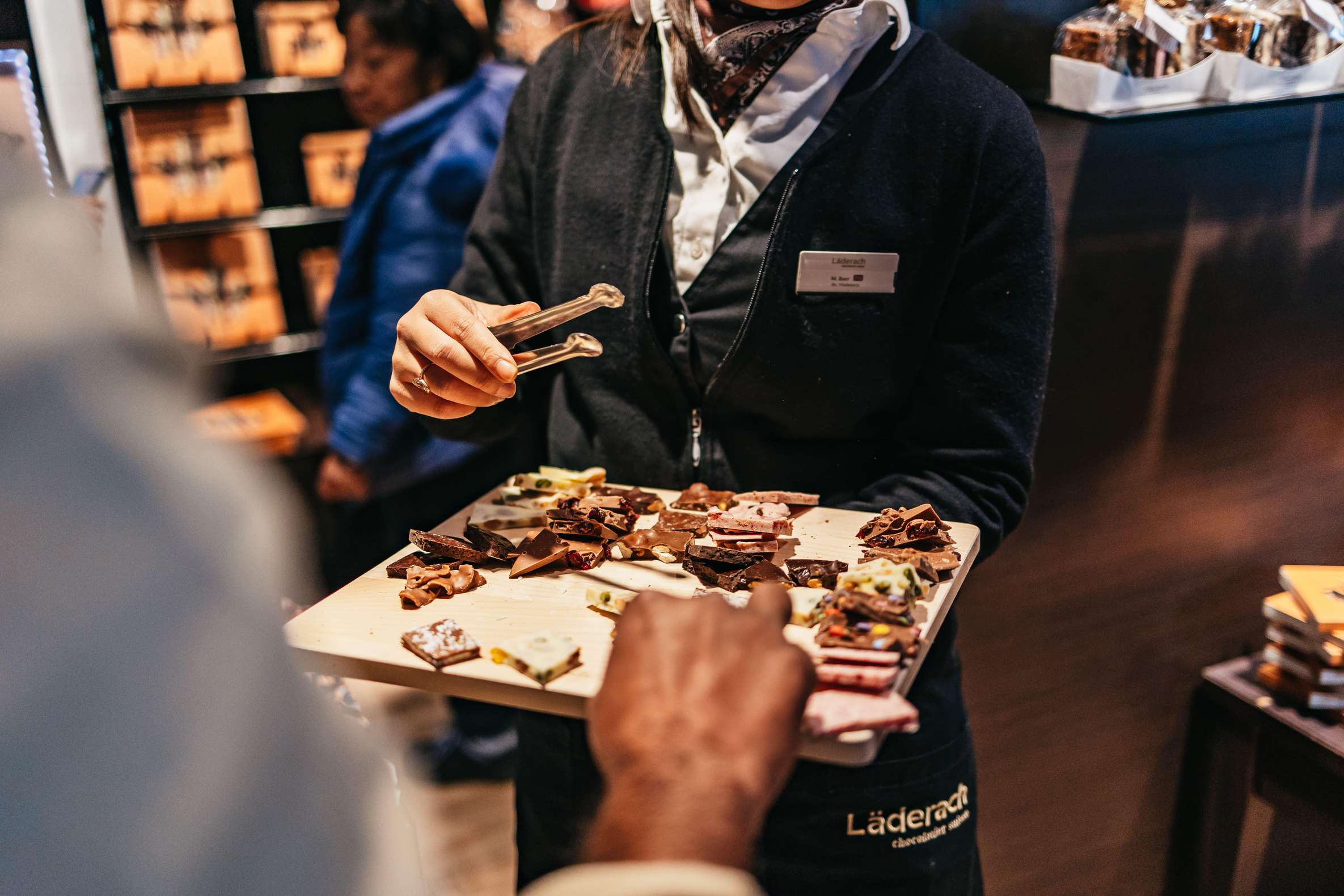
Take the guided tour if you want the day handled: the coach from Milan, the Bernina ticket, the connections and the border all booked and managed.
Take the independent train if you are an early riser who counts the ride itself as the main event and wants the extra hours in town. Both reach the same pass at 2,253 meters; the difference is who carries the timetable.
No. You ride a Trenord regional train from Milano Centrale to Tirano, walk across the square to the Rhaetian Railway station, and continue on the Bernina line. Both stations sit on the same Piazza delle Stazioni, so the change takes a couple of minutes on foot.
Count on about 5 to 5.5 hours each way. The Milan to Tirano leg takes roughly 2.5 hours, then the Bernina railway climb to St. Moritz takes another 2 hours 15 minutes to 2.5 hours, plus a short transfer buffer in Tirano.
Most of it, yes. The Milan to Tirano leg runs along Lake Como's eastern shore and through the Valtellina valley, and the drama only builds after Tirano, when the line climbs the Bernina Pass past glaciers and alpine lakes into Switzerland.
There is no high speed option. Trenord runs regional trains to Tirano, and the Swiss Bernina line is a narrow gauge mountain railway that climbs gradients up to 7% without a cogwheel. The slow pace is the point: this is one of Europe's highest railway crossings, topping out at 2,253 meters.
You buy two separate tickets: a Trenord ticket for Milan to Tirano and a Swiss ticket, priced in francs, for the Bernina leg. A panoramic Bernina Express carriage adds a mandatory seat reservation fee on top of the fare, payable for every passenger, including children. On regional trains, seat reservations are optional.
Both run the same track between St. Moritz and Tirano. The Bernina Express has panoramic carriages with windows that curve into the roof, plus Wi-Fi and onboard service, and requires a reserved seat. The regional Red Train has classic second class windows you can open, which many photographers prefer because there is no glass glare.
On your own by train, the standard timing gives you about 3.5 hours: arrive around 1:11 pm and catch the 4:48 pm train back to Tirano. Guided tours allow roughly 1.5 to 2.5 hours, sometimes less if traffic delays the coach.
Heading up from Tirano, sit on the right for the Brusio spiral viaduct and the climb to Alp Grüm, then switch to the left after the pass for Lago Bianco and the Morteratsch Glacier. Traveling downhill to Tirano, the right side covers both.
Winter is the busiest season for the route. Snow lines the tracks around the Bernina Pass from December through March, and St. Moritz sits at 1,822 meters with sub-zero temperatures. Just know the daylight: sunset falls as early as 4:36 pm in December, so afternoon return rides run partly in the dark.
Bring one. EU and EFTA citizens can use a national identity card, but travelers from most other countries need a passport issued within the last 10 years and valid for at least three months beyond their departure from the Schengen area. Routine checks are rare, and any inspection usually happens while the train is moving.
Cards work almost everywhere, and Apple Pay and Google Pay are widely used in St. Moritz. Many places accept euros but at a poor exchange rate, with change given in francs. Carry a little cash in francs for small family-run restaurants and mountain huts.
Right outside the station on Piazza delle Stazioni you will find the Bar Buffet della Stazione, Margy for coffee and panini from 7 am to 8 pm, Moroburger, and Pizzeria Leti. For a proper sit-down meal, Parravicini Restaurant and Wine Bar sits five minutes into the old town.
A guided 11-hour day with the Bernina Train ticket, an alpine walk at Alp Grüm and round-trip coach from Milan, all cancelable up to 24 hours ahead for a full refund.