 Our top pick
Milan to Zurich Luxury & Lindt Chocolate Experience
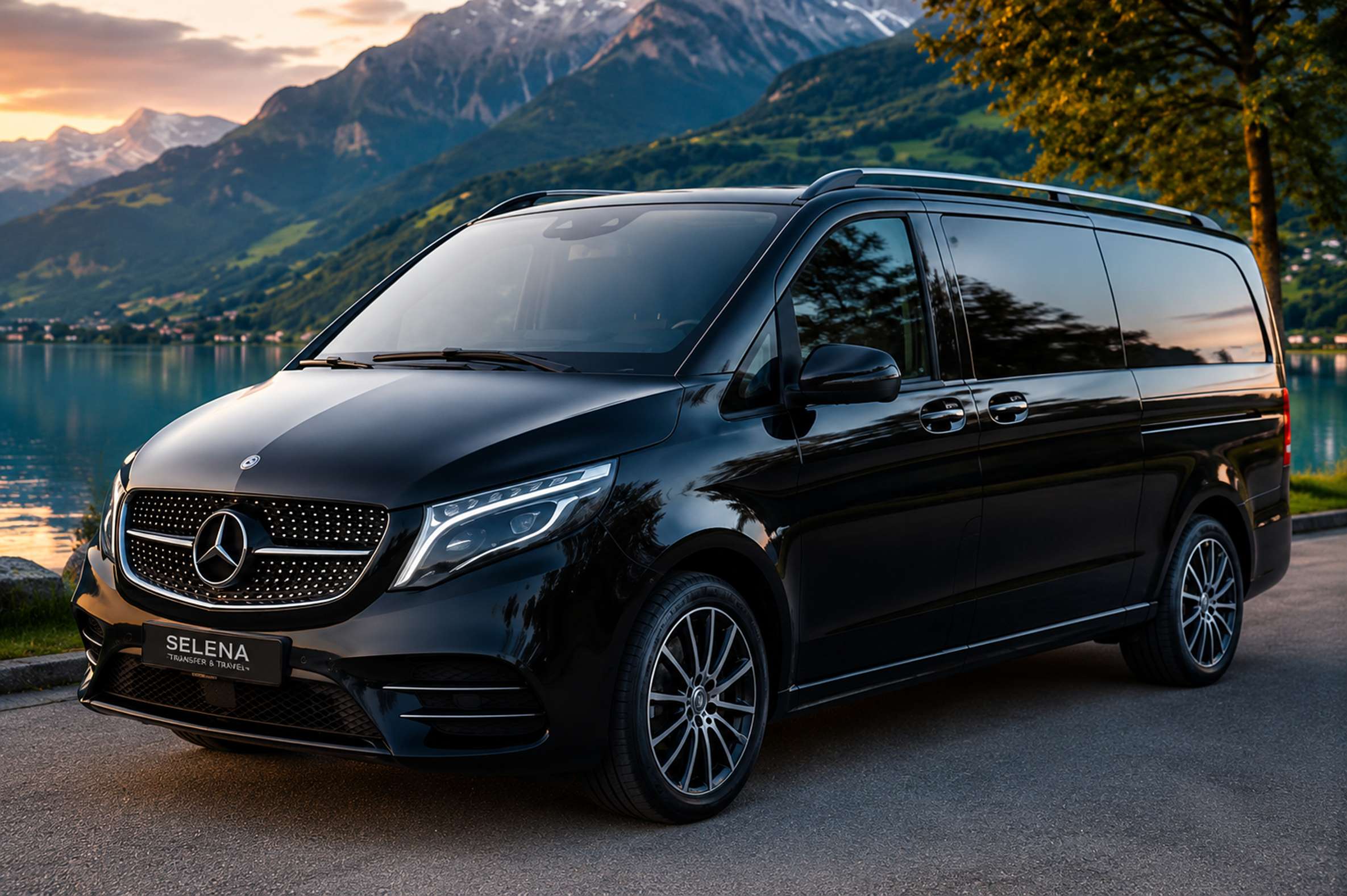
Private chauffeur-driven Mercedes vehicleScenic drive through the Swiss AlpsVisit to Lindt Home of Chocolate
From$2,215 /group
See dates and book Free cancellation · Hotel pickup
Cross the Alps and reach Zurich in a single day. Join the travelers who ride the Gotthard route and taste chocolate in Kilchberg, and go door to door from your Milan hotel in a private Mercedes, with free time in the Old Town and views of Lake Zurich.
“Really well organized day trip, we saw so much. Big thanks to our guide Lorenzo, super nice and funny, and driver Alessandro who got us safely to St. Moritz.”
No scheduled tour runs Milan to Zurich as a plain one-day city trip, so the private chauffeur-driven day below is the closest fit. Two guided alpine rail tours cover the mountain-scenery side of the journey instead.
Our top pick


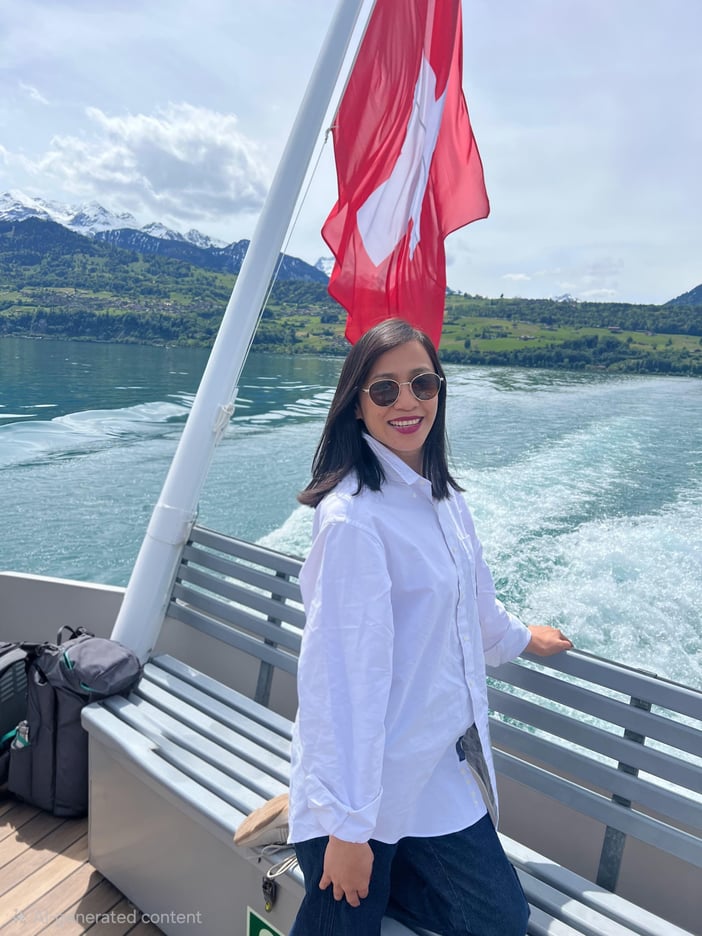
Best views of my life, like living inside a screensaver.
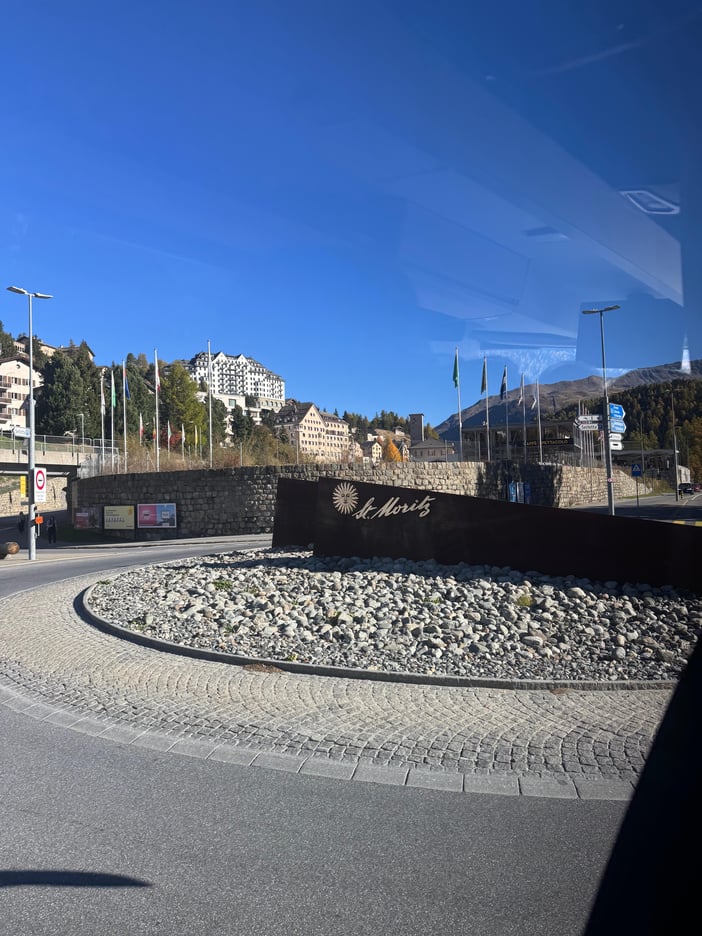
Super organized day trip with so much packed in. Thanks to our guide Lorenzo, really nice and funny, and driver Alesandro, who got us safely to St. Moritz.
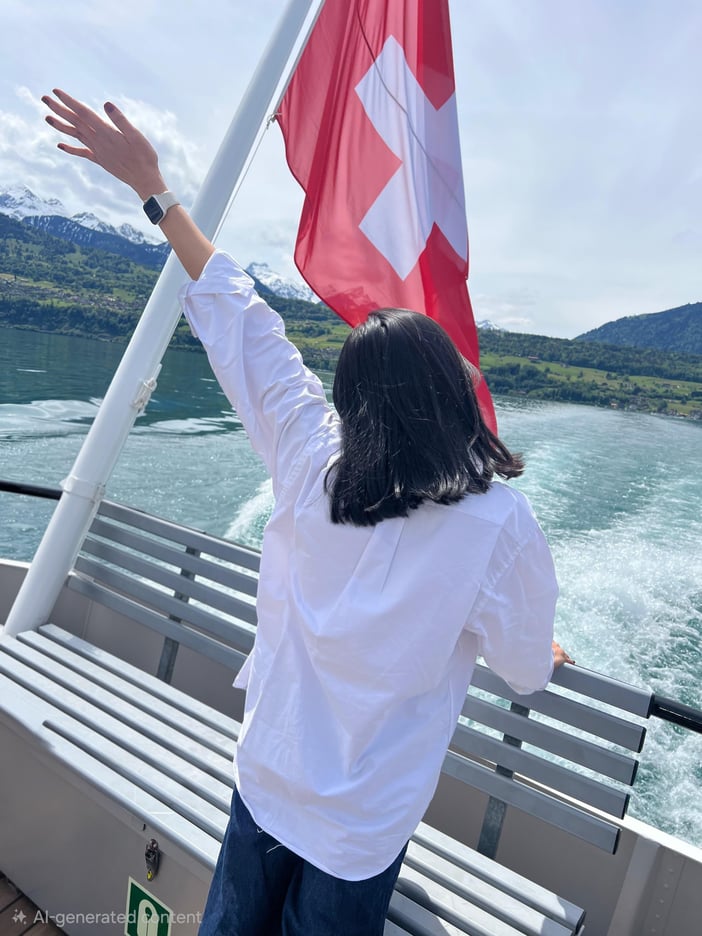
Amazing! Meeting instructions were clear, and our guide Tatiana welcomed everyone warmly. Smooth transport full of interesting facts, plus great tips, recommendations, and cultural insights. Inspiring and funny!
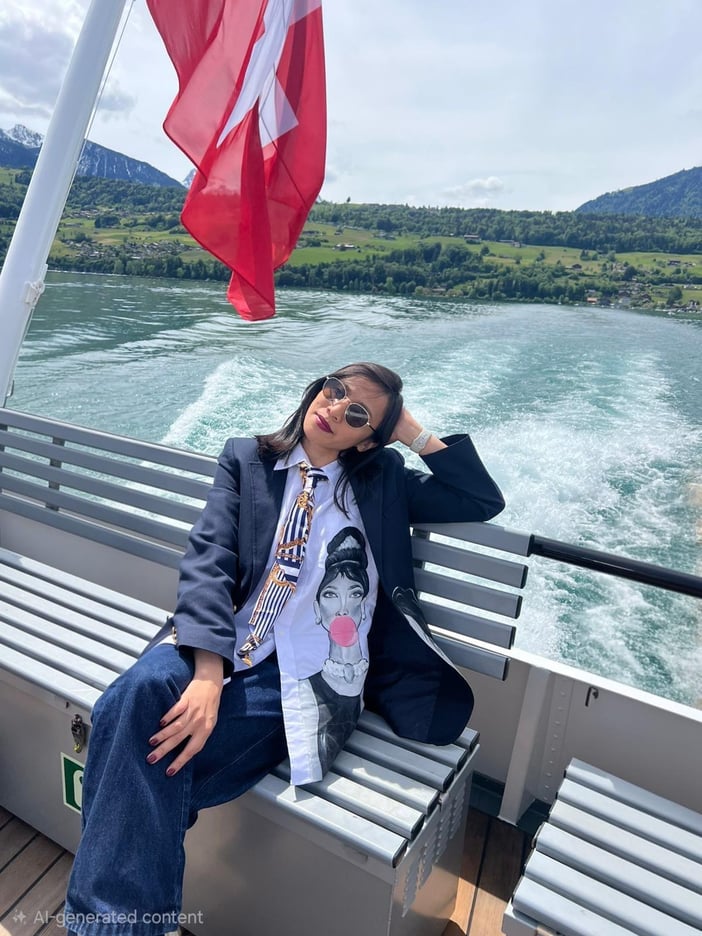
A wonderful, enjoyable day, a unique experience I'll never forget. My family and I were so happy. Our guide Florenso was wonderful, kind, and cooperative. I'll definitely repeat it!
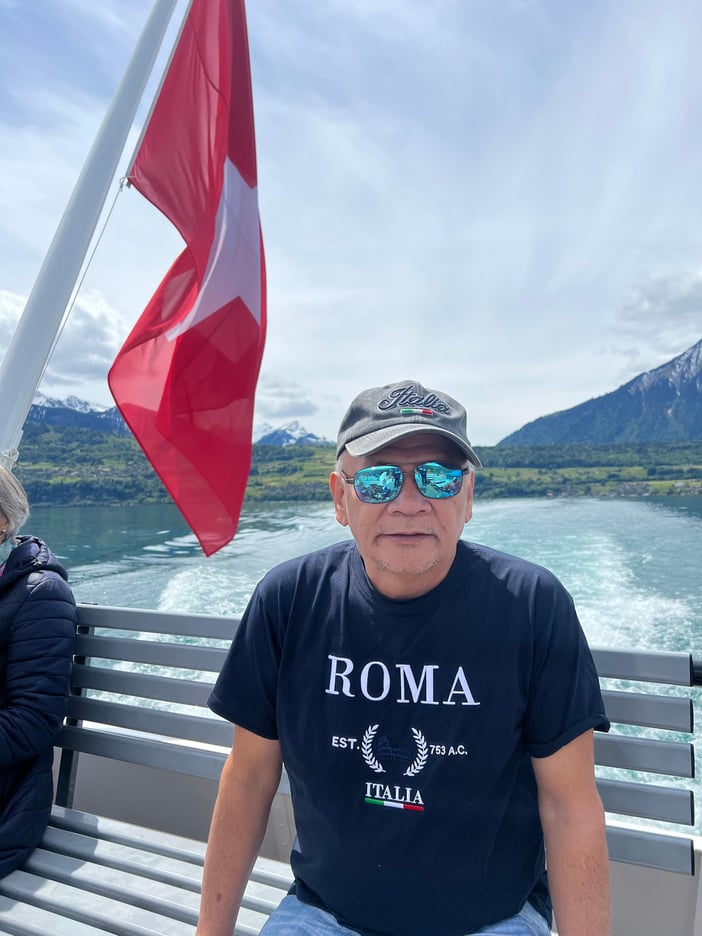
Fantastic experience. Great transport, friendly and knowledgeable guide, stunning scenery, smooth organization. A wonderful holiday addition.
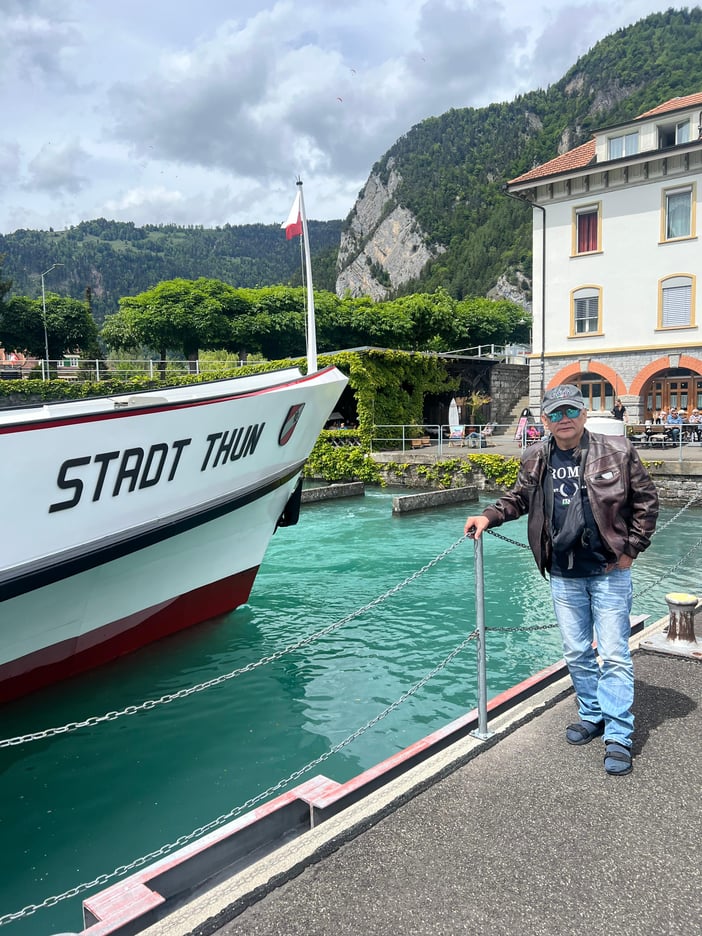
Loved the trip, very well organized and Interlaken is beautiful. Our guide Lorenzo was fantastic: knowledgeable and helpful in every way. We really enjoyed it!
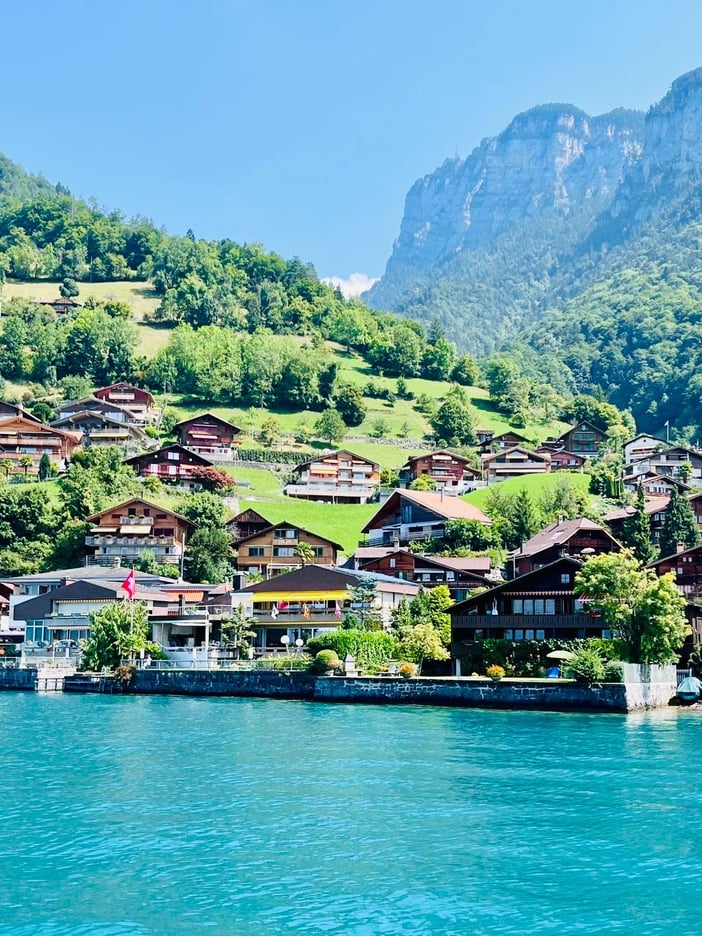
Wonderful trip and the weather was good too. Our driver Gerardo and tour guide Simone were both very helpful.
Many travelers found the friendly guide turned a long day of three transfers into an easy one.
Several travelers loved the boat ride more than the train, the part they did not expect to steal the show.
Several travelers wished they had more than two hours in the village after the long ride.
Choose a date first, because it shapes the day. In winter the direct train gives you more sightseeing hours in Zurich; on the private van tour, the Gotthard Pass road is only an option from late spring to autumn, and the driver uses the tunnel or another safe route otherwise.
On the tour list, read what each option changes. The Zurich tour is one private package with hotel pickup; the St. Moritz and Interlaken trips vary by train route and departure station, so match the option to whether you want the city or the mountains as your destination.
After payment, a confirmation arrives with the meeting point, start time and the operator's contact details. Read it the same day: departure points sit within a few blocks of each other near Milano Centrale, and the exact corner differs from tour to tour.
Arrive early enough to find your coach among the morning crowds. Tour operators ask for 15 to 20 minutes before departure depending on the tour. Tour coaches stand apart from the airport buses, so follow your confirmation instead of joining the airport queue.
Pack your passport or ID card the evening before. Switzerland is outside the EU customs union, and joint Italian-Swiss patrols can inspect passengers while the train is moving or at the station. On guided tours, a valid passport is required on the day of travel.
Zurich sits about 300 km north of Milan, on the far side of the Alps. The direct EuroCity train covers the distance in 3 hours and 17 minutes each way through the Gotthard Base Tunnel, which leaves you 6 to 7 hours in the city if you catch an early departure.
What decides the way is speed against scenery. The fast train runs most of its alpine crossing underground; the Treno Gottardo mountain line adds roughly 1.5 hours but climbs the old Gotthard route in the open air, past the Reuss Valley and snow-dusted peaks.
By road the drive takes 3.5 to 4 hours without traffic, and summer weekend queues at the Gotthard Road Tunnel can add hours. A private tour takes over the driving and adds a stop at the Lindt Home of Chocolate. Whichever way you go, carry a valid passport, because border checks do happen.
Milan
Break time, Photo stop, Visit, Guided tour, Free time, Shopping, Sightseeing, Walk, Class (3.5 hours)
Milan
Centrale Fs
Hop-on Hop-off stop (25 minutes)
Photo stop, Visit, Guided tour, Free time, Shopping (3 hours)
Centrale Fs
A day trip to Zurich crosses a border, and third-country nationals must carry a travel document issued within the last 10 years and valid for three months beyond their departure from the Schengen area.
EU and EFTA citizens only need a valid passport or national identity card. If you need a visa for the Schengen area, carry a valid category C or D visa or a Schengen residence permit alongside your passport, and check your document dates before the day of travel.
Zurich sits only three hours from Milan by rail, and five ways of making the trip all work on paper.
The direct EuroCity train takes 3 hours 17 minutes each way, driving covers 294 km in 3.5 to 4 hours without traffic, a long-distance bus needs 3 hours 35 minutes to 4 hours 15 minutes, and a private guided van runs 4 hours with hotel pickup.
The direct train is the fastest, and it is the only one that lands you straight in the city centre without a transfer or a parking search.
Each way trades time differently. The scenic routes add hours, the car buys freedom but the Gotthard tunnel can eat a weekend, and the van buys comfort at the cost of the train window.
What matters is the total: a day trip that spends 7 or 8 hours in transit leaves less Zurich than the numbers suggest, and only some of these options still leave enough.
Total 6 hours 34 minutes of train time, split over two legs that feel nothing alike. Board the EuroCity at Milano Centrale and the first hour plays out along Lombardy's water: Como and the Ticino valleys, then the approach to the Swiss border via Chiasso and Lugano.
Twenty minutes inside the Gotthard Base Tunnel, 57 kilometers long, deliver the Alps in the only way this route does: in the dark.
Outside the tunnel, Swiss meadows, mountains, and Lake Lugano appear; the approach to the north side of the tunnel offers views of lakes with mountain ranges drawing closer. Beyond the tunnel, Lake Lucerne and the Zugersee slide past before the train reaches Zürich HB.
On the northbound train, the right side provides views across the water once the train has crossed Lake Lugano and runs along its western shore; Lake Lugano shows best from the left side.
The table below pulls the numbers together, so you can see the total before you plan the hours.
The total is the number that matters: 6 hours 34 minutes of train time leaves you 6 to 7 hours in Zurich on the direct trains, and every extra hour of transit eats one of those.
Standard cross-border EuroCity tickets between Milan and Switzerland are tied to a specific train and require a seat reservation. Valid only for the booked date and departure. Hoping to hop off in Lugano or Bellinzona means buying separate tickets for each leg.
Lugano is the closest Swiss city to Milan, and a convenient half-day stop with frequent trains continuing north. Bellinzona's three UNESCO-listed medieval castles can be seen directly from the train.
The timeline below shows how a day with a Lugano stopover unfolds.
direct service, no changes
lakeside lunch, a promenade, a quick look at the lake
separate ticket for each leg
two to three hours of sightseeing left
books the whole day
The timeline is the shape of a day that splits itself; the hop-off costs separate tickets, and the split is a shorter afternoon in Zurich.
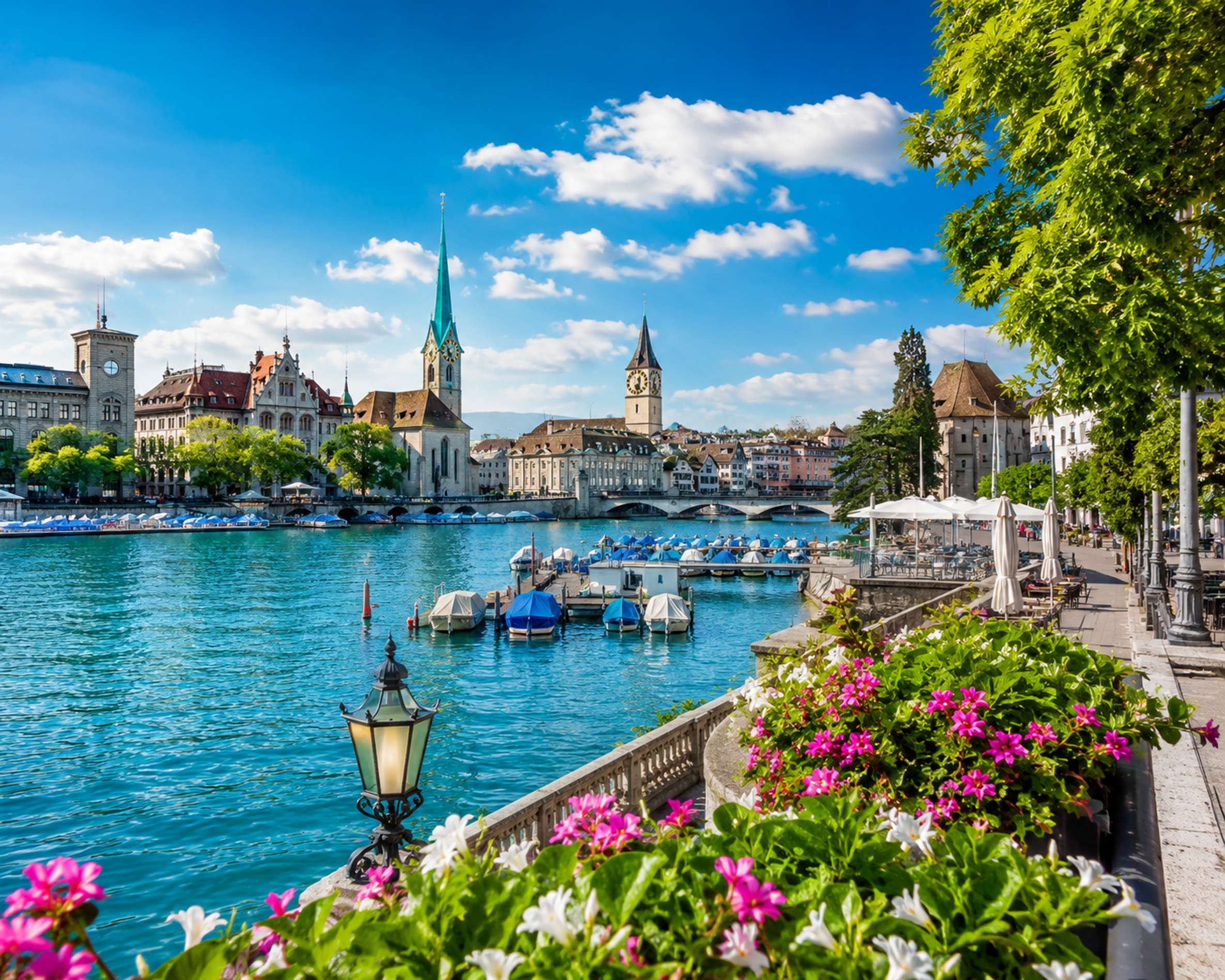
Traveling between Milan and Zurich via the historic Gotthard mountain panorama line takes about 4.5 to 5 hours, roughly 4 hours 50 minutes. The regional Treno Gottardo runs between Locarno and Zurich, 3 hours 19 minutes to 3 hours 22 minutes over the historic mountain line.
Connecting from Milan at Bellinzona adds a regional transfer and about 1.5 hours compared to the 3 hours 17 minutes of the direct EuroCity. Between Amsteg-Silenen and Gurtnellen, the route crosses the Chärstelenbach Bridge and the Intschireuss Bridge.
Loop tunnels in the Biaschina give views of the River Ticino ravine and a motorway viaduct between Lavorgo and Giornico. The line winds up through the Reuss Valley to the tunnel entrance at Göschenen.
Bellinzona's three 15th-century castles (Castelgrande, Montebello, Sasso Corbaro) form a UNESCO World Heritage site. In winter (November to January), Zurich receives only 8 hours 32 minutes to 9 hours 20 minutes of daylight, which makes the slower route a real gamble on a day trip.
The table below puts the three options side by side, so you can weigh the extra hour against the views.
The scenic line is the one that pays off in summer, when the daylight is long; in winter it costs the mountain views for the sake of a dark afternoon. Crowds change the math too, and the months below show when the trains are busiest.
January: 4 out of 5 for how busy it gets.
Tap a month to read it.
July and November are the quiet months here, and January and December are the busiest, so the scenic seats in the winter months need early booking.
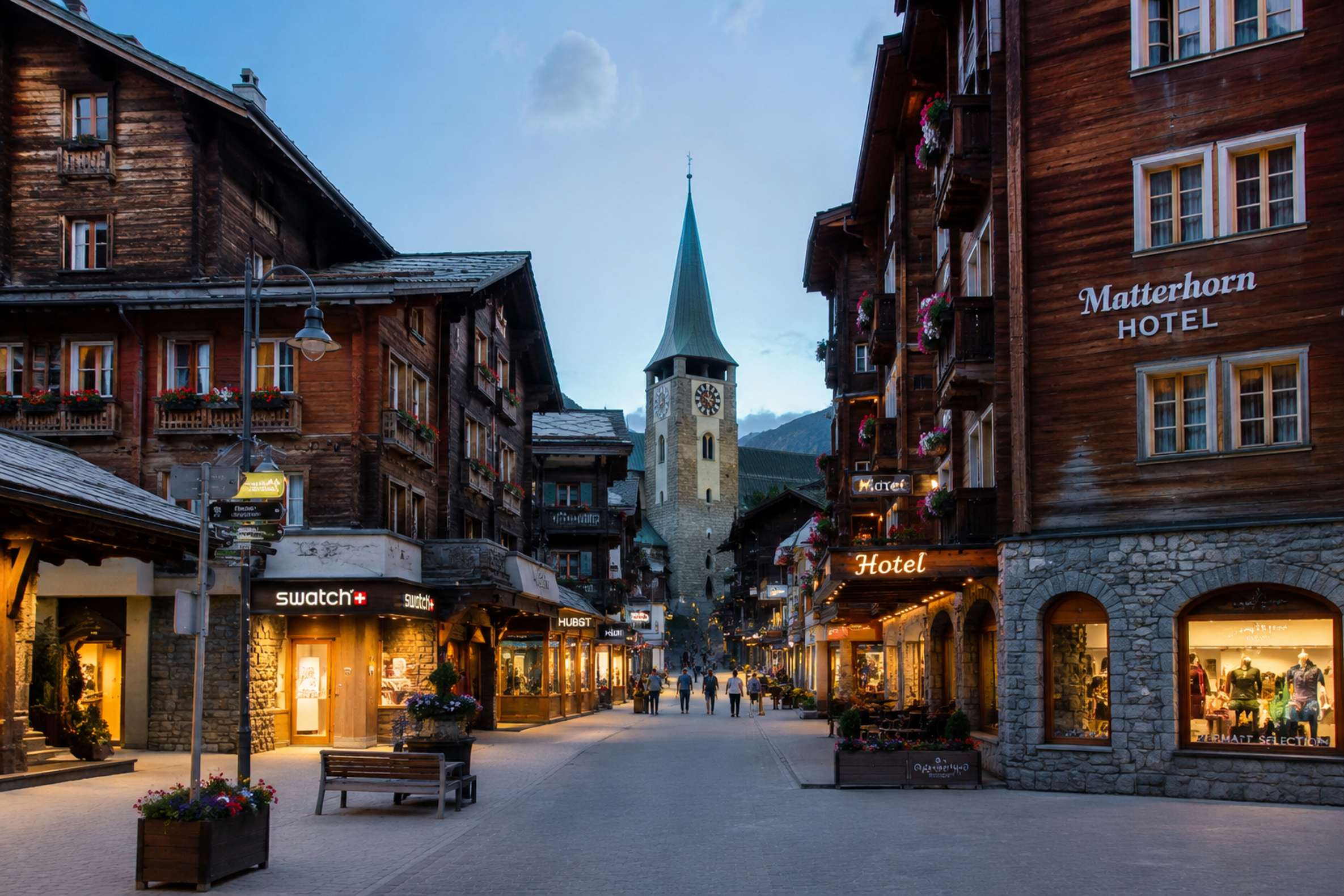
There is no direct Bernina Express train connecting Milan and Zurich; the service runs between Tirano and St. Moritz or Chur. Stitching the Bernina line into a Milan to Zurich trip means about 10 hours one way.
Direct Trenord regional trains run from Milano Centrale to Tirano in approximately 2.5 hours. The transfer at Tirano is on foot: both stations sit on the same square, a few meters apart, the Rhaetian Railway building to the left when exiting the Trenord station.
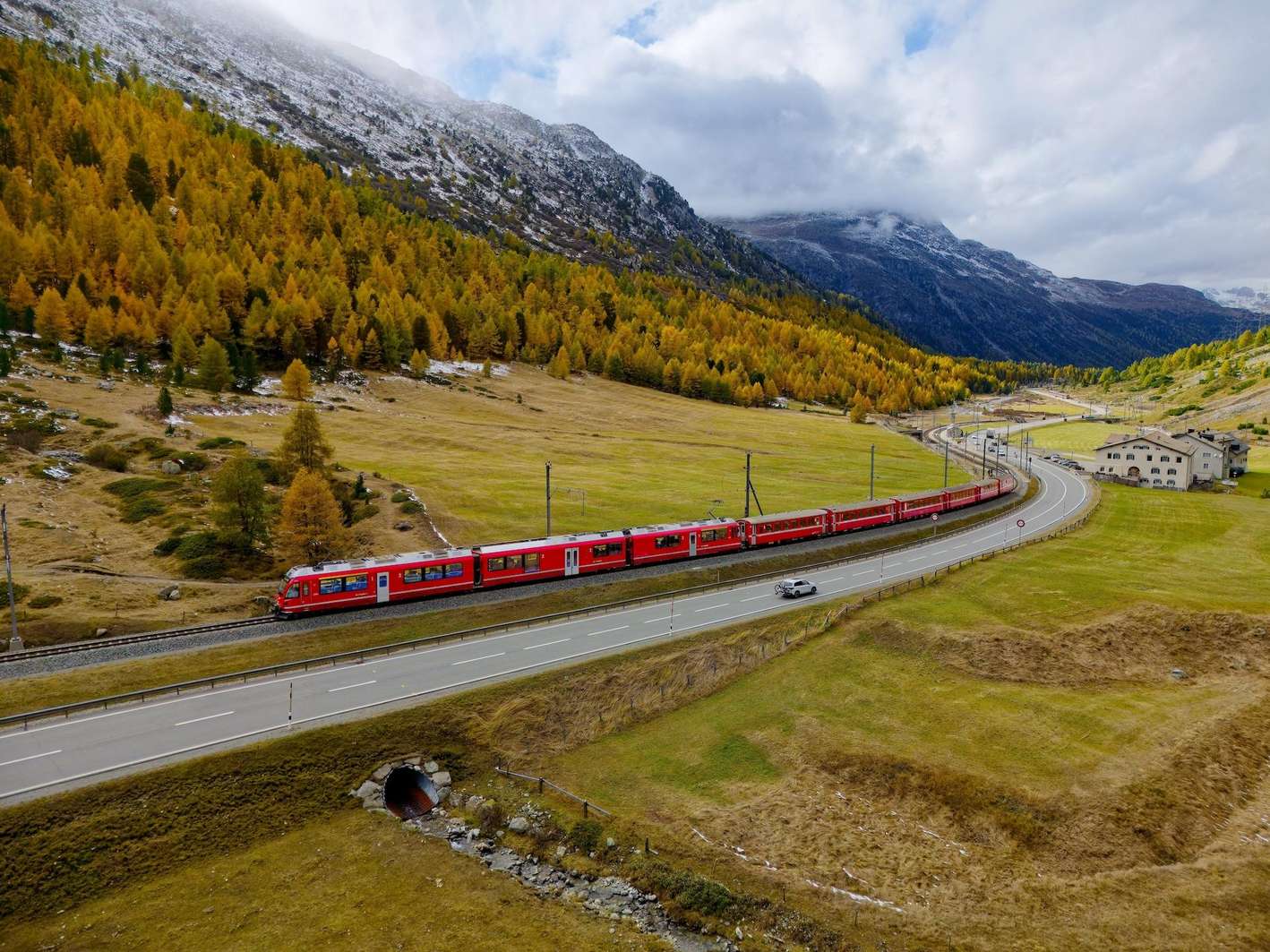
From there, the Bernina line crosses 55 tunnels and 196 bridges, passes the circular Brusio viaduct, climbs to 2,253 meters at Ospizio Bernina, and runs past Lake Bianco and the Morteratsch Glacier before the train reaches St. Moritz after about 2.5 hours.
Direct trains from Chur to Zurich take around 1 hour 15 minutes. Panoramic carriages need a mandatory seat reservation, and seats sell out four to six weeks before peak summer and ski dates.
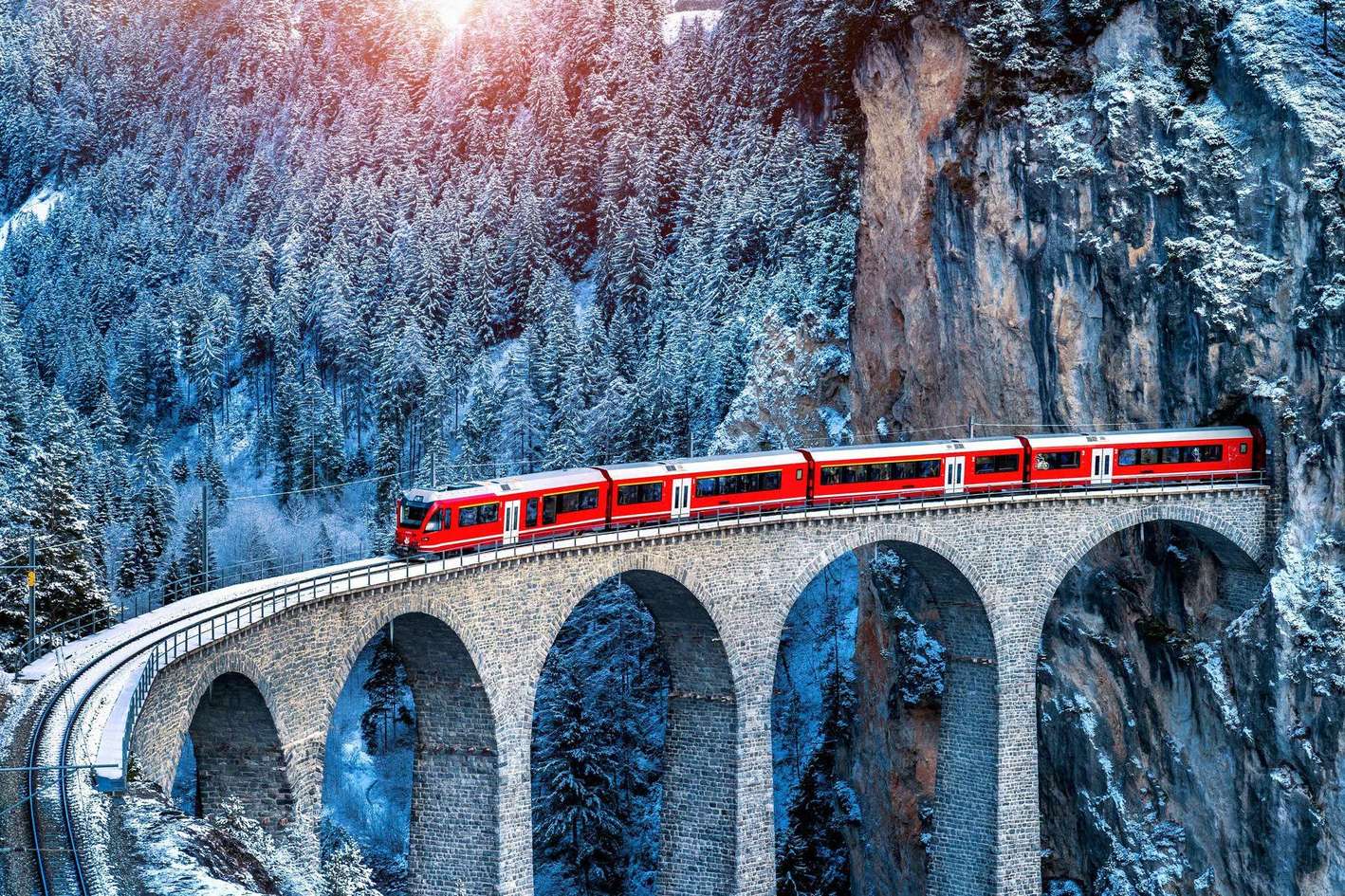
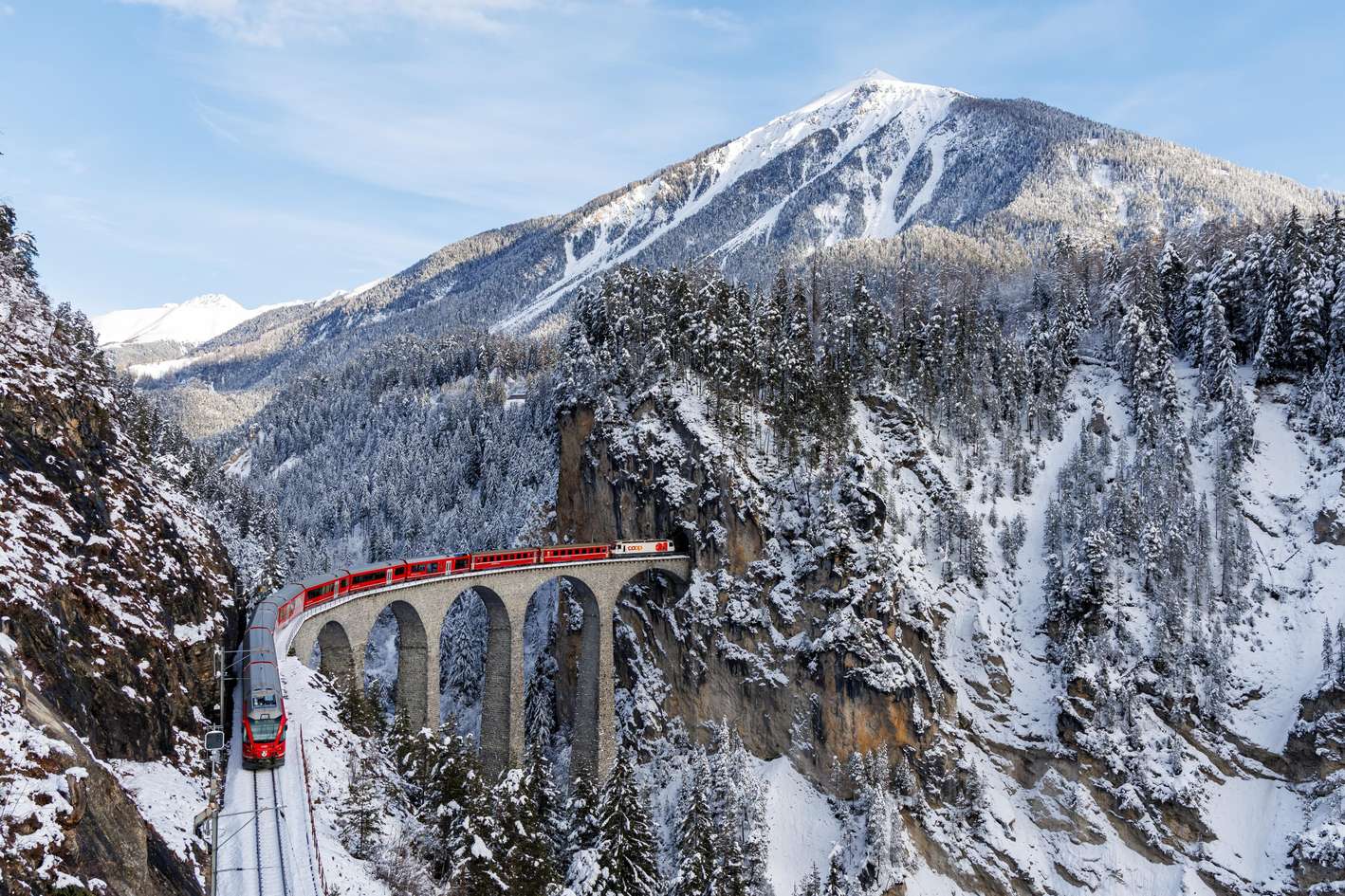
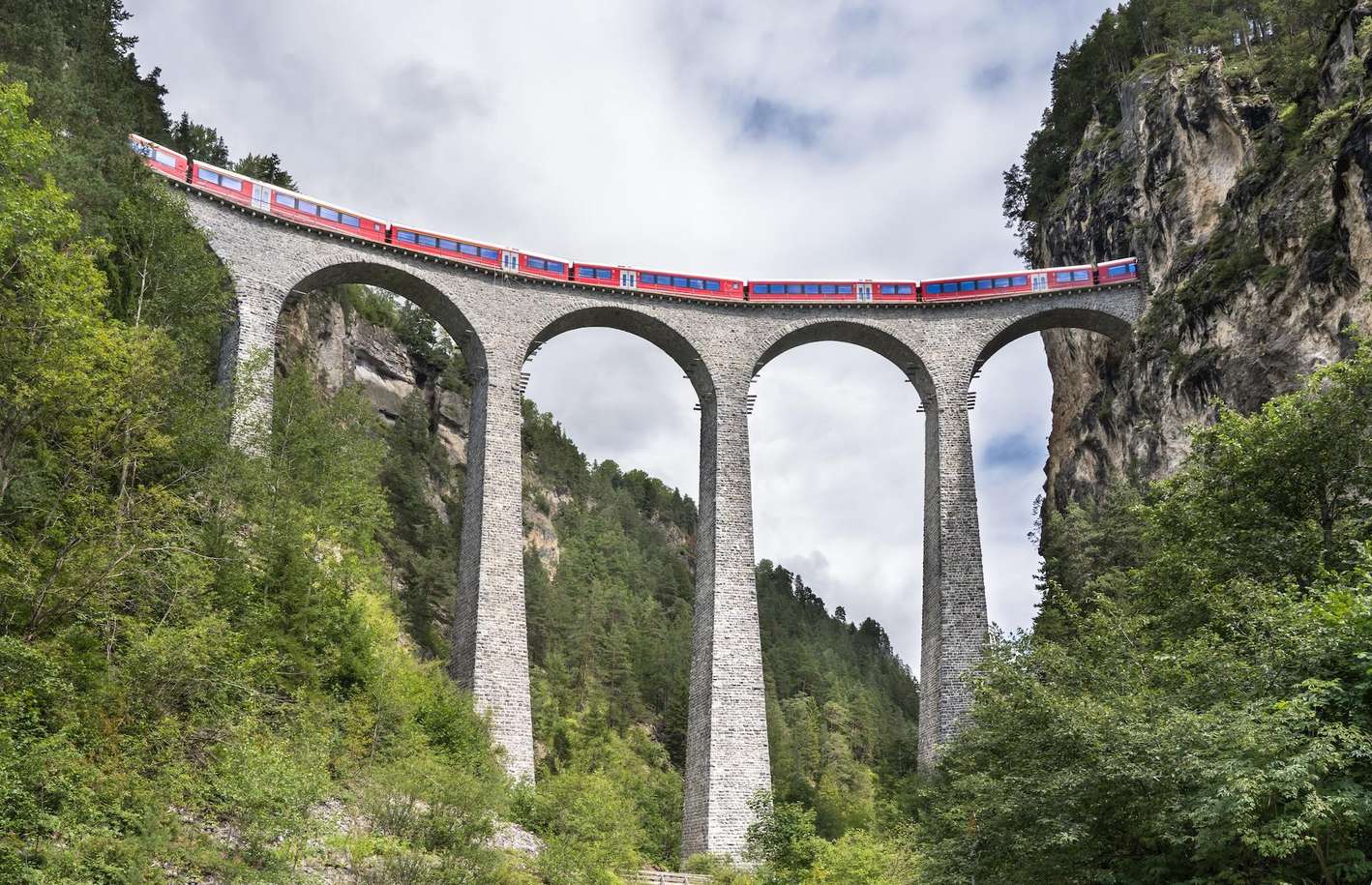
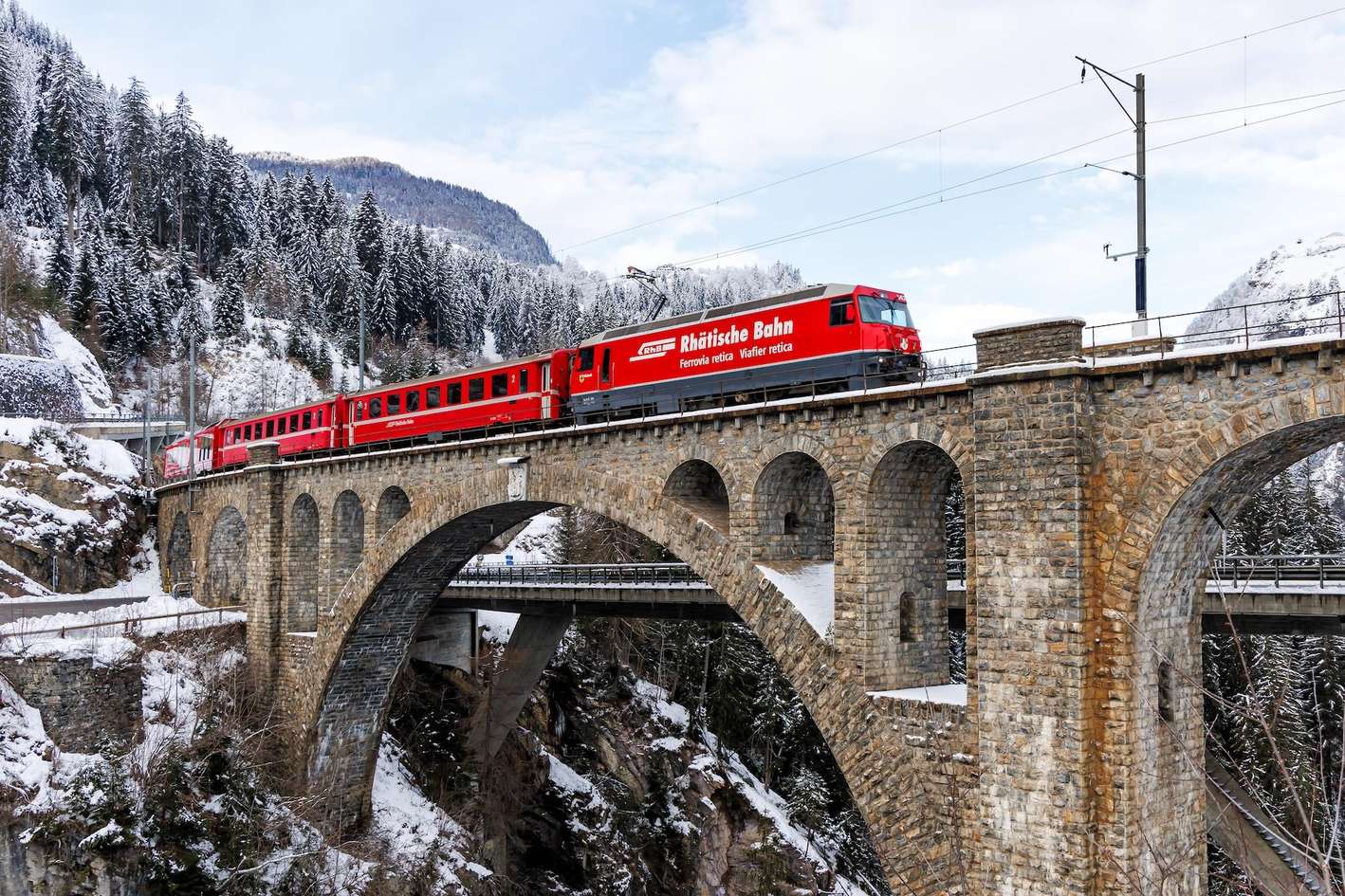
The tour 'Milan to Swiss Alps: St. Moritz & Iconic Albula Red Train' gives you the same UNESCO-listed Albula Line in 11 hours, with the Landwasser Viaduct and the Solis Viaduct from the train.
Two details catch first-timers on this route, and both are worth knowing before you plan the day.
It sells out four to six weeks before peak summer and ski dates
Trenord and the Bernina railway run from separate buildings on the same square, a few meters apart
Neither detail kills the idea, but both shape it. The seat reservation decides how early you book, and the Tirano walk decides how tight your connection can be. The tour above takes the same UNESCO railway with the transfer handled, so the marathon stays off your hands.
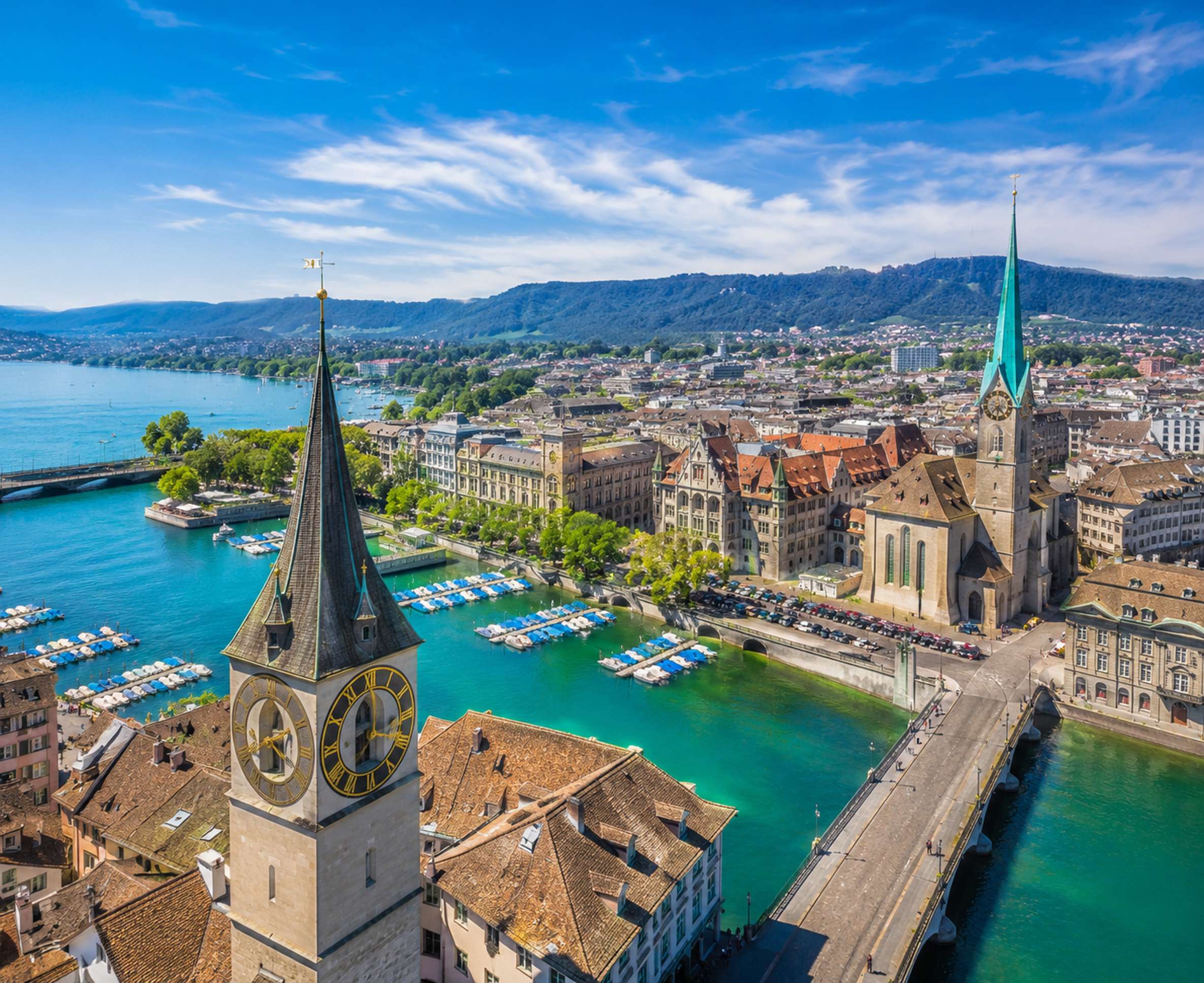
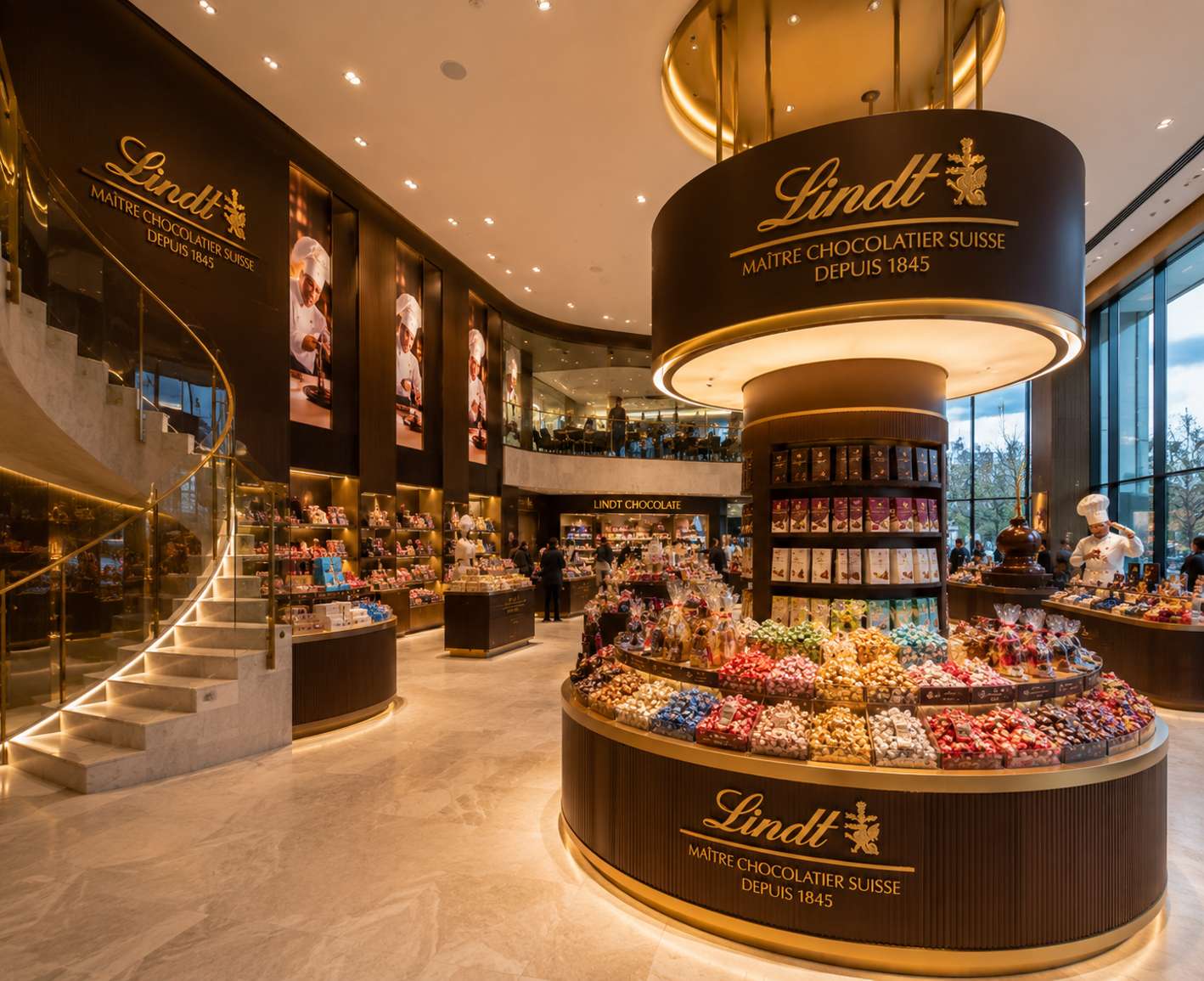
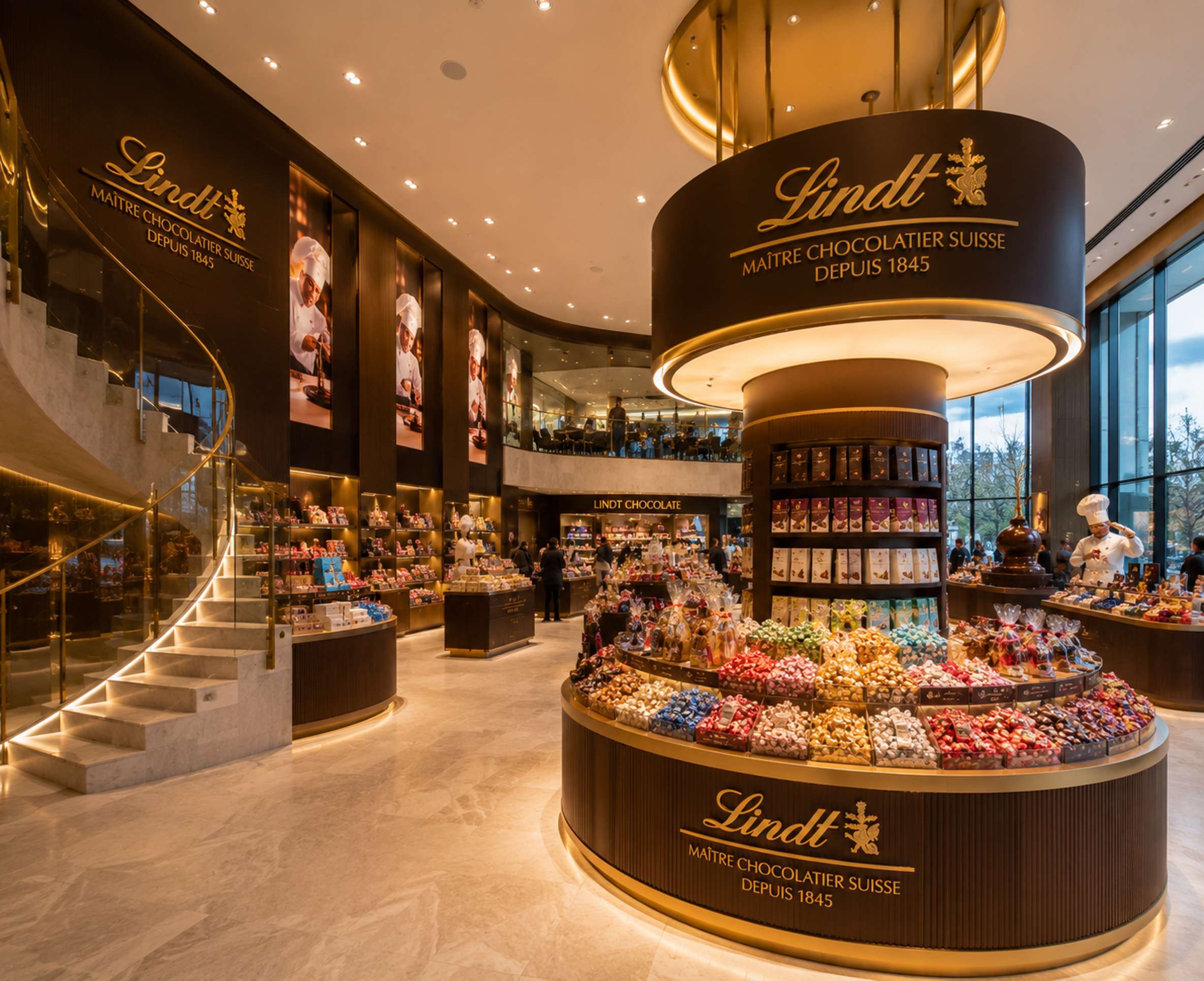
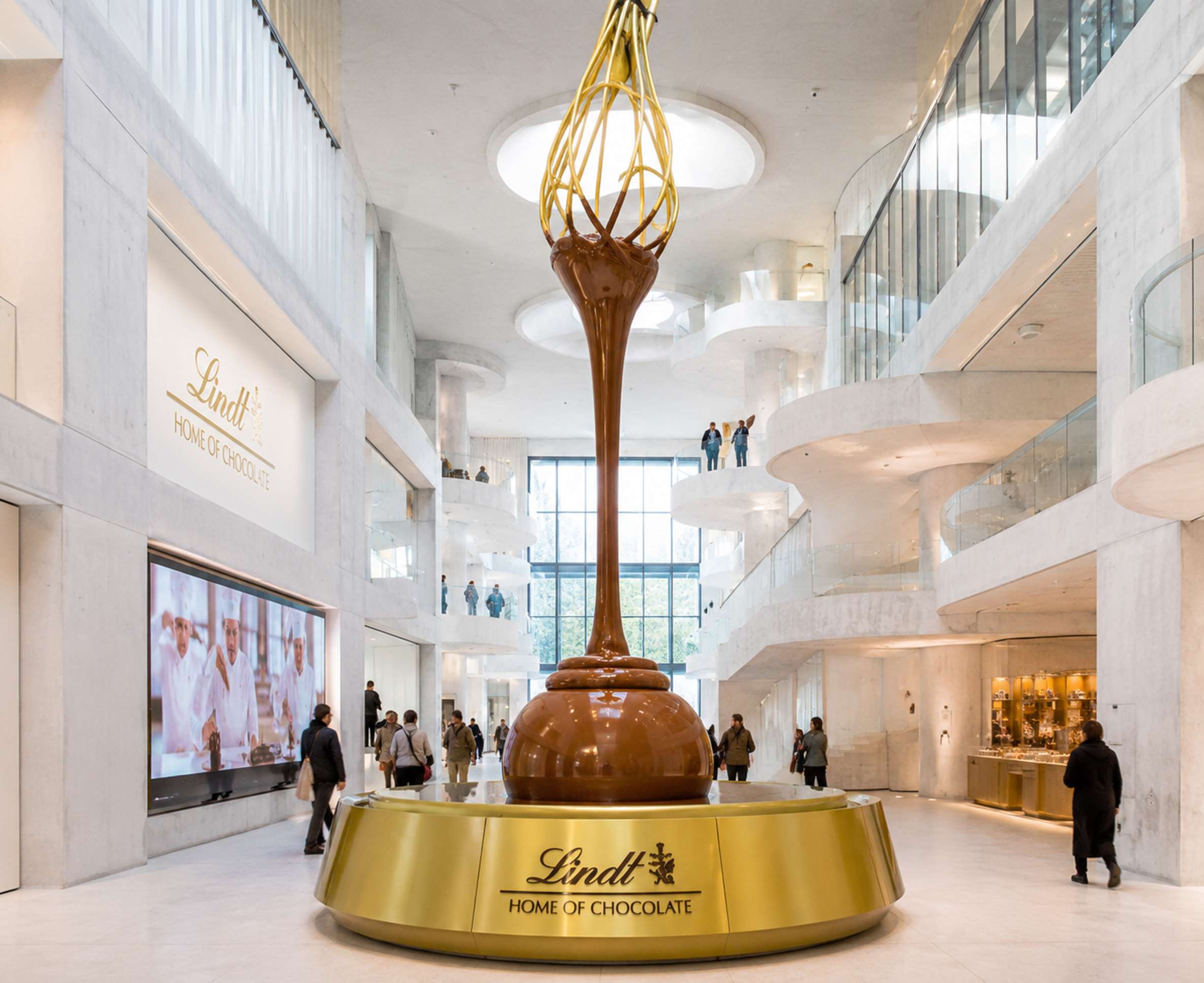
A 10-hour private chauffeur-driven day tour provides round-trip travel between Milan and Zurich, including free time in Zurich's Old Town, a visit to the Lindt Home of Chocolate, and panoramic views of Lake Zurich.
The 10 hours is the advertised total, and the same operator's schedule adds up to a bit more: a 4-hour van transfer each way plus 3.5 hours in Zurich comes to about 11.5 hours, and traffic decides which of the two the day actually runs.
Driving between the two cities covers 294.8 km and takes 232 minutes without traffic. Traffic, weather and road closures can change the route, the stops and the timing on the day.
The historic Gotthard Pass is a seasonal mountain road, generally open from late spring to autumn, subject to weather and official road conditions; when the pass is closed or conditions make it unsuitable, the journey continues via the Gotthard Road Tunnel or another safe alternative route.
The tour 'Milan to Zurich Luxury & Lindt Chocolate Experience' runs this exact route, with hotel pickup from your accommodation, airport, or another agreed location in Milan.
The table rounds the distance each way to 280 km; the measured drive is 294.8 km, and the difference is the route the van takes. What the table leaves out is the chocolate stop and the pickup, so a full day out of Milan runs longer than the transit alone.
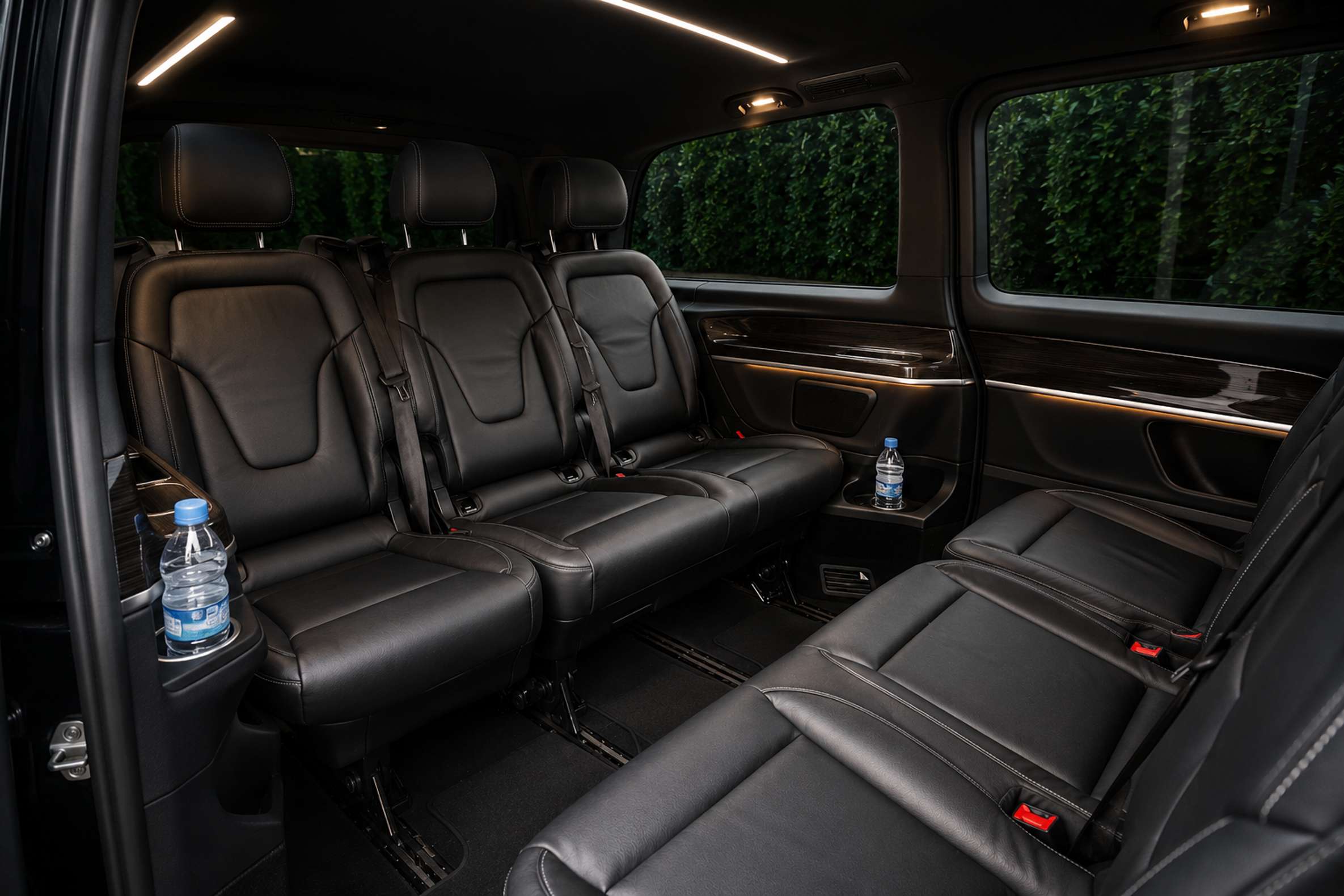
Driving the approximately 294 km from Milan to Zurich via the A2 motorway and Gotthard Road Tunnel takes about 3.5 to 4 hours (231 minutes) without traffic.
During peak summer weekends and major holidays, delays at the tunnel typically add 1 to 3 hours, pushing the total to roughly 5 to 7 hours, with extreme holiday bottlenecks stretching travel time up to 8 hours.
Using Swiss motorways requires an annual motorway vignette; Switzerland does not offer short-term vignettes such as daily, weekly, or monthly options. The vignette is available as a physical sticker affixed to the inside of the windscreen or as an electronic e-vignette registered to the vehicle's licence plate.
With the e-vignette on your plate, the A2 is the only thing between you and the tunnel, and the tunnel is the only thing that decides how long the drive really takes.
EU and EFTA citizens need a valid passport or national identity card to enter Switzerland. Third-country nationals need a travel document issued within the last 10 years and valid for at least three months beyond the intended departure date from the Schengen area, plus a valid Schengen visa or residence permit.
Joint Italian-Swiss border patrols inspect automobile and rail traffic; passenger train checks can be carried out while the train is in motion or statically at stations. Credit cards and debit cards are accepted almost everywhere in Switzerland.
Many stores and restaurants in Zurich accept the euro, but change comes back in Swiss francs at an unfavorable exchange rate. Zurich Main Station has lockers one level down from the main concourse, handy if you pick up shopping along Bahnhofstrasse.
Third-country nationals need a travel document issued within the last ten years and valid three months beyond departure, plus a valid Schengen visa or residence permit Sort it before booking, so the border never sees it
Two figures describe the same day, and it helps to know what each one counts. The 8 to 12 hours of free time is the whole window between arriving and the last return train, and it applies to the direct EuroCity trains that leave early and return late.
The 6 to 7 hours of sightseeing in the table below is what a day built on the direct trains (7:10 am out, 7:33 pm back) leaves once the round trip of 6 hours 34 minutes is taken out.
The Old Town extends across both banks of the Limmat river between the station and the lake, with most streets in compact pedestrian-only zones that allow a complete loop on foot in one to two hours.
The Lindenhof viewpoint is 11 minutes' walk (0.8 km) from the station; Bürkliplatz on the lake shore is 19 minutes (1.6 km). From the Bürkliterrasse by the Ganymede statue, visitors can see as far as the Swiss Alps. The list below collects the sights within a short walk of the platforms.
The walk list above is enough to fill the day; the Sunday rules below are the ones that decide how you spend it.
On Sundays, ordinary retail stores, department stores, and supermarkets in downtown Zurich are closed by law; restaurants, cafés, and bars operate normally, and around 180 shops stay open daily at Zurich Hauptbahnhof (ShopVille).
During extended maintenance intervals in the Gotthard Base Tunnel, passenger traffic is rerouted over the Gotthard Panorama Route, adding about one hour; some individual EuroCity and InterCity trains are cancelled outright.
Under the Agreement on Journey Continuation, passengers who miss a connection on an international train journey because their earlier train was delayed can catch the next available train at no extra cost, provided they allowed sufficient transfer time when booking.
Trenitalia and Swiss operators BLS and SBB-CFF-FFS participate. Delays of 60 minutes or longer entitle travelers to meals and refreshments proportional to the waiting time. Single tickets earn 25% compensation for delays of at least 60 minutes, 50% for 120 minutes.
A cancellation or delay preventing same-day arrival entitles the traveler to mid-range hotel accommodation with breakfast and station-to-hotel transfers. International tickets refundable only before departure with a 20% deduction; nothing after departure.
| If this happens | What happens then |
|---|---|
| Extended maintenance in the Gotthard Base Tunnel reroutes your train | The journey runs over the mountain panorama line and takes about an hour longer; some trains are cancelled outright |
| A delay makes you miss a booked connection | With sufficient transfer time allowed, the next train is free under the Agreement on Journey Continuation |
| A delay of 60 minutes or more ruins the trip | Meals and refreshments are owed while waiting, and 25% compensation on single tickets, 50% from 120 minutes |
| A cancellation strands you overnight | Mid-range hotel accommodation with breakfast and station-to-hotel transfers are included |
| You cancel voluntarily | A refund is possible before departure with a 20% fee, and impossible after departure |
The rules are generous, but they only work if the ticket carries them; the AJC applies to international tickets, and a rerouted day over the mountain line is still a day you finish.
St. Moritz is situated at 1,822 to 1,856 meters, encircled by high mountains, glaciers, and snowy terrain. Interlaken is ringed by towering peaks and offers direct access to the Eiger and Jungfrau region.
The 'From Milan: Interlaken & Swiss Alps Day Trip' runs 13 hours and includes the Green Train of the Alps, a Lake Thun cruise, air-conditioned bus transport, and a guide.
Amazing! Meeting instructions were clear, and our guide Tatiana welcomed everyone warmly. Smooth transport full of interesting facts, plus great tips, recommendations, and cultural insights. Inspiring and funny!
The quote is the honest trade-off: the hours are long, and the views are the reward the people who go keep coming back for.
Direct international trains connect Milan and Zurich in slightly more than three hours via the Gotthard Base Tunnel. For readers who want maximum hours in Zurich and don't mind timetable math, the EuroCity is the choice.
For readers who want the crossing handled door to door, book the private tour with hotel pickup and a chocolate stop. Whoever they are, the direct rail link alone makes the day genuinely worth it.
It runs under the mountains, spending twenty minutes inside the Gotthard Base Tunnel
The Alps appear as a backdrop across Lake Zurich, the city itself is low
The scenic Gotthard mountain line and the Bernina detour add hours that eat the sightseeing time
The three myths above are the ones that decide the day; the rest of the route works out on its own.
For readers who want maximum hours in Zurich and don't mind timetable math, the EuroCity is the choice. For readers who want the crossing handled door to door, book the private tour with hotel pickup. Whoever they are, the direct rail link alone makes the day genuinely worth it.
Direct EuroCity trains cover it in about 3 hours 17 minutes each way, so a round trip uses roughly six and a half hours of your day.
It is, if you start early. With trains from around 7:10 am and returns until late evening, you get about 6 to 7 hours in the city, and up to 9 if you catch the first and last direct trains.
Some, though the crossing itself runs underground. The train spends about 20 minutes inside the 57-kilometre Gotthard Base Tunnel. Outside it you pass Lake Como, Lake Lugano, Bellinzona, Lake Lucerne and the Zugersee. Sit on the right side heading north for the best lake views.
There is no direct Bernina Express service between the two cities. You can link Milan to Zurich that way through Tirano, St. Moritz or Chur, and trains run from Chur to Zurich in about 1 hour 15 minutes, but the full chain takes around 10 hours and suits an overnight itinerary better.
The Bernina and Albula railways climb over the Bernina Pass at more than 2,200 meters on viaducts and open gradients. Swiss regional trains also still run the older Gotthard mountain route through Göschenen instead of the base tunnel.
No. Cross-border EuroCity tickets are tied to one train and need a seat reservation, so they are valid only for the booked departure. To break the journey, buy separate tickets for each leg.
EU and EFTA citizens need a valid passport or national identity card. Third-country nationals need a travel document issued within the last 10 years, valid at least three months beyond their departure from the Schengen area, plus the right visa or residence permit.
Under the Agreement on Journey Continuation, Trenitalia, SBB and BLS passengers who miss a booked connection because of a delay can board the next train at no extra cost, as long as they allowed enough transfer time when booking. Delays of 60 minutes or more also entitle you to compensation.
Cards are accepted almost everywhere, and many stores and restaurants take euros, though the exchange rate works against you and change comes back in francs. Contactless payment is widely used, so most day trippers need no cash at all.
Downtown stores, department stores and supermarkets close by law on Sundays. Restaurants, cafés and museums carry on as normal, and around 180 shops and eateries stay open daily in the ShopVille complex at Zurich Hauptbahnhof.
One 10-hour private day tour picks you up at your hotel in Milan and drives you to Zurich and back with a chauffeur, adding a Lindt chocolate tasting, free time in the Old Town and views over Lake Zurich. When the historic Gotthard Pass is open, the driver may take that scenic road.
Zurich sits outside the high Alps, so if snowy peaks are the point of the day, the St. Moritz trips on the Bernina railway or the Interlaken day tour put you right among them, with St. Moritz surrounded by glaciers and Interlaken facing the Eiger and Jungfrau.
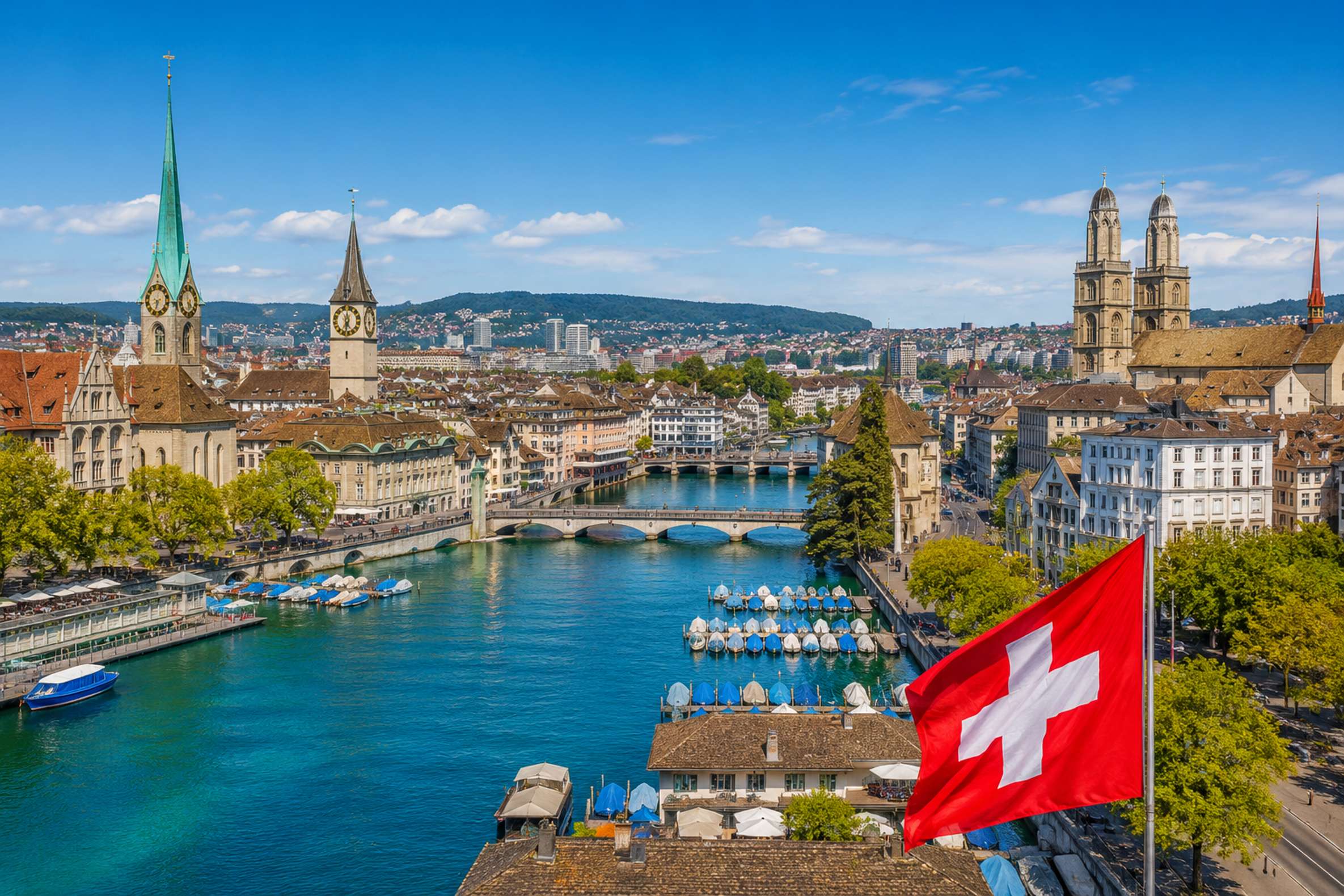
Ride door to door from your Milan hotel to Zurich's Old Town and the Lindt Home of Chocolate, and cancel free up to 24 hours before you go.