 Our top pick
From Milan to the Swiss Alps: Bernina Red Train & St. Moritz
Guided tour through the Bernina RangeBernina Train ticketPassage through Alp Grüm and the Palü Glacier
From$109 /person
See dates and book Free cancellation
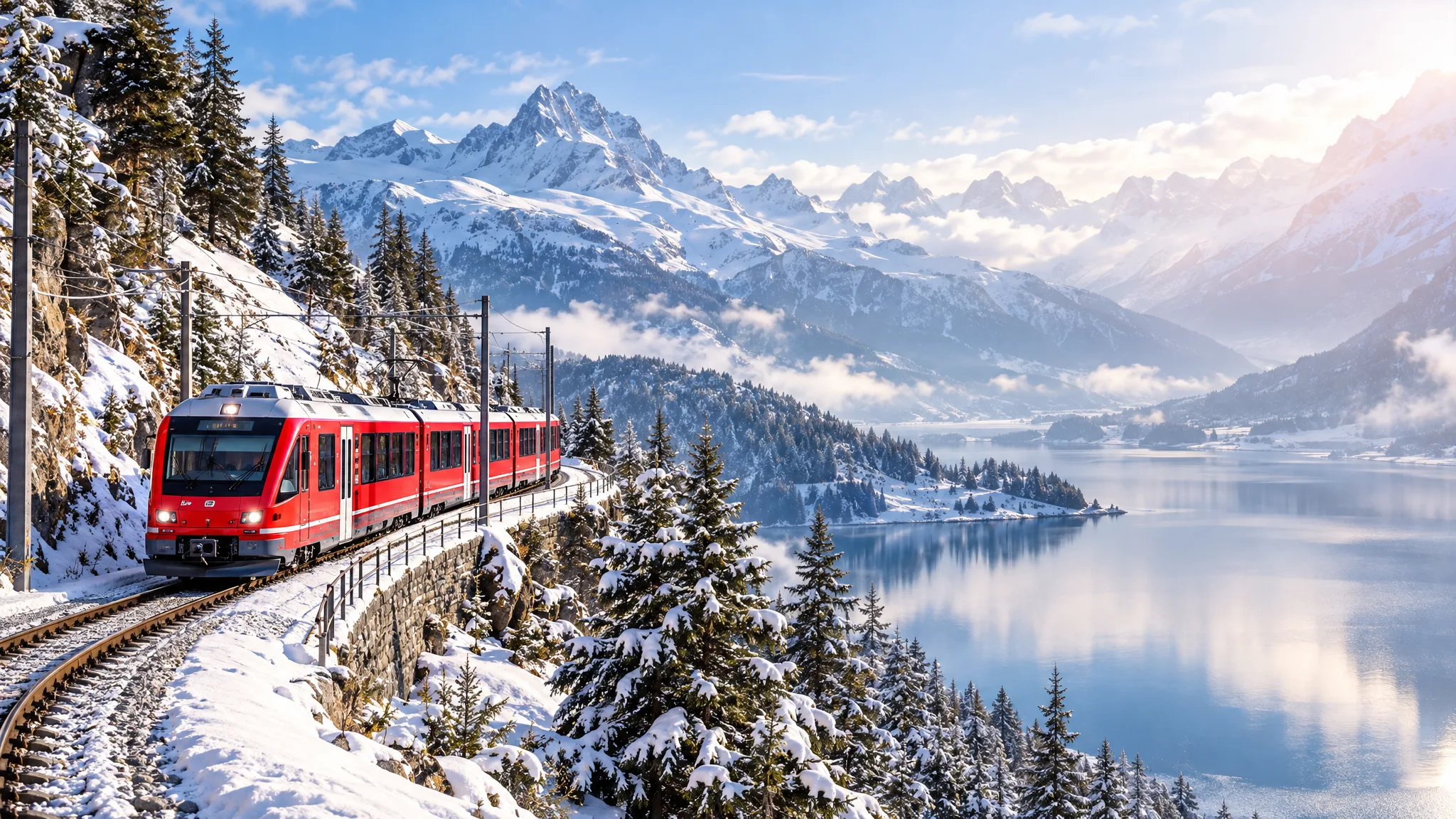
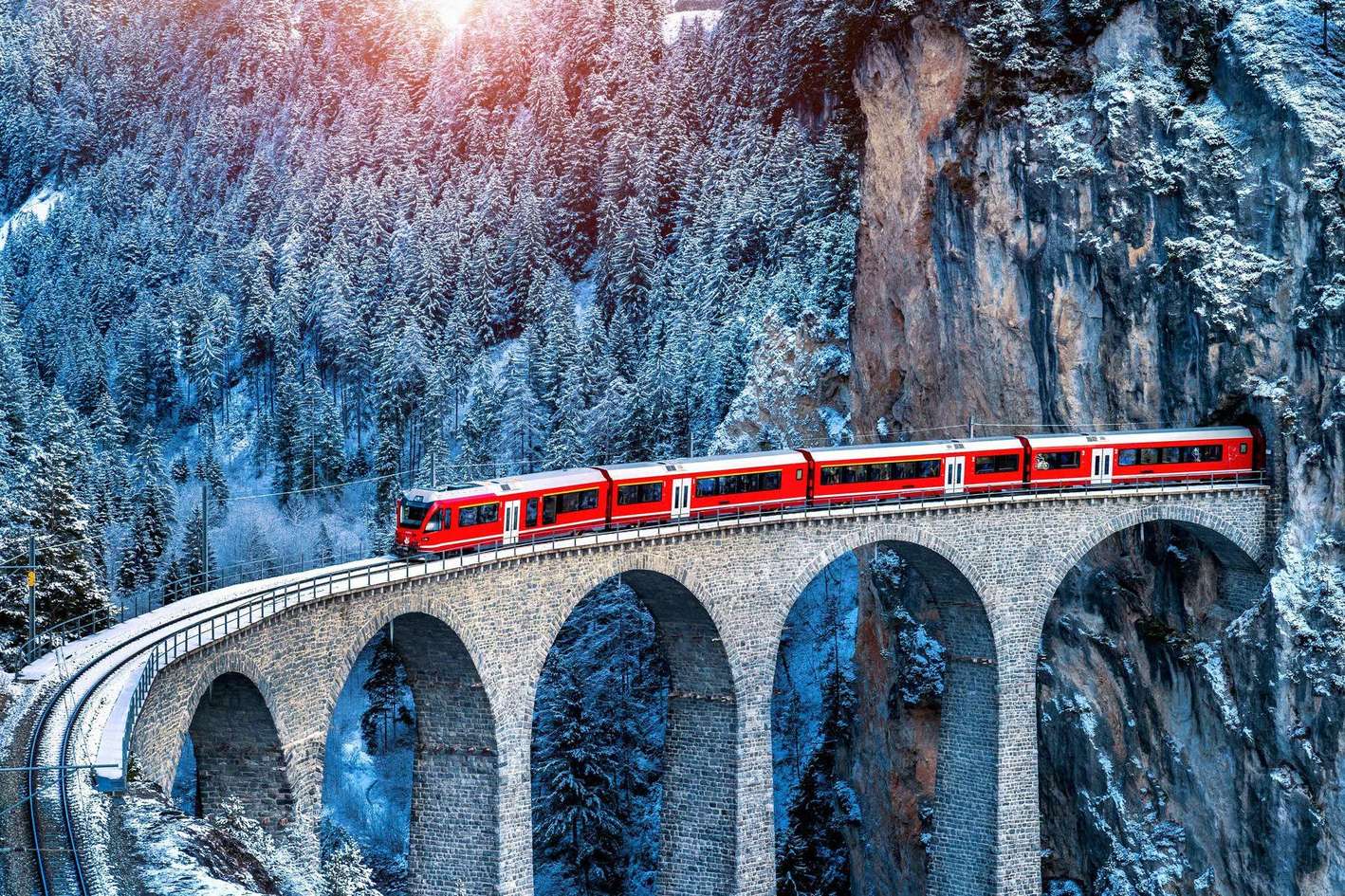
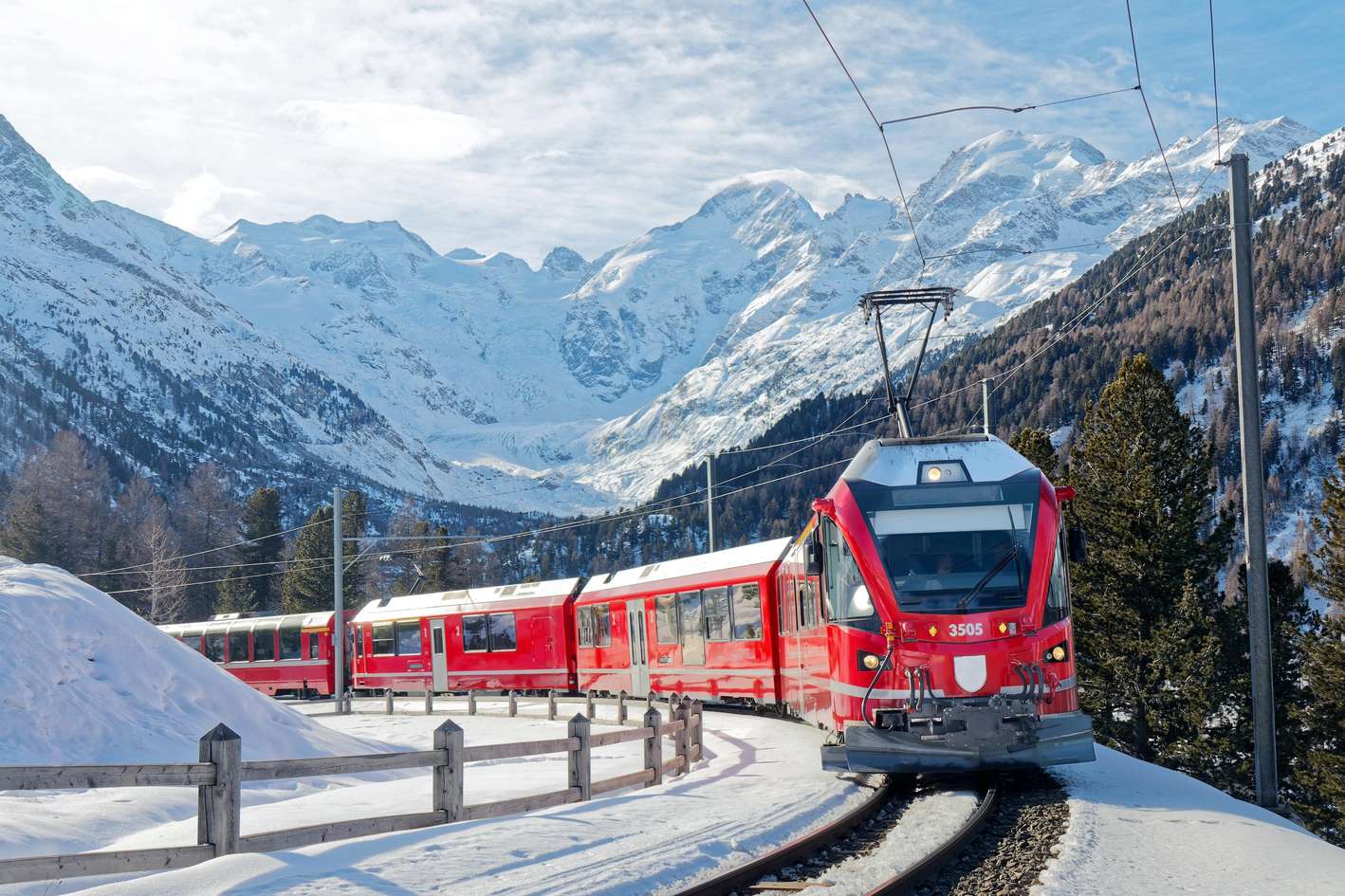
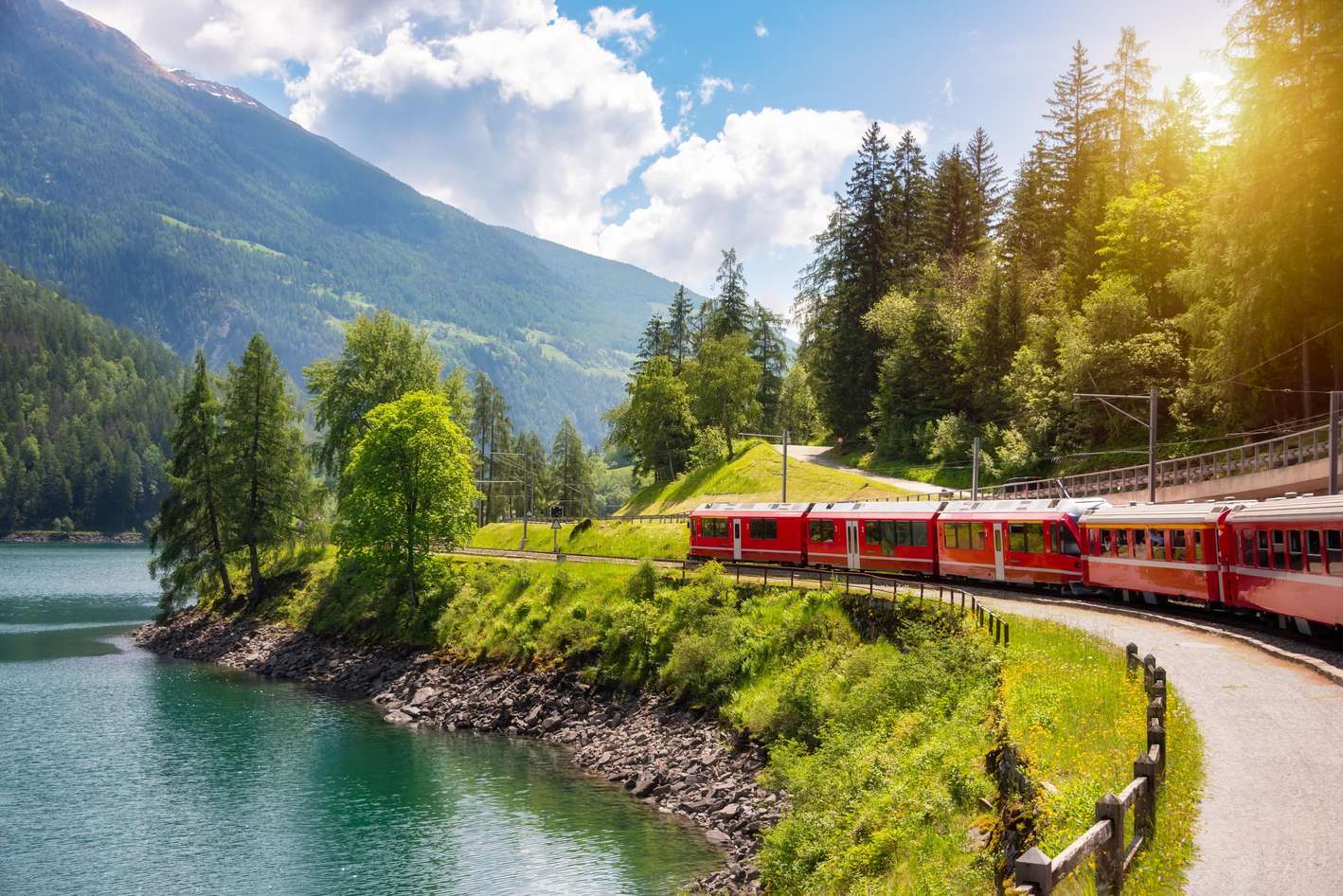
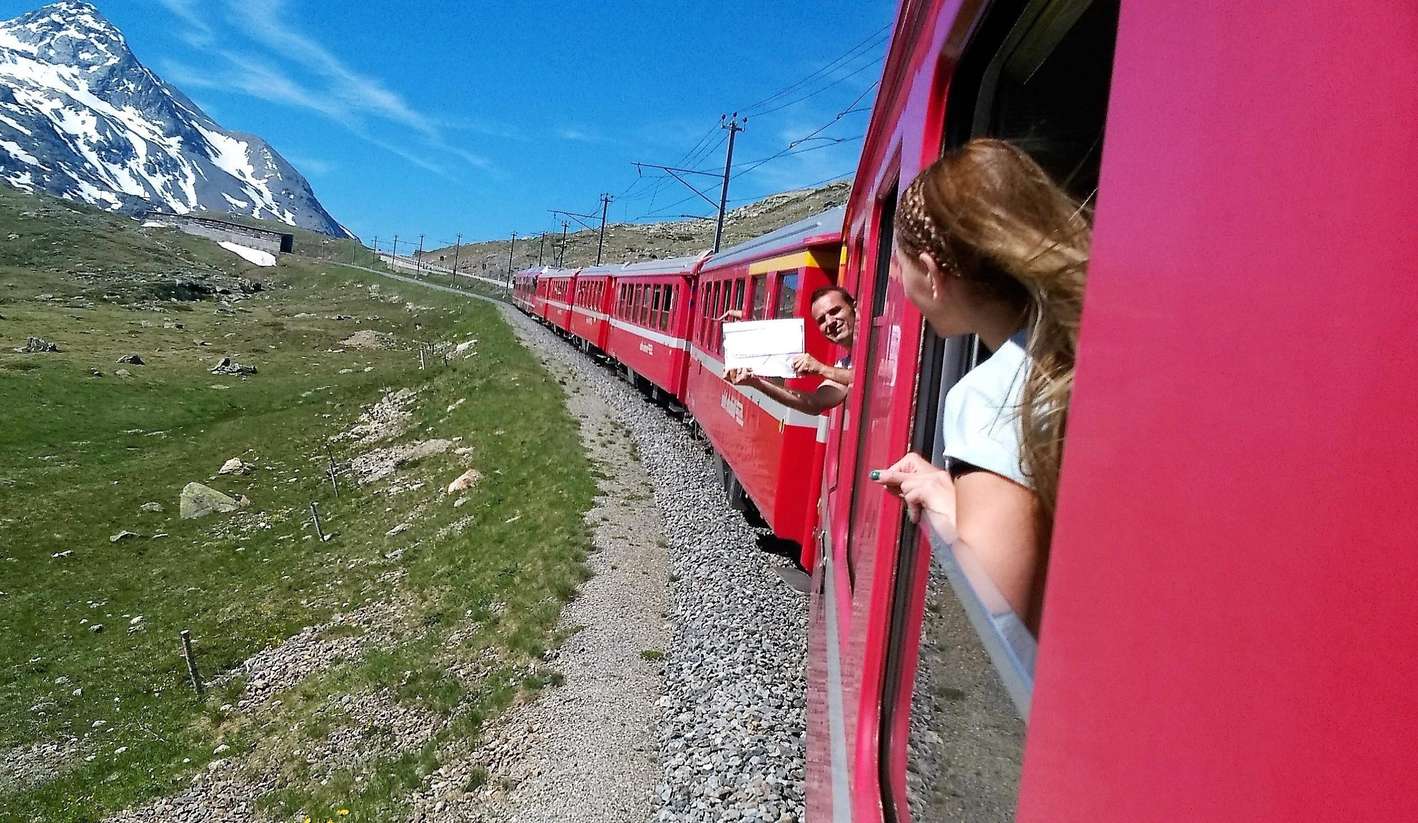
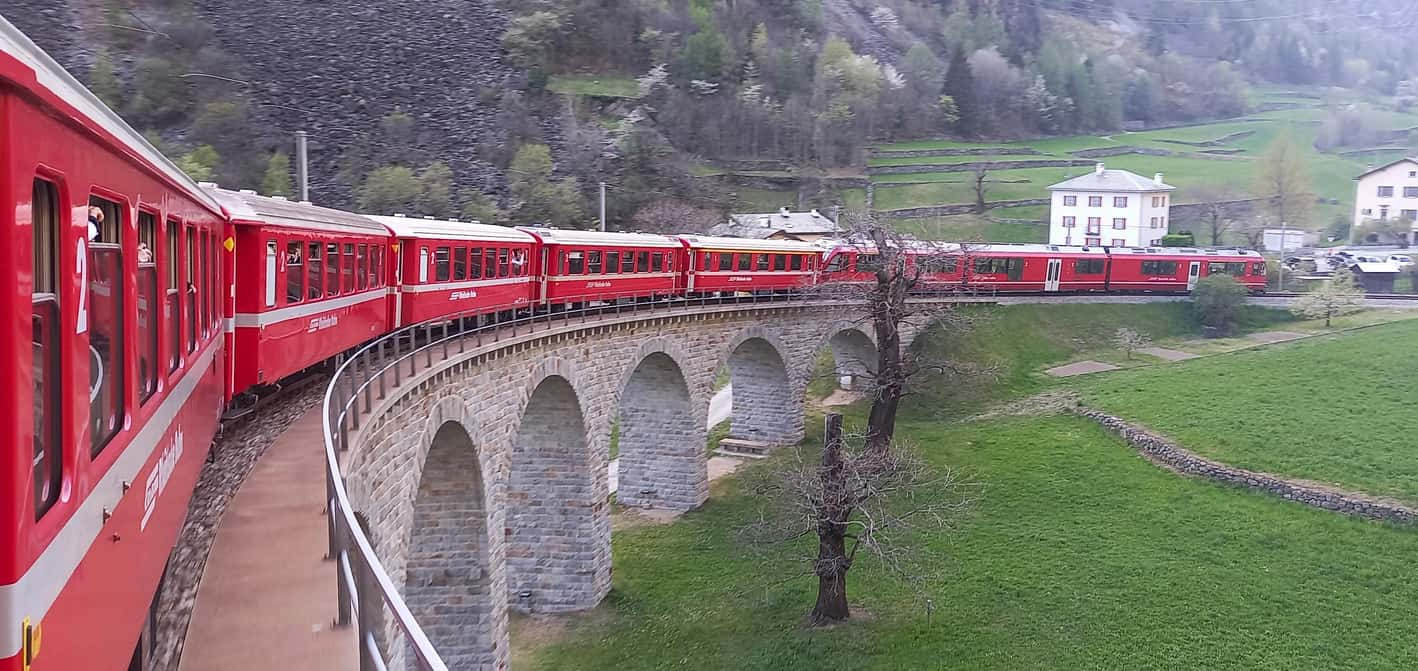
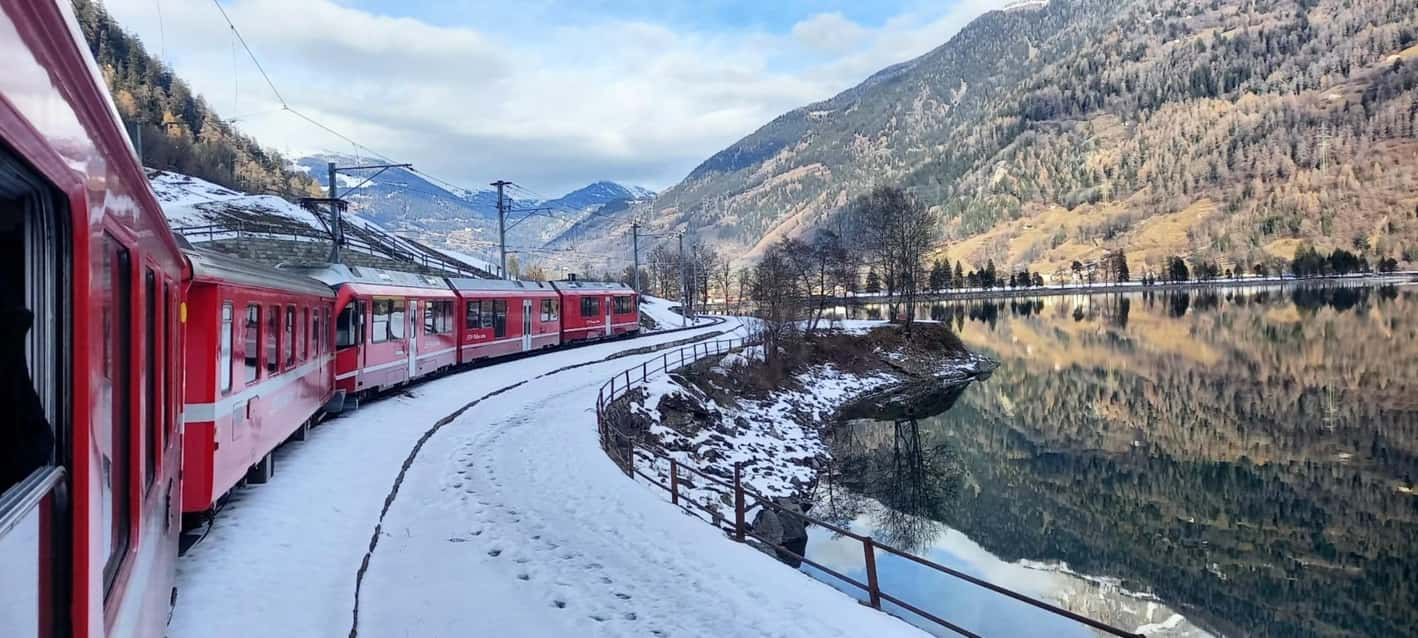
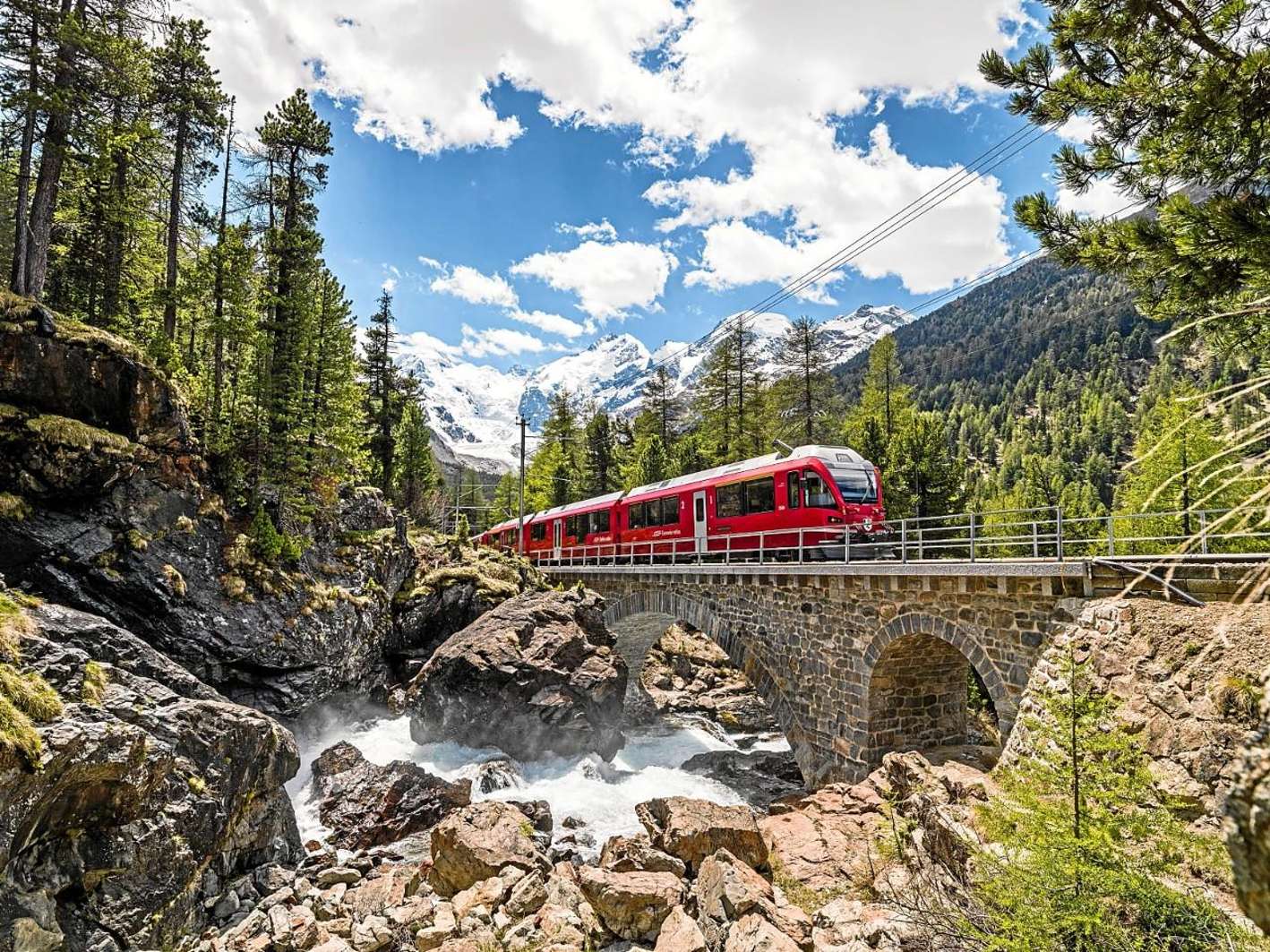
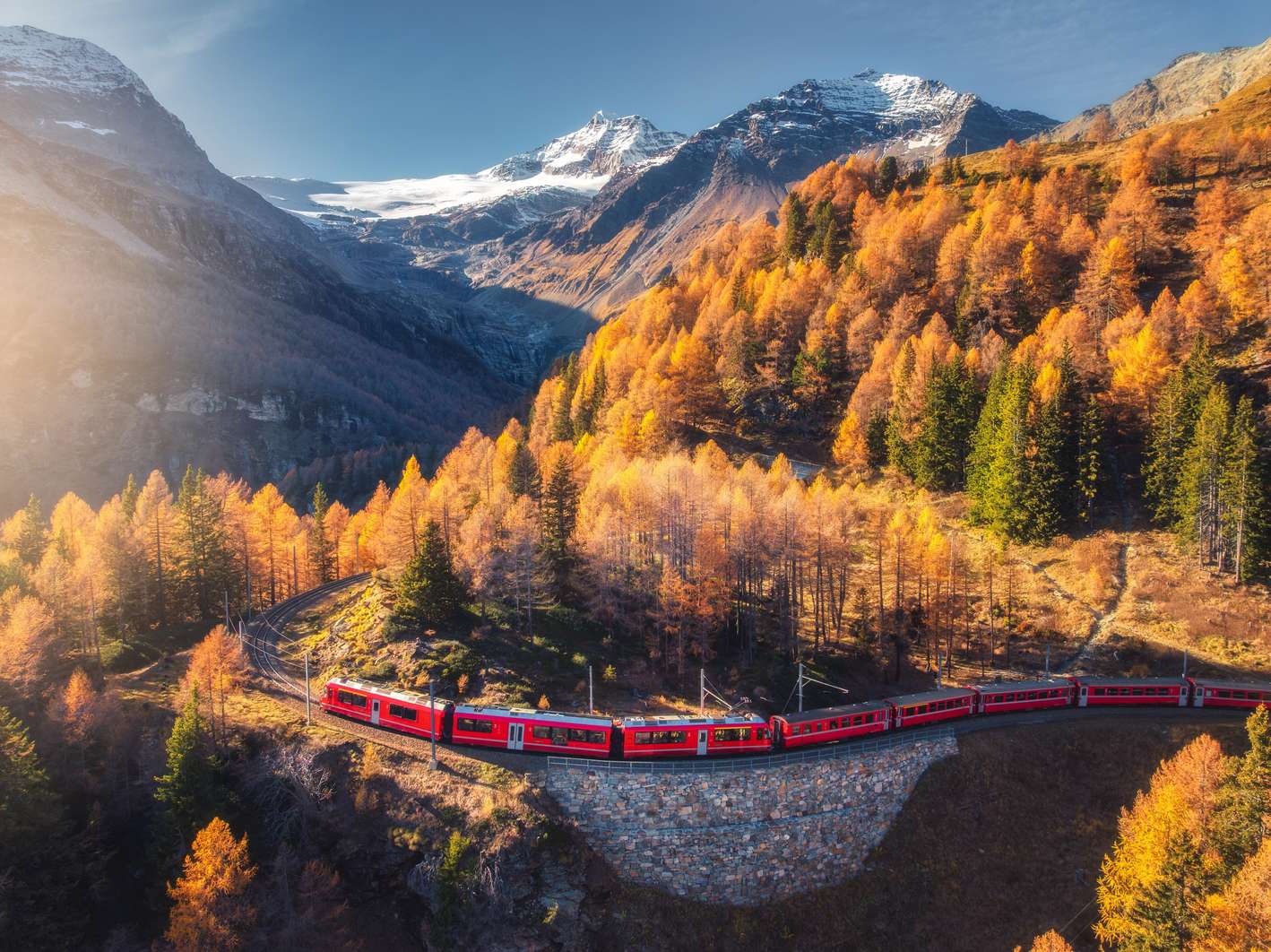
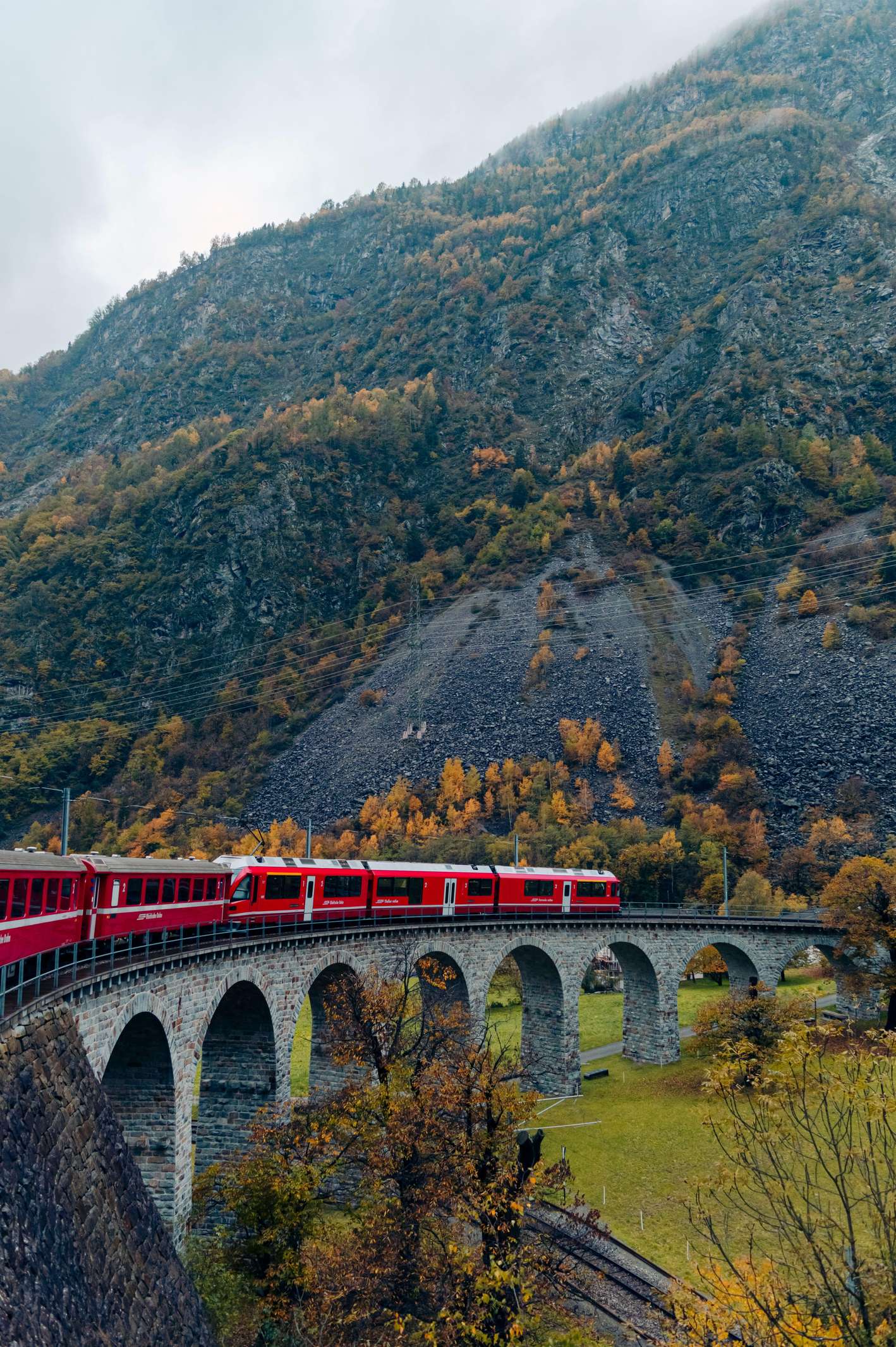
Trade Milan's flat streets for glaciers and mountain passes in a single day. Ride the Bernina Red Train, a UNESCO World Heritage route, with round-trip coach from central Milan and your alpine train ticket already booked, so the only thing you plan is what to do with your free hour by the lake in St. Moritz.
“Excellent trip, I recommend it. Super easy to get guidance, the app sends messages a day before with meeting info and tips. Gorgeous scenery!”
Every tour here starts in central Milan and returns the same evening, pairing a coach ride with a scenic Swiss rail journey over the Alps, mostly to St. Moritz on the Bernina line.
Our top pick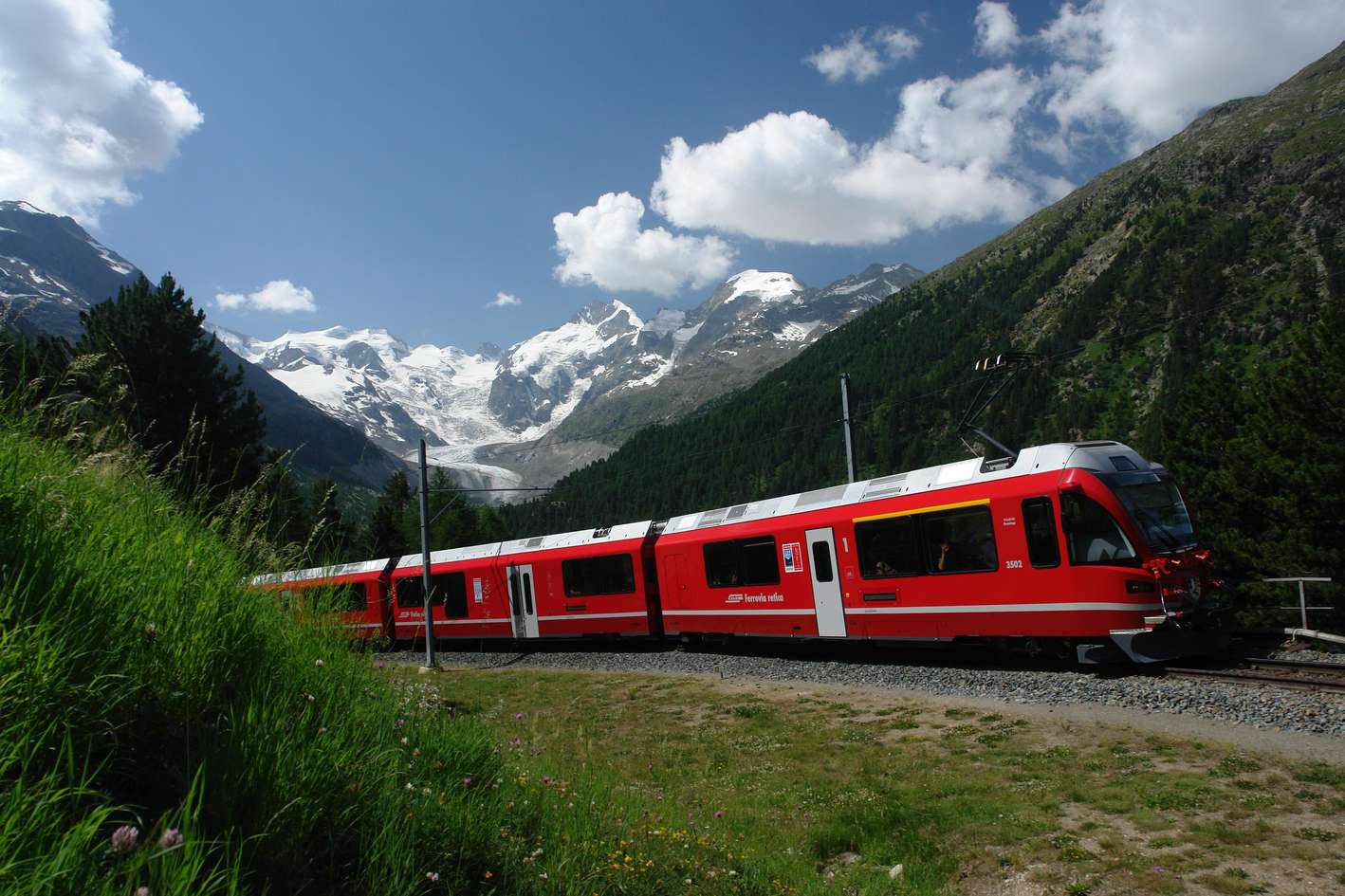
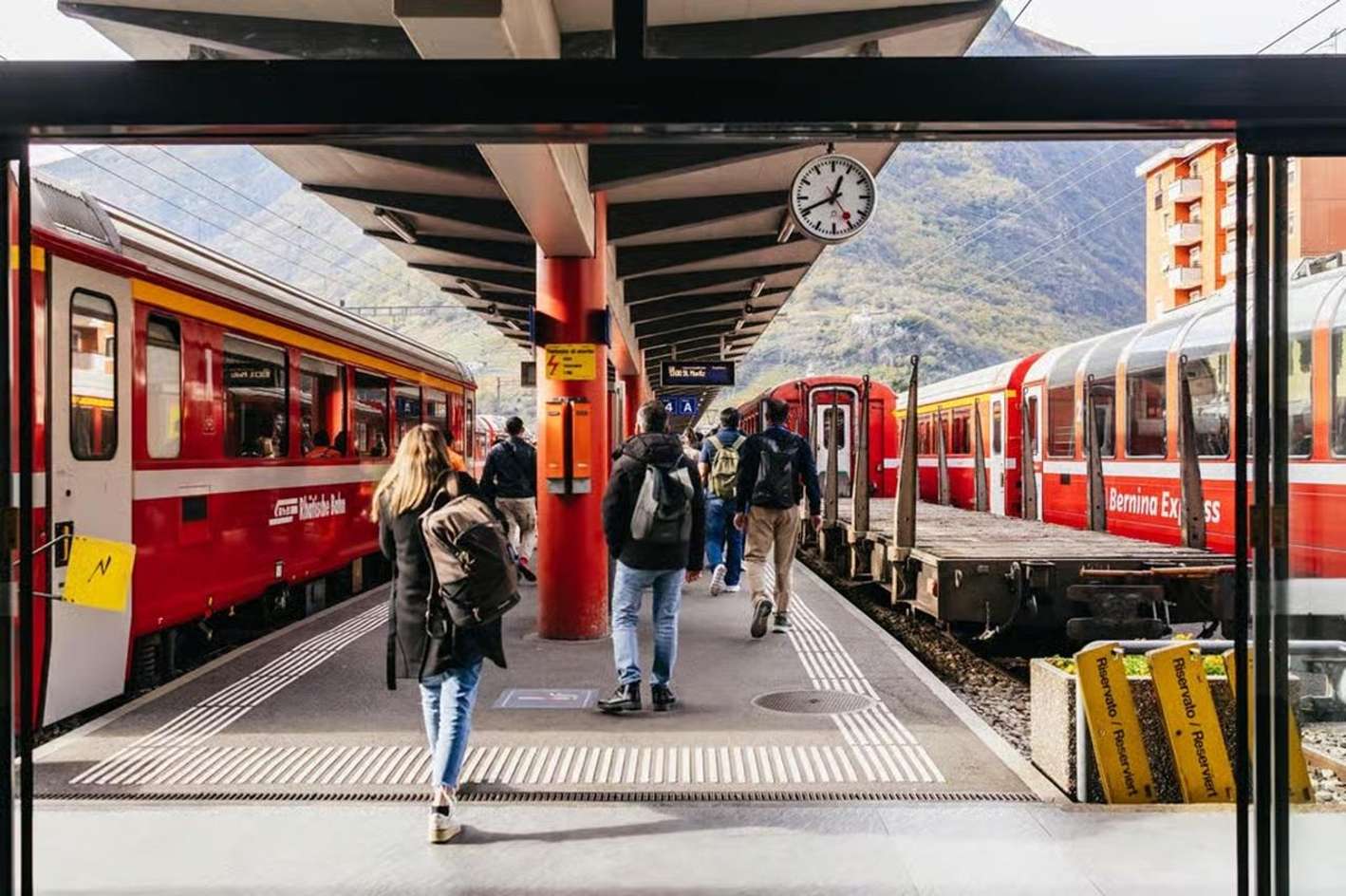
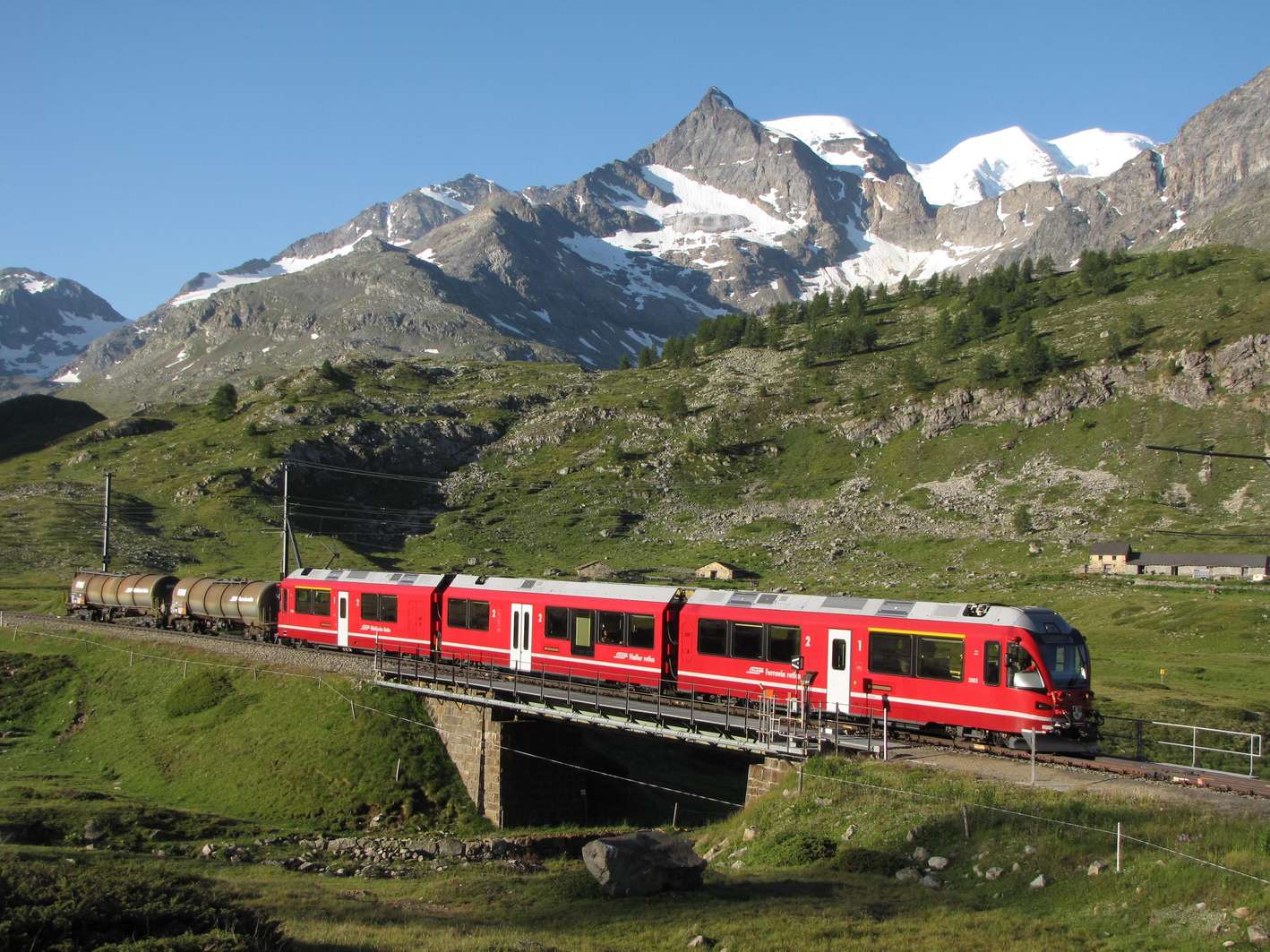
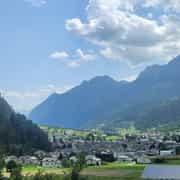
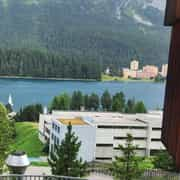
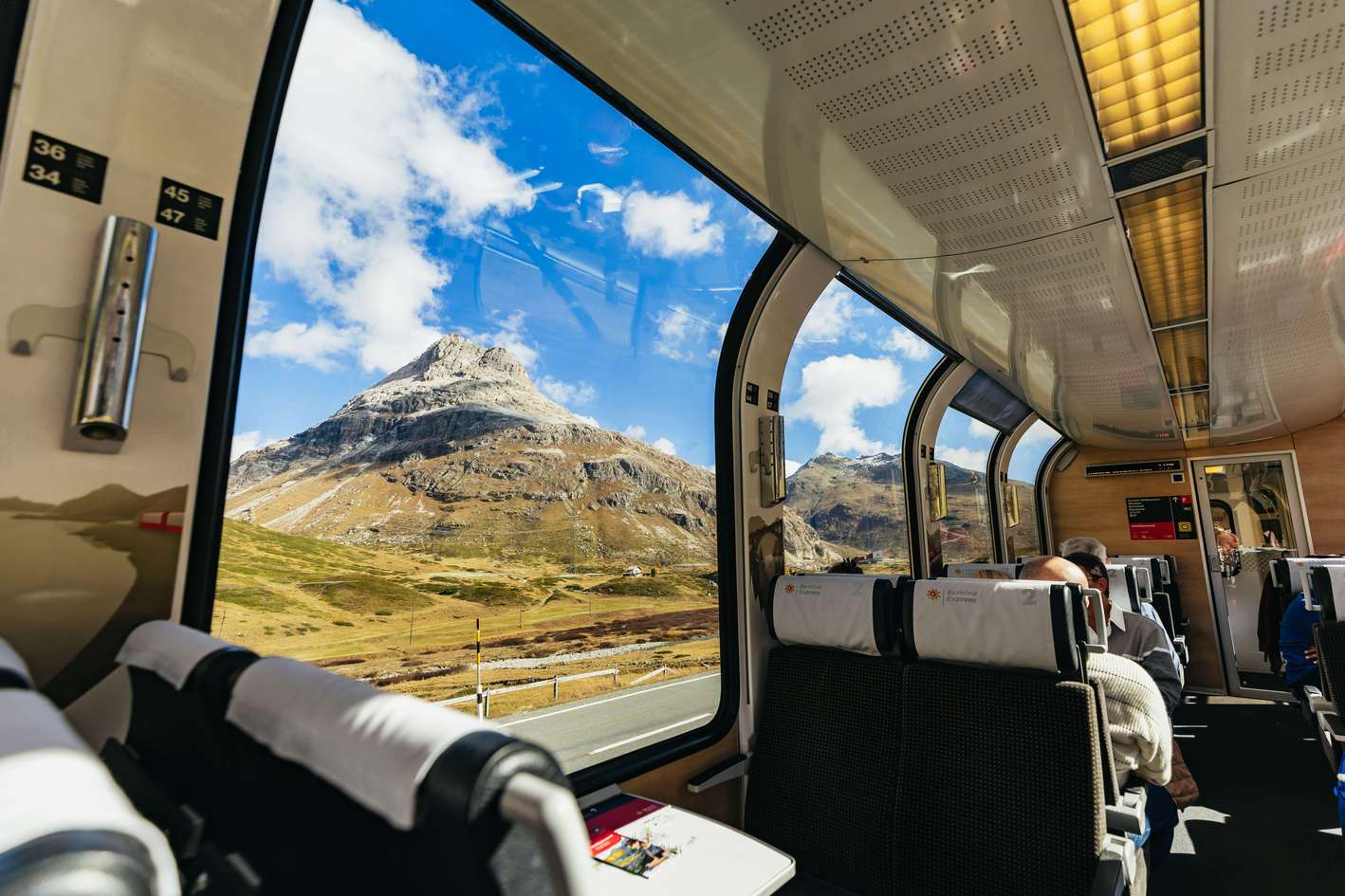
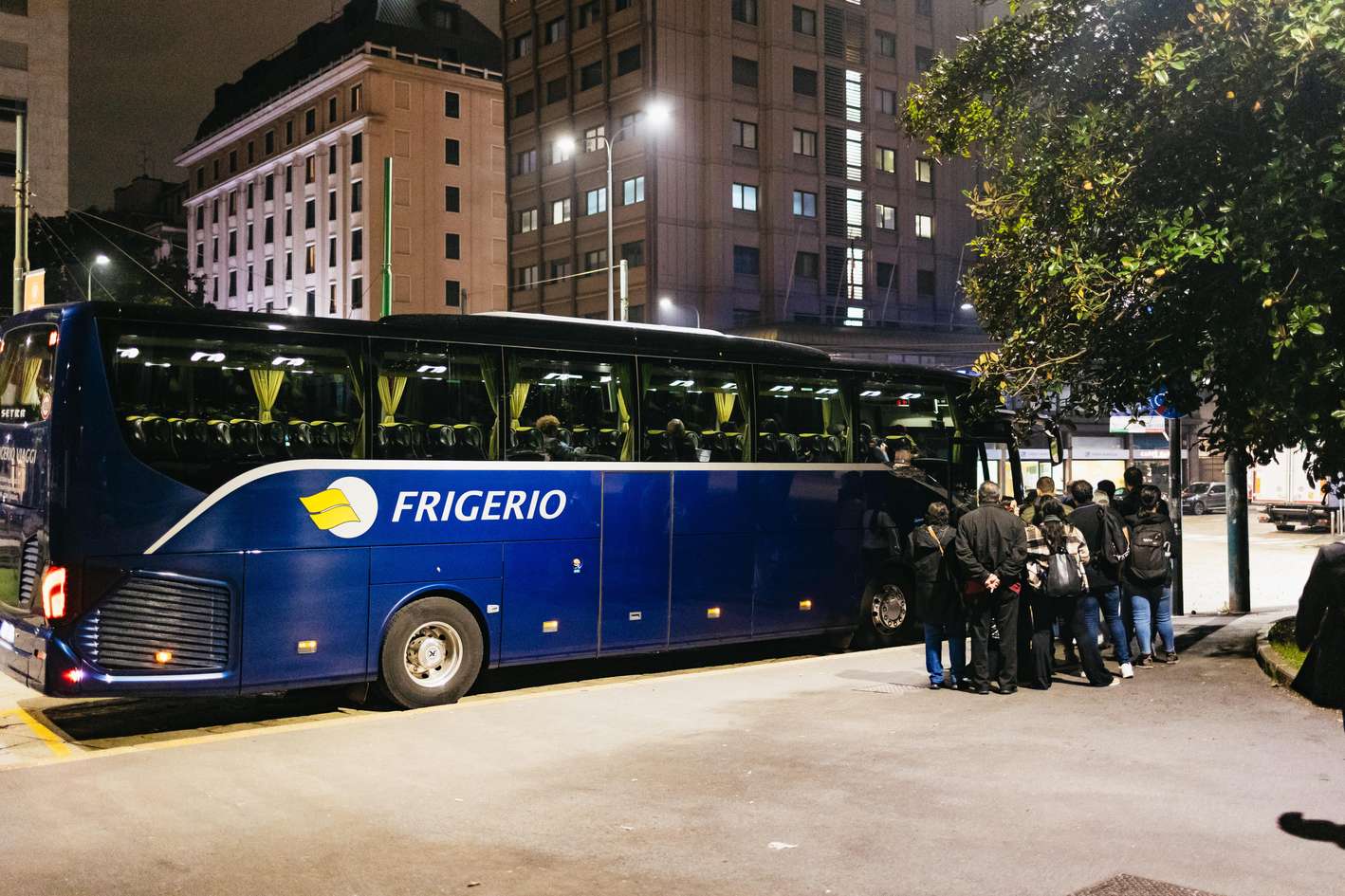
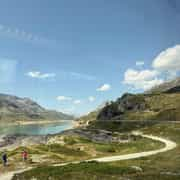
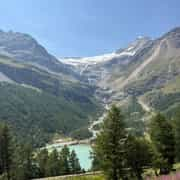
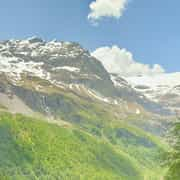
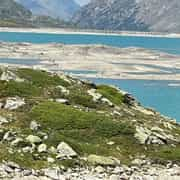
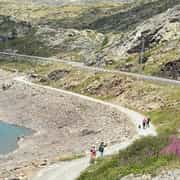
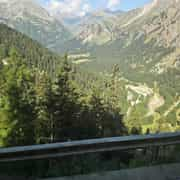




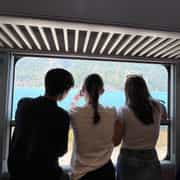
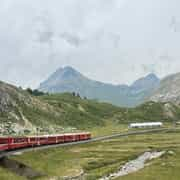
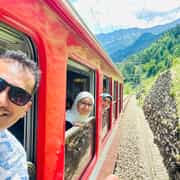
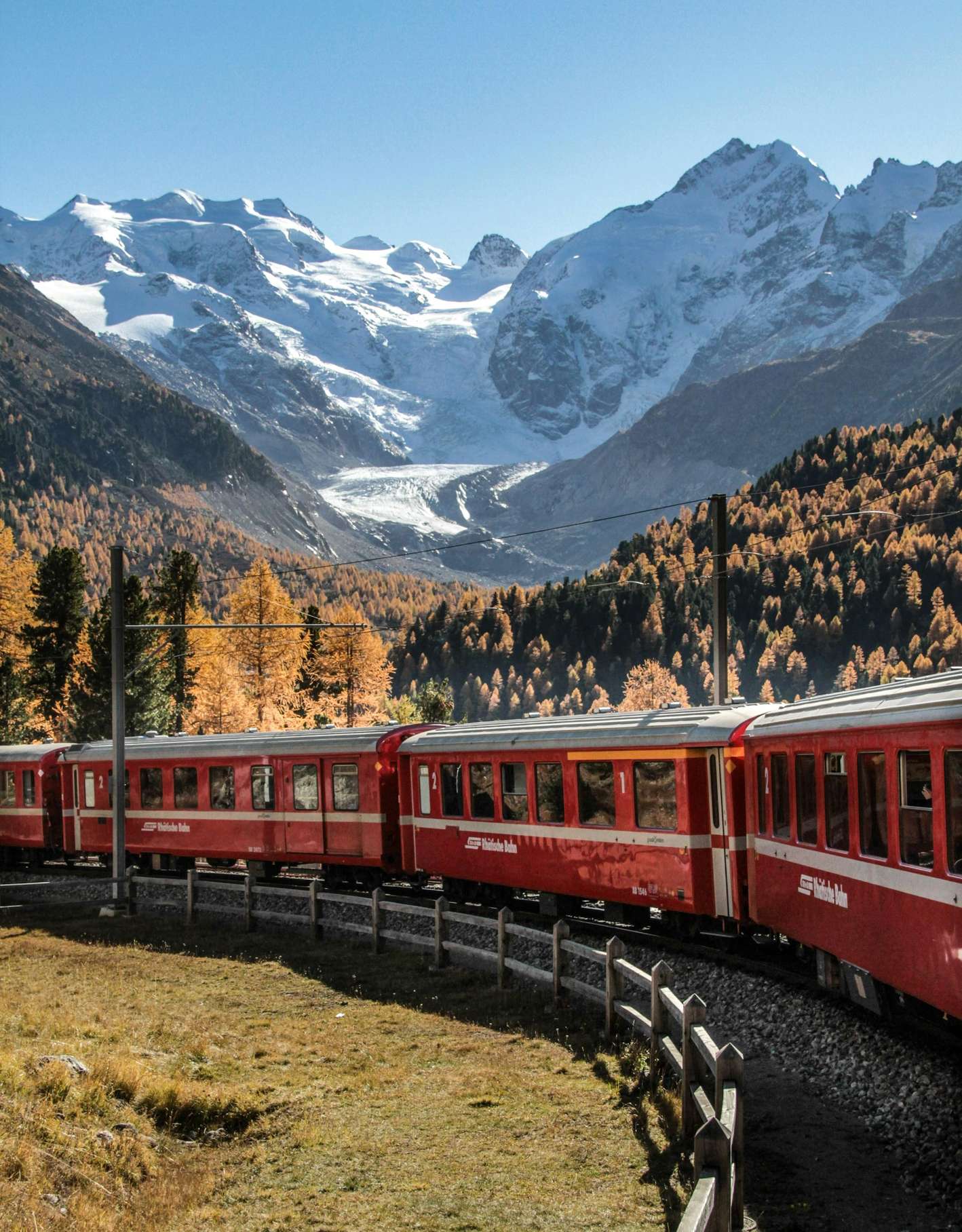
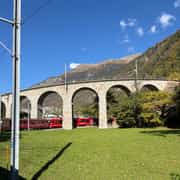
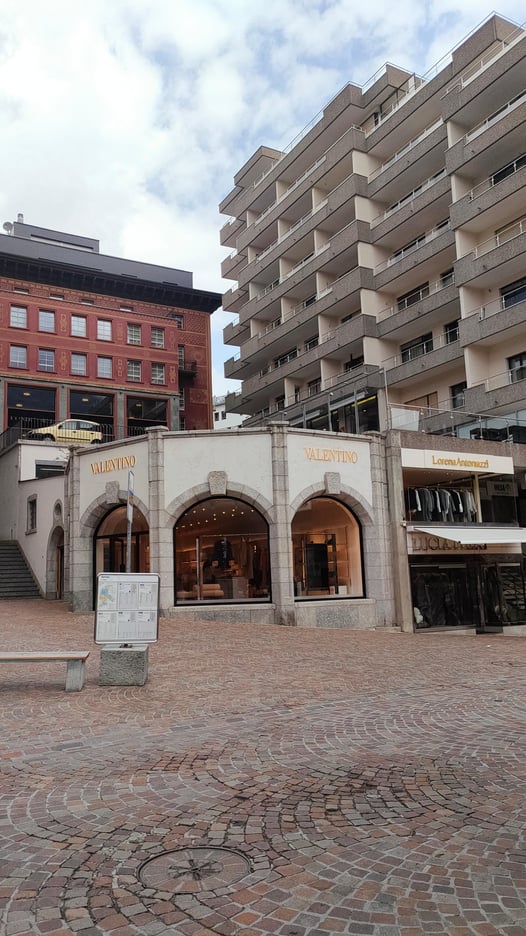
Brilliant trip, great value. Lots to see on the bus to St.
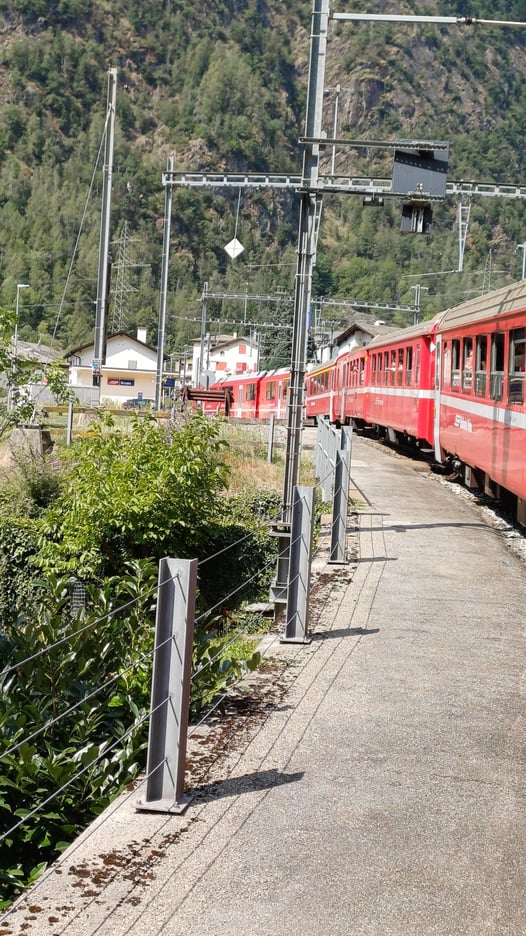
Worth every cent. Unforgettable Alpine landscapes, train travel like in stories. Guide Maria Cristina was a true pro, and driver Paulo handled the descent from St. Moritz perfectly. Unforgettable.
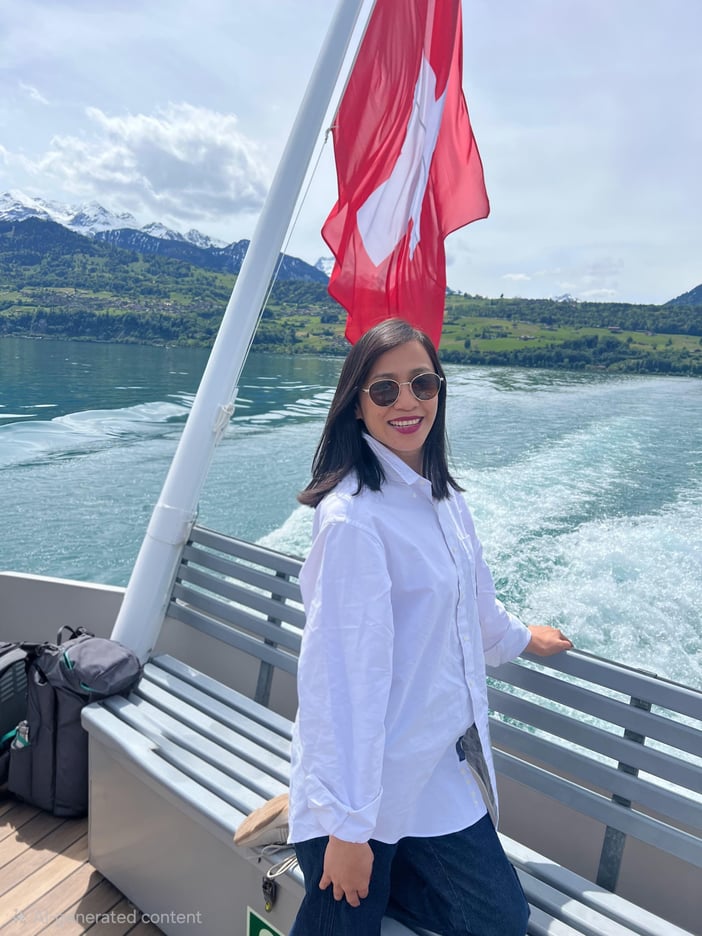
You won't regret it, like living inside a screensaver. Rest the night before, it's a full day.
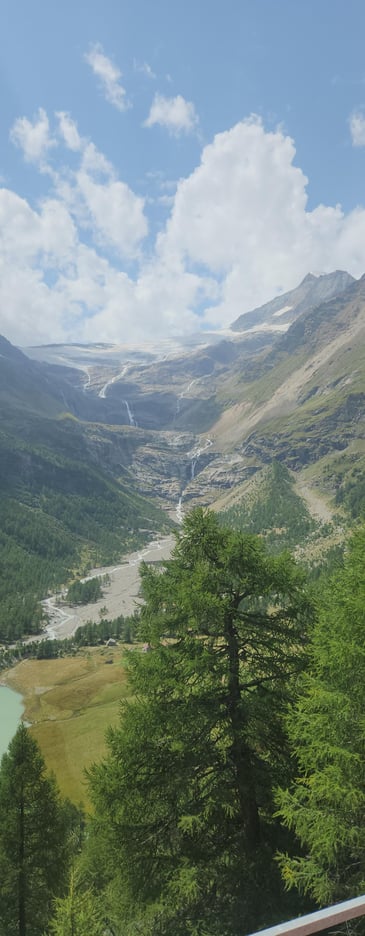
A well-organized trip, worth every cent. Pure, beautiful nature that felt both stunning and relaxing. Our guide Carolina explained everything in detail, lightly and interestingly. Excellent professional.
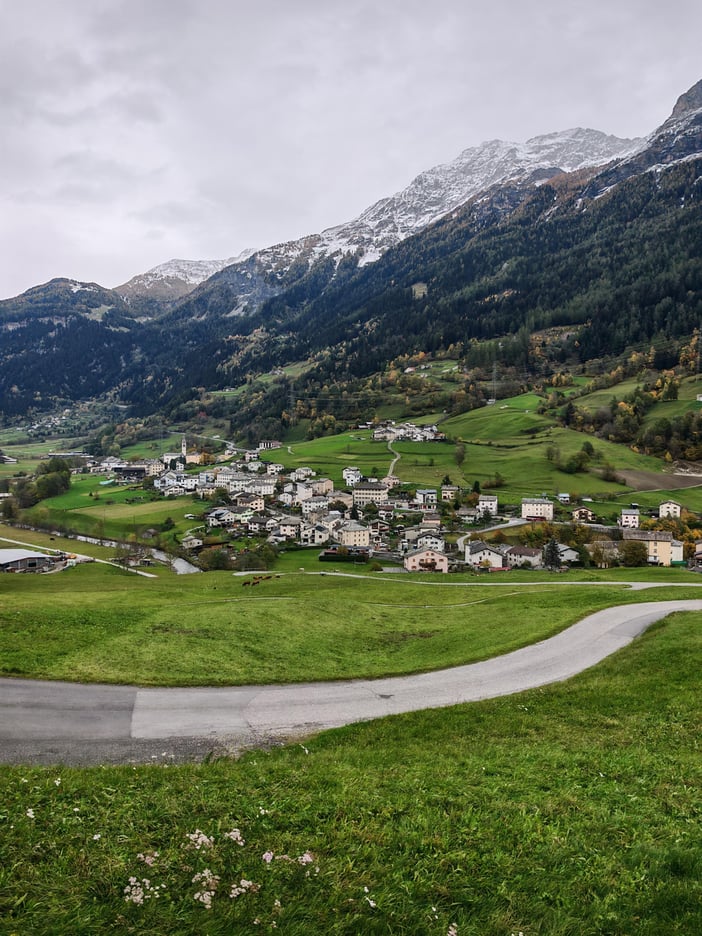
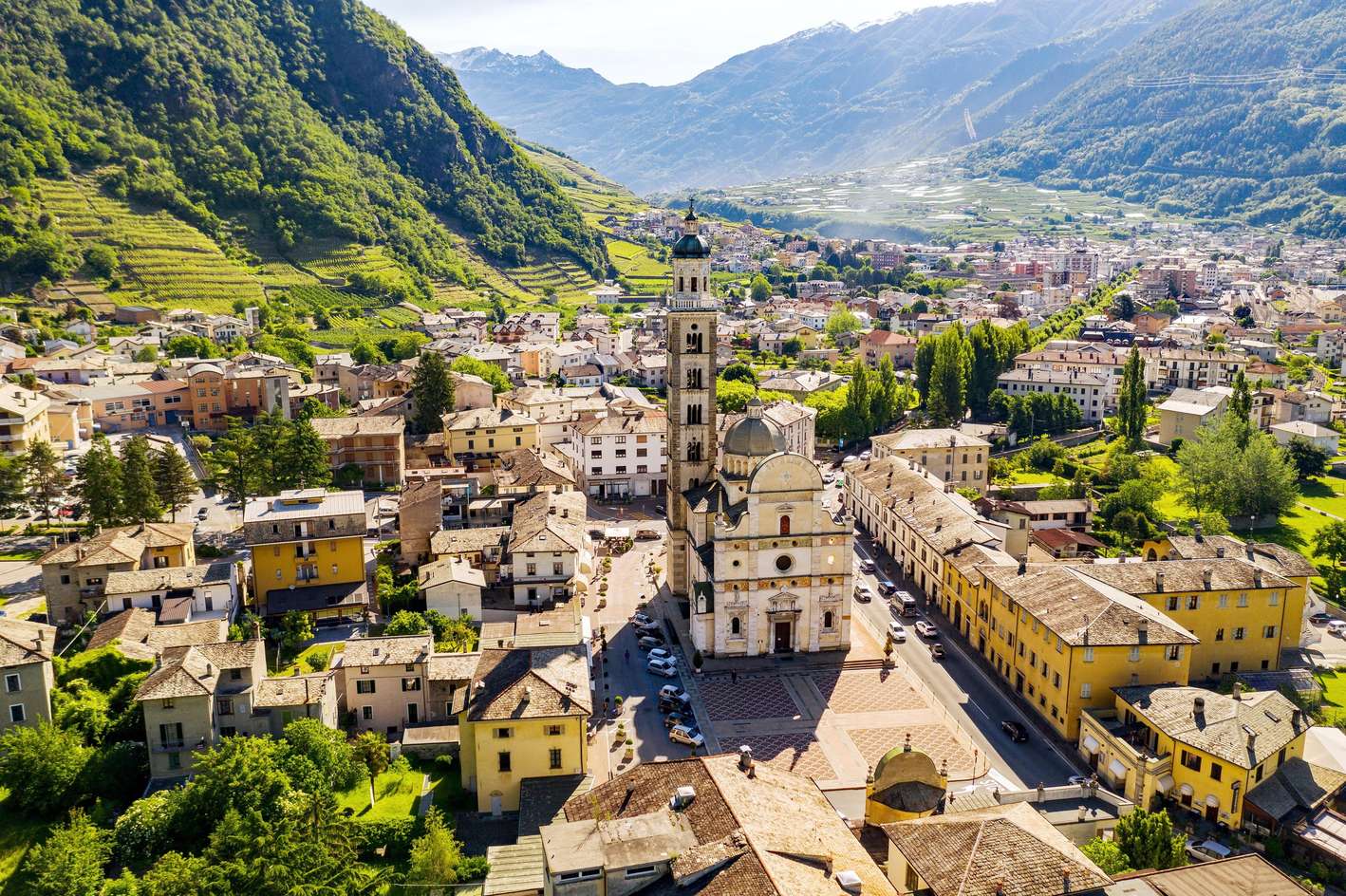
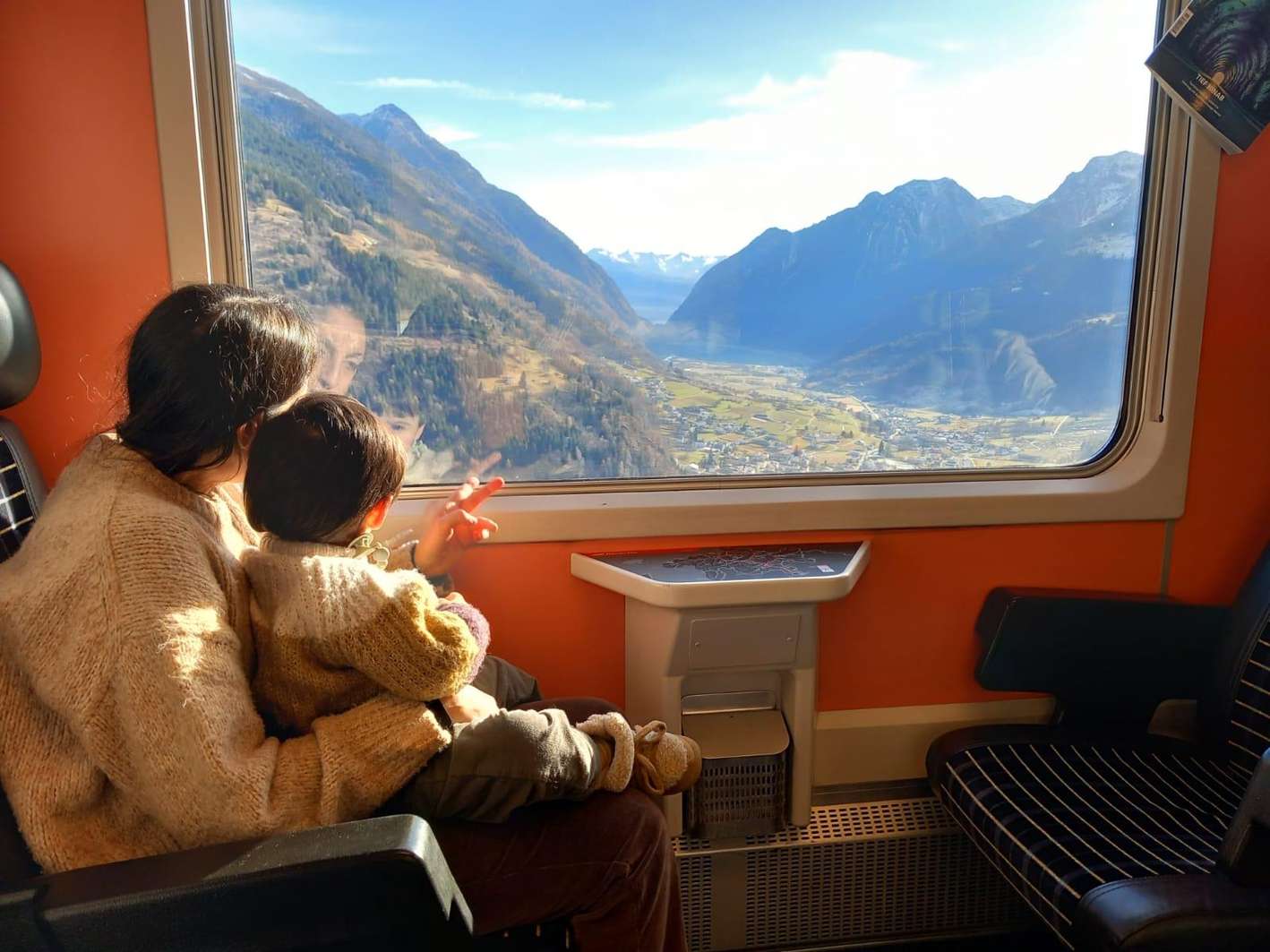
Incredible! The train from Tirano to St Moritz takes your breath away, colors, fresh air, stunning views.
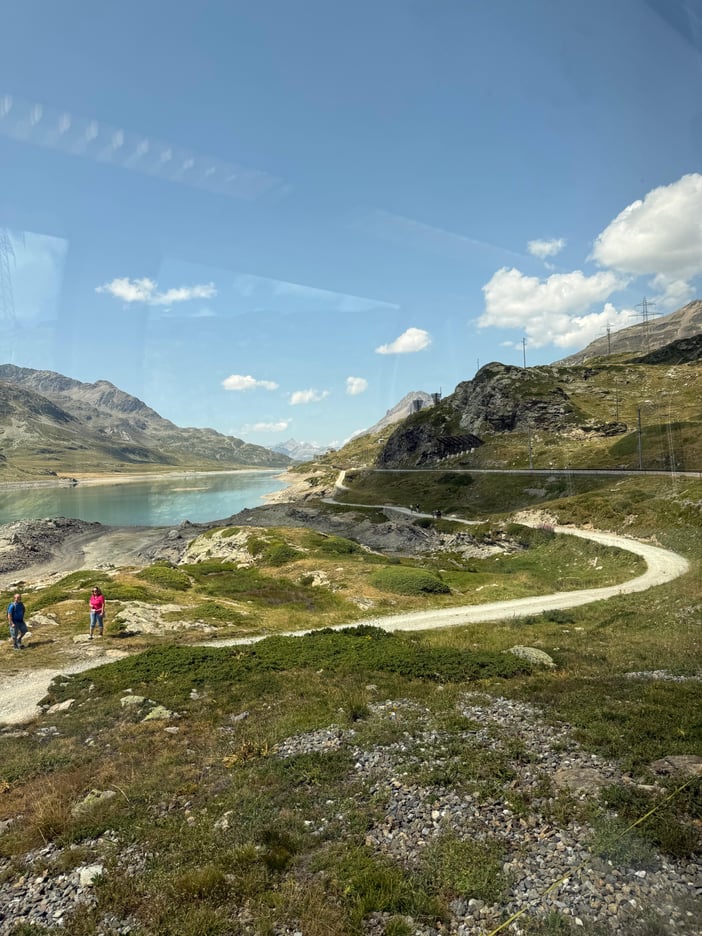
Spectacular views from the train, truly gorgeous. Lorenzo was an extraordinary guide, attentive and informative. Very comfortable train. St. Moritz's lake is lovely, though the town itself has little to see beyond luxury shops.
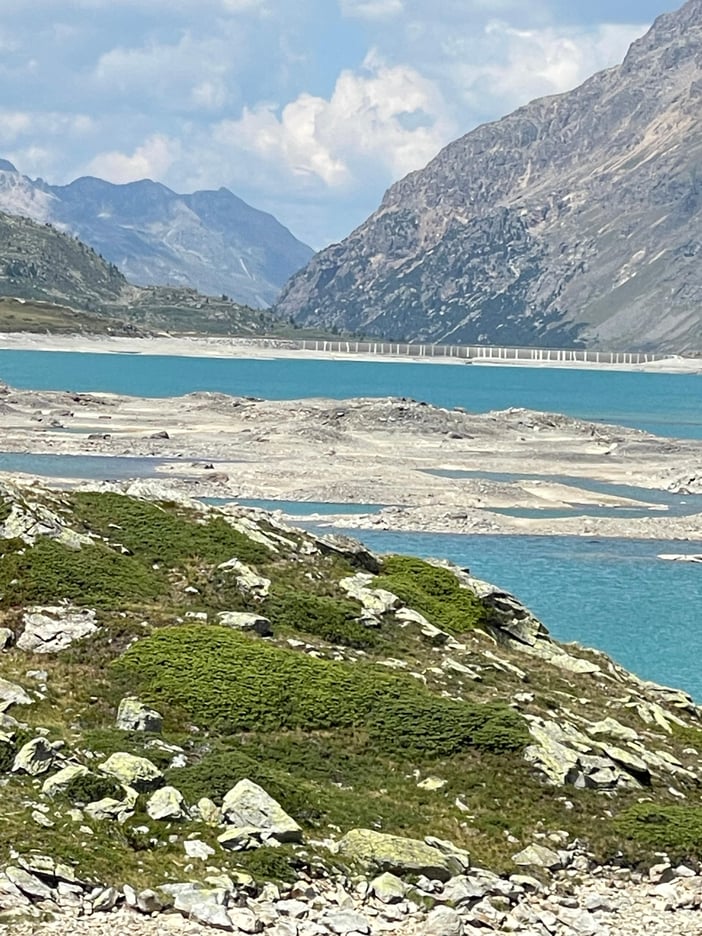
An incredible day on the Bernina Red Express to St. Moritz. Our guide Salvatore was knowledgeable, attentive, and welcoming the whole way. The Swiss Alps scenery was breathtaking. Highly recommended from Milan!
The Bernina train ride itself was the highlight, with views they still talk about.
Several found the guides made the long day, translating for Spanish speakers and keeping everyone included.
Many wished they had an extra hour in St. Moritz to wander the lake promenade at their own pace.
Choose a Tuesday, Wednesday or Thursday if you can. Those days see the lightest road traffic around Lake Como and at the Swiss border on the evening return, while Friday through Sunday bring the longest delays and queues.
Compare the versions before you book. On one operator's St. Moritz tour you pick between a standard carriage with windows that open, a guaranteed panoramic carriage, or a lunch at Diavolezza that replaces your free time in town. Another runs the Albula line past the Landwasser Viaduct instead of stopping in Tirano.
Departures sit at three central spots: Piazza IV Novembre by the Hotel Gallia next to Milano Centrale, Piazza della Repubblica 5 at the corner with Via Turati, or outside Porta Garibaldi station. Your confirmation names yours, so read it before the morning.
The coach crosses an international border, so bring a valid passport or, for EU and Schengen citizens, a national ID card. Third-country nationals need a travel document issued within the last ten years and valid three months beyond their departure from the Schengen area, unless they hold a Schengen residence permit.
Tours leave between 7 am and 8 am, most between 7 am and 7:30 am, and return around 9 pm. Bring snacks, because meal stops are short stretches of free time in St. Moritz or quick breaks along the route. Expect a long day: roughly 11 to 13 hours door to door.
The Alps start about 281 km from Milan by road, though the classic rail route to St. Moritz runs 174 km over the Maloja side. Count on roughly 3 to 4 hours of transit each way, which makes an 11 to 13 hour day the normal shape of the trip.
What decides which way to go is how much of the day you want spent moving. A guided coach-and-train tour covers the road leg for you and takes the scenic train one way, usually riding the Bernina line over the pass while the coach handles the return.
Going by car gives you freedom to stop, but a one-day round trip means 6 to 9 hours of driving before breaks and border queues. Driving yourself also means renting in Italy and bringing the car back there, since one-way drop-offs in Switzerland carry steep fees.
Break time (15 minutes)
Visit, Free time, Walk (45 minutes)
Visit, Guided tour, Sightseeing, Scenic views on the way (2.5 hours)
Guided tour, Free time, Shopping, Walk (1.5 hours)
Sightseeing, Bus tour, Pass by, Scenic views on the way
Autostradale Bus Stop - Lake Como and Bernina Tours
Autostradale Bus Stop - Lake Como and Bernina Tours
Sightseeing, Scenic views on the way (2 hours)
Pass by, Scenic views on the way
Pass by, Scenic views on the way
Pass by, Scenic views on the way
Visit, Free time, Shopping, Walk (1.5 hours)
Autostradale Bus Stop - Lake Como and Bernina Tours
Scenic drive, Scenic views on the way
Autostradale Bus Stop - Lake Como and Bernina Tours
Fidenza Village Kiosk, Shopping Express
Free time, Walk (2.5 hours)
Sightseeing, Scenic views on the way (2 hours)
Pass by
Pass by
Pass by
Break time, Pass by (10 minutes)
Fidenza Village Kiosk, Shopping Express
Crossing into Switzerland from Milan on a day trip requires a valid passport or ID card, and the rules depend on your nationality.
Check your travel document before booking. EU and EFTA citizens can use a national identity card, while other travelers need a passport issued within the last 10 years and valid for at least three months past their departure from the Schengen area, unless they hold a Schengen residence permit or category D visa. Travelers who need a visa for Schengen countries can enter Switzerland on that visa alongside a recognized travel document.
Switzerland begins an hour from Milan, but distance is the wrong measure. What decides the day is altitude. Lugano, an hour and a quarter away by direct train from Milano Centrale, gives lake and café culture.
St. Moritz via the Bernina line gives glaciers and a pass at 2,253 meters, and it asks about 5 hours of travel each way. The full round trip on the Bernina route runs 12 to 14 hours door to door.
| St. Moritz (Bernina line) | Interlaken and Grindelwald | Zermatt | |
|---|---|---|---|
| One-way travel time | about 5 hours by train, 2.5 by coach | 3 to 3.5 hours to Interlaken, 4 to 4.5 to Grindelwald | 3.5 to 4 hours |
| How you get there | regional train to Tirano, then the Bernina railway | EuroCity to Spiez, then a connecting train | EuroCity to Brig, then the Matterhorn line |
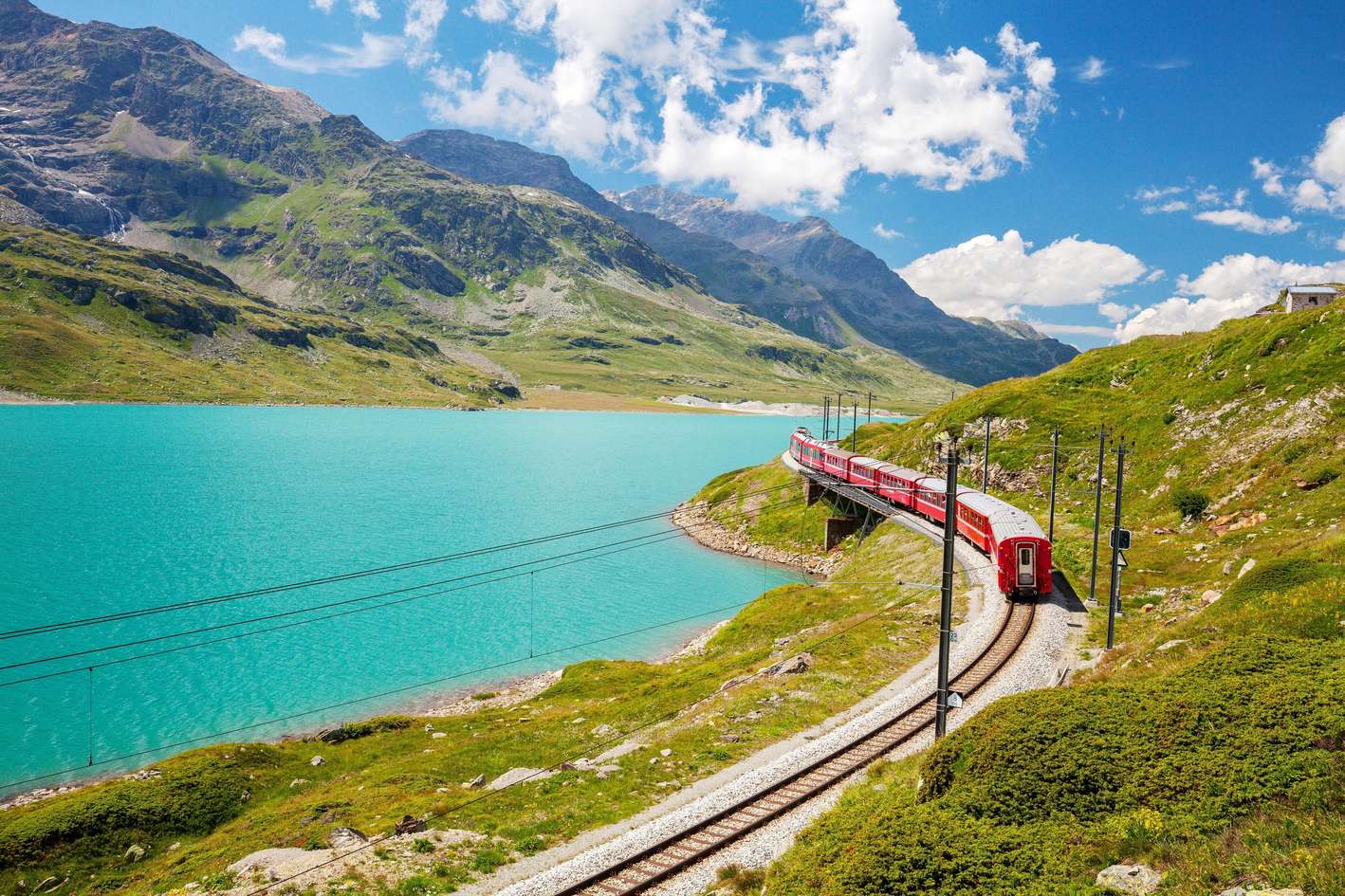
| What waits at the end | glaciers, Lago Bianco and the Brusio loop at 2,253 meters | a Lake Thun cruise under the Eiger, Mönch and Jungfrau | the Matterhorn above a car-free village |
| Who it suits | rail lovers with a full day | tour bookers who want mountains plus water | drivers and patient train riders |
Shortlist by appetite, then the timetable chooses itself. Interlaken trades transit hours for a lake cruise and three famous peaks. Zermatt puts you under the Matterhorn and has no packaged one-day format from Milan, so you build it yourself.
Lugano and Zurich cut transit in half or better and trade summits for cities. The chapters below walk each option as you would live it.
The first coaches pull out of central Milan between 7:00 and 7:30, which puts you at a meeting point near Piazza della Repubblica or Milano Centrale as early as 6:45. Check your confirmation for the exact corner: tour coaches gather away from the airport buses, and the wrong square costs you the whole day.
The day runs on three legs: a coach of 2.5 to 3 hours down to the Alps, up to 4 in traffic, the Bernina Red Train for 2 to 2.5 hours over the pass, and the coach back in the evening.
The guide handles every handoff, holds your pre-booked train seat, and reorders stops when traffic or rail trouble appears, so nobody in the group solves a delay alone. Most tours carry you coach one way and train the other, which means the scenery never repeats.
Free time is the trade. You get between 1 and 2.5 hours in St. Moritz, and a late return bus can shrink that to about an hour. Eat at your free-time stop and carry snacks, because train food is thin and some of these coaches allow no food on board at all.
One bookable example: the From Milan: St. Moritz and Bernina Express Tour runs 12 to 13 hours with a multilingual guide on board, a guaranteed panoramic carriage confirmed at booking, and roughly 2.5 hours of St. Moritz free time.
If you want the town seen properly, check the free-time note before you book, since operators range from about an hour on the ground to nearly three.
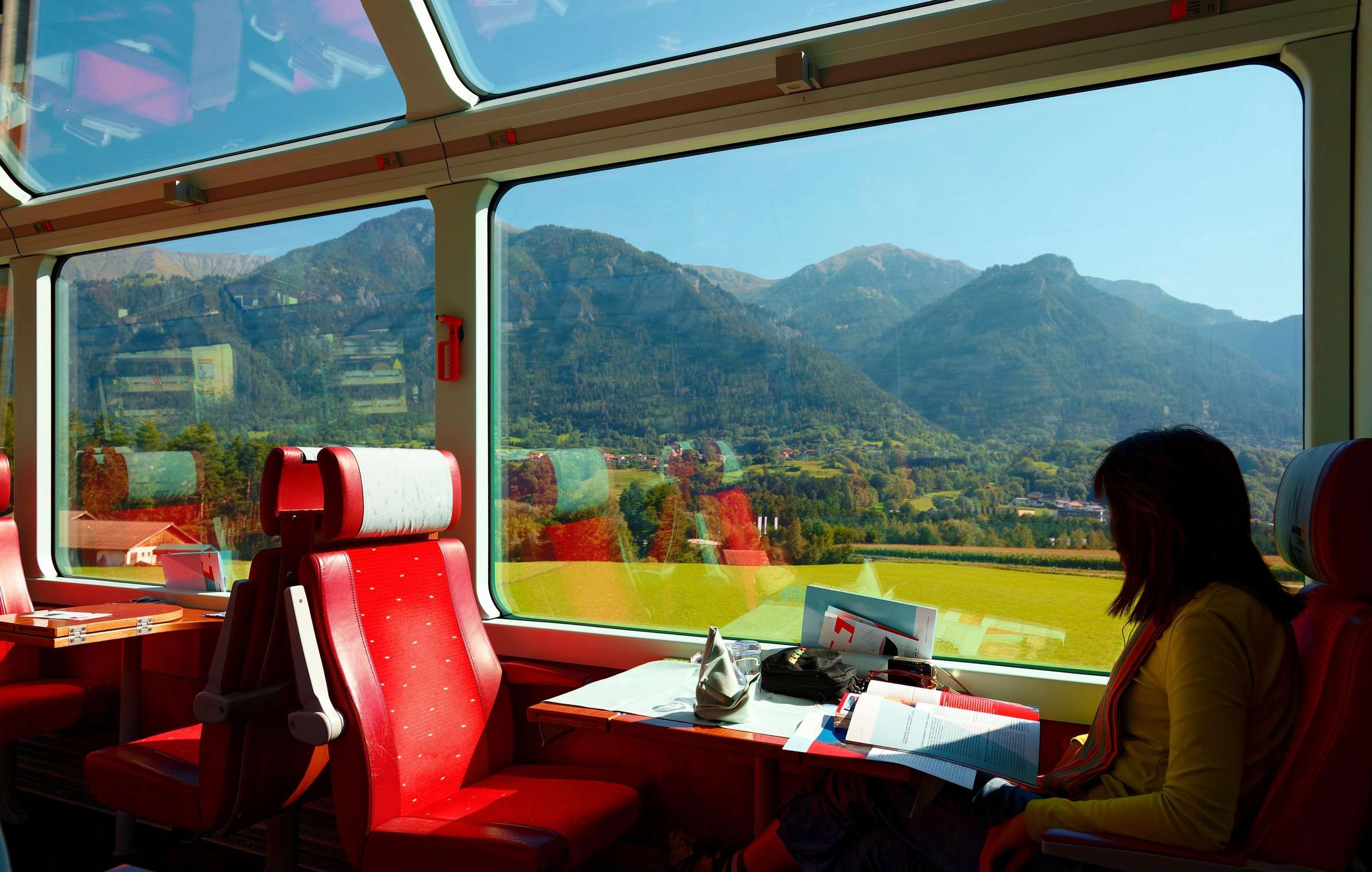
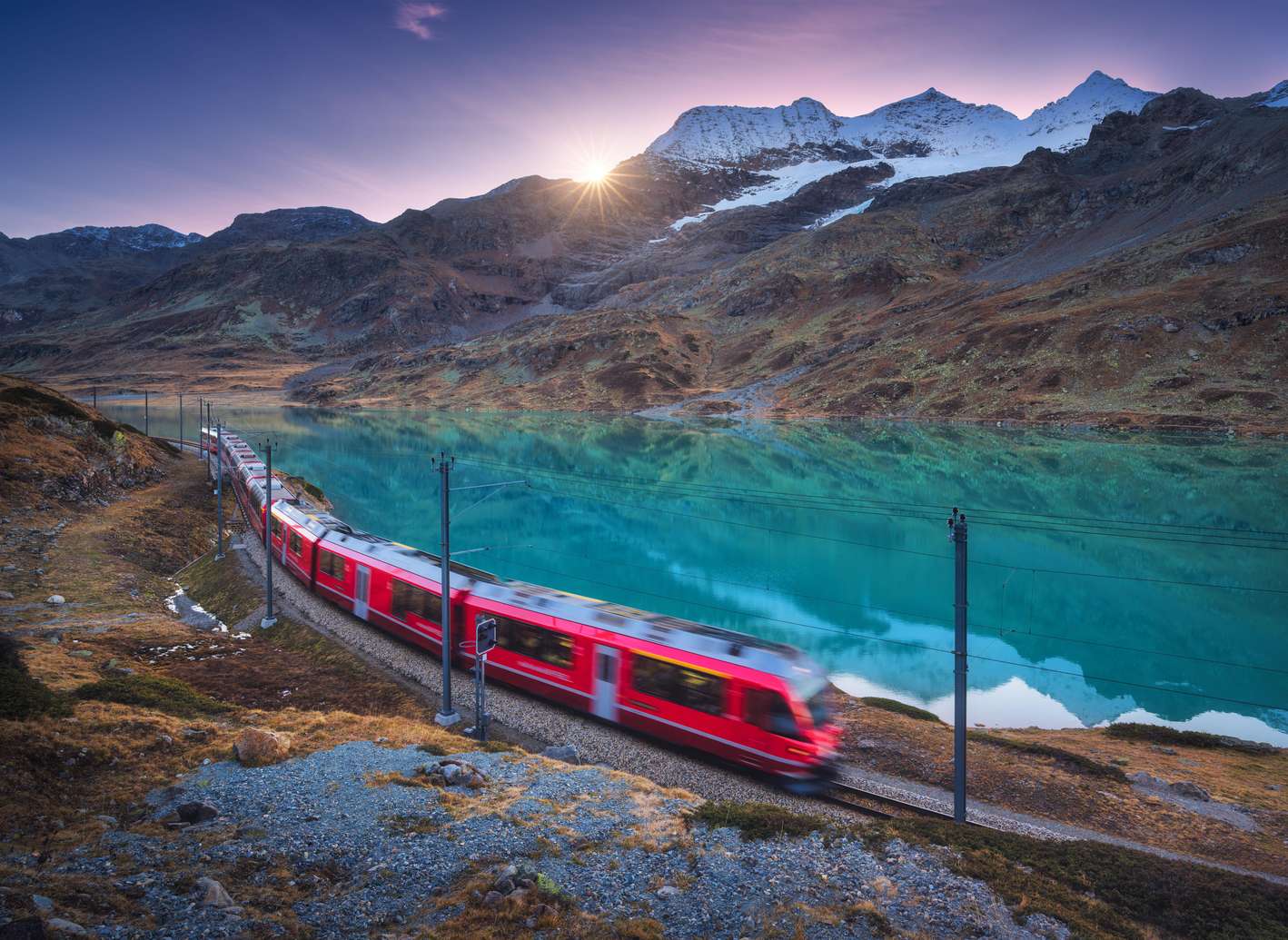
Both trains run the same UNESCO track, past the Morteratsch Glacier and over the pass with no summit tunnel, so the scenery is identical. The difference sits in the carriage.
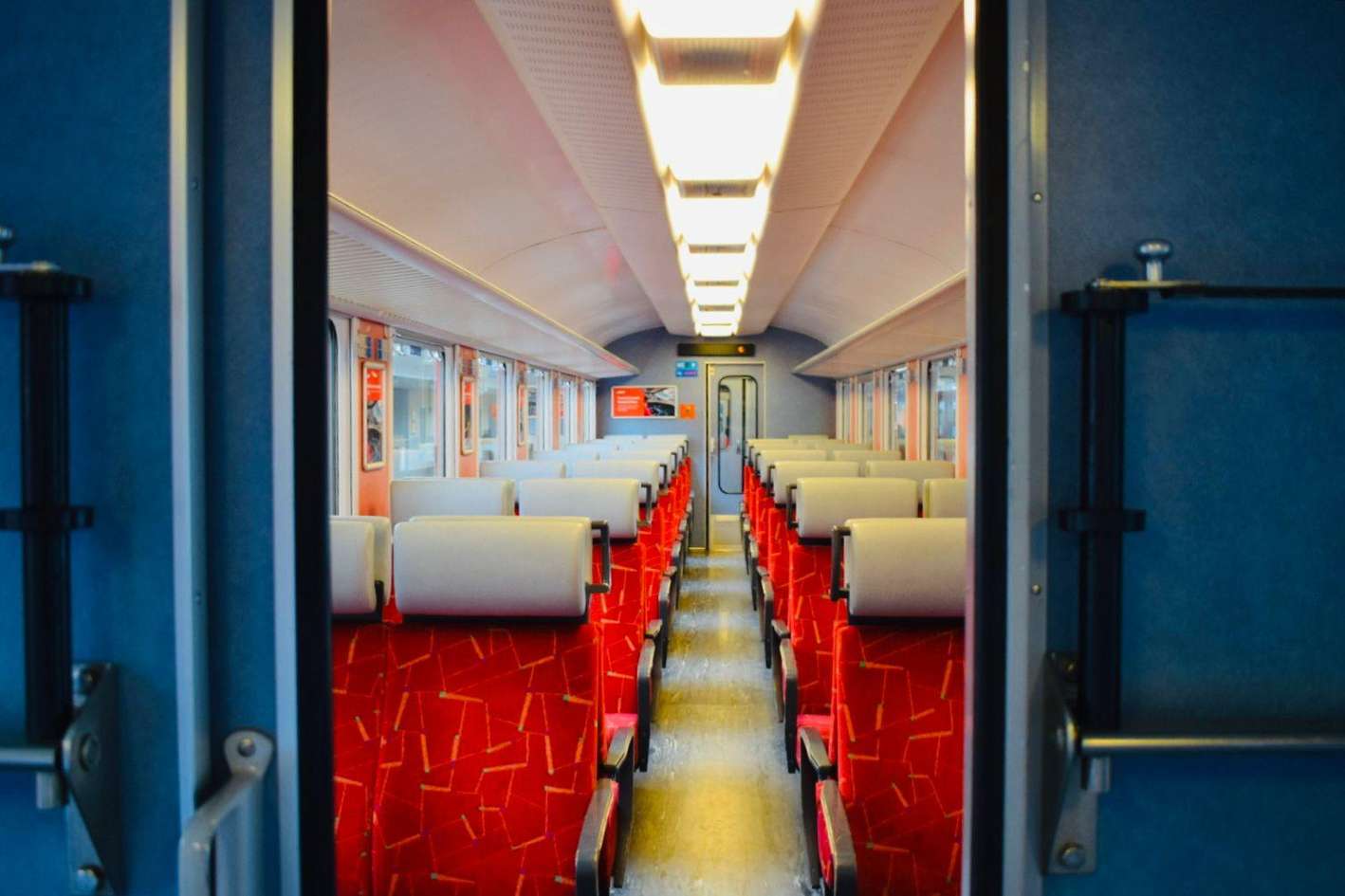
The Bernina Express has panoramic cars whose windows curve up into the roof, plus Wi-Fi and on-board service, and it runs as a direct train. Riding it costs a mandatory seat reservation fee on top of the ticket, charged for children too and owed even by travel-pass holders.
Reservations on the panoramic cars sell out four to six weeks before peak summer and ski dates, so early booking is part of the price of the big windows.
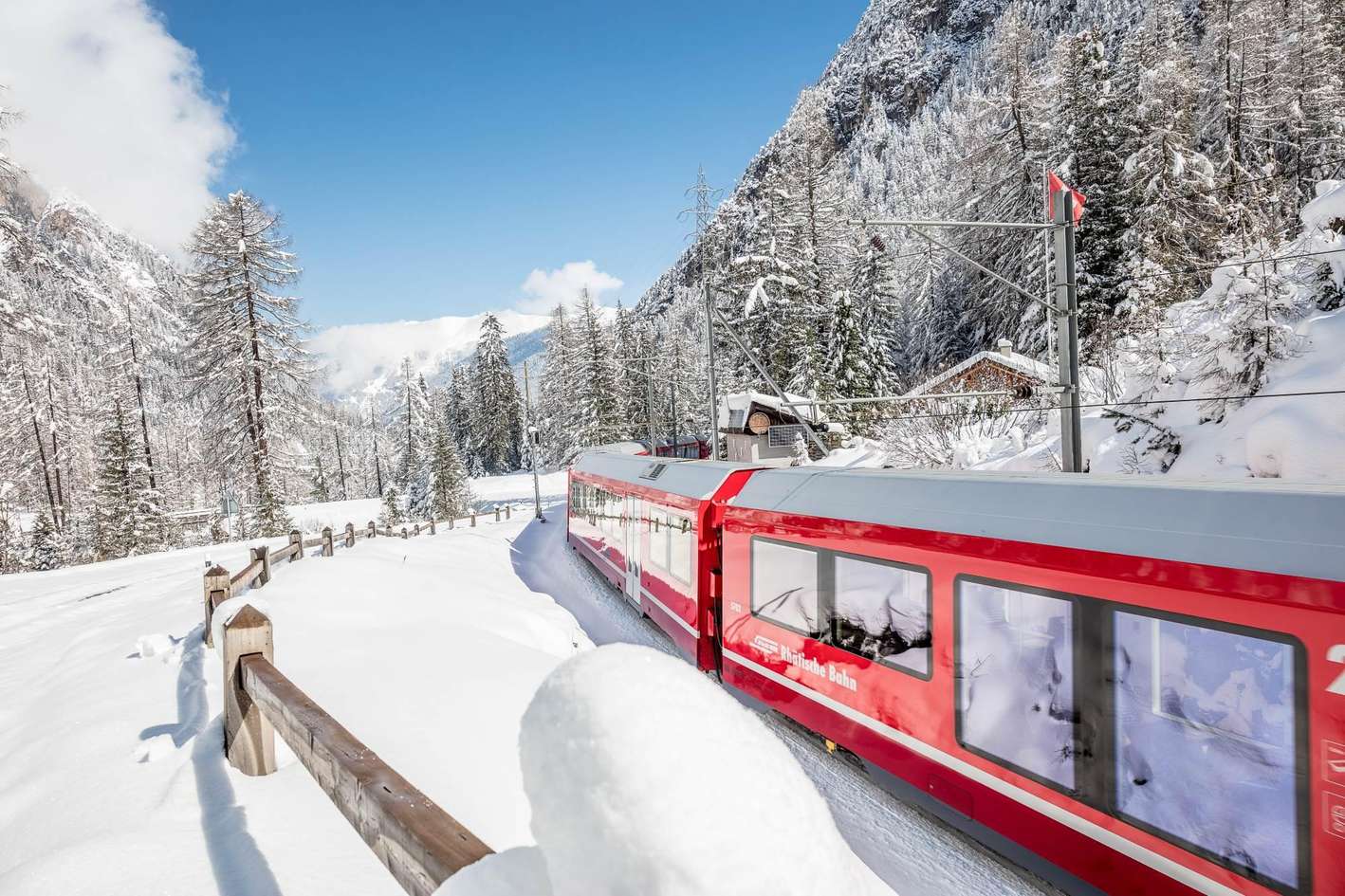
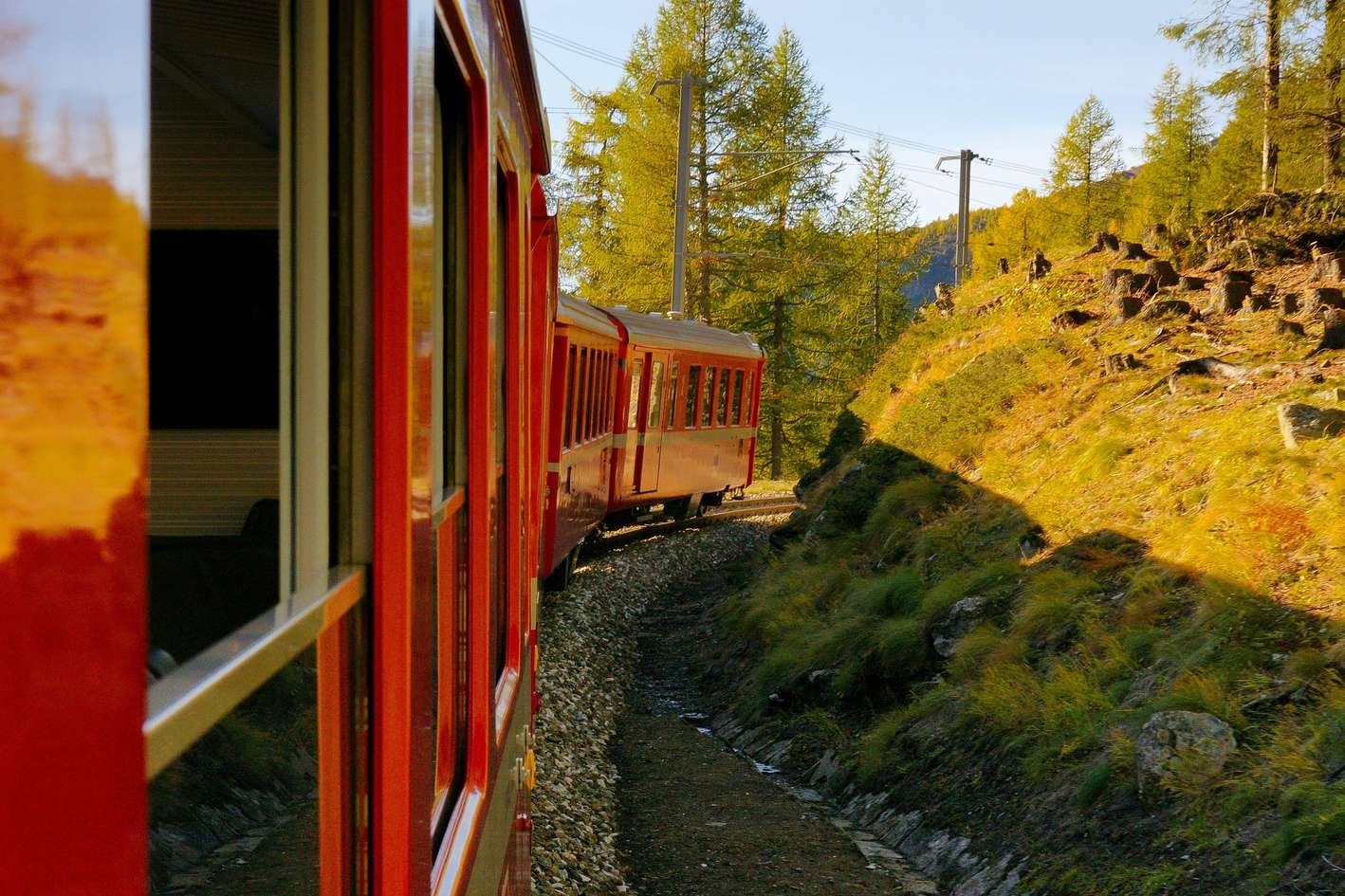
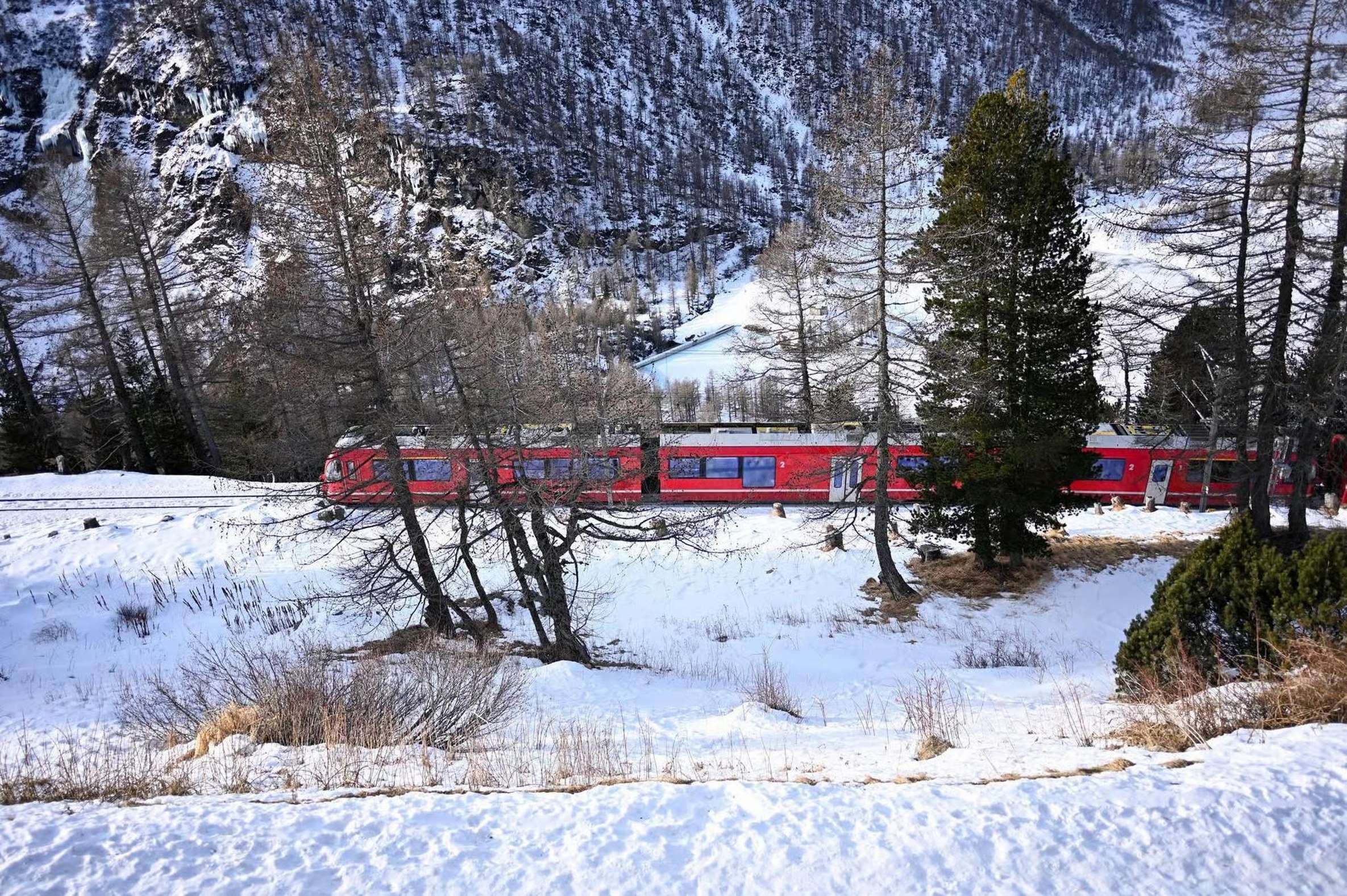
Regional trains, the ones locals call the Trenino Rosso or Bernina Red Train, run a more frequent timetable, take optional reservations only, and let you hop off at an intermediate station and catch a later one.
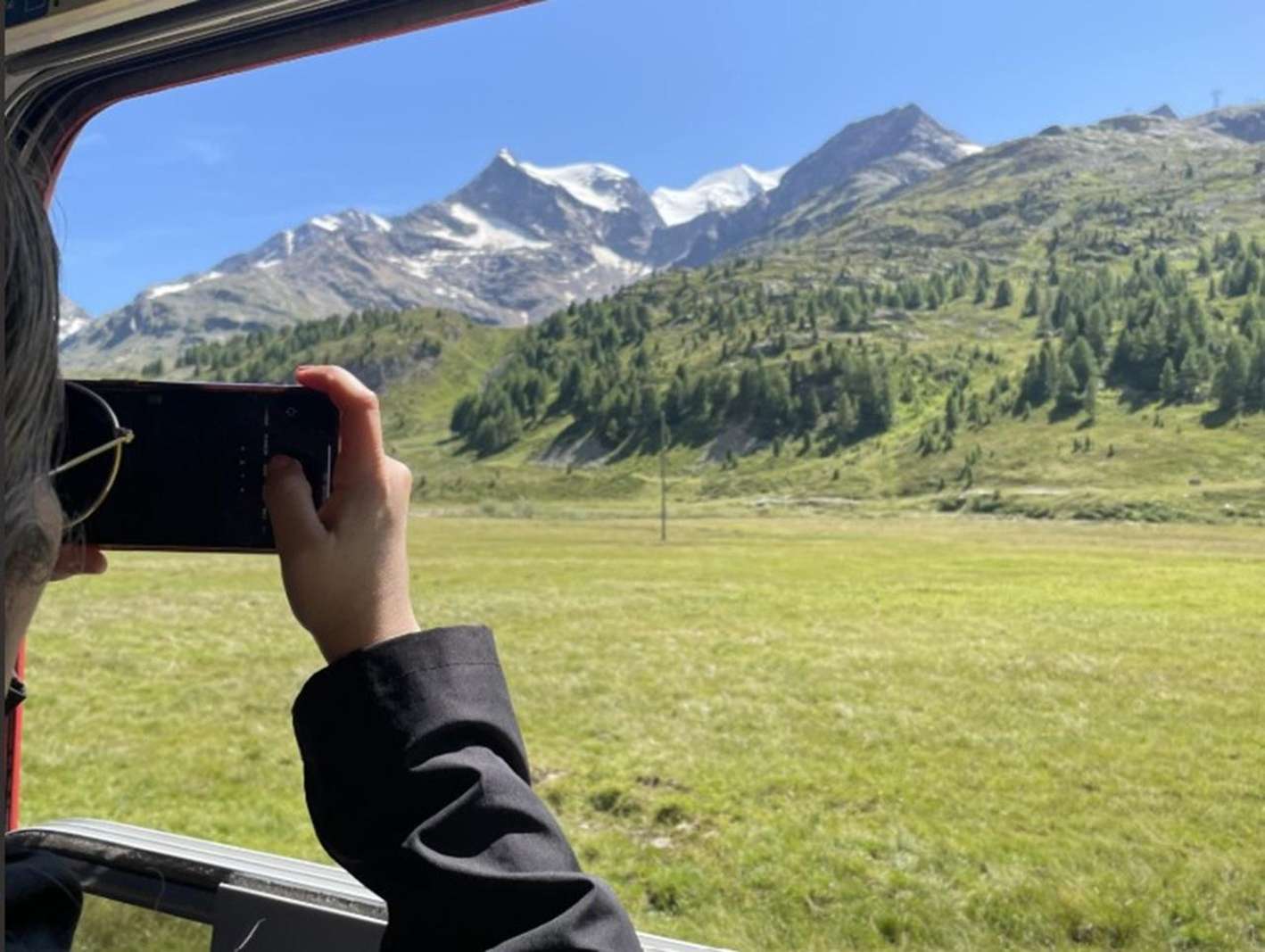
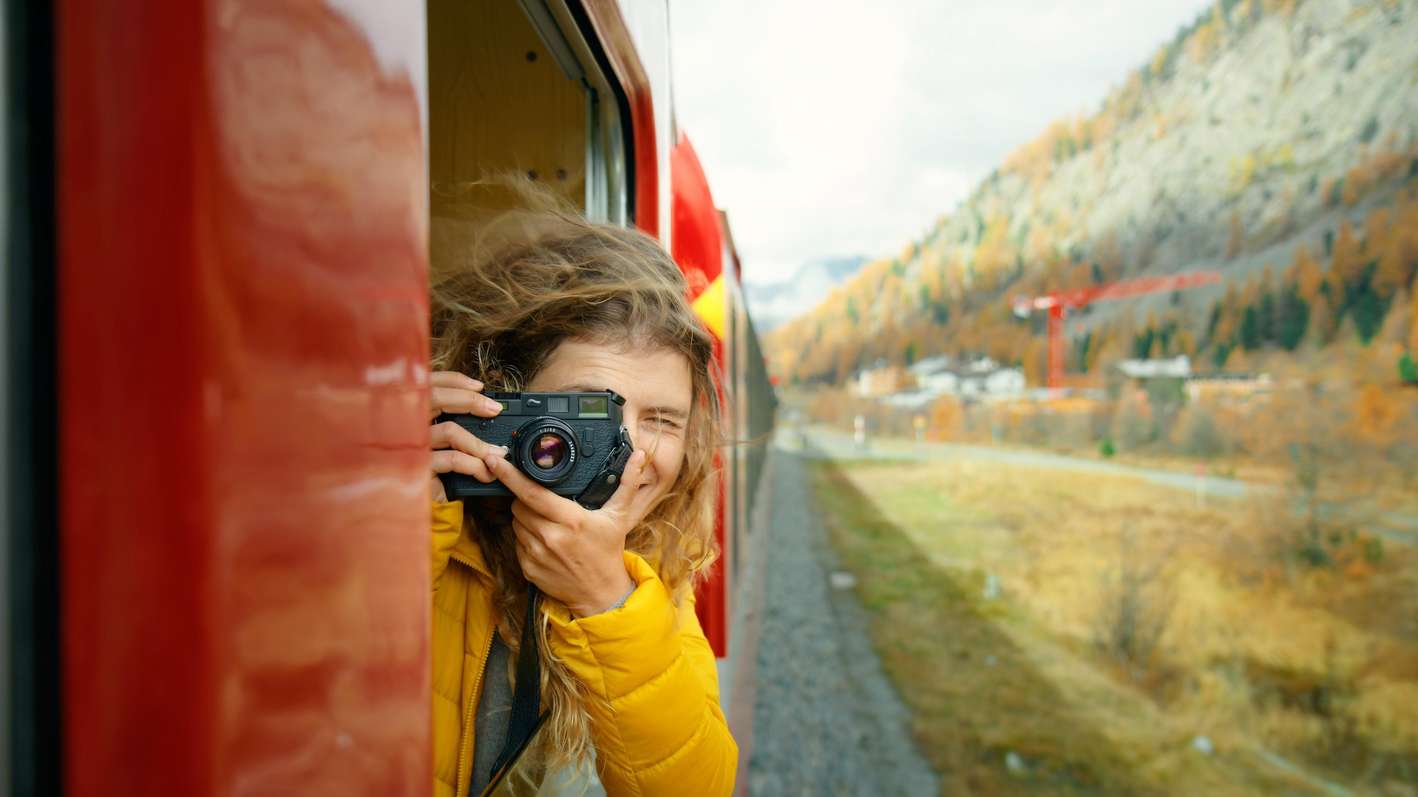
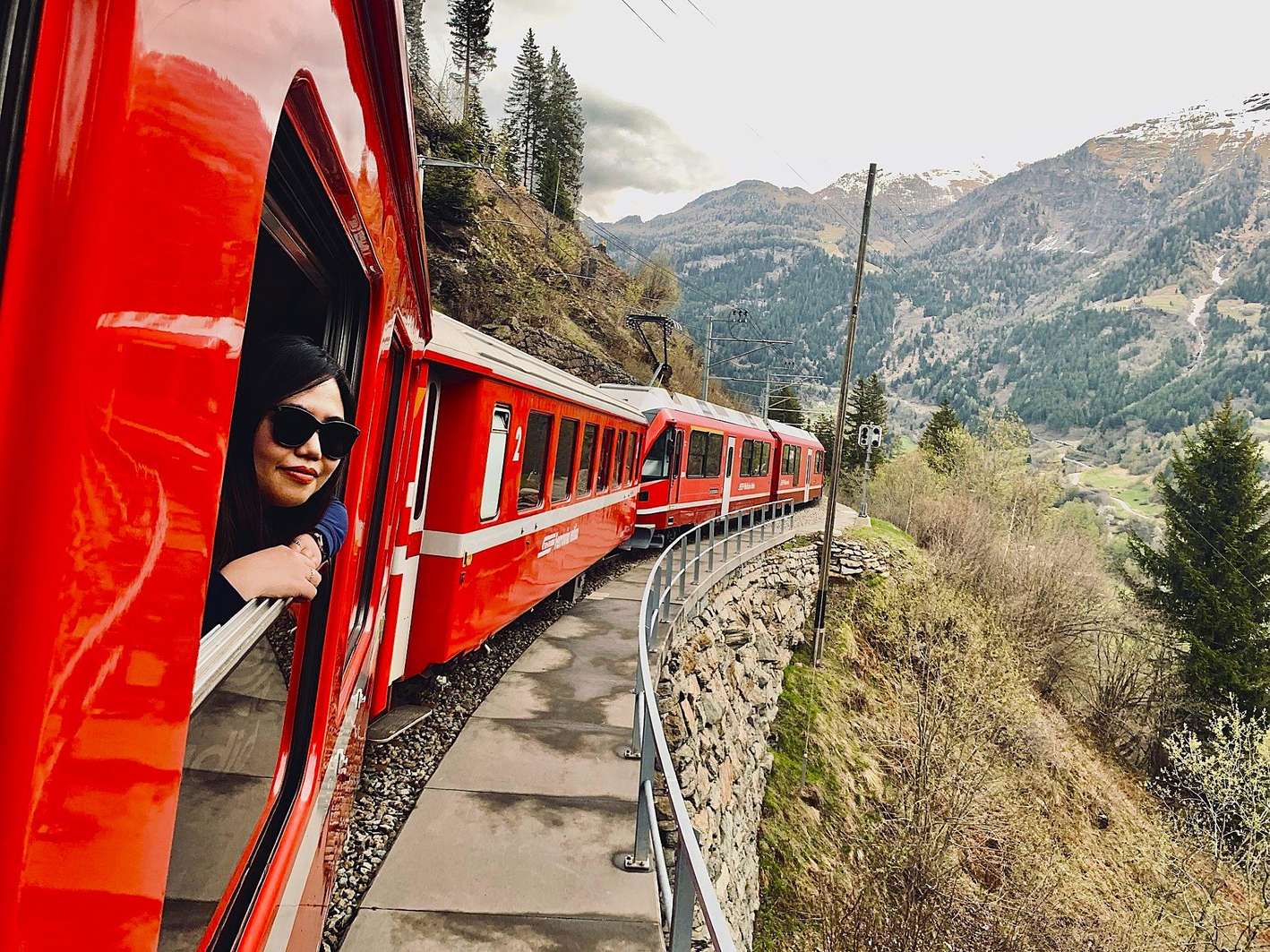
Photographers, note the trade: regional second-class carriages have windows that open, which means photos with no glass glare. The panoramic cars stay sealed. For a route ridden once in a lifetime, the express is worth its fee; in rain it still works, since mist and cloud make their own drama.
One option on this route, the From Milan: Bernina Train, Swiss Alps & St. Moritz Day Trip, runs the standard carriages with opening windows and books up as a 12-hour coach-and-rail day.
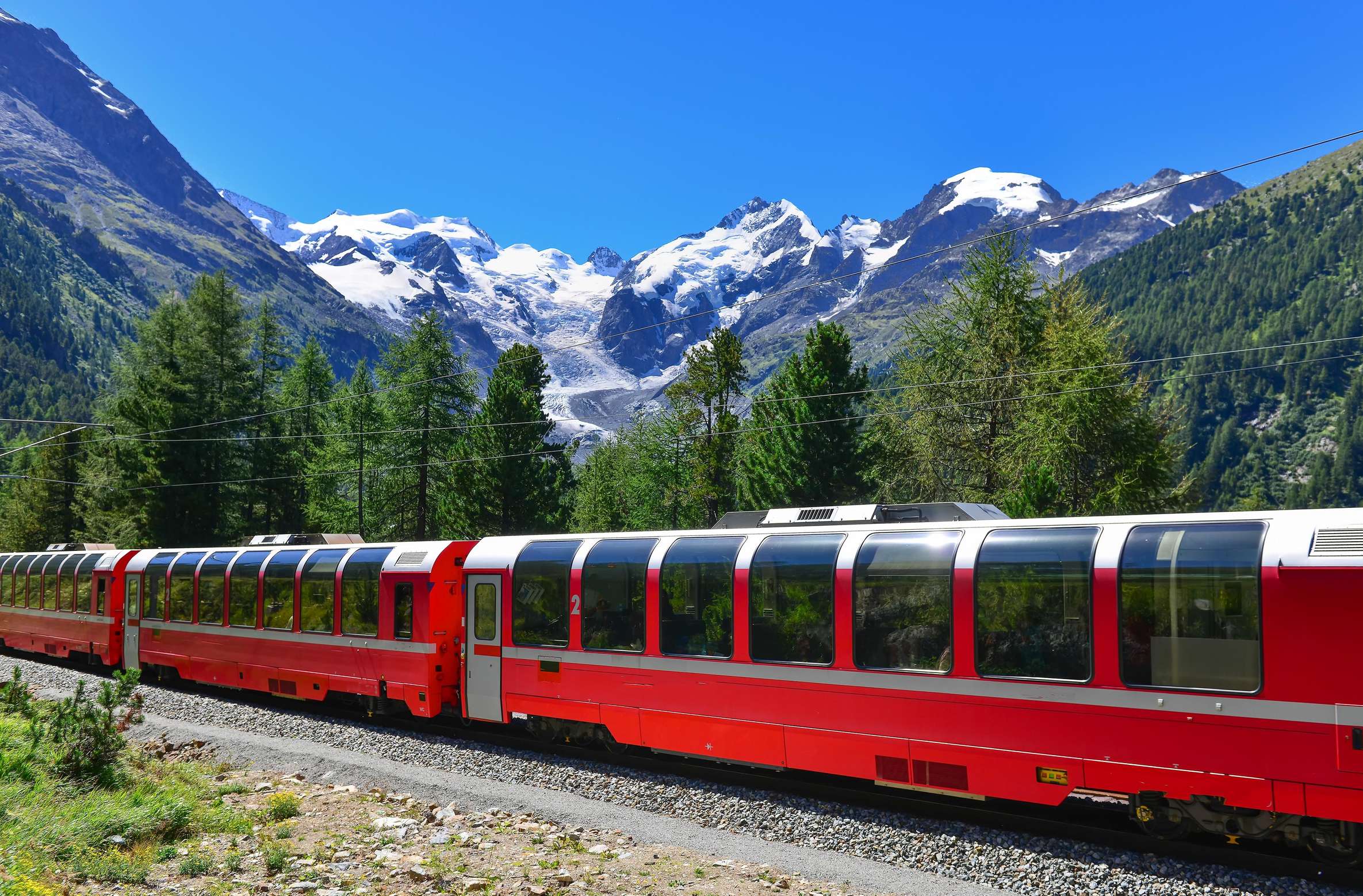
Doing it yourself takes a steady hand with a timetable. The Trenord regional train leaves Milano Centrale and reaches Tirano in about 2 hours 30 minutes. Both stations in Tirano sit on the same square: exit the Italian one, turn left, and the Rhaetian Railway building is a 90-second walk across Piazza delle Stazioni.
Leave 30 to 60 minutes of buffer here, then climb 2 hours 11 minutes to 2.5 hours over the Bernina Pass. Call it 5 to 5.5 hours each way, four train connections in a day.
Watch the Italian side of the plan. Maintenance between Milan and Tirano closes sections and substitutes buses, which shifts departures earlier and can eat your Tirano connection. Add buffer at every step so a slow leg costs you minutes and your connection survives.
One variant skips Tirano entirely: some tickets run the Bernina line from St. Moritz to Thusis, a 1 hour 30 minute ride that passes the Landwasser Viaduct and ends in a small Swiss town. If yours does, the last town of the line holds sights worth the walk:
A stop like that rewards an unhurried hour, which is exactly what the independent itinerary can give. The full payoff of doing it yourself arrives in the next chapter: roughly three hours of St. Moritz instead of two.
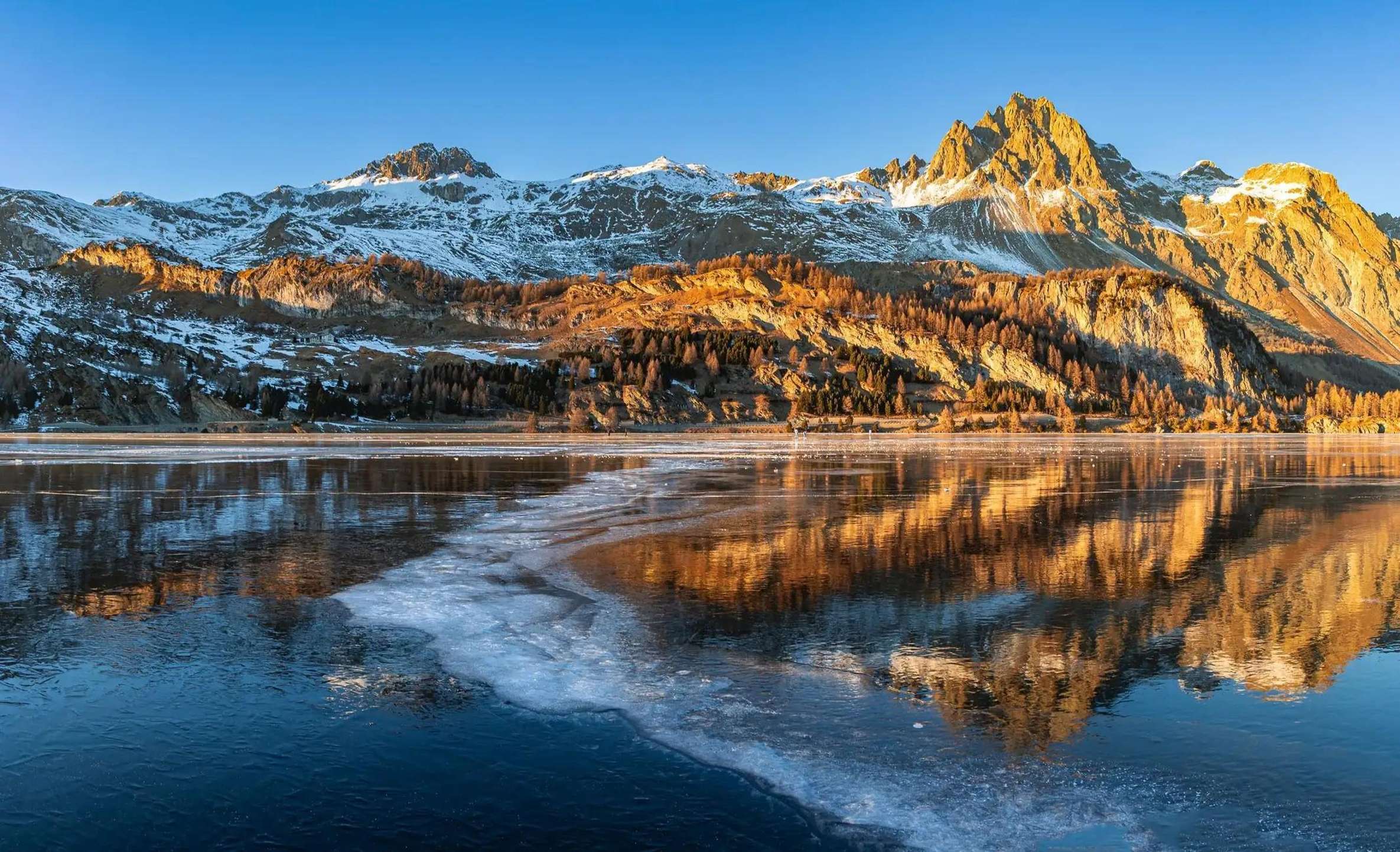
St. Moritz greets you with a clock already running. Take the 8:20 am out of Milano Centrale and connect onto the Bernina Express, and you arrive at 1:11 pm with about 3.5 hours before the 4:48 pm back to Tirano.
On a tour, plan on 1 to 2.5 hours, occasionally less if traffic bites. Both work; they just ask different plans.
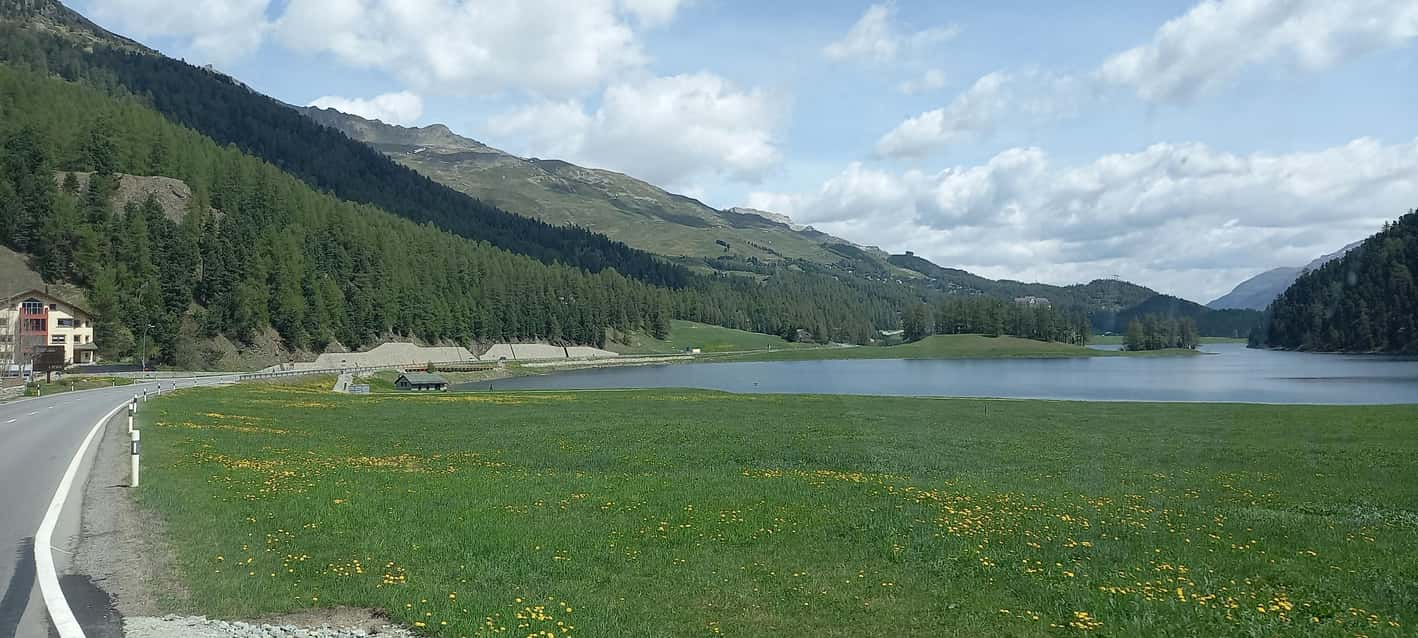
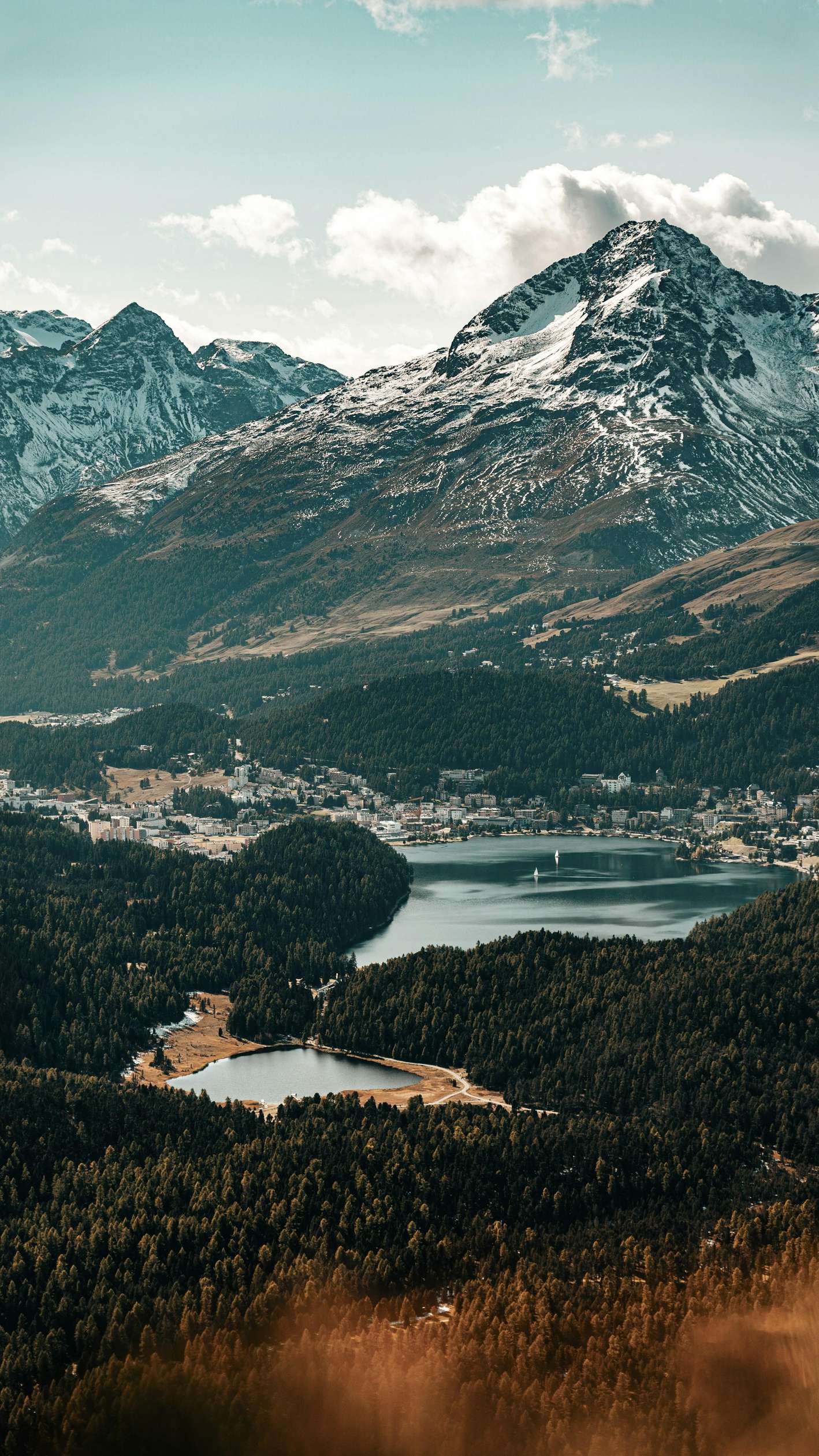
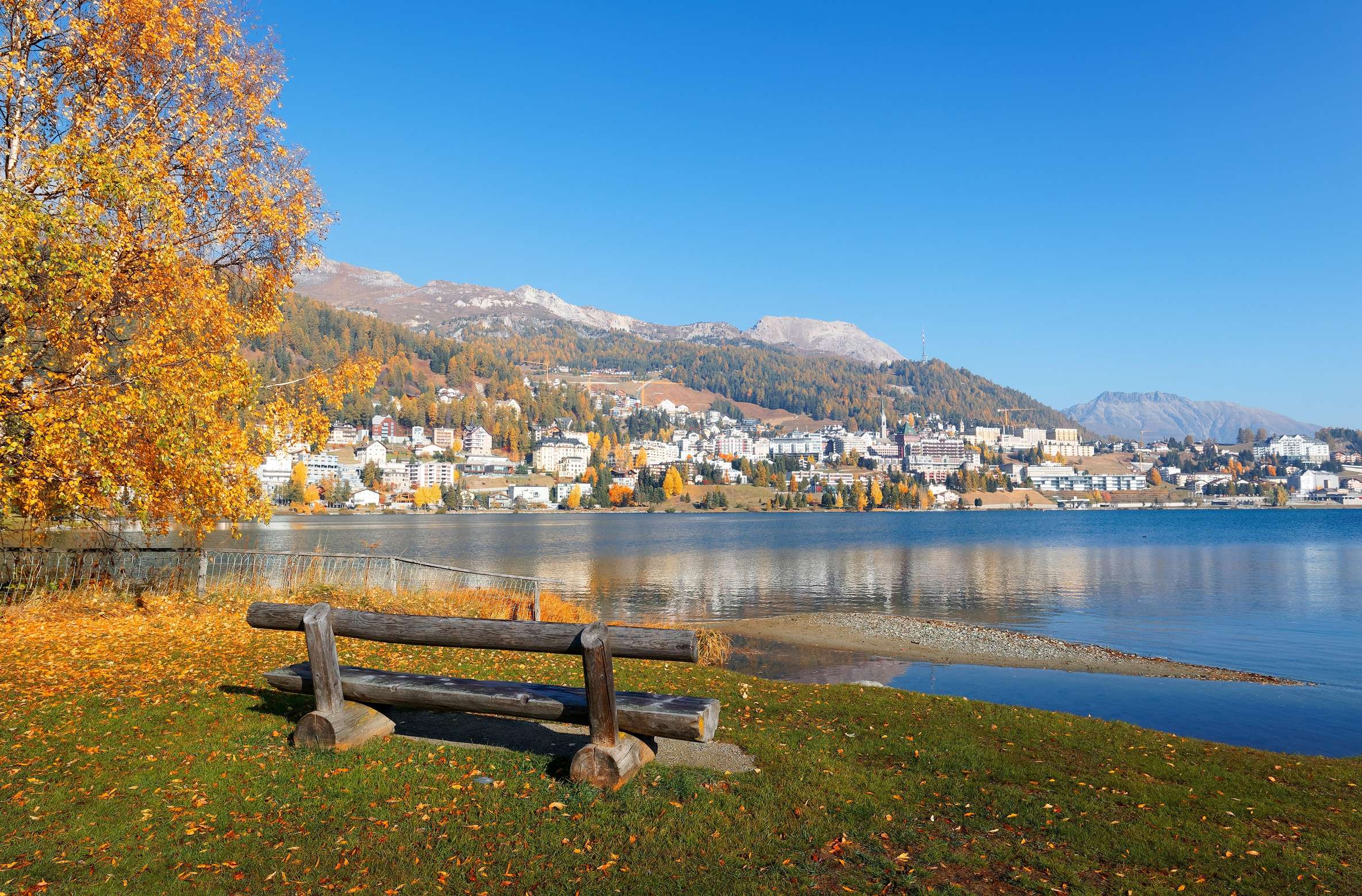
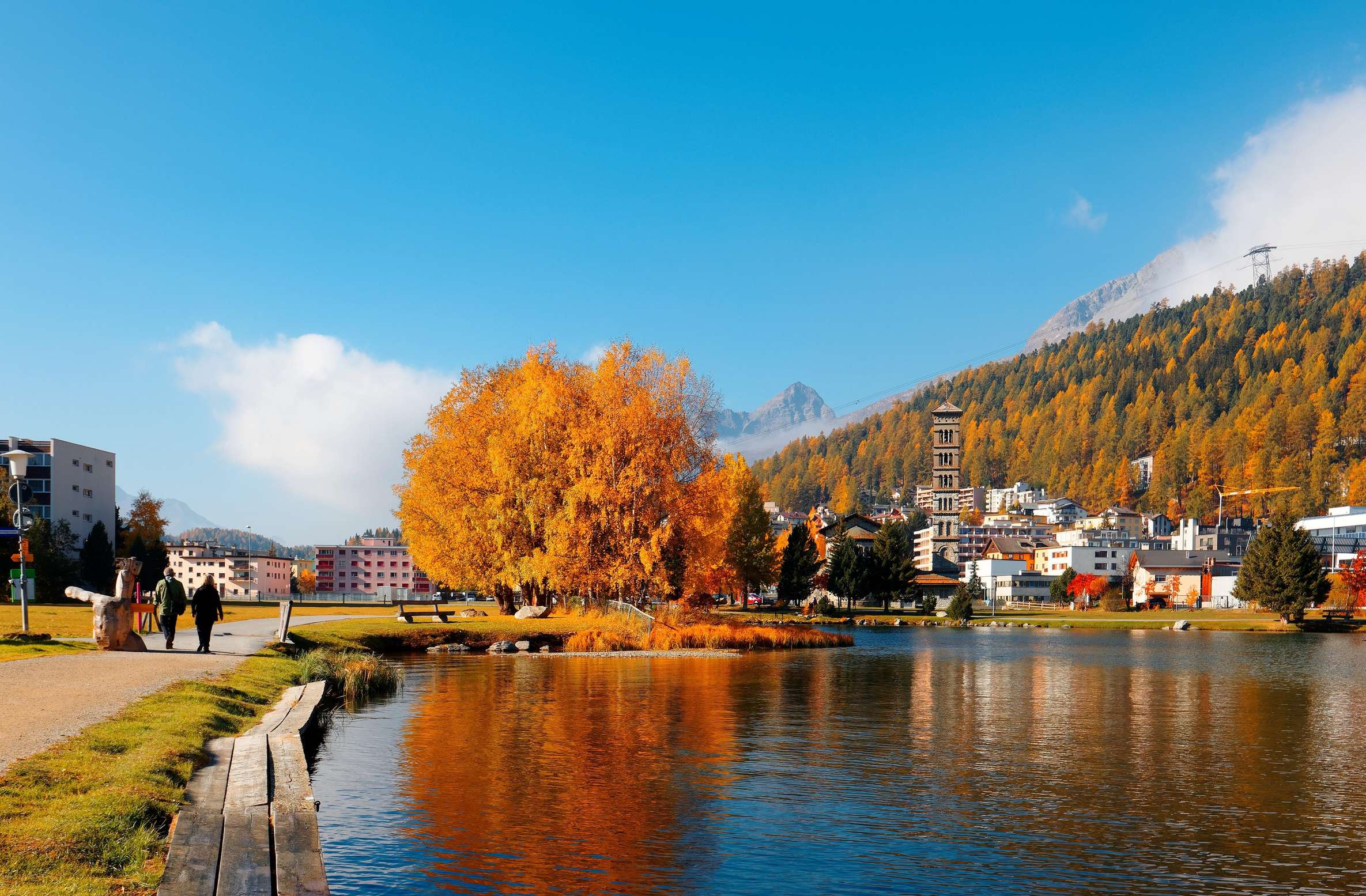
With two hours, walk the lake promenade, then the town center, and stop for coffee or a quick plate. With three and a half, add a slow loop of the shops and the shoreline both ways.
Dress in layers either way, because the town sits above 1,800 meters and the wind off the lake has an edge even in sun.
Spectacular views from the train, truly gorgeous. Lorenzo was an extraordinary guide, attentive and informative. Very comfortable train. St. Moritz's lake is lovely, though the town itself has little to see beyond luxury shops.
One practical note on bags: St. Moritz station has lockers in three sizes, plus a counter during opening hours. Tirano has no lockers at all, only a luggage counter, so a daypack beats a rolling case on the independent itinerary.
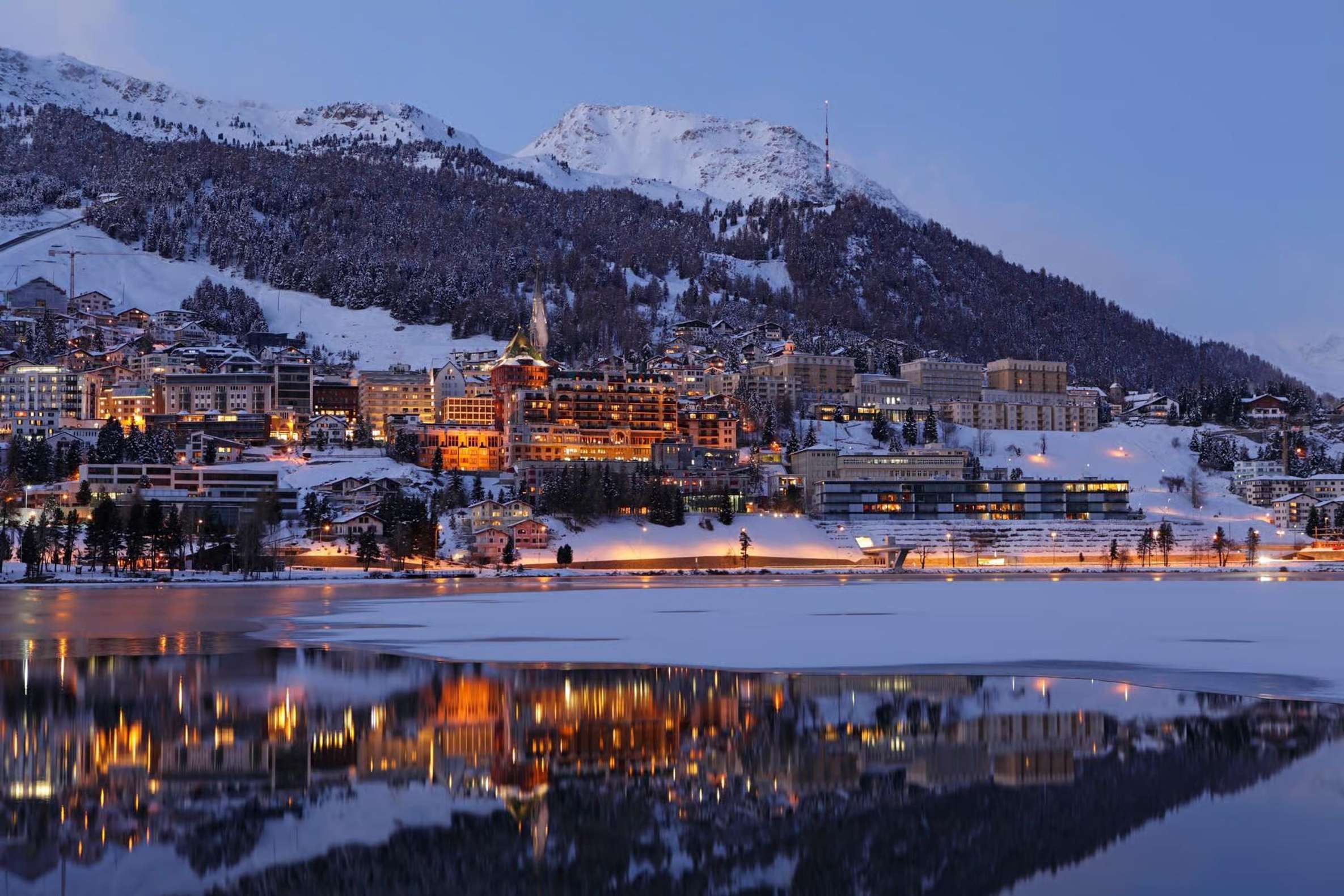
A car buys freedom and charges the longest day for it. The route runs north on the SS36 past Lecco and along Lake Como's eastern shore to Colico, then on to Chiavenna and the Swiss border at Castasegna, a working customs post where papers are checked.
Beyond it the Val Bregaglia road climbs tight hairpins to the Maloja Pass at 1,815 meters, kept open year-round, then flattens past Sils and Silvaplana into St. Moritz. About 170 km and 3 hours in free-flow traffic.
The Maloja road needs no vignette at all; the sticker matters only on Swiss motorways, and Switzerland sells no short-term version, only an annual one.
Winter rules bite between mid-November and mid-April: Italian alpine roads require winter tires or chains in the car, and where a sign says Schneeketten obligatorisch, chains go on with a 50 km/h cap. In heavy snowfall the pass takes chains or four-wheel drive only.
Count the real cost before choosing the wheel: 6 to 9 hours of pure driving on the round trip, 10 to 12 door to door with border queues, breaks and the traffic that piles up around Lake Como.
And never plan to drop the car in Switzerland. Cross-border one-way fees run steep, so return it where you rented it.
Farther out, the peaks get more famous and the day gets tighter. For Interlaken, a EuroCity reaches Spiez in about 2 hours 45 minutes and a connecting train brings the total to 3 to 3.5 hours.
Grindelwald adds a second transfer and takes 4 to 4.5 hours one way; the 7:10 am departure lands you there at 11:10 with 4 to 6 hours to explore, on roughly 8 hours of round-trip rail.
The From Milan: Interlaken & Swiss Alps Day Trip wraps the same country in 13 hours: coach to Domodossola, the Green Train of the Alps over the Simplon Pass, then a Lake Thun cruise under the Eiger, Mönch and Jungfrau.
Zermatt runs on standard rails: a EuroCity to Brig in about 2 hours, a 10-to-20-minute connection, then 1 hour 20 minutes or so up the valley.
Leave Milan between 7 am and 8 am and you reach Zermatt by mid-morning with about 4 hours on the ground. Two rules matter here.
The village is car-free, so drivers park at Täsch and take the 12-minute shuttle; driving in without authorization brings large fines. And there is no packaged one-day guided format from Milan, so Zermatt rewards people who like building their own timetable.
The border is the one thing that can end the day before it starts, so the papers come first. EU and EFTA citizens enter Switzerland on a valid passport or national identity card.
Third-country nationals need a travel document issued within the last 10 years and valid at least 3 months beyond their Schengen departure, unless they hold a Schengen residence permit or category D visa, in which case it just needs to be valid for the stay.
Travelers who require a visa carry a valid category C or D visa alongside a recognized travel document, and a visa from any Schengen state generally removes the need for a separate Swiss tourist visa.
No valid passport or ID at the border The visit ends there, for tours and independent trains alike. Tours put the responsibility squarely on the traveler: bring the document, and any required visa, before departure day.
On the road and rail, joint Italian-Swiss patrols inspect traffic to deter irregular immigration. Passenger train checks happen with the train moving or statically at stations, so keep documents in a pocket you can reach from your seat.
Cards work almost everywhere in Switzerland, including contactless, so most visitors touch nothing but a card reader all day. Cash still earns its place at smaller family-run restaurants, alpine huts and farm stands, and some of those prefer Twint over notes.
Where euros are taken, and plenty of Swiss shops accept them, change comes back in francs at a poor exchange rate, so paying in euros quietly costs you money twice.
Budget accordingly: Swiss alpine prices run roughly 30 percent above Milan's, noticeably on food. A coffee stop and a simple lunch in St. Moritz land heavier than the same meal back in Lombardy, which is another argument for the snacks in your bag.
One purchase to skip: the Swiss Travel Pass and the Eurail Pass both start at 3 or 4 travel days, so neither makes sense for a single day, and the pass would not even cover the Italian stretch from Milan. Point-to-point tickets win for a one-day trip, every time.
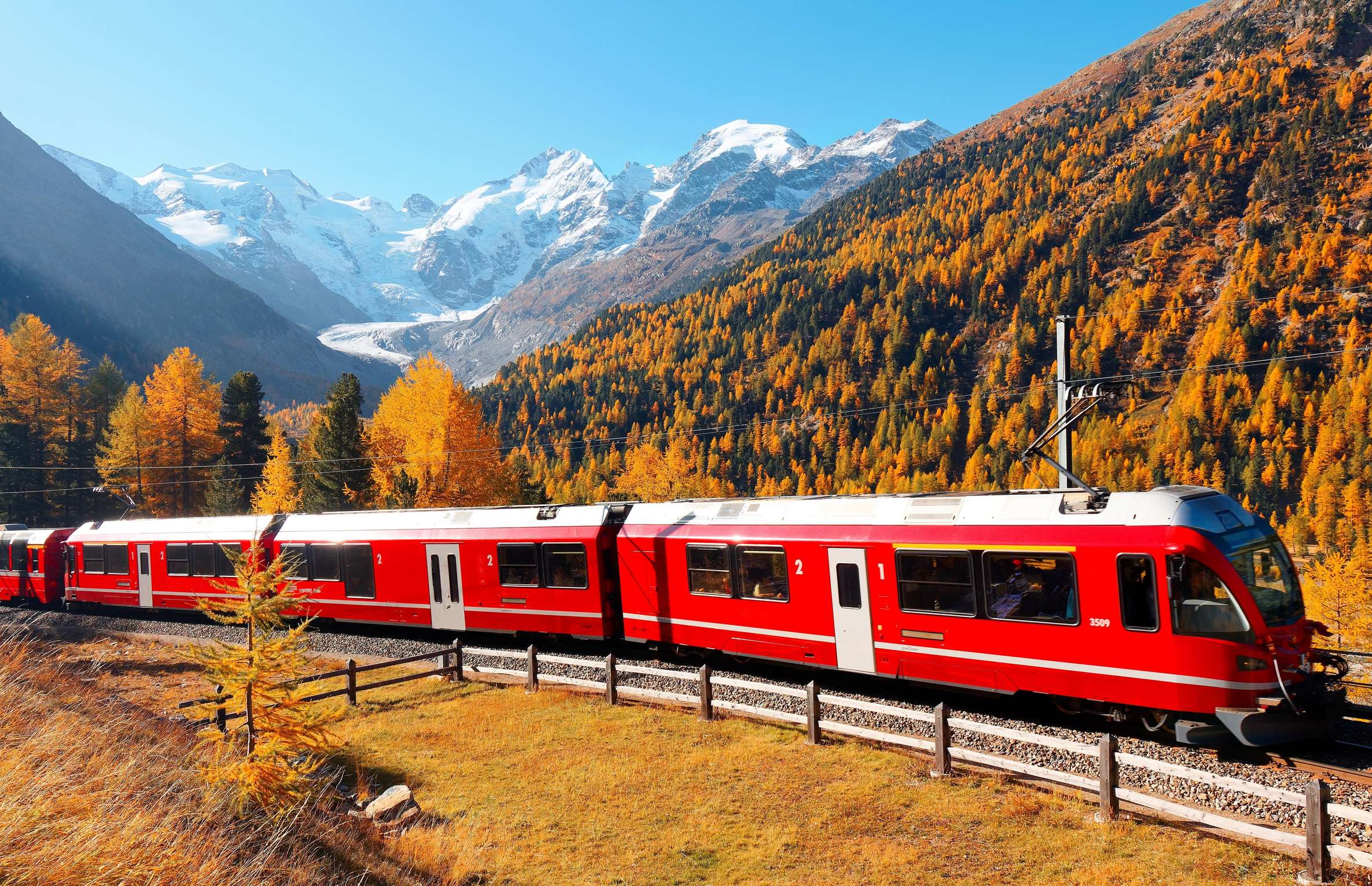
The mountains decide how much of the day you actually see.
Between November and February, alpine towns get 8 hours 37 minutes to 10 hours 20 minutes of light, with sunset as early as 4:36 pm in December, so coaches leave Milan in the dark around 6:50 am to 7:15 am and return near 9 pm.
The sightseeing window holds between late morning and about 4 pm; the valley legs at either end run in dusk or darkness.
For the best single trade, April and May are the sweet spot: 13.6 to 15 hours of daylight, snow still on the summits, green coming into the valleys.
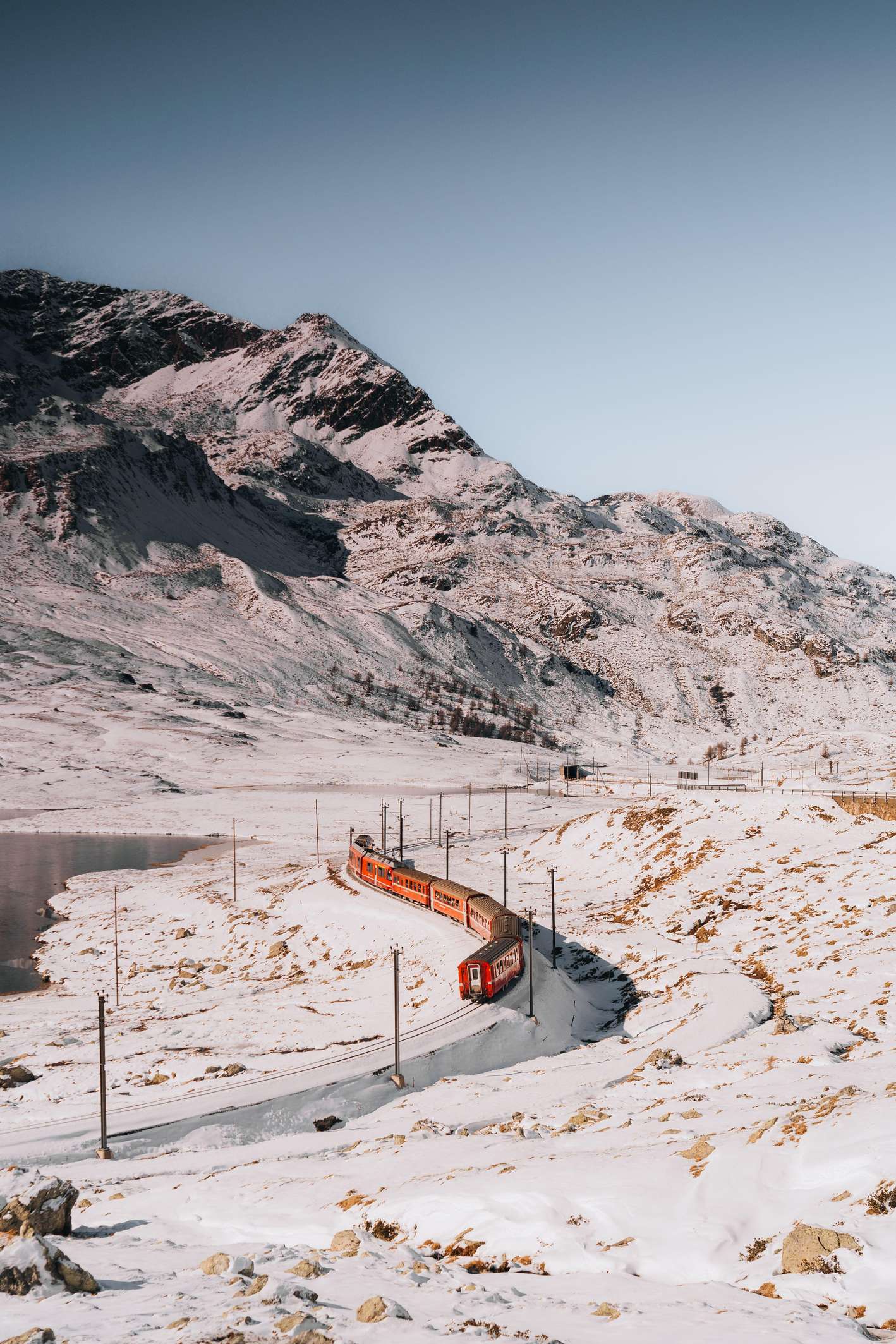
January buys the deepest snow, nearly 12 snow days a month at the pass with Lago Bianco frozen over. July brings wildflowers above 2,000 meters and long evenings, at the cost of snow on all but the highest glaciers.
January: 4 out of 5 for how busy it gets.
Tap a month to read it.
Two calendar cautions. St. Moritz closes down twice a year, mid-April into early June and mid-October into early December, when cable cars and many shops and restaurants shut for maintenance. And for the drive or coach back, Tuesday through Thursday beat the Friday-to-Sunday queues along the Como corridor.
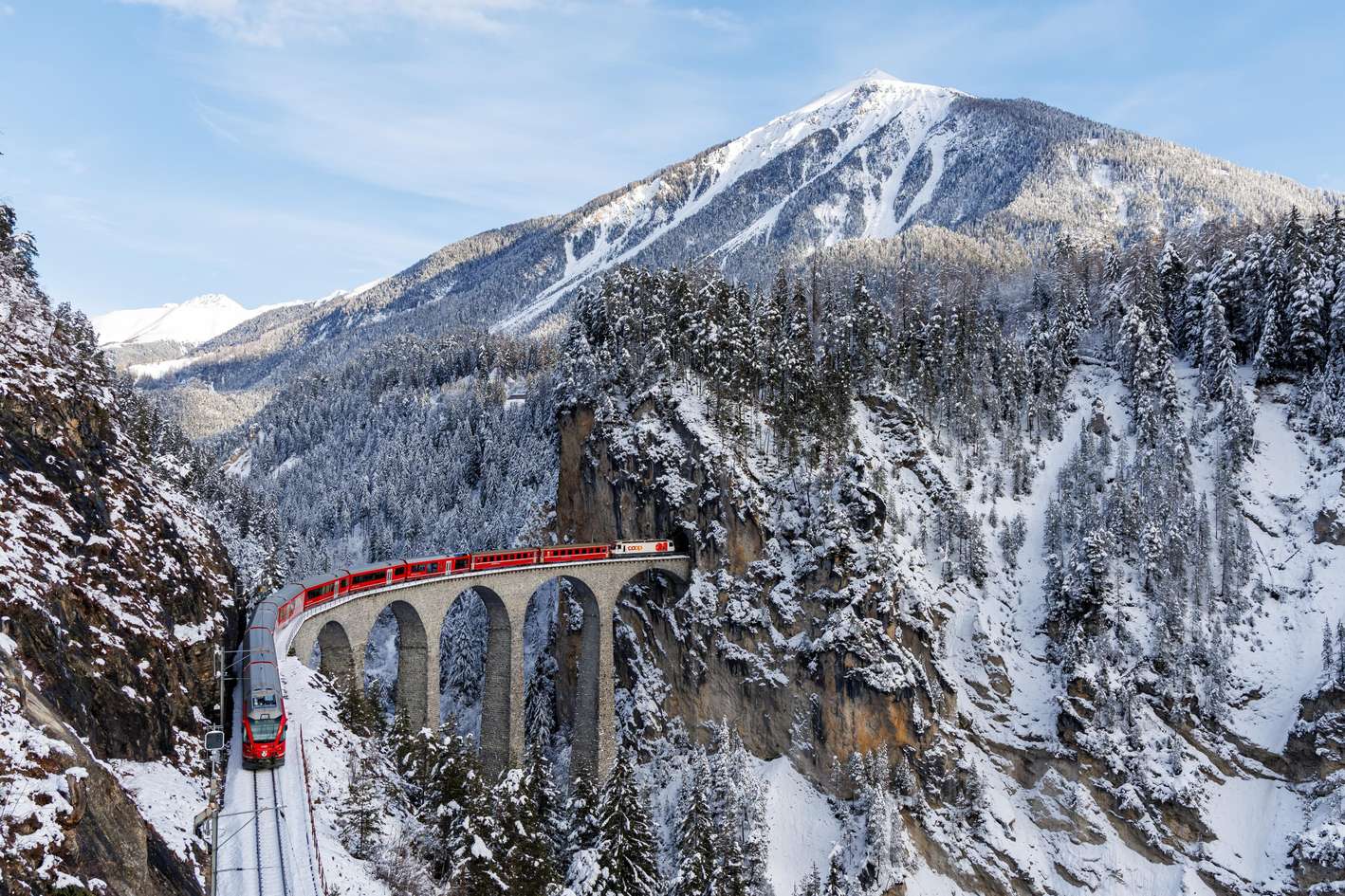
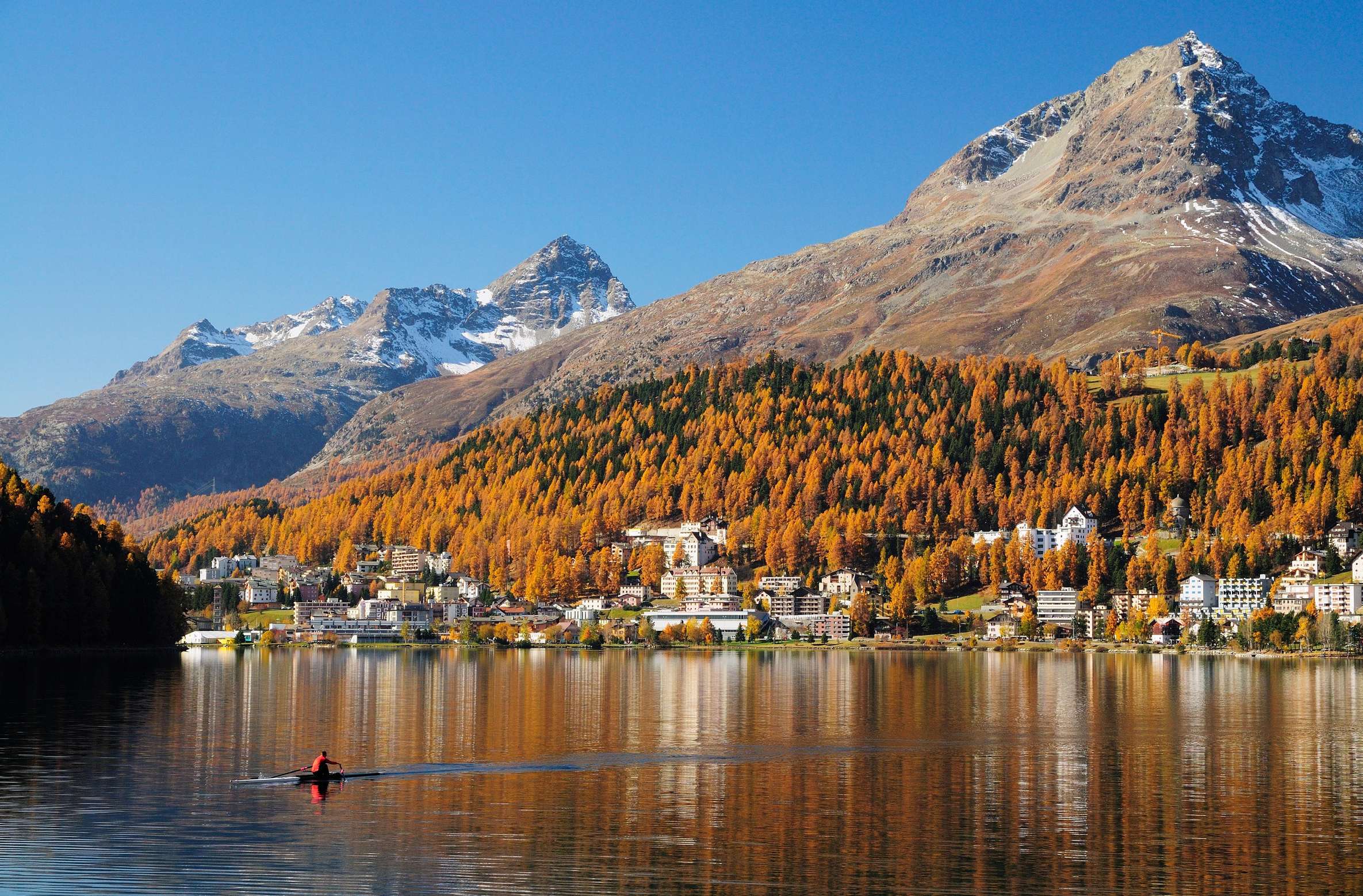
Not every Swiss day needs six hours of transit. Lugano sits 75 minutes from Milano Centrale on a direct EuroCity, no change, and pairs lakefront walks with funiculars up Monte San Salvatore and Monte Brè.
The LAC complex adds a concert hall, a theatre and the MASI modern art museum. It is the easiest first taste of Switzerland: Italian cafés under Swiss order, back in Milan for dinner.
Zurich runs 3 hours 20 minutes away by direct EuroCity, and the city rewards walkers: 11 minutes from the station to the Lindenhof viewpoint, 19 to the lake shore at Bürkliplatz, a complete old-town loop on foot in one to two hours.
Lockers sit one level down from the main concourse. Take a seat on the right-hand side heading north for the lake views, and remember that most shops shut on Sundays even though restaurants do not.
One connection worth knowing if you base yourself on Lake Como: direct Trenord trains from Varenna-Esino reach Tirano hourly in 1 hour 27 minutes, and the Rhaetian Railway station faces the square. Como town, by contrast, has no direct rail link to Tirano and needs over 3 hours via Monza.
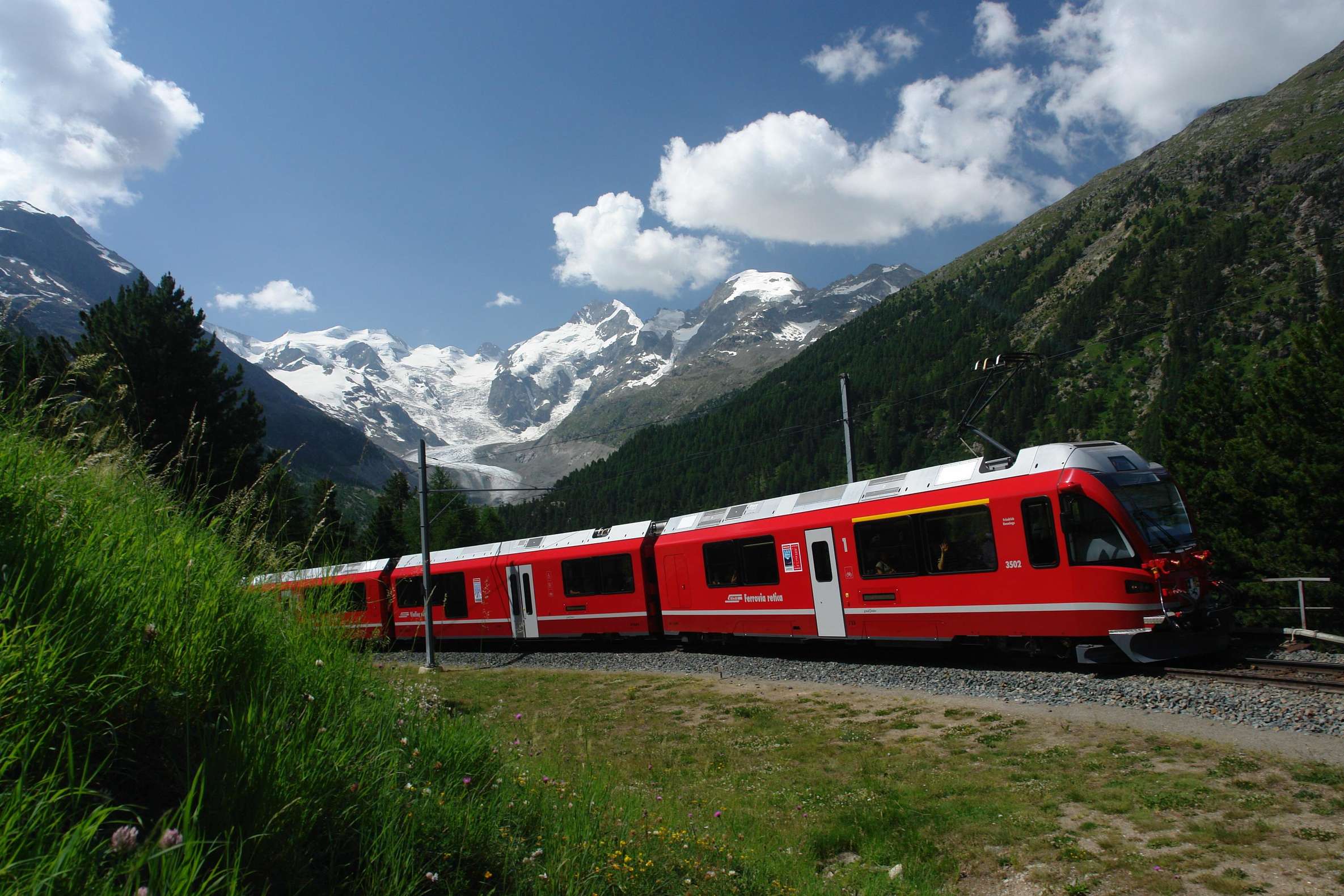
Everything above folds into one decision. A guided tour hands the coach, the pre-booked train seat and every transfer handoff to one booking, and when weather or rail trouble appears, the operator reroutes the day while you stay with the group.
Going independent buys about three hours in St. Moritz instead of two, at the price of four self-managed connections and tickets bought in two countries.
| If this happens | What happens then |
|---|---|
| Heavy snow or a rail disruption | The operator adjusts schedules, stop sequences and even the direction of travel for safety; on the Bernina line, rare avalanche closures can shut the mountain section. |
| Traffic on the return around Lake Como | The coach runs late; midweek departures clear the corridor far more easily than Friday through Sunday. |
| You miss the departure | The tour terms, not the railway's, decide what is recoverable, and cancellation windows are short, so treat the meeting time as fixed. |
The honest weighting: take the tour if you want the Bernina scenery without touching a timetable. Take the independent train if three unhurried hours in St. Moritz and a self-built day sound like the point. Drive only if you accept the longest day of the three and will return the car in Italy.
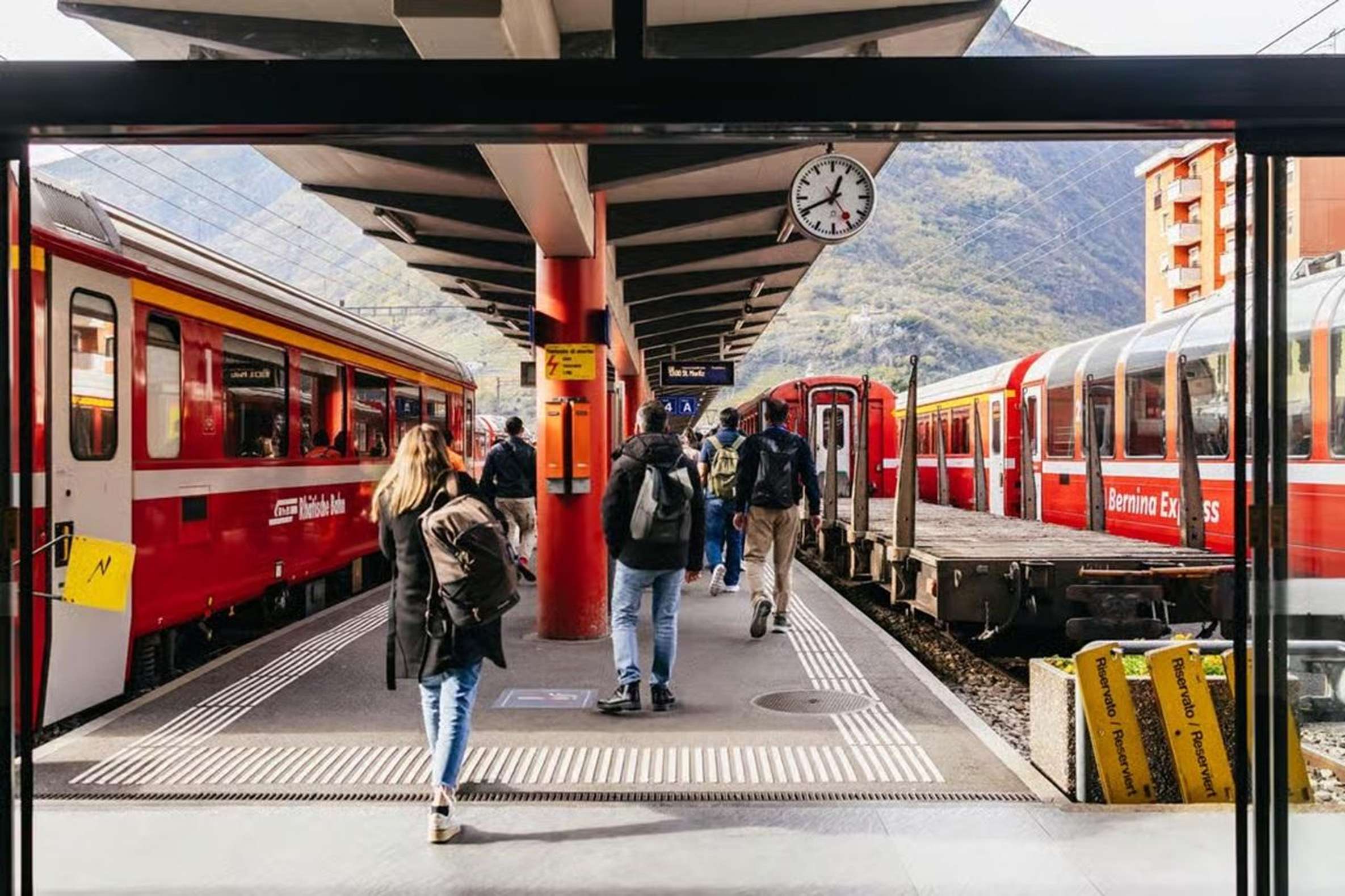
A guided tour wins for most visitors: one booking covers the coach, the train seat and every transfer, and someone else solves the delays while you watch the pass go by.
Go independent if three unhurried hours in St. Moritz and four train connections sound like the point of the day. The rental car suits only drivers who accept the longest day and will return the car in Italy.
Yes, and people do it every day. Lugano is only about 1 hour 15 minutes from Milano Centrale by direct train, and the Alps are reachable too: coach and Bernina rail tours run 11 to 13 hours door to door and have you back in Milan the same evening.
About 5 to 5.5 hours each way. The direct regional train from Milano Centrale to Tirano takes roughly 2 hours 30 minutes, then you walk across the square to the Swiss station and board the Bernina train for another 2 hours 15 to 30 minutes up the pass to St. Moritz.
Expect 12 to 14 hours door to door for the whole round trip.
Bring your passport or ID card, because the tours cross an international border. EU and EFTA citizens can use a national identity card.
Other travelers need a passport issued within the last 10 years and valid for at least three months after leaving the Schengen area, unless they hold a Schengen residence permit or visa. Visitors who already hold a Schengen visa generally need no extra Swiss tourist visa.
Both trains run on the exact same UNESCO World Heritage tracks past the Brusio viaduct, Lake Bianco and the Morteratsch Glacier.
The panoramic Express has large windows curving into the roof, Wi-Fi and onboard service, and needs a paid seat reservation on top of the ticket. The regional red train costs less, runs more often, and its windows open, which photographers like for glare-free shots.
Most tours give you 1 to 2.5 hours in St. Moritz, and a visit to Tirano on some itineraries is extra.
That is enough for a walk along the lake, a coffee and a bit of shopping. If you want more hours on the ground, traveling independently by train gets you roughly 3 hours in town.
Dress in layers and wear sturdy walking shoes with good grip. Milan can be hot while the Bernina Pass at 2,253 meters runs up to 20 degrees colder, so carry a fleece and a windproof jacket. Sunglasses and sunscreen matter too, since glare off snow and glaciers is strong at altitude.
Cards are accepted almost everywhere in Switzerland, and contactless payment is common in St. Moritz. Smaller family-run restaurants and alpine huts may prefer cash, though. You can often pay in euros at a poor exchange rate, with change given in francs, so a small amount of francs or a card is the better plan.
You do not have to. Meals happen during the free hour or two in St. Moritz or at short stops with local shops, and some tours include lunch at Diavolezza at 3,000 meters. Bring a few snacks anyway, since free time is short and food on the train is limited.
Most depart between 7:00 and 7:30 in the morning, with check-in 15 to 20 minutes before. The early start is deliberate: daylight in the Alps runs short, and in December sunset in St. Moritz comes as early as 4:36 pm, so the coach needs the morning road hours to give you mountain time by day.
No. Both the Swiss Travel Pass and Eurail passes start at 3 or 4 travel days, so a single-day pass does not exist. For one day trip, individual point-to-point tickets cost far less, and you would still need a separate ticket for the Italian stretch from Milan.
You can. Milan to St. Moritz is about 174 km and takes 2.5 to 3 hours over the Maloja Pass, which stays open all year.
But the round trip means 6 or more hours of driving on mountain roads, and in snow you need chains or four-wheel drive. A rental car picked up in Italy must also go back to Italy, or steep cross-border fees apply.
Tours handle it for you. Guides adjust the route, run the itinerary in reverse, or retime stops when traffic, weather or rail works get in the way, and the return leg usually goes by coach even if the outbound was by train.
That is the quiet advantage of booking rather than piecing together four connections on your own.
One day, one red train, the Bernina Range from Milan: reserve your spot now and cancel free up to 24 hours before departure.