 Our top pick
From Milan: St. Moritz and Bernina Express Tour
Time in St. Moritz, approximately 2.5 hours
From$152 /person
See dates and book Free cancellation
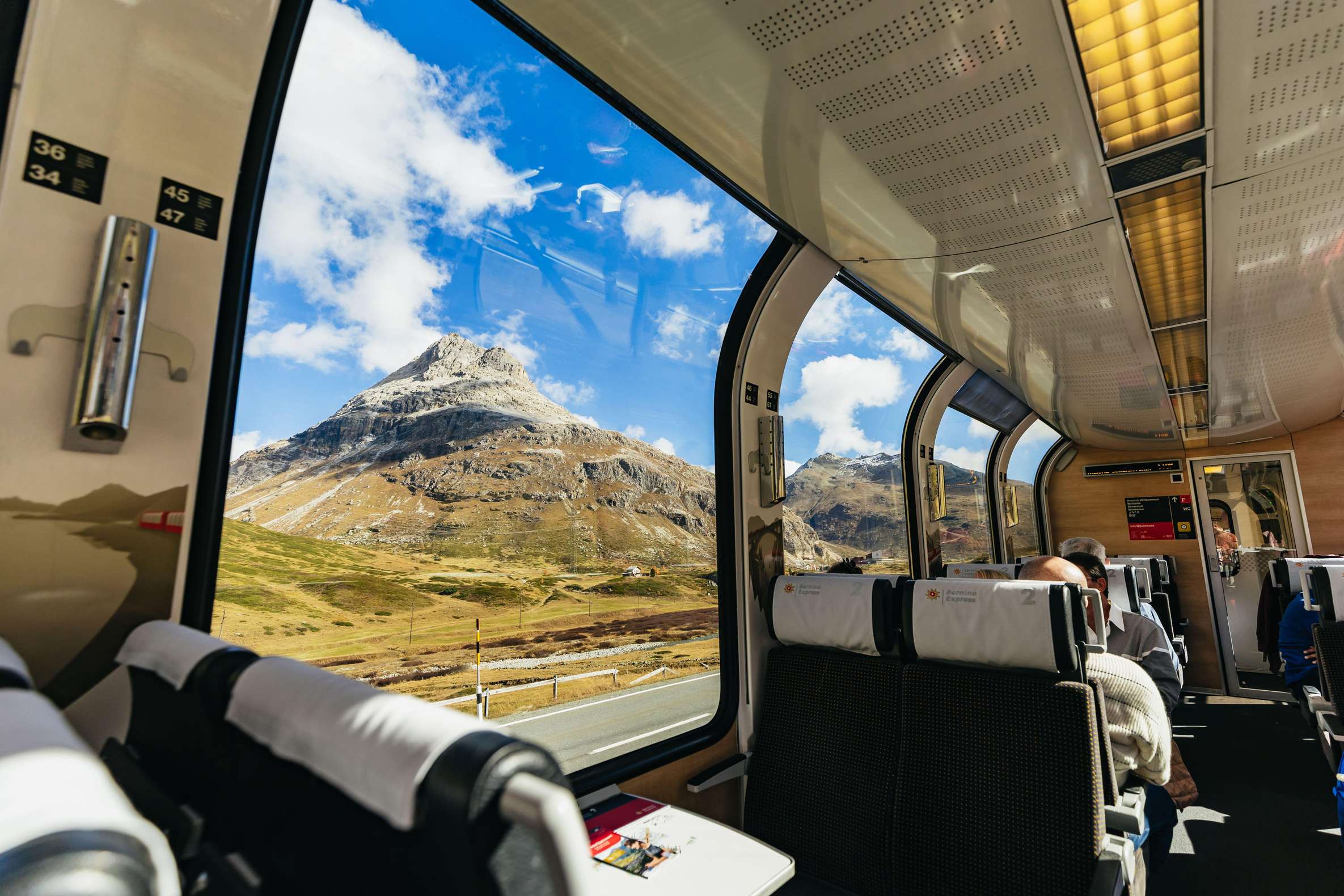
Book a Bernina Express tour from Milan and let a guide handle the trains, the border and the timetable. Ride in a guaranteed panoramic carriage or a regional car with windows that open for glare-free photos, get free time by the lake in St. Moritz, and return to Milan by coach with the mountains still in your camera roll. Around 13,000 travelers have made this trip and called the long ride worth it.
“Wonderful day with Pablo and Mario! Friendly, knowledgeable, and lots of fun. We learned plenty, laughed even more. Highly recommend this tour, thank you both for an unforgettable experience! ❤️”
Every tour here runs as a full-day round trip: a coach out of central Milan in the morning, the Bernina line over the pass, and free time in St. Moritz before the evening return.
Our top pick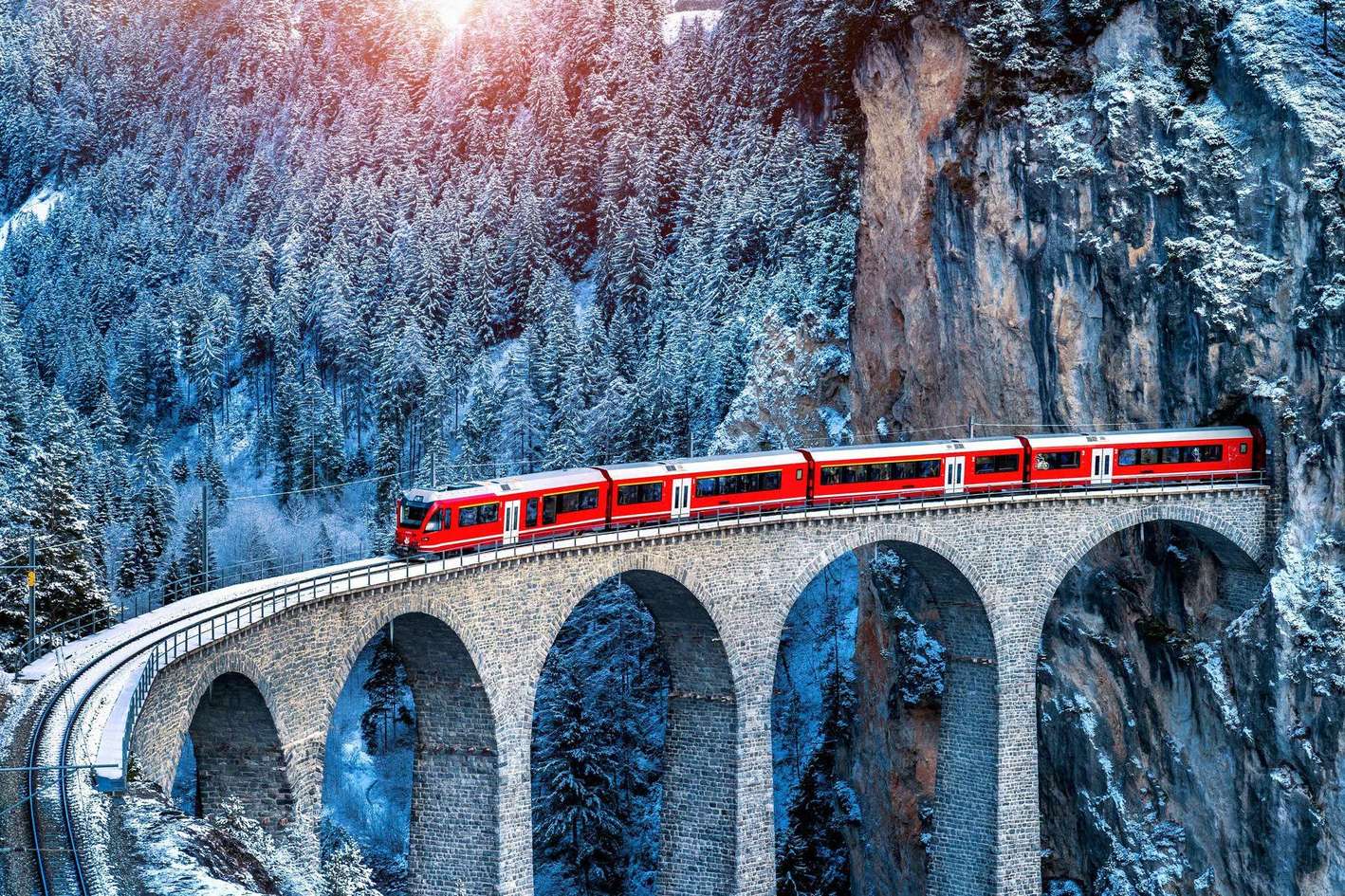
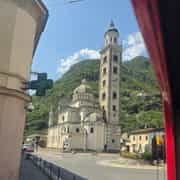
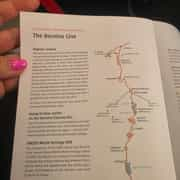
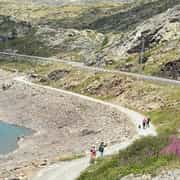
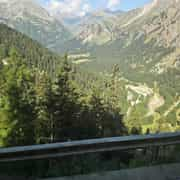
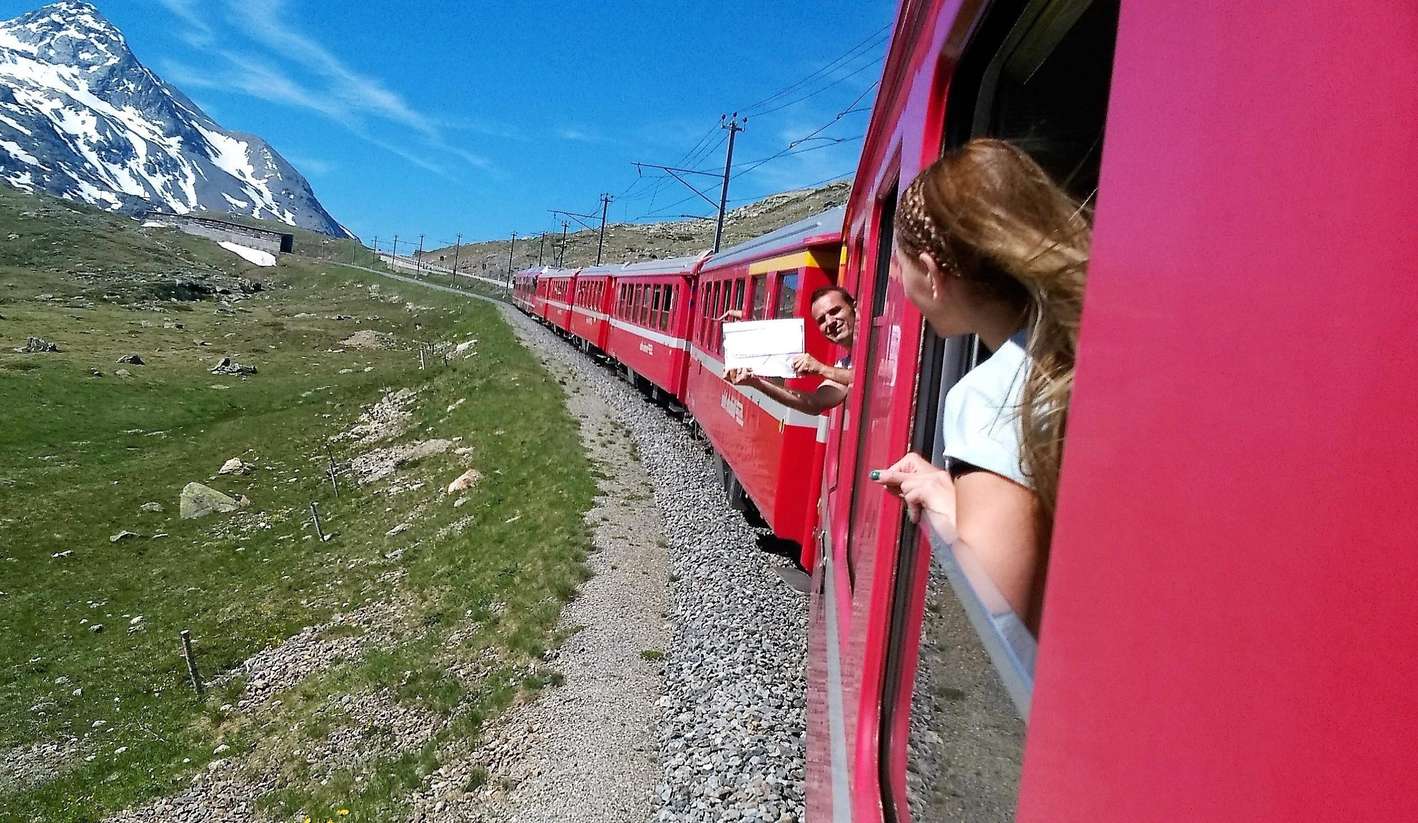
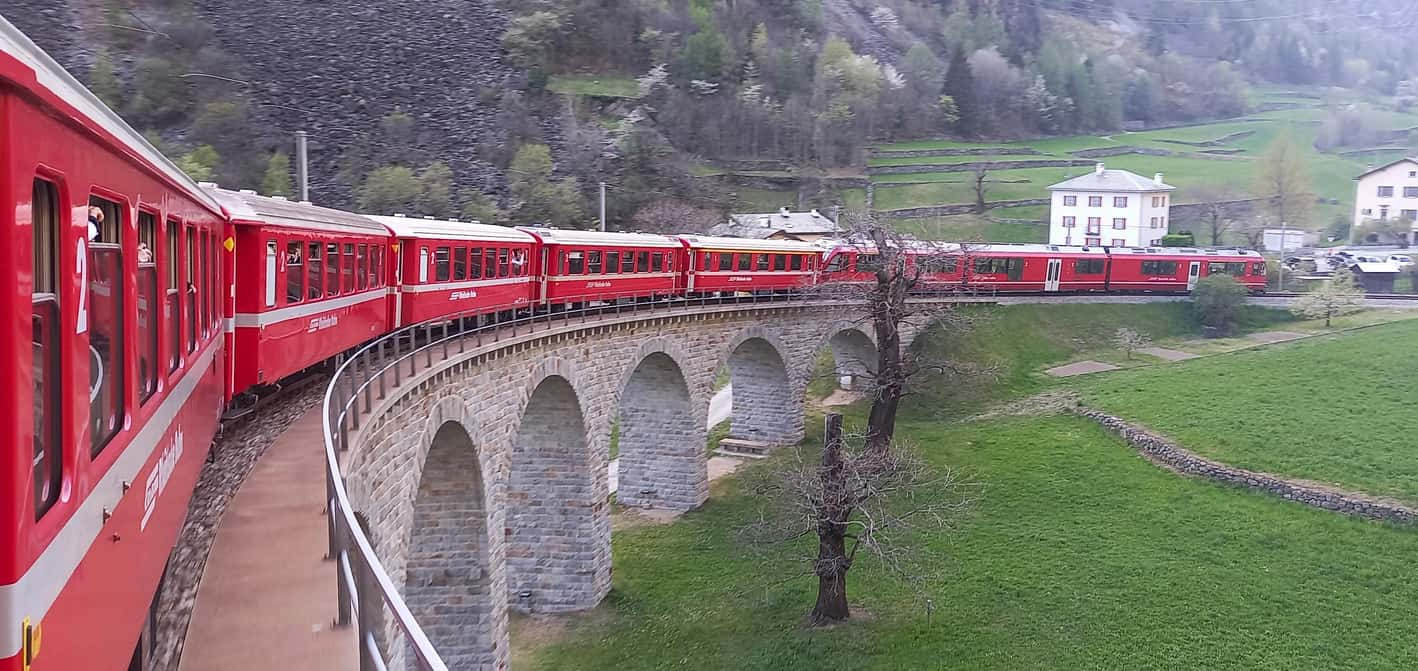


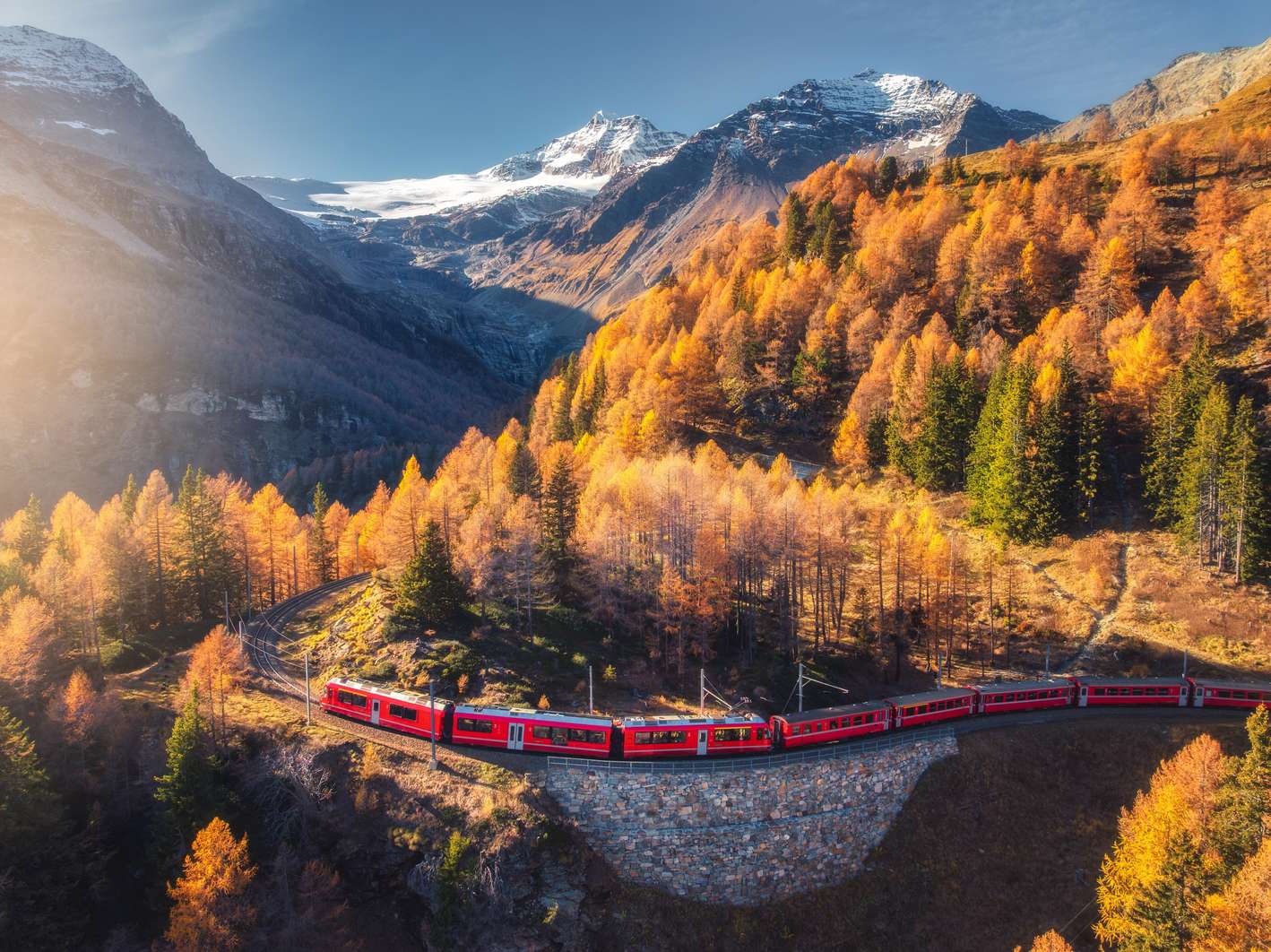
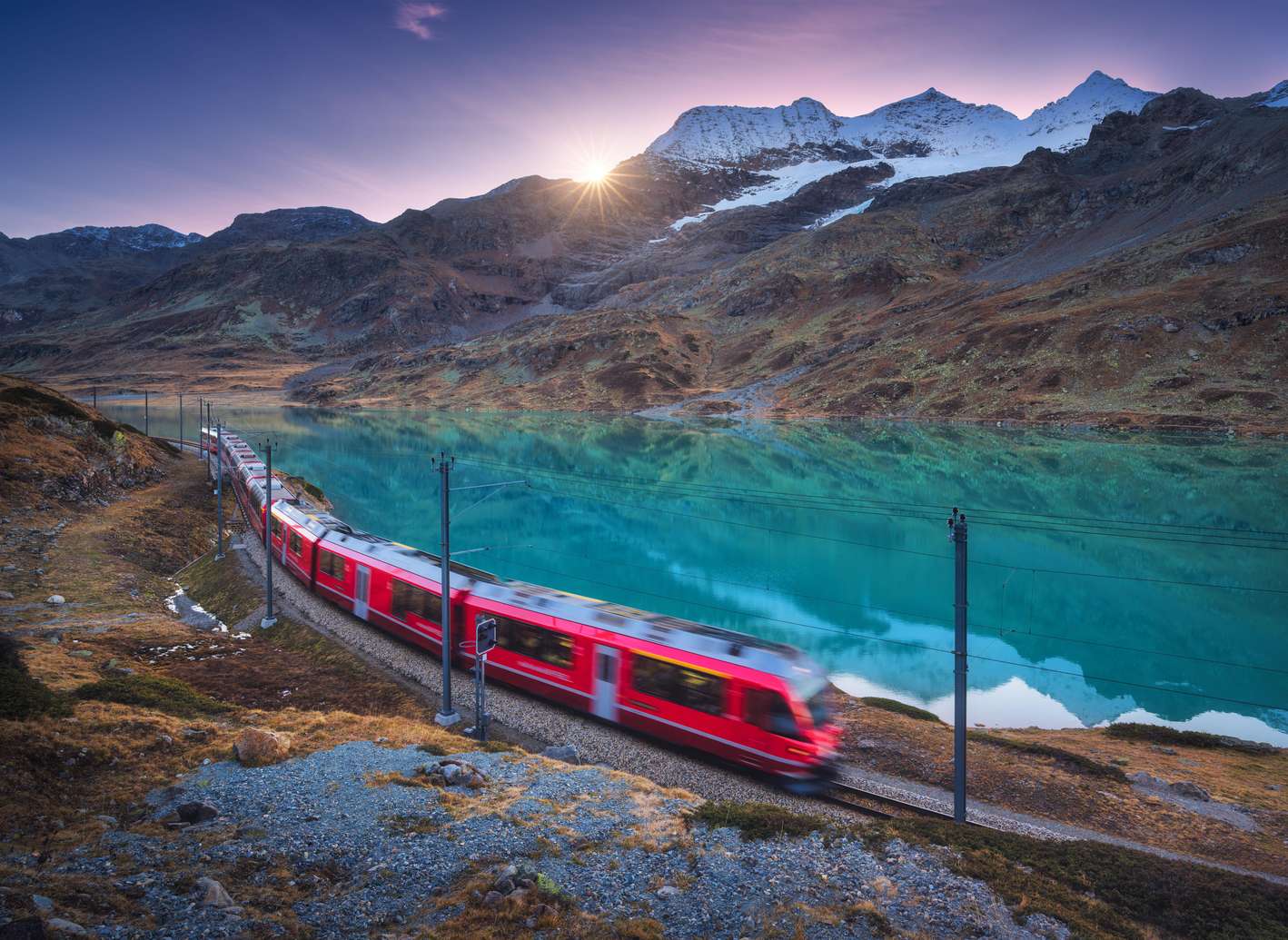
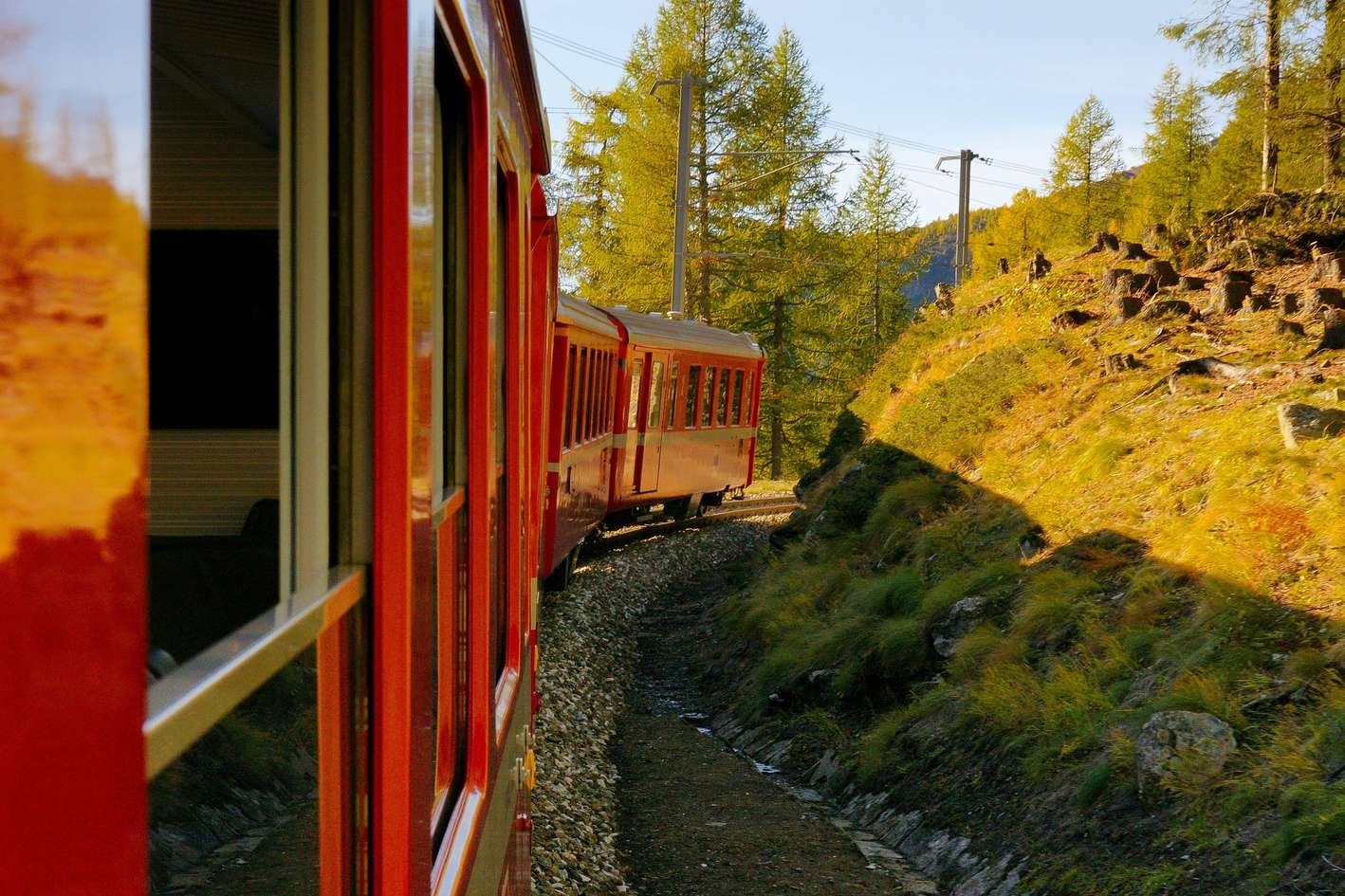
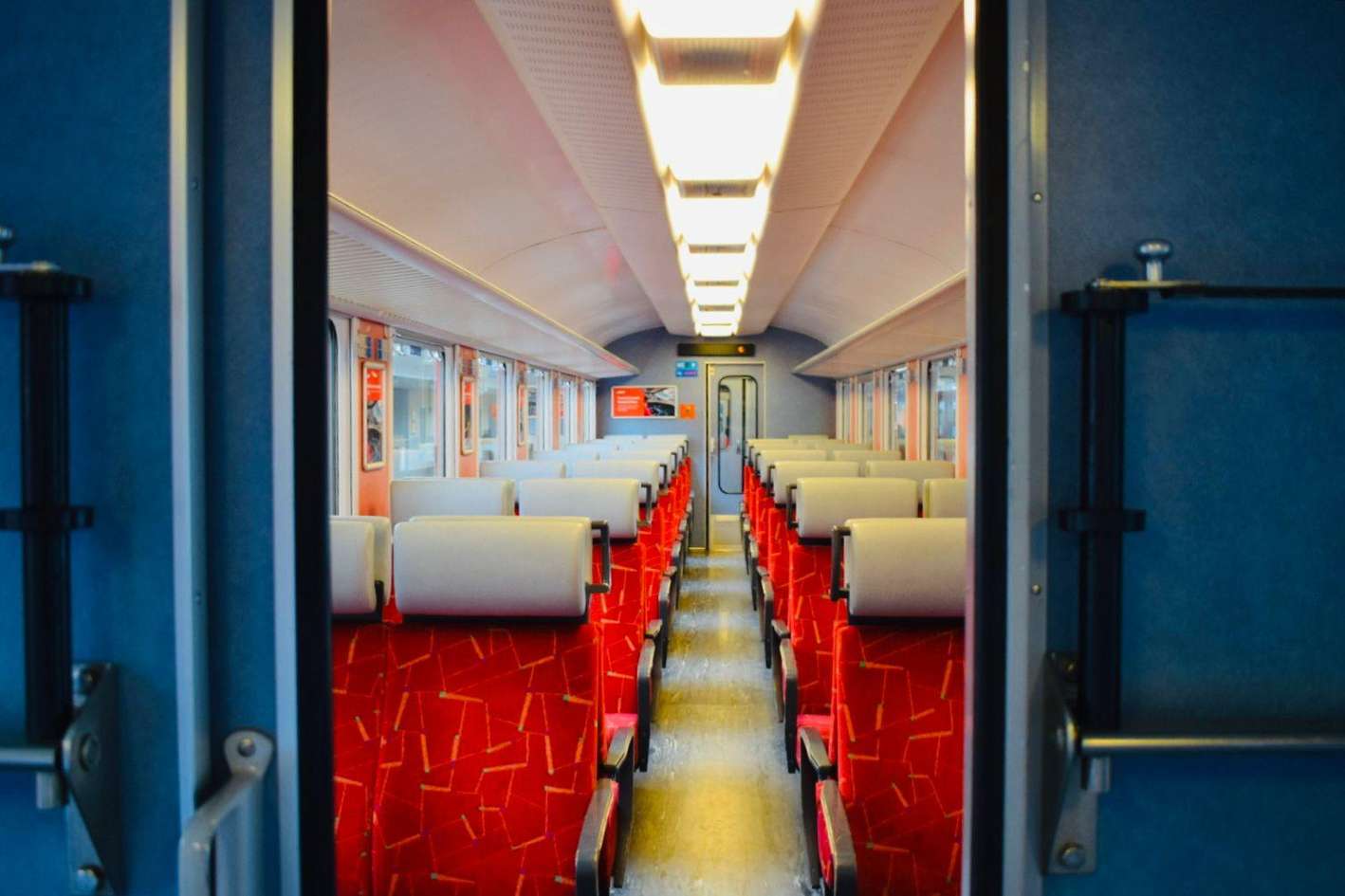
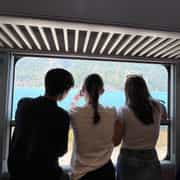
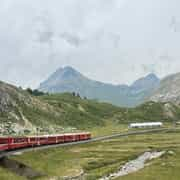
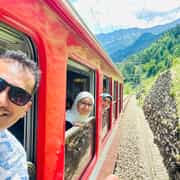
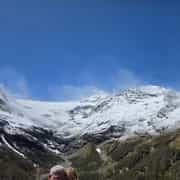
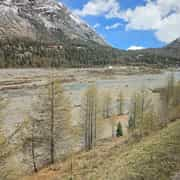

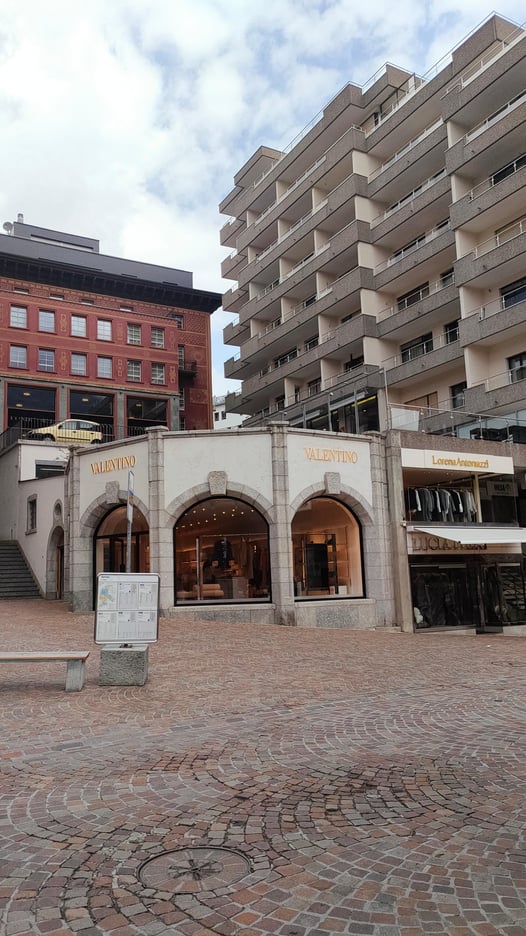
Brilliant trip, great value. So much to see on the bus to St.
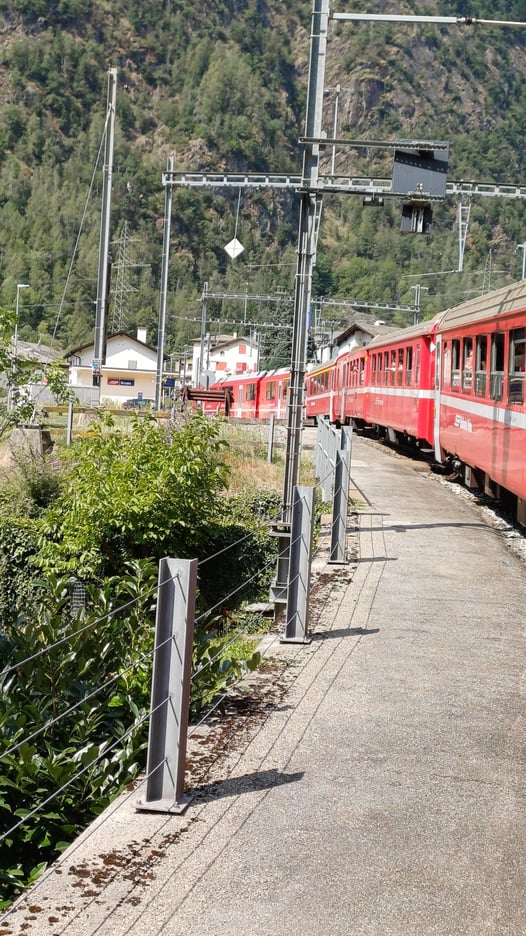
A great day, worth every penny. Unforgettable Alpine landscapes from the train, like in stories. Guide Maria Cristina was a real professional. The return route from St.
Viagem bem organizada e rentabilizada. Experiência incrível que valeu cada cêntimo. Paisagens lindíssimas, natureza no seu estado puro e relaxante.
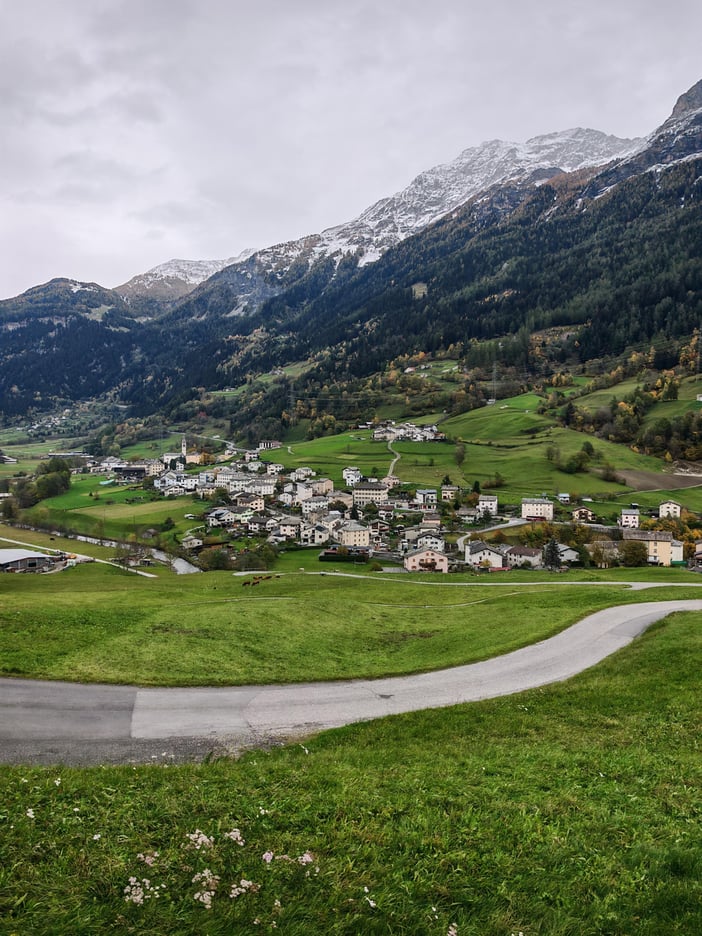
Esperienza incredibile! Il treno da Tirano a St Moritz lascia senza fiato: colori, aria fresca, paesaggi mozzafiato. La nevicata ha reso tutto più fiabesco.
This day couldn't have been better. From start (a double rainbow!) to finish, a perfect trip.
Las vistas desde el tren espectaculares, realmente precioso. Lorenzo fue un guía extraordinario, atento y con toda la información. El tren muy confortable.
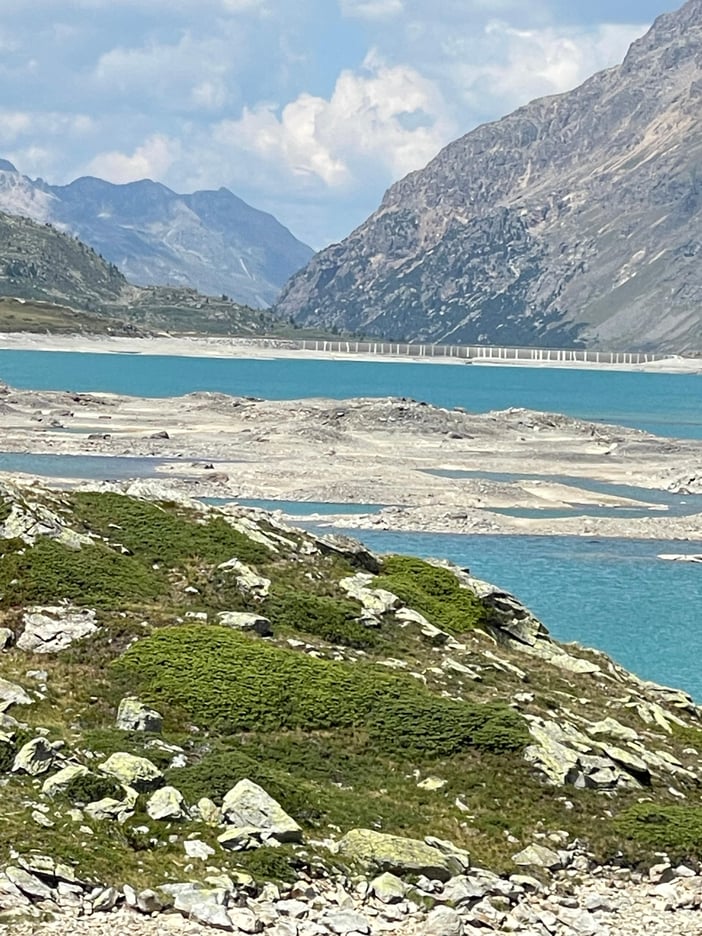
An incredible time on the Bernina Red Express to St. Moritz! Huge thanks to Salvatore, a fantastic guide, knowledgeable, attentive and welcoming the whole journey.
Travelers praise their guides by name, from Luca to Katya, for keeping the long day fun, informed and on time.
Several families found the coach ride up past Lake Como as scenic as the train itself.
Many couples wanted more than an hour or two to wander St. Moritz before the ride home.
Choose your date first, then check how far out you are from peak season. Summer weekends and ski weeks fill fast, and some tours need a week or more of notice.
Decide between a standard red train car with windows that open, ideal for photos without glass glare, and a panoramic carriage whose windows curve into the roof but stay closed. One tour also sells a lunch at Diavolezza at 3,000 meters, which removes your free time in St. Moritz entirely.
Read the cancellation line before you pay. Every tour on this page lets you cancel up to 24 hours ahead for a full refund, so a doubtful forecast is not a reason to wait.
The confirmation names your exact spot, and they differ: Piazza della Repubblica 5 at the corner with Via Turati, the Autostradale bus stop at Piazza IV Novembre by Milano Centrale, or the left side of Porta Garibaldi's main entrance in front of Farinella Bakery.
Set an early alarm, because coaches leave Milan around 7 am to beat traffic and keep daylight on your side. Pack your passport or ID, a warm layer for the pass, and comfortable shoes.
The trip covers about 175 km from Milan to St. Moritz, and a guided tour turns it into 11 to 13 hours door to door. Two coach legs and one rail leg add up to roughly 7 hours of transit, so the day starts early.
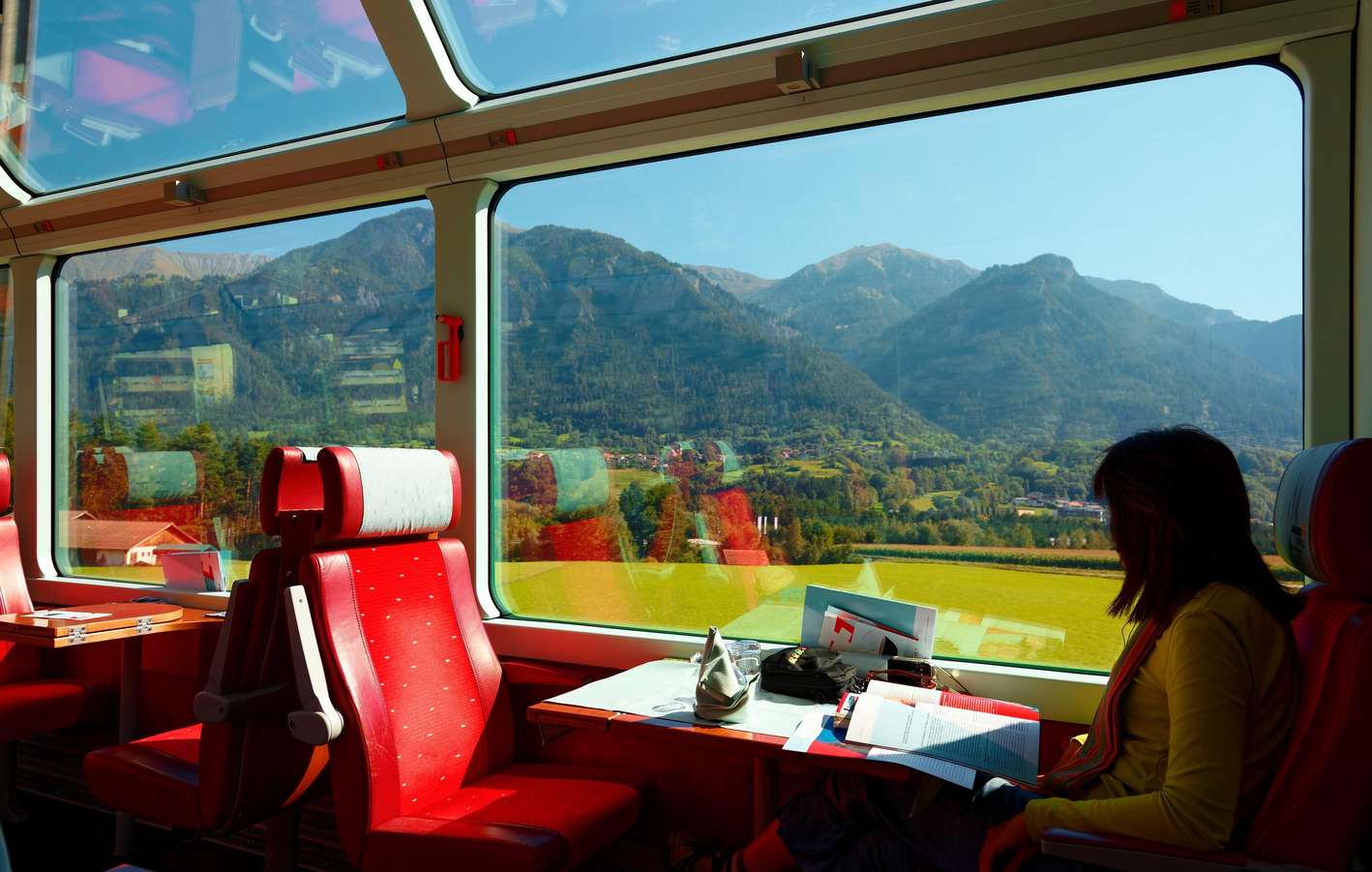
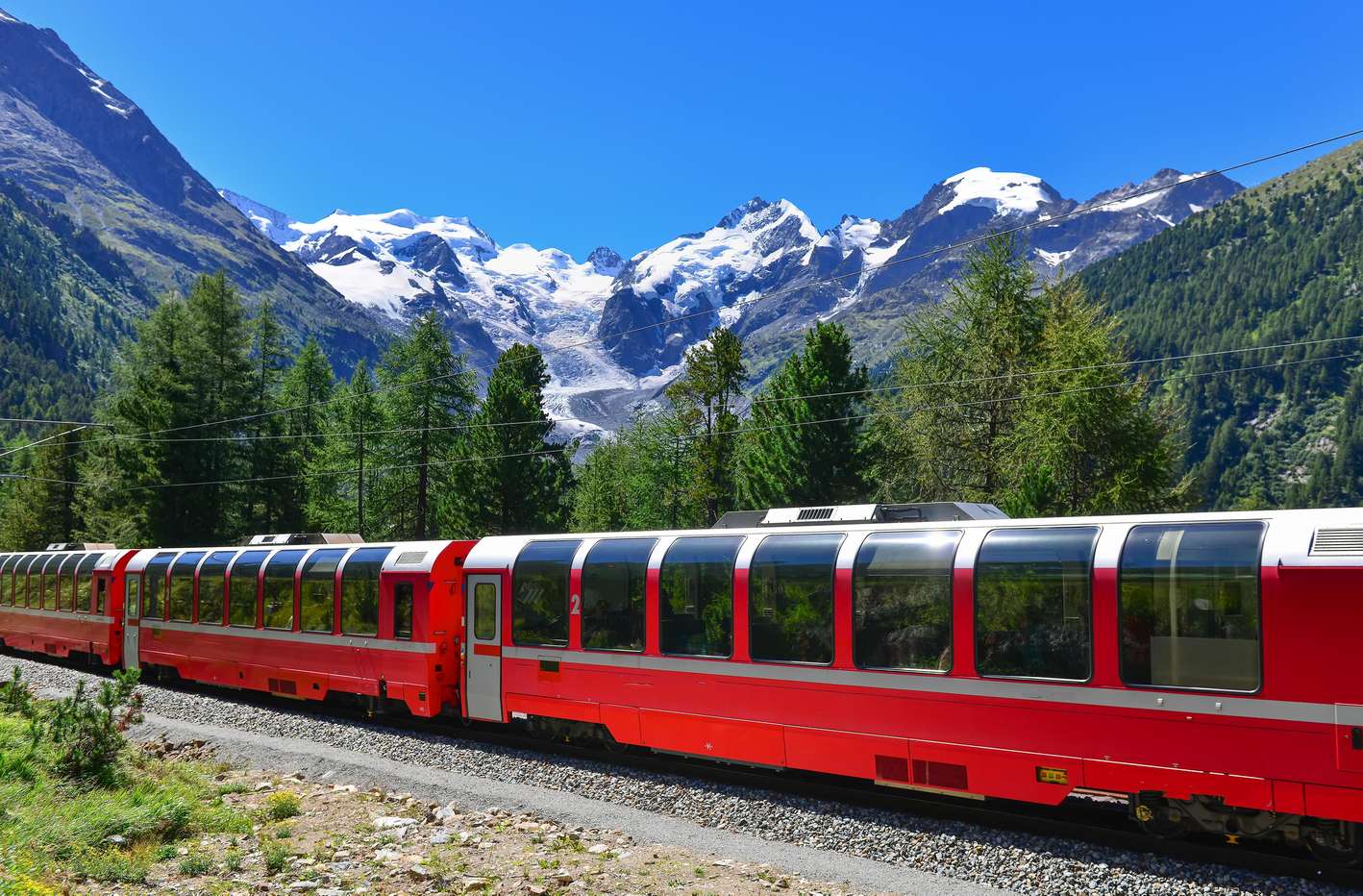
Your choice comes down to the carriage. The panoramic Bernina Express cars have glass that curves into the roof and need a reserved seat, while the regional red train uses standard cars with windows you can open.
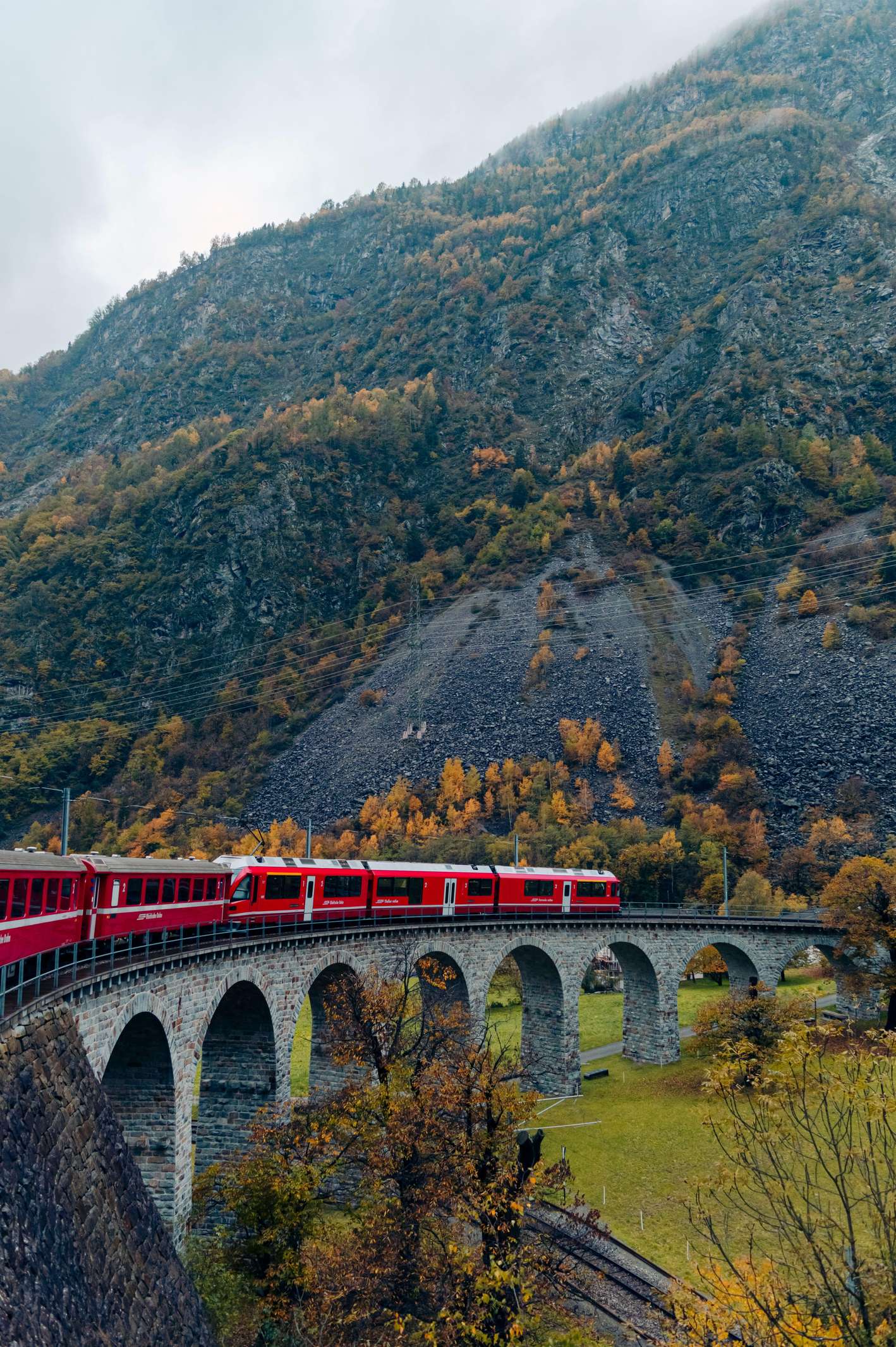
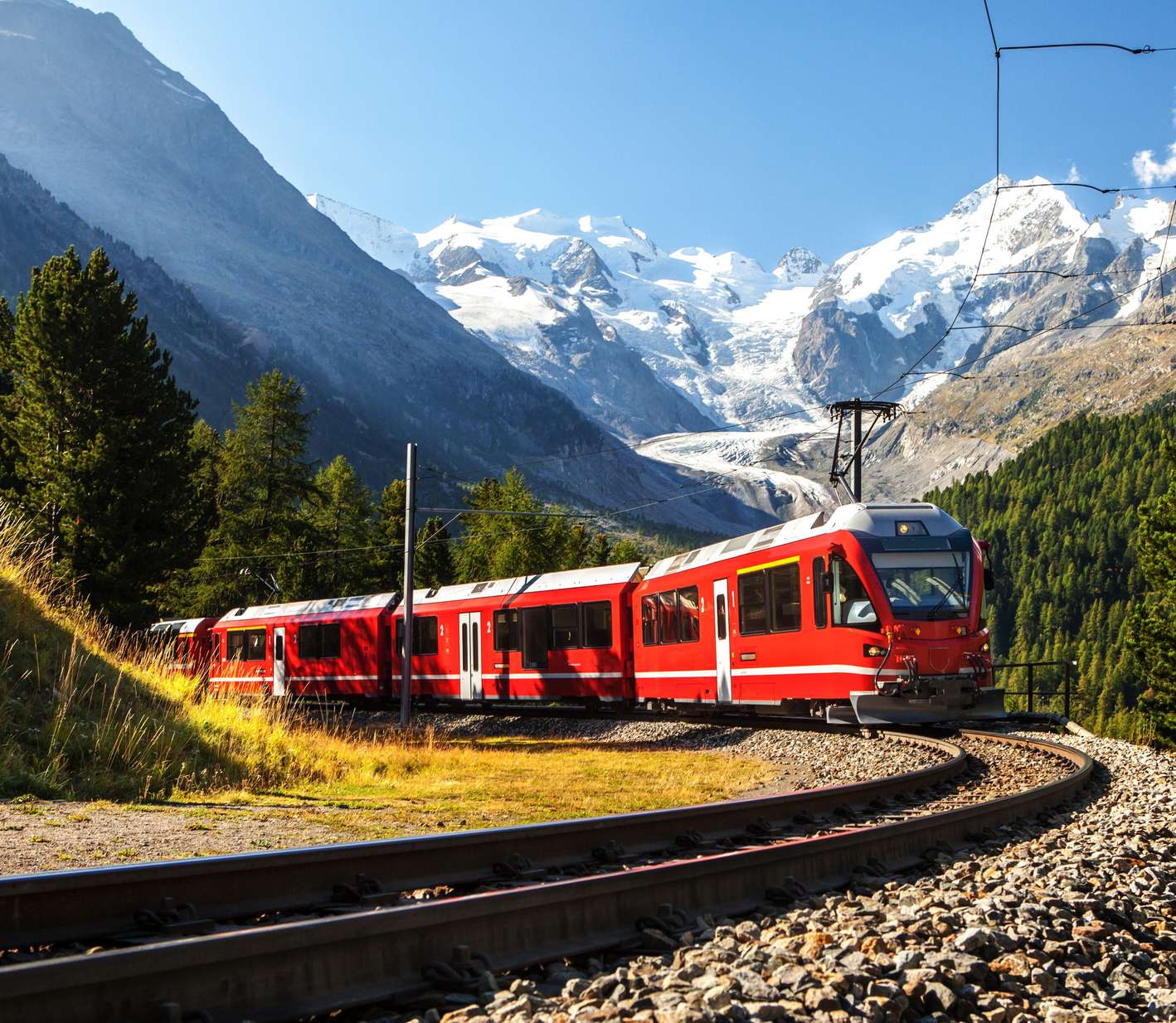
Either way the route is the same UNESCO World Heritage line: 55 tunnels, 196 bridges, the Brusio circular viadort and the climb to Ospizio Bernina at 2,253 metres.
Fidenza Village Kiosk, Shopping Express
Free time, Walk (2.5 hours)
Sightseeing, Scenic views on the way (2 hours)
Pass by
Pass by
Pass by
Break time, Pass by (10 minutes)
Fidenza Village Kiosk, Shopping Express
Break time (15 minutes)
Visit, Free time, Walk (45 minutes)
Visit, Guided tour, Sightseeing, Scenic views on the way (2.5 hours)
Guided tour, Free time, Shopping, Walk (1.5 hours)
Sightseeing, Bus tour, Pass by, Scenic views on the way
Autostradale Bus Stop - Lake Como and Bernina Tours
Autostradale Bus Stop - Lake Como and Bernina Tours
Sightseeing, Scenic views on the way (2 hours)
Pass by, Scenic views on the way
Pass by, Scenic views on the way
Pass by, Scenic views on the way
Visit, Free time, Shopping, Walk (1.5 hours)
Autostradale Bus Stop - Lake Como and Bernina Tours
Scenic drive, Scenic views on the way
Autostradale Bus Stop - Lake Como and Bernina Tours
A valid passport or ID card is required to cross into Switzerland on a Bernina Express tour from Milan, and some visas only count with a passport.
EU and EFTA citizens can use a national identity card. Other travelers need a passport issued within the last 10 years and valid for at least three months beyond their departure from the Schengen area, plus any required Schengen visa.
The coach pulls away from a corner near Milano Centrale or Piazza della Repubblica while the streetlights are still on.
Meeting points vary by operator: one meets at the Autostradale bus stop by Hotel Gallia, another at Piazza della Repubblica 5 on the corner with Via Turati, a third outside Porta Garibaldi in front of Farinella Bakery.
Coaches do not mix with the airport buses, so arrive 15 to 20 minutes early and match the meeting point on your booking to the square.
Those numbers hide the shape of the day: two coach legs of about 2.5 to 3 hours each, one train leg of 2 to 2.5 hours, and 7 to 7.5 hours of total transit inside an 11 to 13 hour outing.
The guide handles every connection, including the transfer at Tirano, so nobody sprints for a platform.
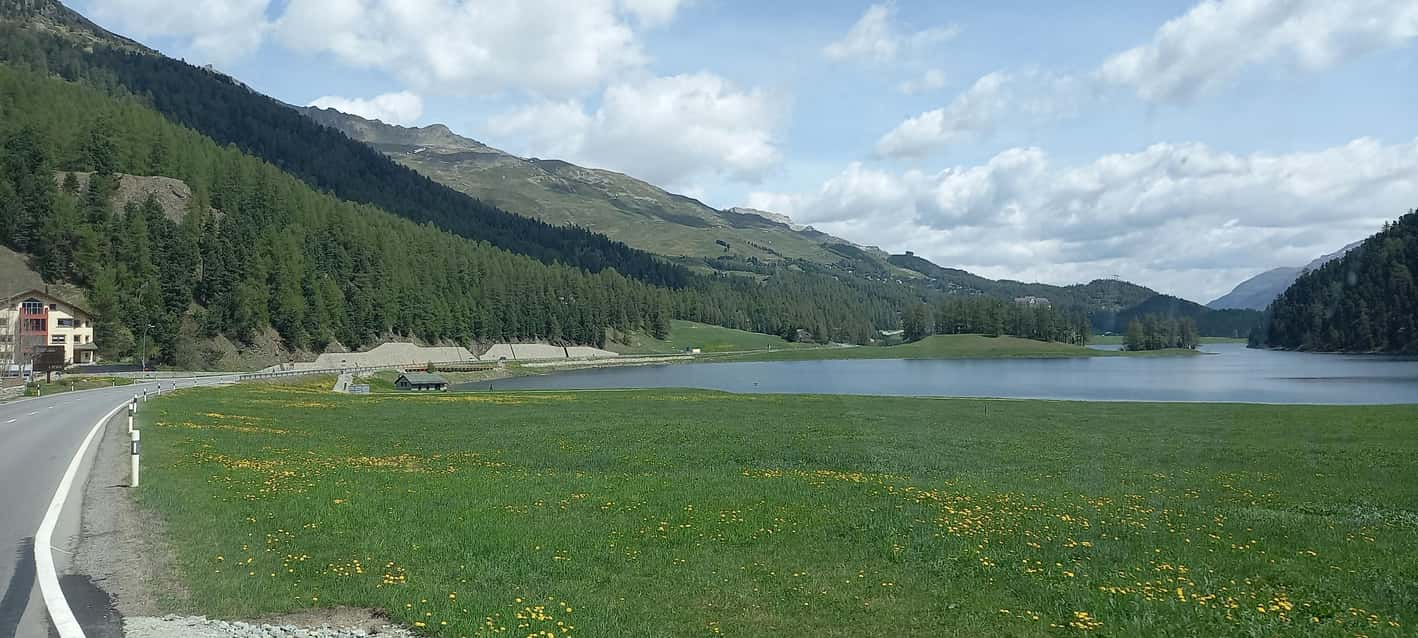
The coach runs past Lecco and the eastern shore of Lake Como before the mountains take over.
On one tour, the "From Milan: St. Moritz and Bernina Express Tour", the multilingual guide stays on board all day, the panoramic seat is confirmed at booking, and St. Moritz gets around 2.5 hours of free time, which is the most generous stop on this route.
Honest answer first: this day is worth it only if the train is the destination.
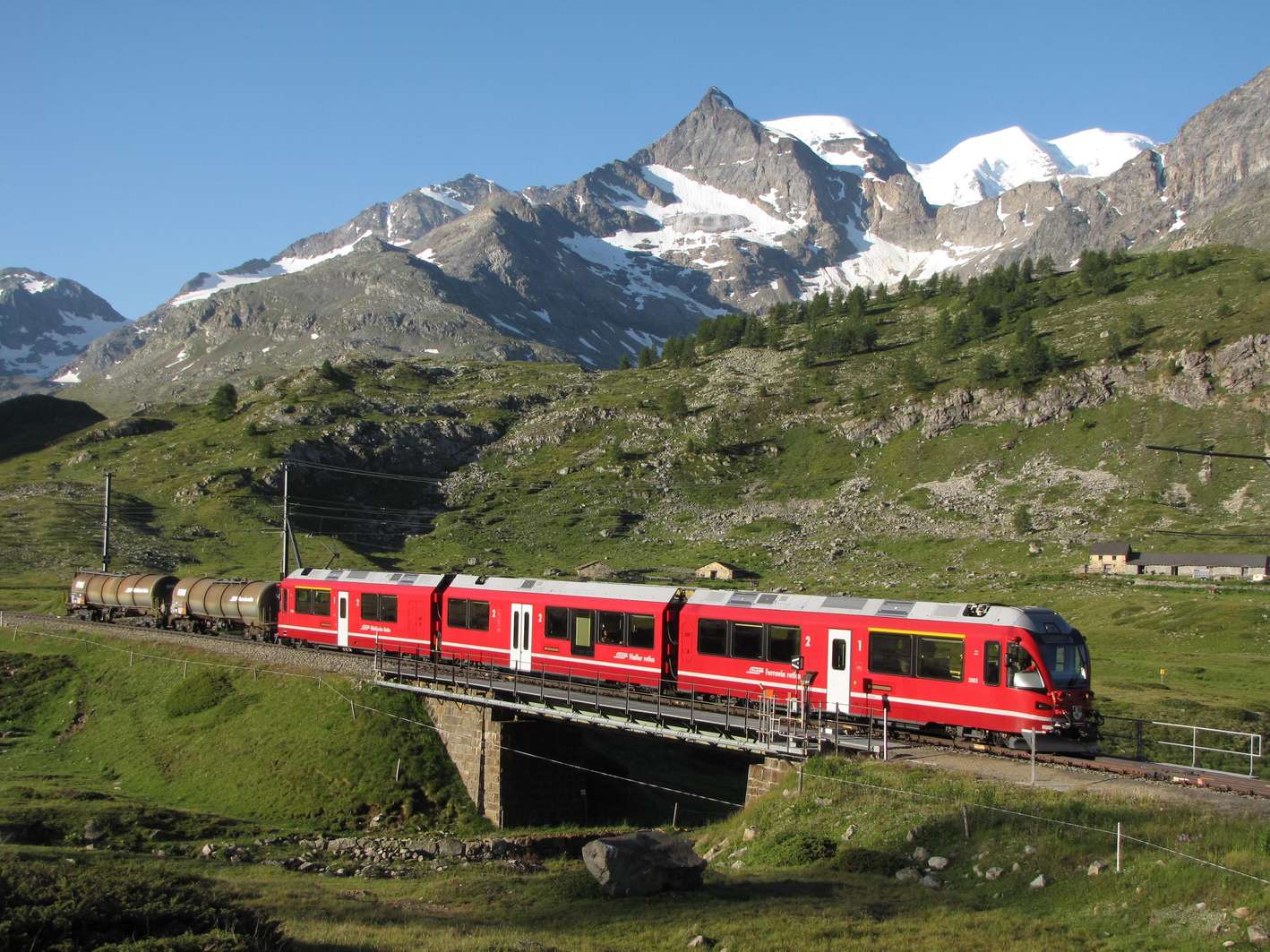
The railway does the sightseeing, climbing from Tirano at 429 metres to the Ospizio Bernina station at 2,253 metres without a cogwheel, through 55 tunnels and over 196 bridges on a UNESCO World Heritage line. St. Moritz itself gets an hour or two, at most.
Early risers who love trains come back glowing. Travelers hoping for a slow alpine afternoon, a long lunch by the lake and time to wander usually come back tired and slightly shortchanged. People who go regularly say the same thing: the ride is the reward, the town is the interval.
So ask yourself one question before booking anything. Would you happily spend seven hours in transit for one great train ride? If yes, book it and stop reading reviews. If no, consider an overnight in the Engadin instead, or pick a closer mountain day.
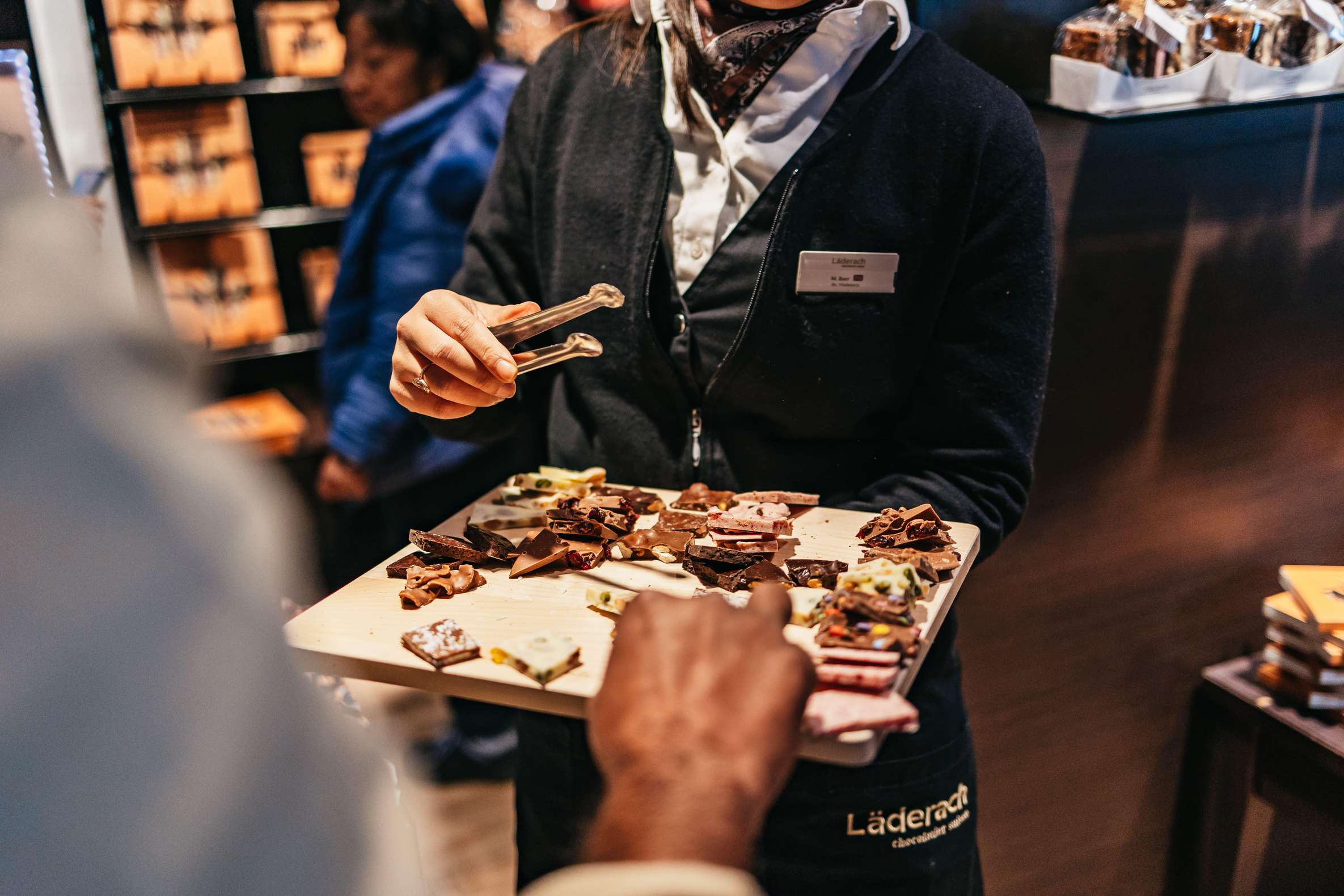
Three ways to make this trip, and they trade time against freedom in different places.
| Guided coach-and-rail tour | Independent train via Tirano | Driving over the Maloja Pass | |
|---|---|---|---|
| Total time door to door | 11 to 13 hours | about 12 hours with 5 to 6 hours of travel each way | about 3 hours each way |
| Connection risk | none, the guide manages every transfer | yours to manage, two rail networks and one 90-second walk in Tirano | none, but the pass and weather are yours |
| Free time in St. Moritz | 1 to 2.5 hours on the tours | about 3 hours on the independent timetable, 1:11 pm arrival to the 4:48 pm return | as long as you like |
| What you arrange yourself | nothing beyond showing up | two separate tickets, no combined sale, plus a seat reservation for the Express | a rental, a passport at the Castasegna border post, winter chains from mid-November |
The three hours in the train column belongs to the independent day alone: it counts from arriving at 1:11 pm on the 8:20 am train to boarding the 4:48 pm back to Tirano. Tours schedule 1 to 2.5 hours in St. Moritz, and heavy traffic can cut a stop to about an hour.
The tour buys certainty at the cost of a fixed schedule. The train buys the longest stop in town. The car buys speed and flexibility, and hands you the mountain road in return. Most first-timers with one day to spend end up happiest on the coach.
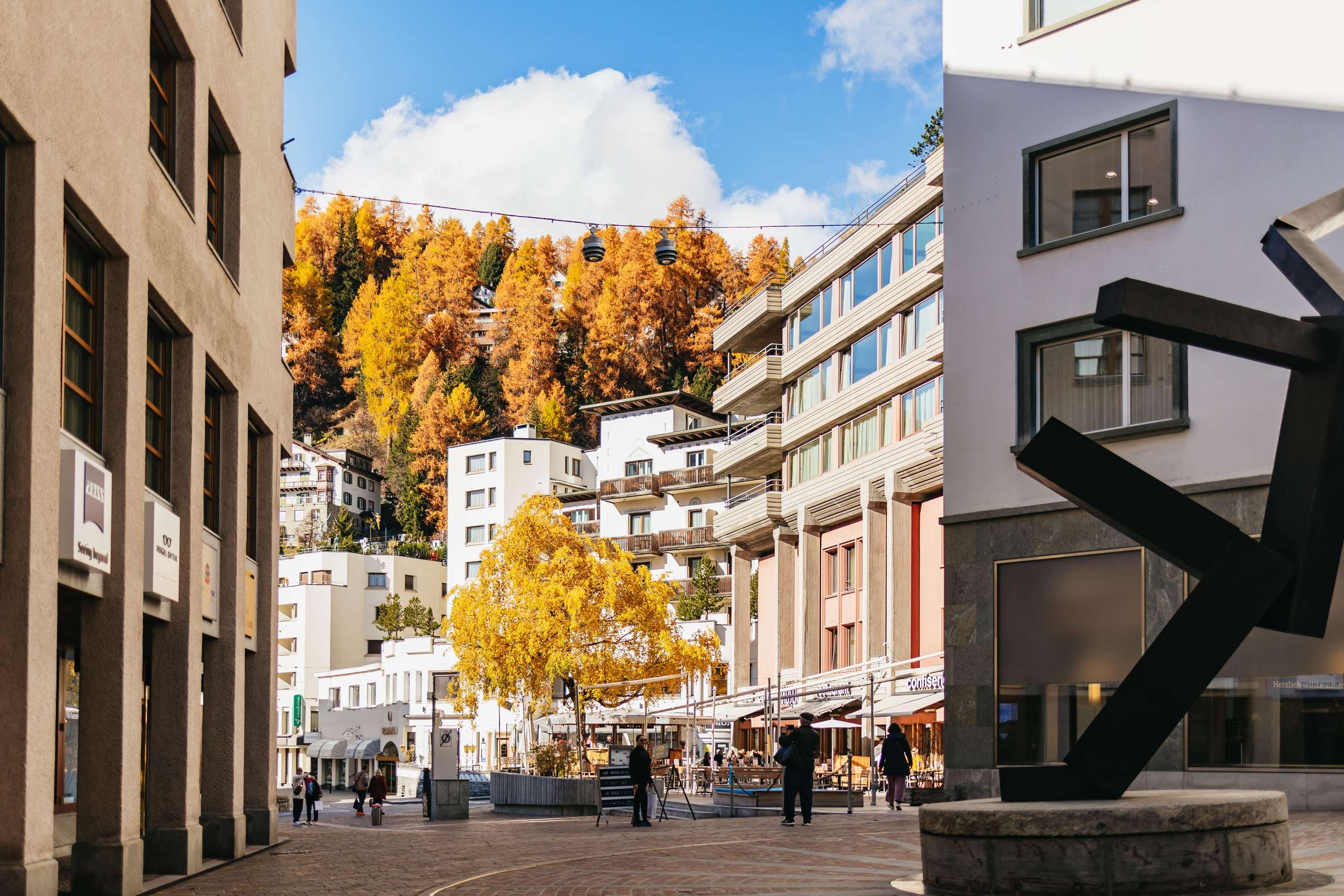
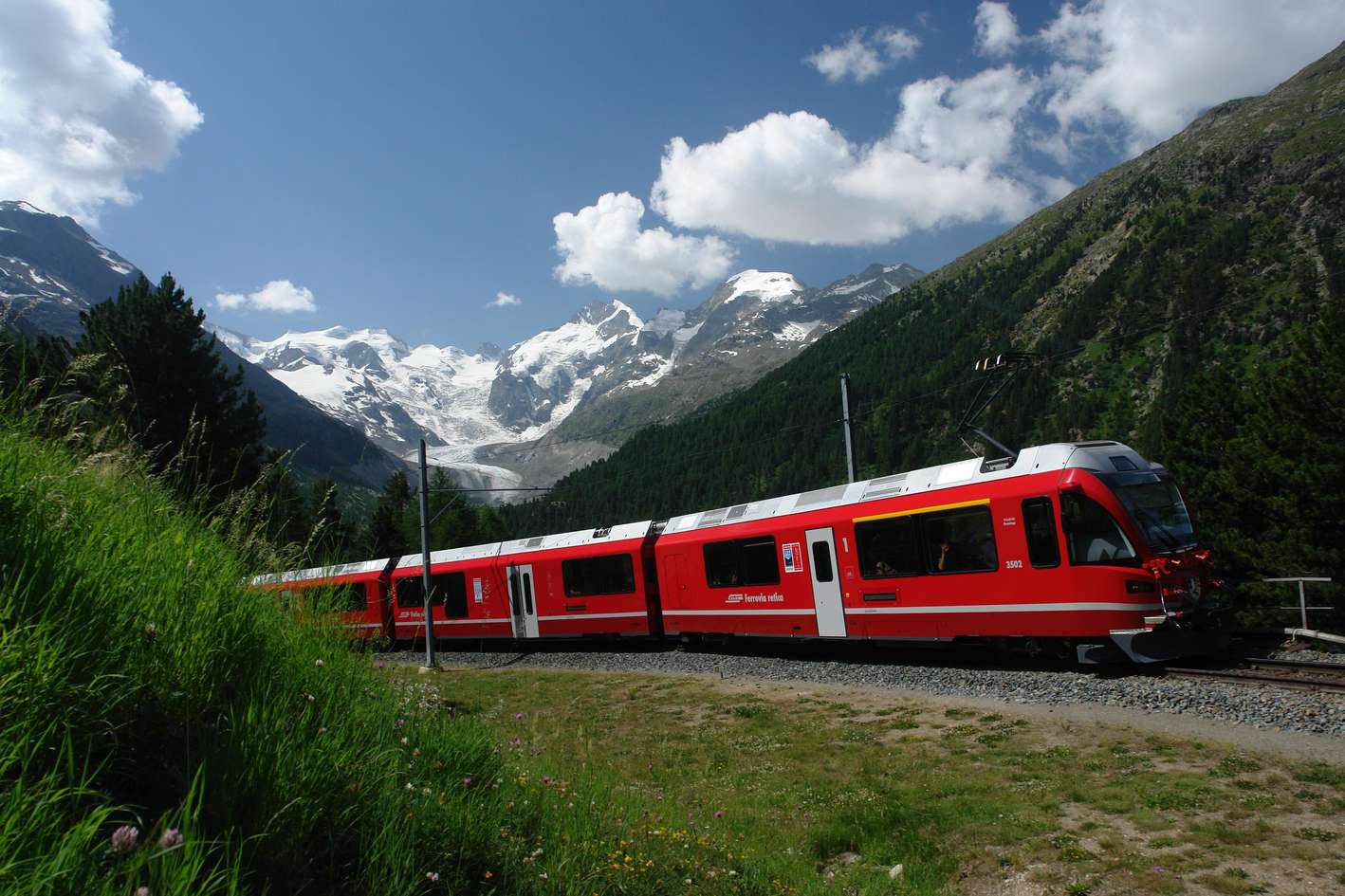
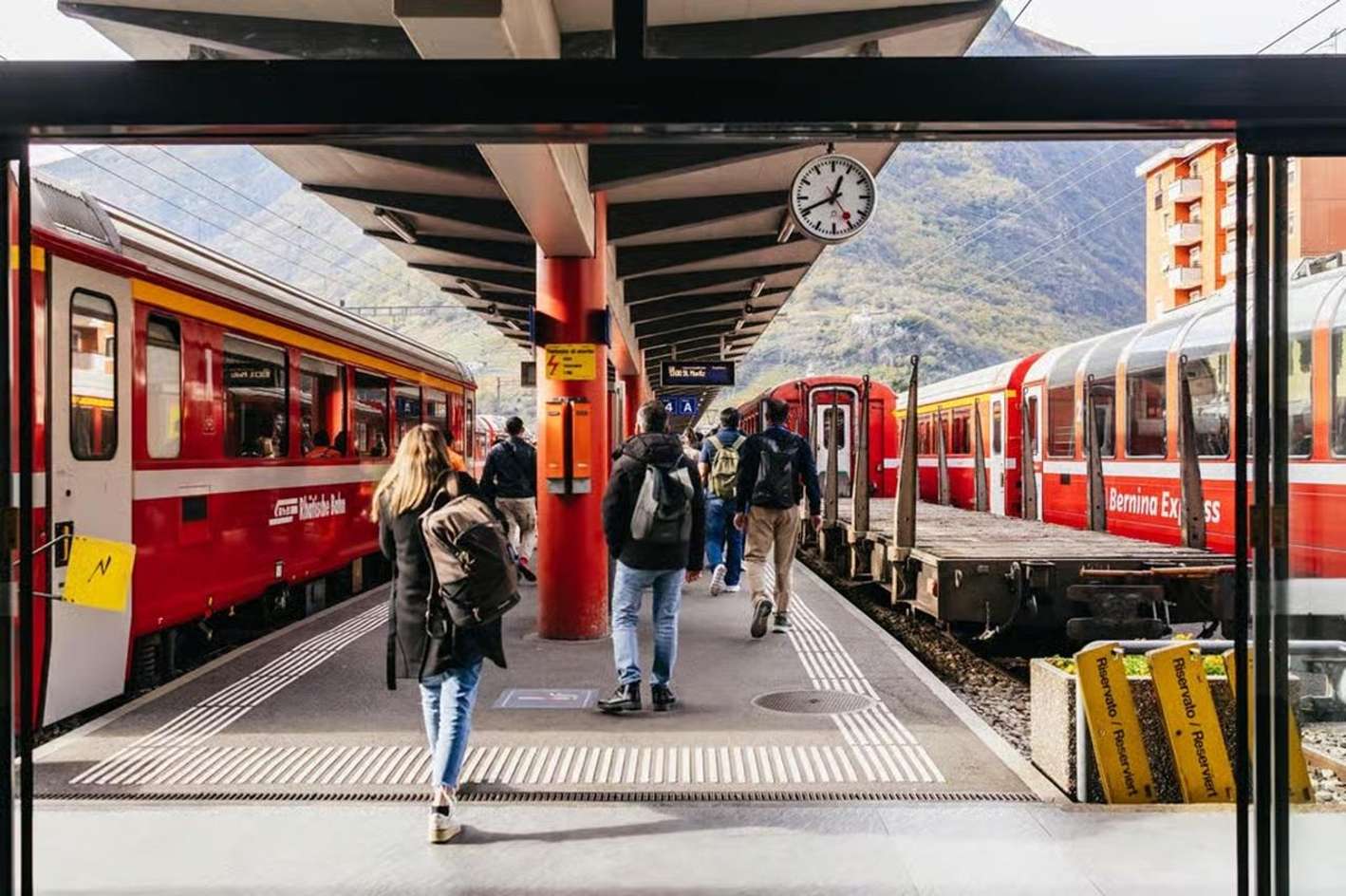
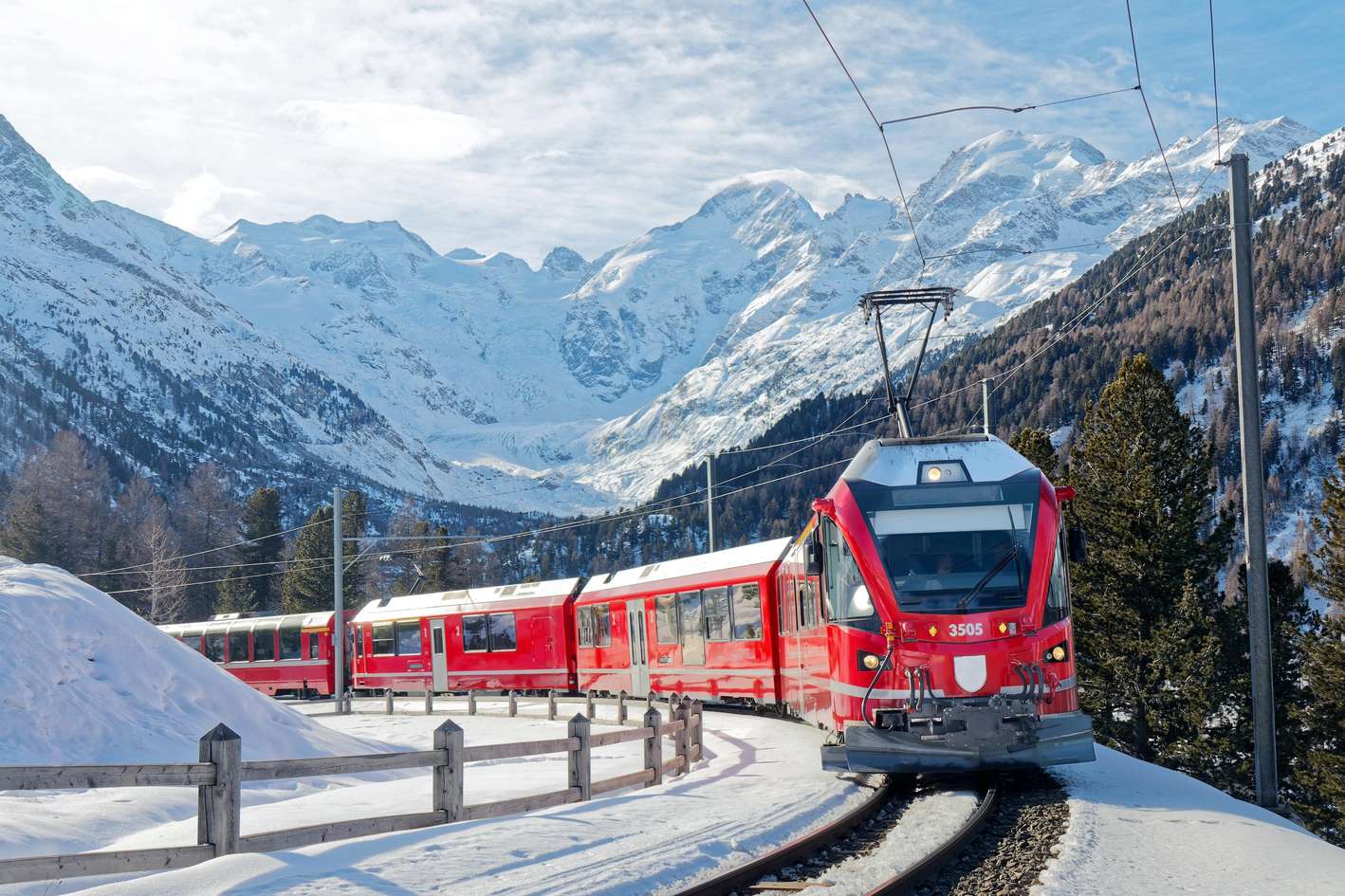
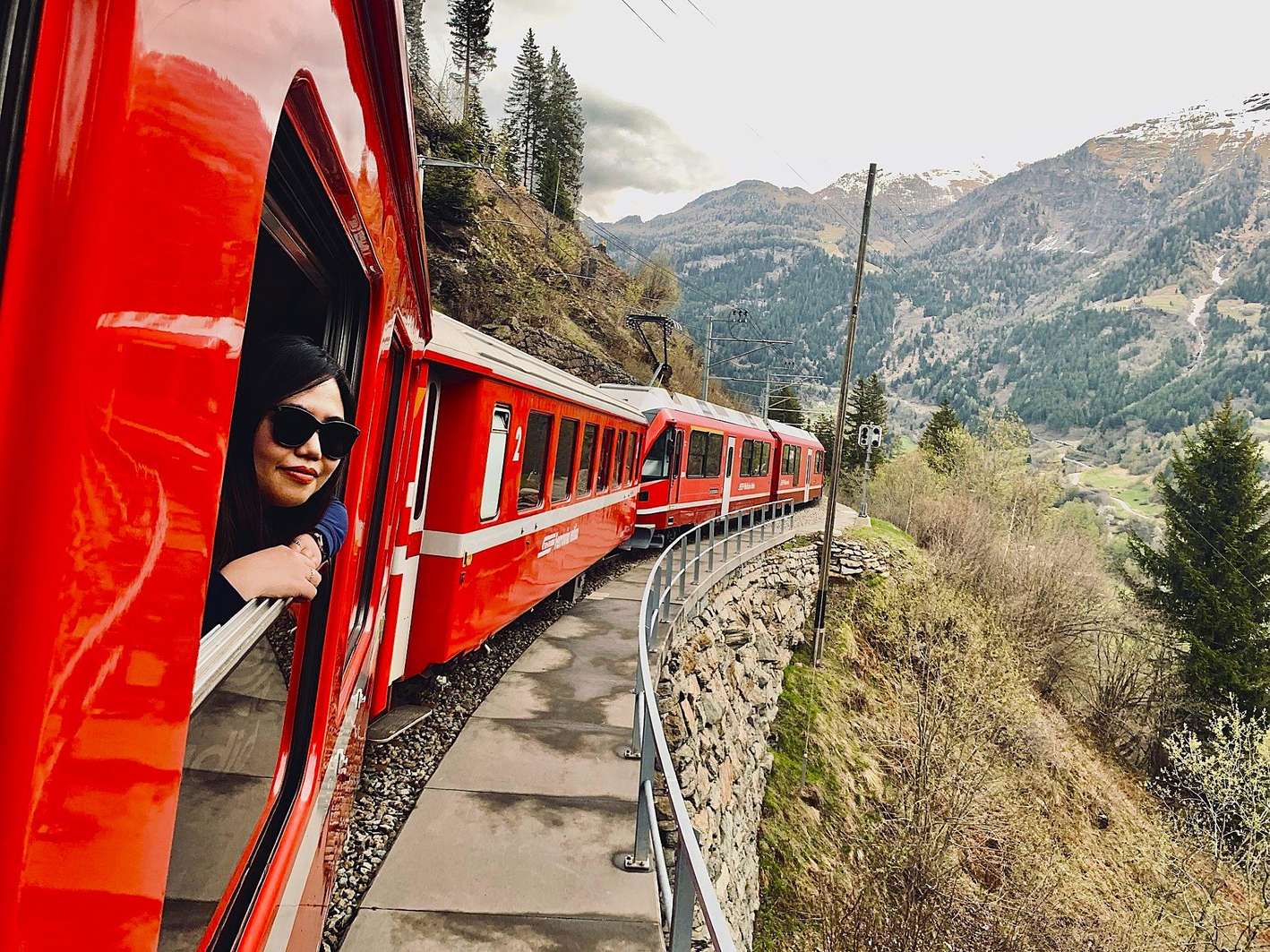
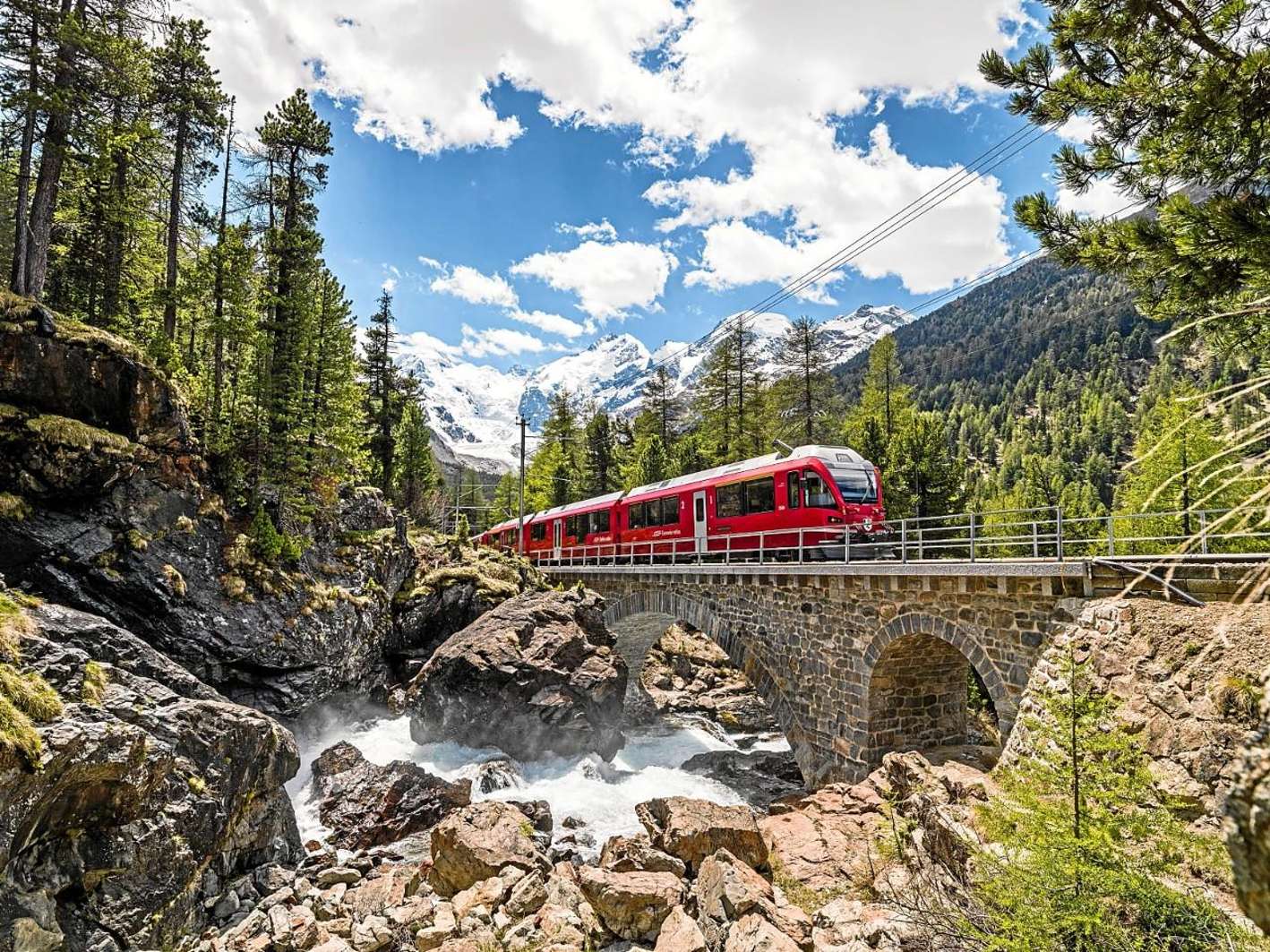
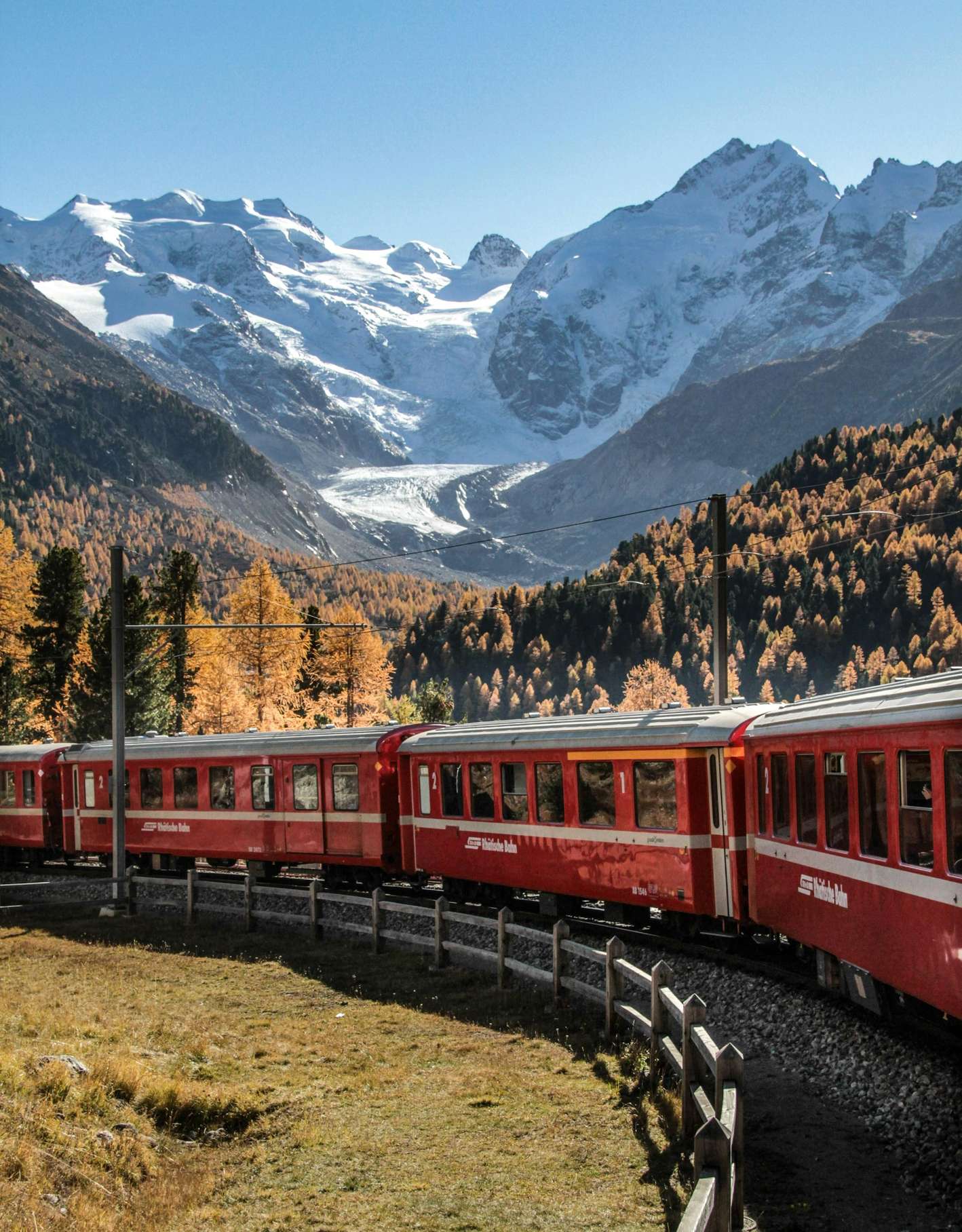
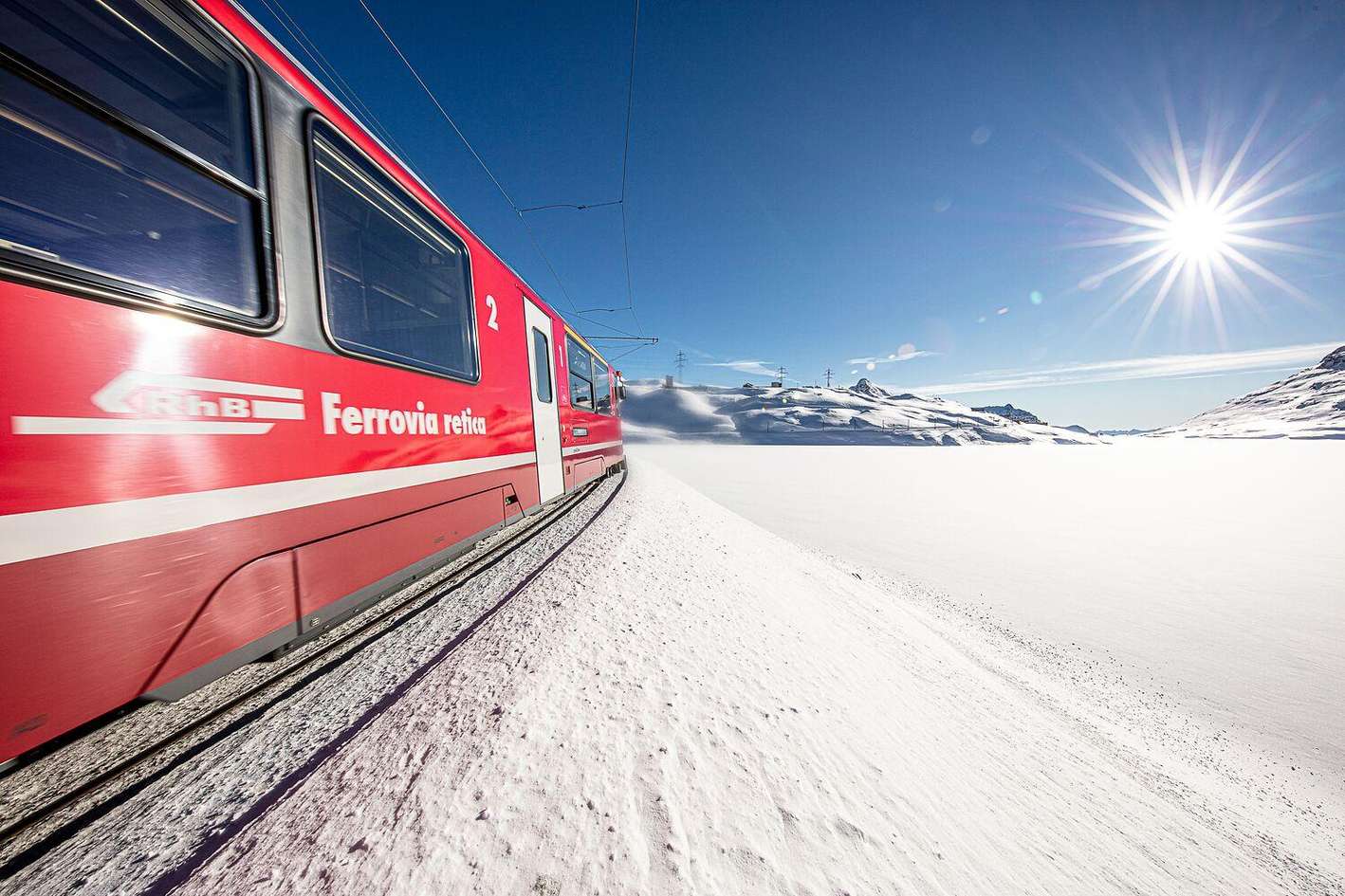
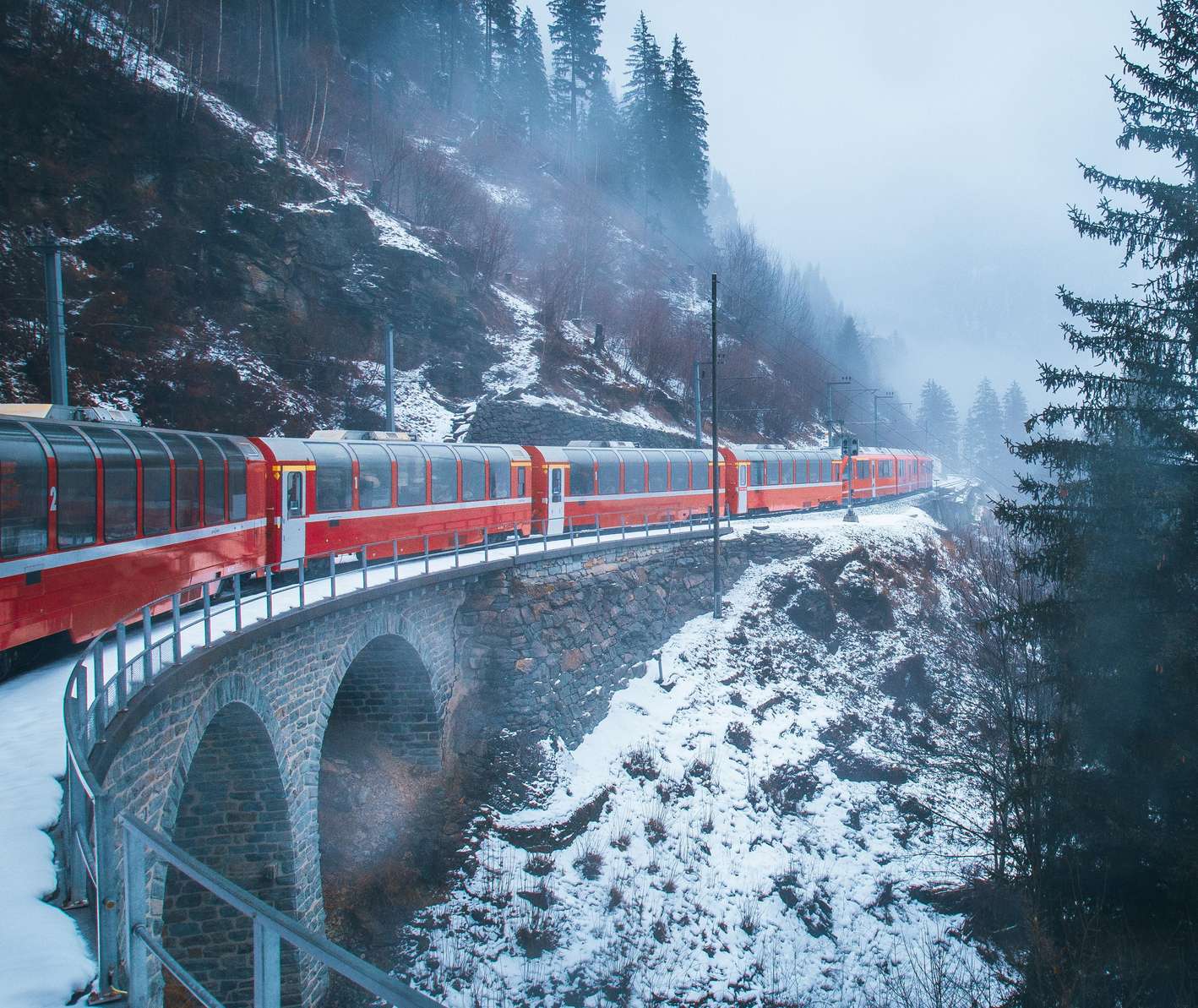
Two red trains run the same track, and mixing them up is the classic booking mistake. The Bernina Express has panoramic cars whose windows curve up into the roof and never open; the view is uninterrupted and glass stays between you and the glacier.
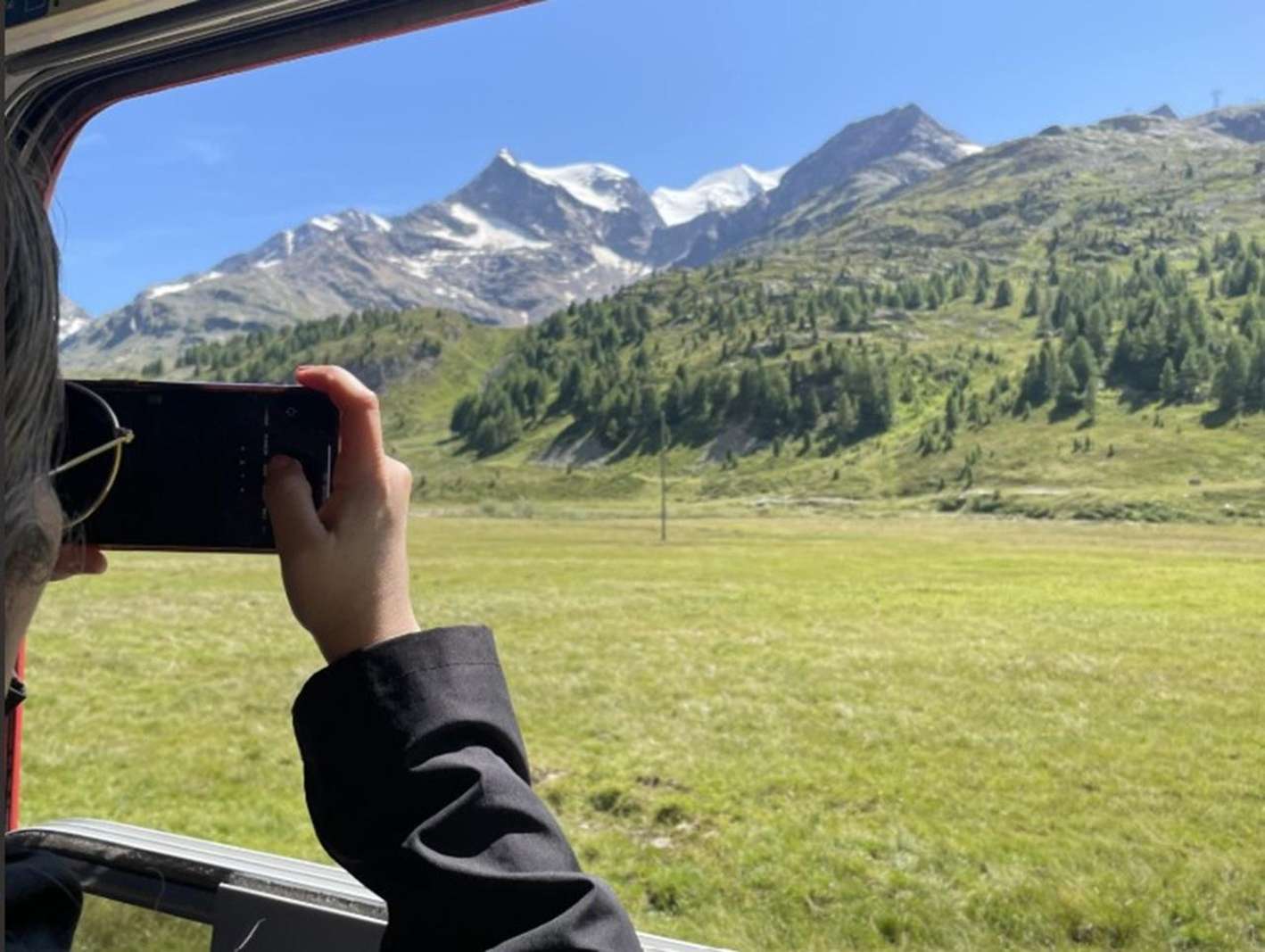
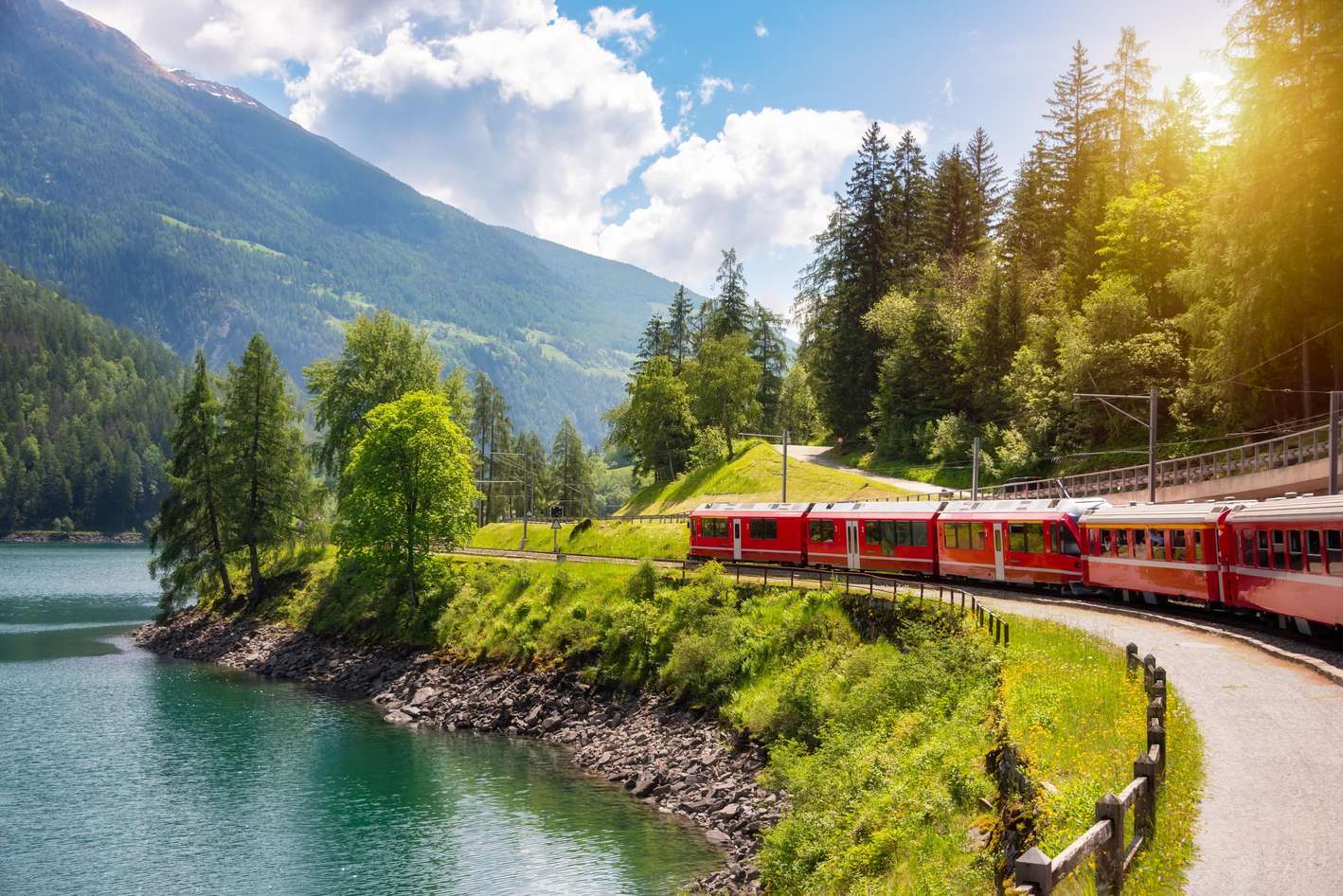
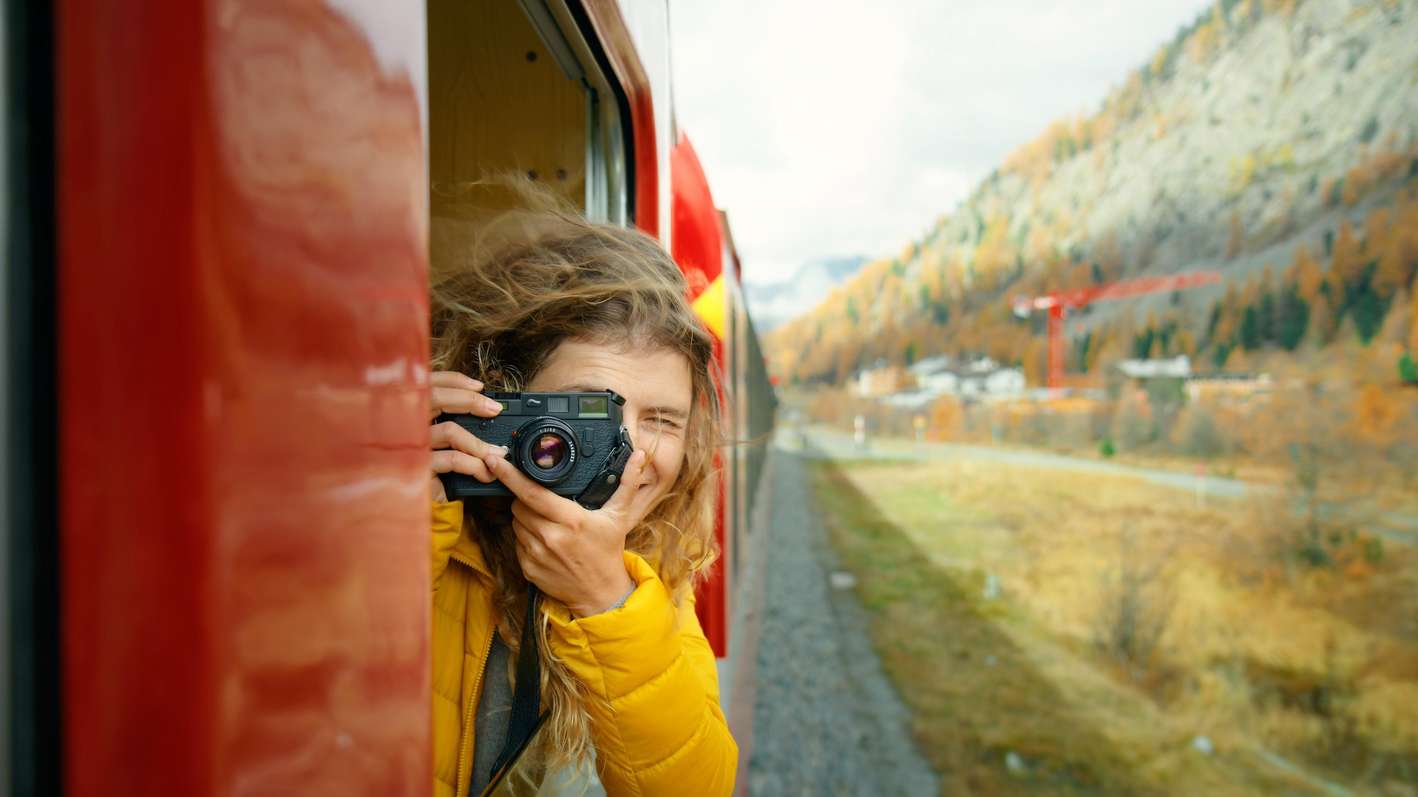
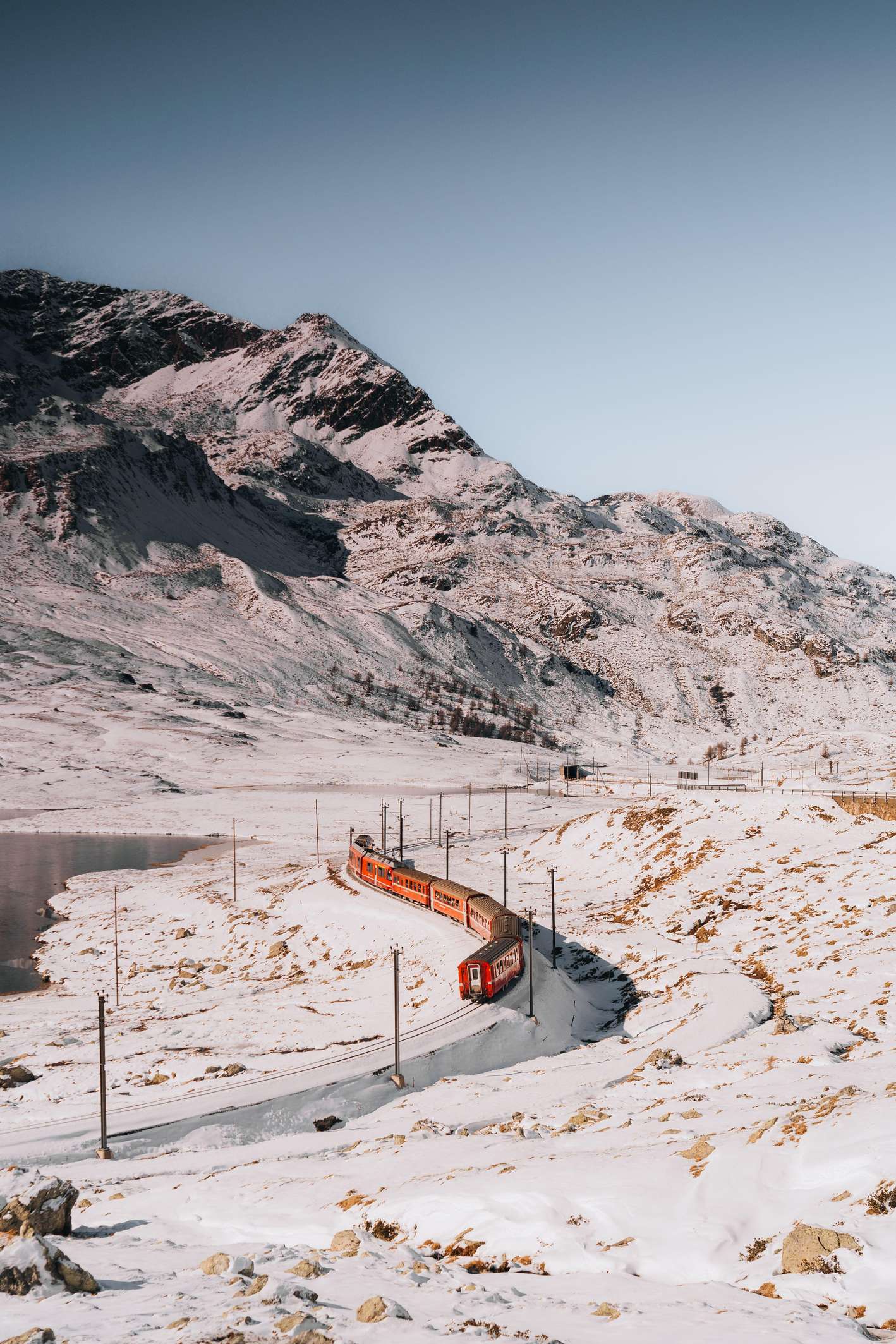
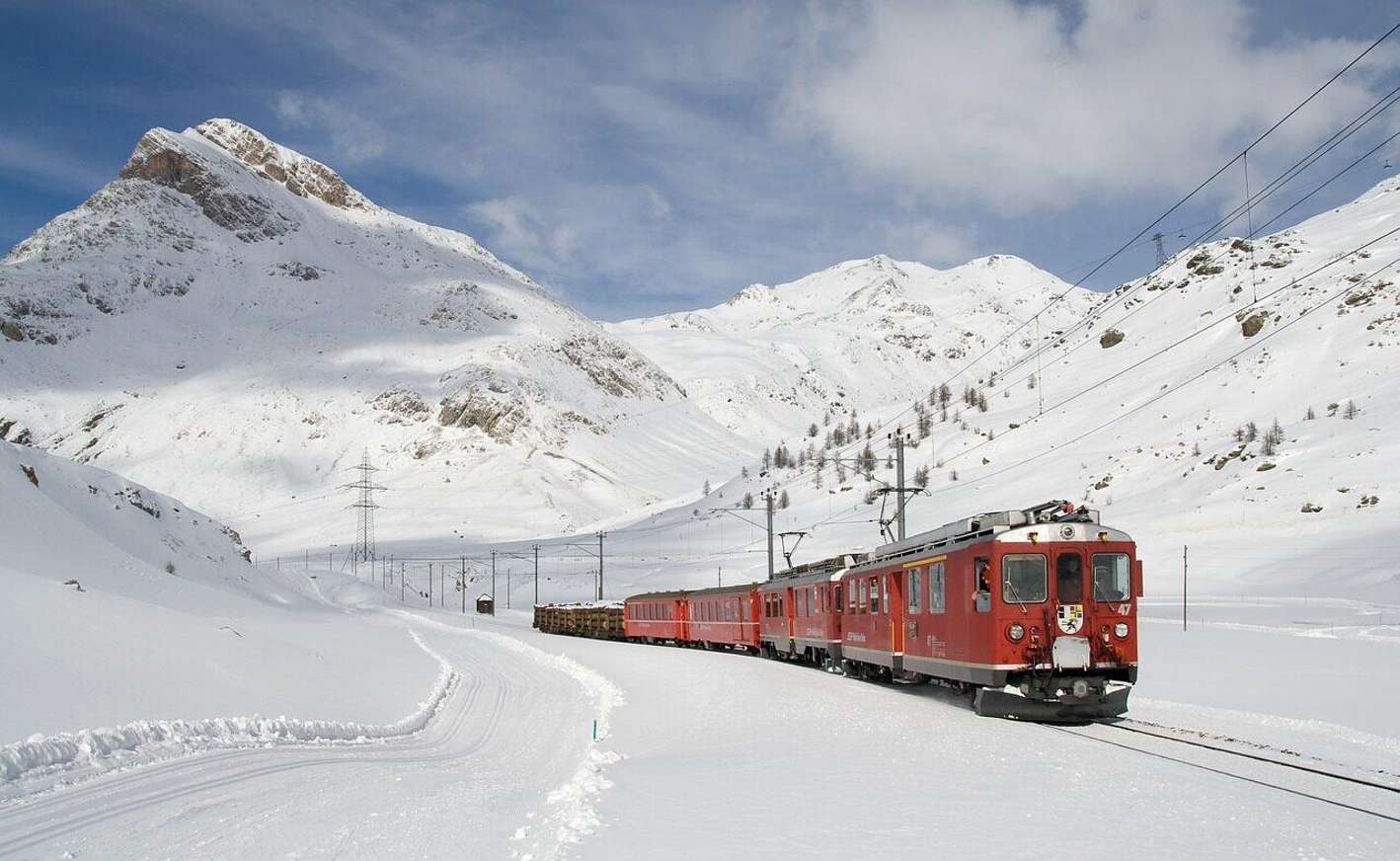
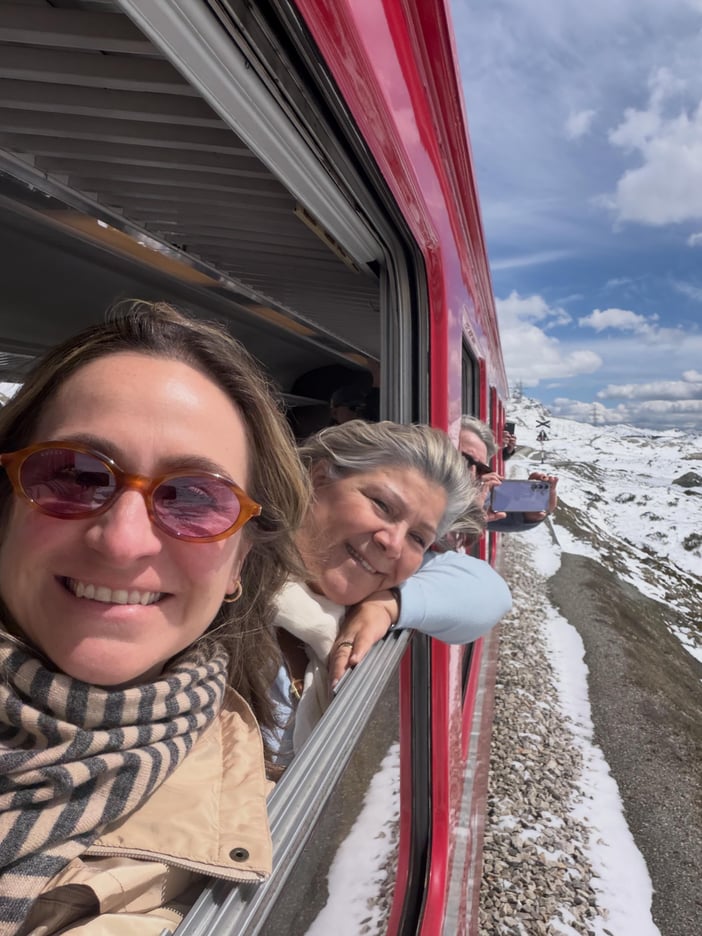
The regional red train, the Trenino Rosso, has ordinary second-class windows that open for glare-free photos, which photographers quietly prefer.
The regional red train runs the identical route, and most day tours from Milan actually use its second-class cars
On the Express it is a separate mandatory fee, payable even for children and even with a rail pass
Same rails, same pass, same viaducts, just more frequent departures
Express panoramic seats sell out four to six weeks before peak summer and ski dates.
On the "From Milan: Bernina Train, Swiss Alps & St. Moritz Day Trip" the standard ticket is second class with opening windows; the Express cars you can hop off at Alp Grüm, but the Express is tied to one train and one time.
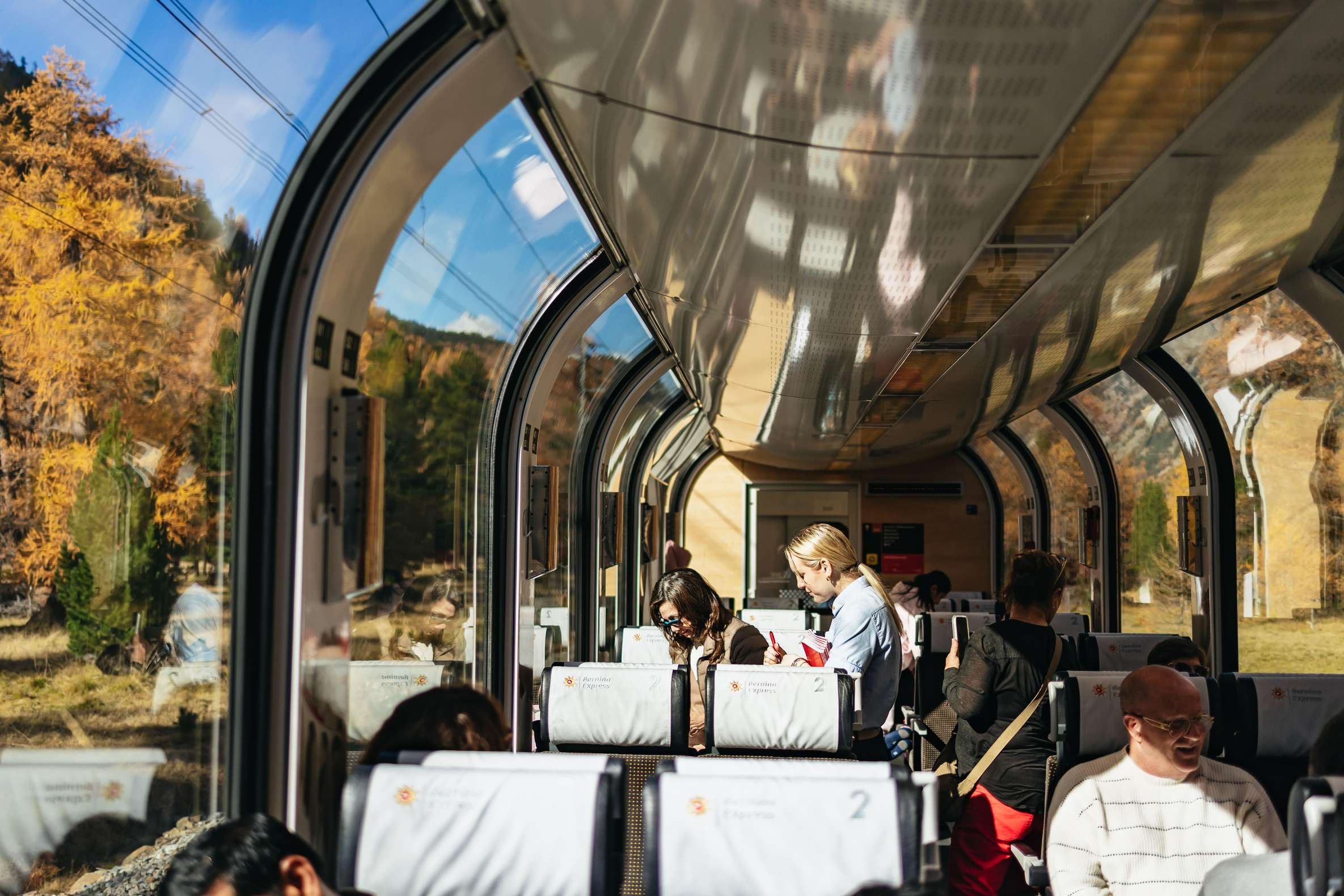
The independent day starts at Milano Centrale on a Trenord regional train that runs direct to Tirano in about 2.5 hours.
Tirano's two stations face each other across Piazza delle Stazioni: step off the Italian train, walk ninety seconds across the square, and the Rhaetian Railway building is on your left. A 30 to 60 minute buffer is a comfortable connection.
The part nobody warns you about: there is no combined ticket. Trenord and the Swiss railway sell separately, so book the Italian leg through Trenord and the Swiss leg through the RhB or SBB sites, and never treat a booking site's through-fare as guaranteed. Swiss rail fares are charged in francs.
Two more traps. Rail maintenance between Milan and Tirano sometimes replaces trains with buses, which can cost you the Bernina connection. And Tirano station has no lockers, only a staffed luggage counter with set hours; St. Moritz has lockers in three sizes.
A pass makes no sense here either: Swiss Travel Pass and Eurail both start at three or four days, so point-to-point tickets win every time.
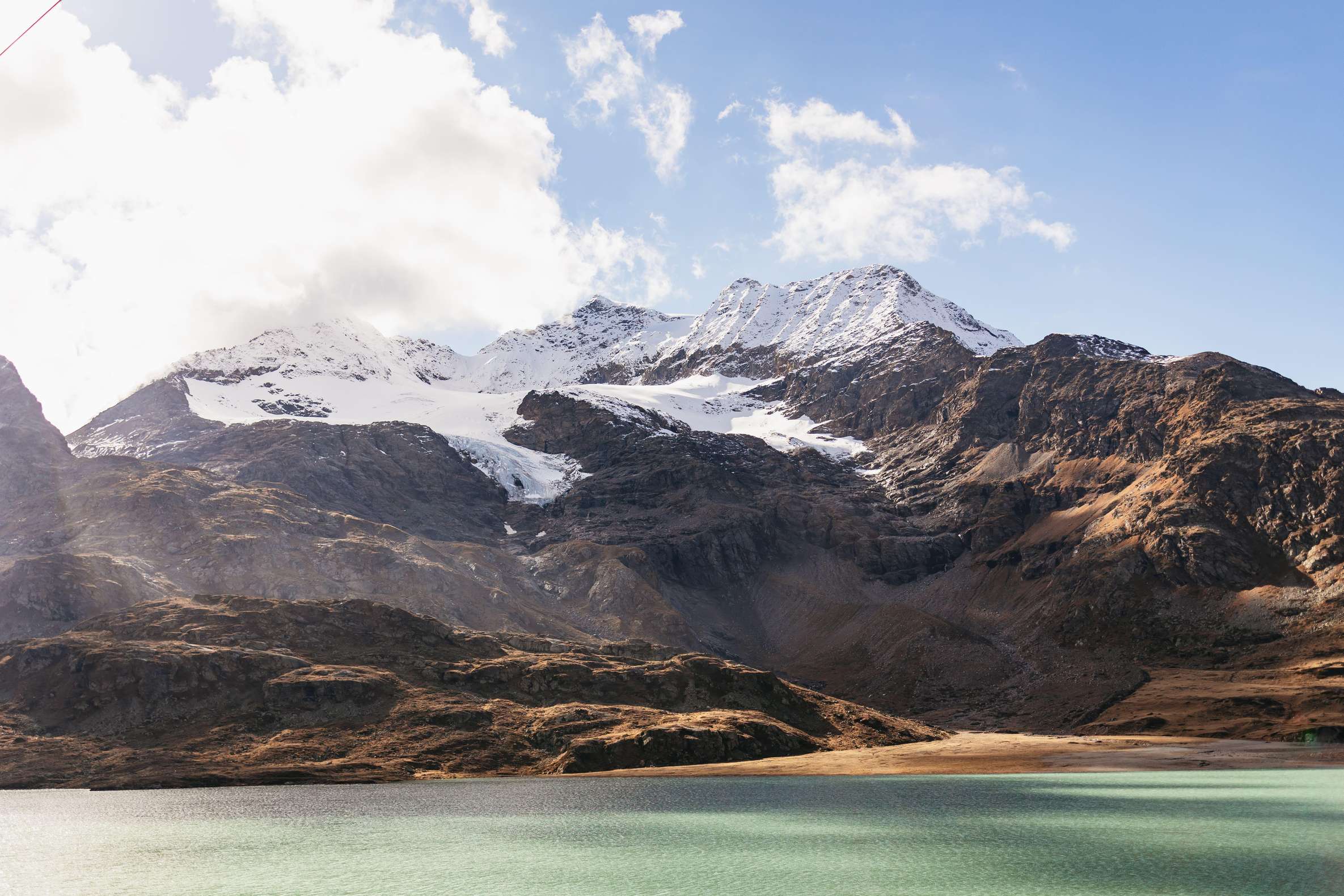
The car wins the race on paper: about 174 km and 2 hours 45 minutes to 3 hours without traffic, up to 4 hours on a Saturday.
The route runs the SS36 past Lecco, along Lake Como's eastern shore to Colico, then to Chiavenna and the border post at Castasegna, where you carry a passport or recognized ID.
Then the road earns its reputation. Beyond the border the Val Bregaglia climbs through tight switchbacks to the Maloja Pass at 1,815 metres, twelve hairpins and sustained 9% gradients on narrow road, before flattening past Sils and Silvaplana to St. Moritz.
The pass stays open year-round, and no Swiss motorway vignette is needed on this route.
Winter changes the deal. Between 15 November and 15 April, Italian alpine roads legally require winter tires or chains in the car, and in heavy snow the pass admits only chained or four-wheel-drive vehicles.
Switzerland has no fixed winter-tire dates, but an unequipped car that blocks traffic brings fines and insurance trouble. Comfortable with mountain roads? The car is a fine choice. Otherwise the coach driver earns their coffee.
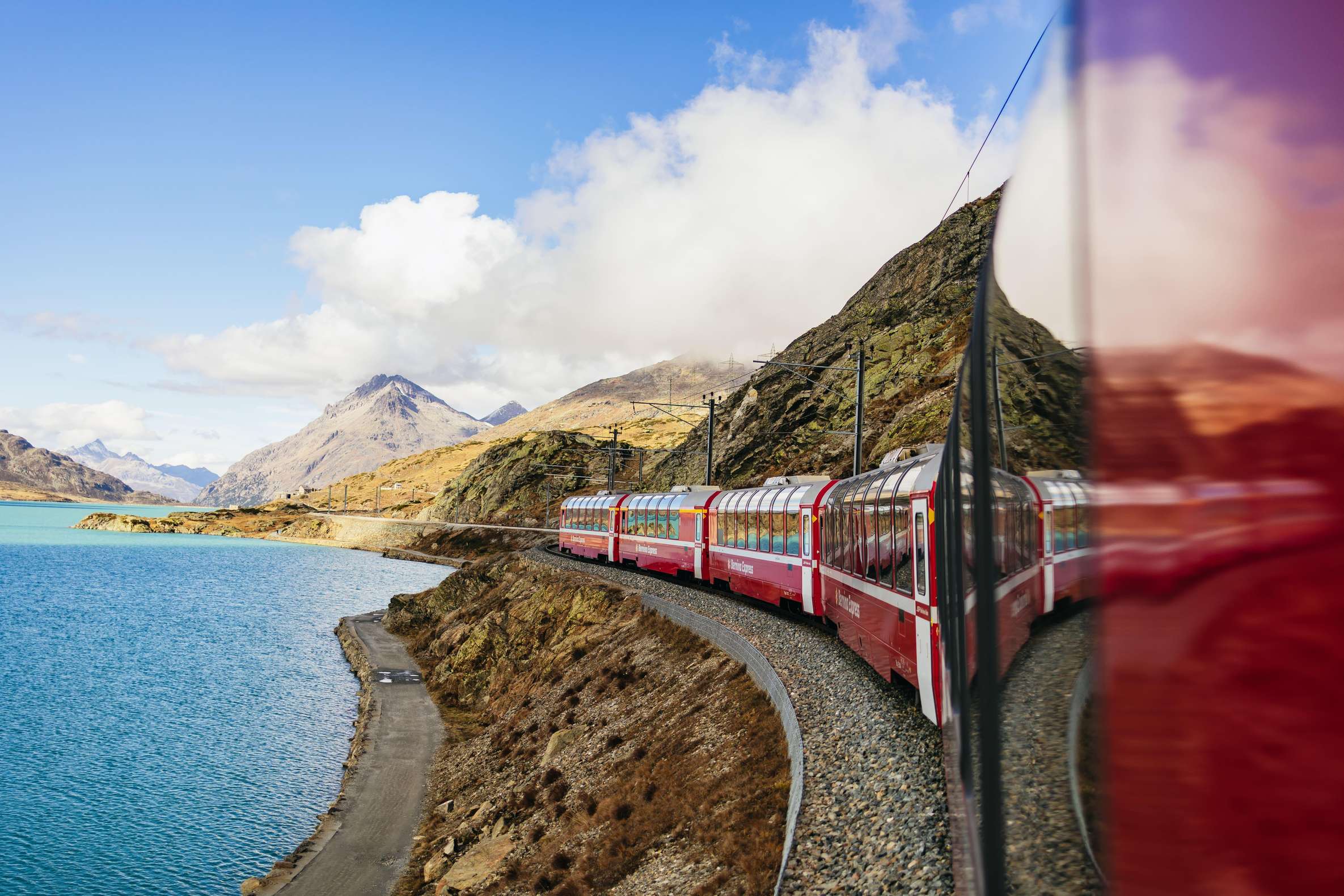
Border worry is mostly misplaced here. Both countries sit in the Schengen Area, routine passport controls are rare on this crossing, and when inspectors do board a train they usually check documents while it moves rather than stopping it at the frontier.
On the road, joint Italian-Swiss patrols occasionally wave cars over; the stop takes minutes.
The documents deserve a check before you book, passport in hand at home. EU and EFTA citizens travel on a passport or national ID card.
Third-country nationals need a travel document issued within the last ten years and valid for at least three months beyond their departure from the Schengen area, plus a valid Schengen visa or residence permit where required. Holders of a Schengen visa generally need no extra Swiss tourist visa.
Every tour on this route lists a passport or ID as required, and a tour operator can refuse boarding without one. If your passport sits close to any of those limits, confirm it when you book; the crossing itself is the easy part.
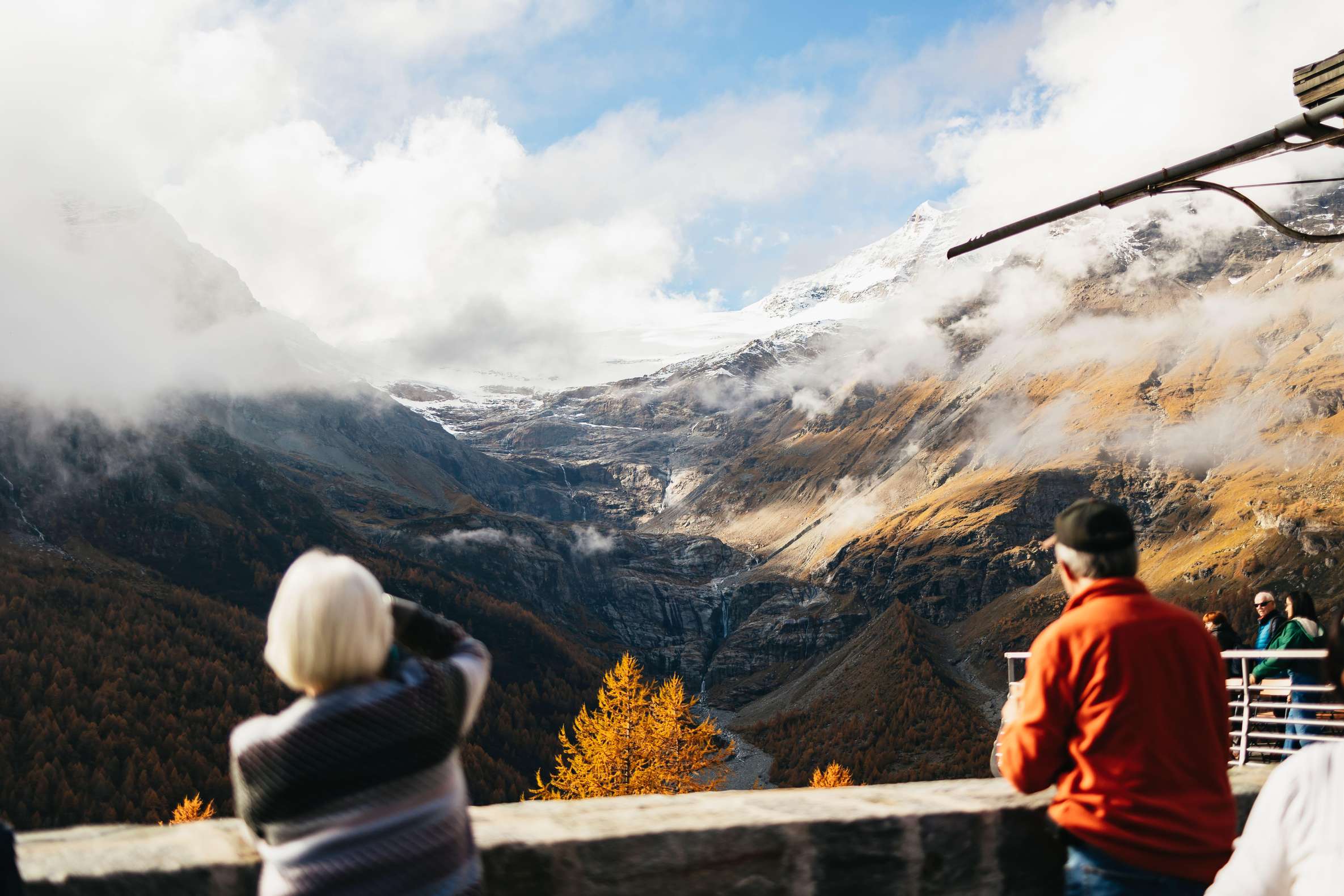
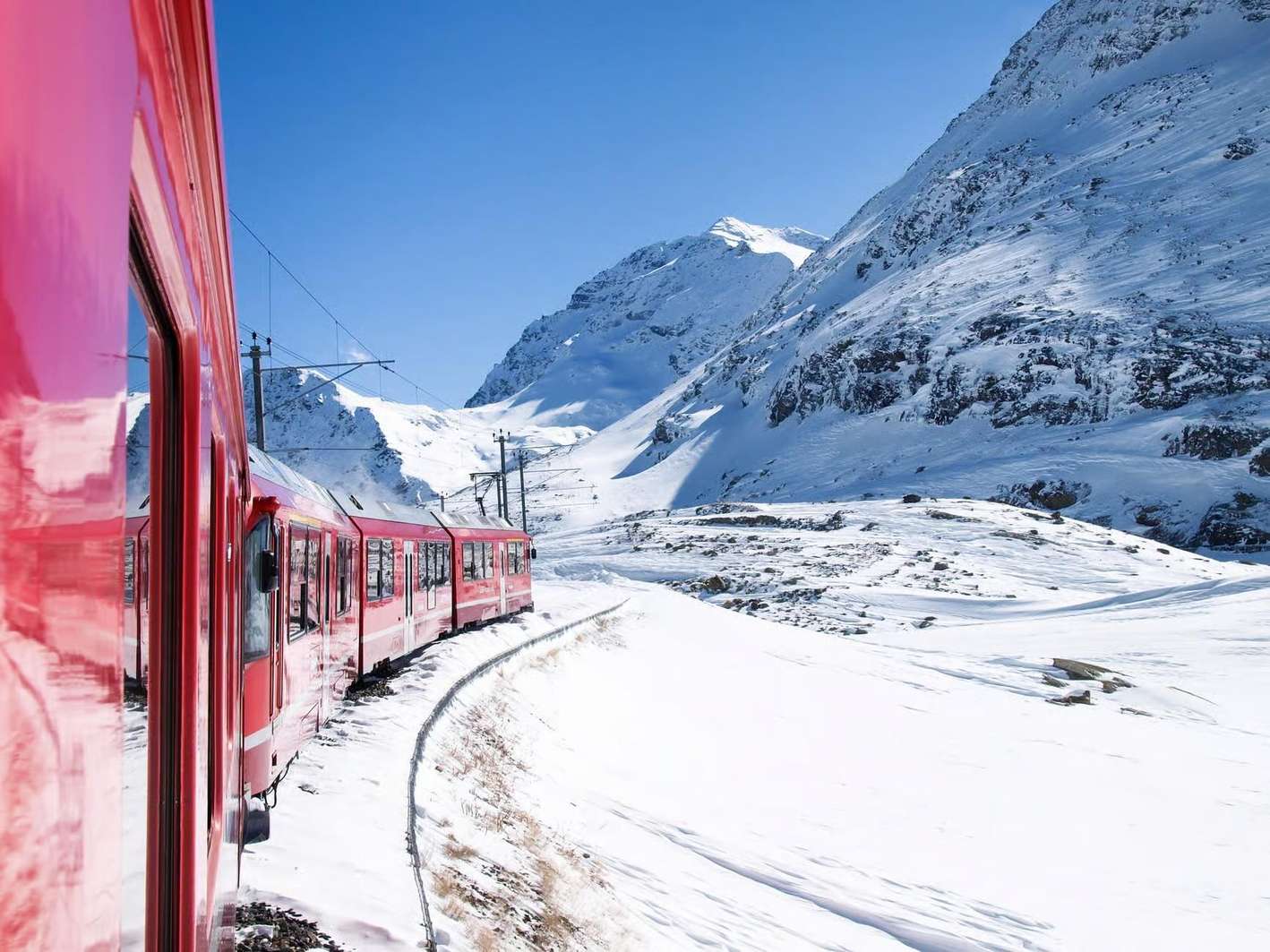
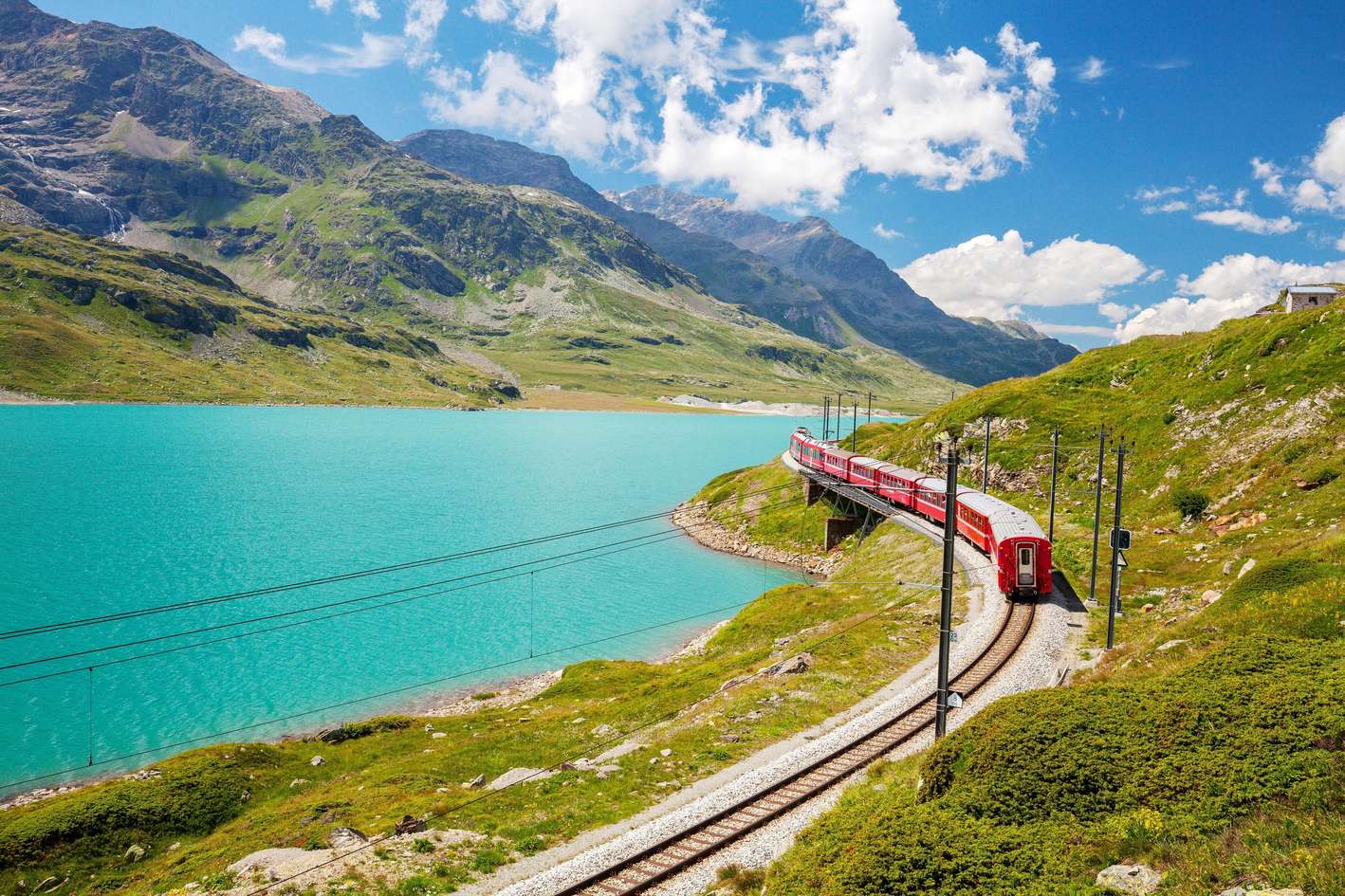
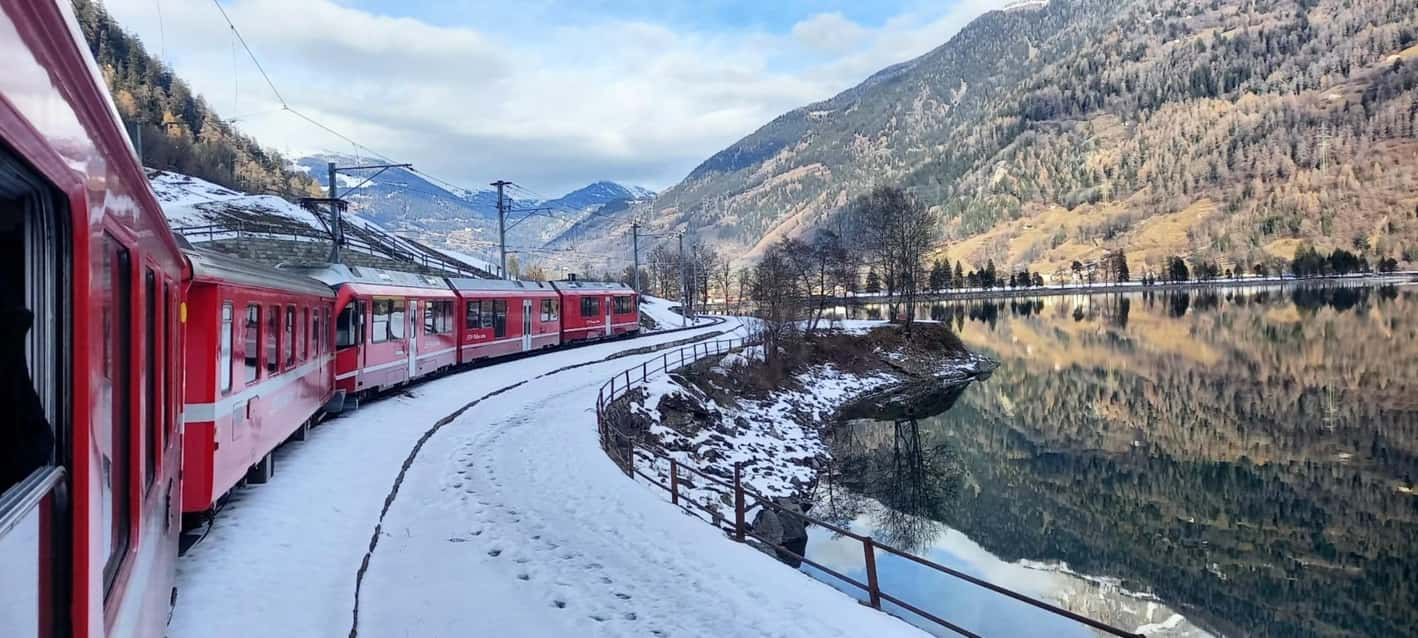
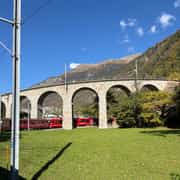
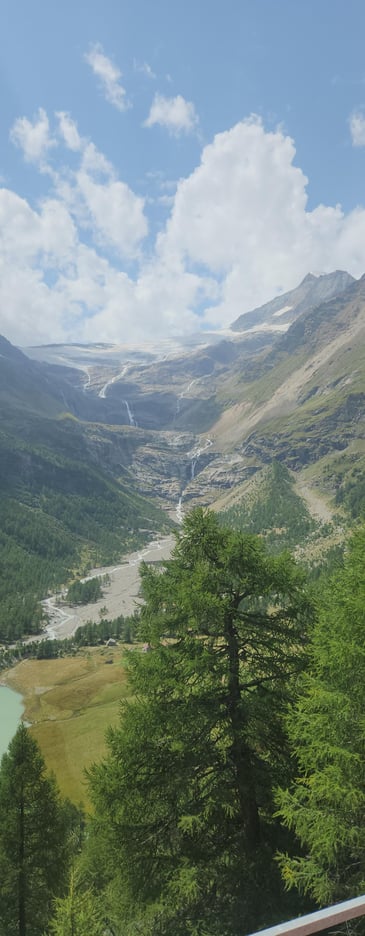
The climb from Tirano plays out on the right: the Brusio spiral viaduct, where the train curves through a full 360-degree loop to lose height, then the palm-lined Poschiavo valley, the lake, and the ascent to Alp Grüm, the panoramic station that looks straight onto the Palü Glacier.
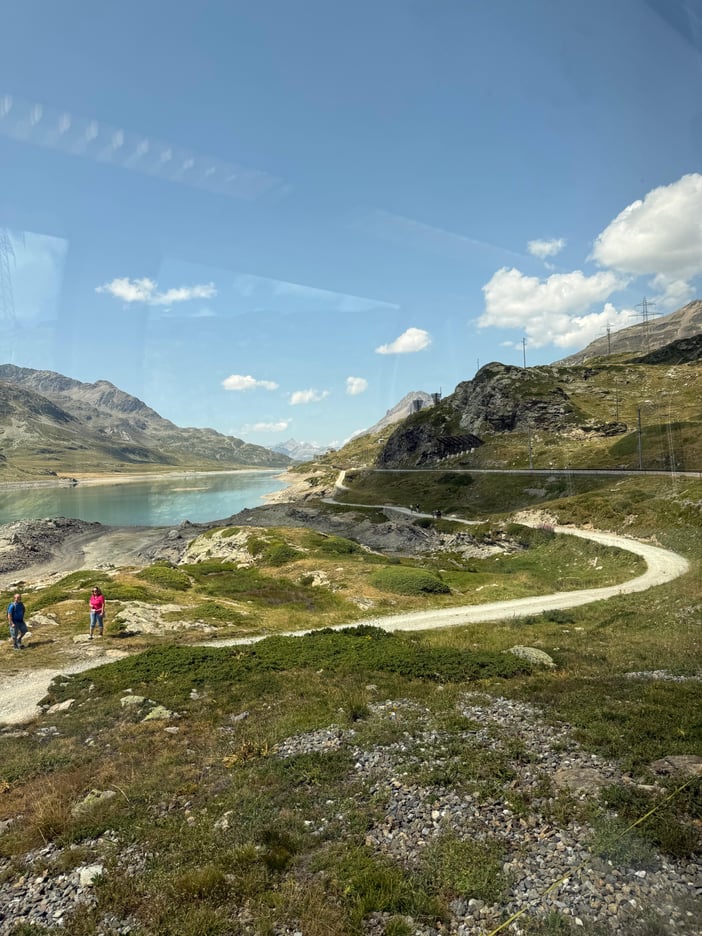
After the summit, swap sides. The left window owns Lake Bianco, the dark Lej Nair, and the tongue of the Morteratsch glacier on the run down toward Pontresina. Left side northbound is the shorthand regulars use, and it holds whether you ride the Express or the regional cars.
If your tour runs the train in the opposite direction, everything mirrors: the landmarks come in reverse order from the other side. The whole ride lasts roughly 2 hours 15 minutes, long enough to see both sides if you swap seats at Alp Grüm.
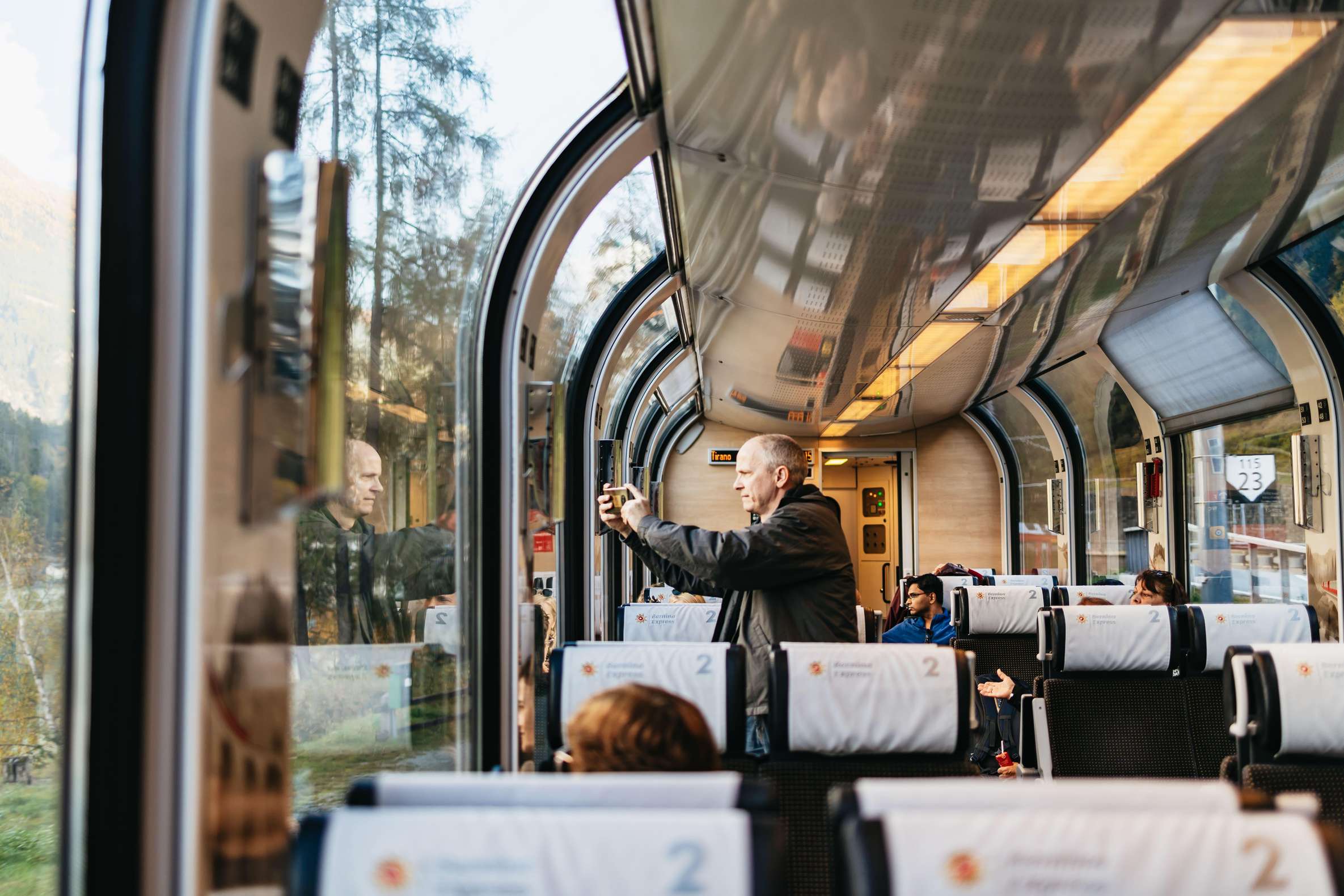
Eating on this day takes planning, because the schedule does not hand you a lunch hour. Meals happen during your free time in St. Moritz or at short route breaks with shops nearby. On tour coaches out of Milan, food is often banned in the vehicle outright, so that pastry has to wait until Tirano.
Bring snacks anyway. Free time runs one to two hours on most tours, train food is thin, and a granola bar at 2,253 metres beats a skipped lunch. One tour bakes the meal in: the Diavolezza option rides a cable car to lunch at 3,000 metres, but it consumes the whole St. Moritz stop.
Money is easier than the guidebooks imply. Cards and contactless payment work almost everywhere in St. Moritz, and Apple Pay and Google Pay are widely used.
Euros are taken by many shops and restaurants but at a poor exchange rate, with change returned in francs. Smaller family-run restaurants and alpine huts may prefer cash or Twint. Budget a notch above Milan prices and you will not be surprised.
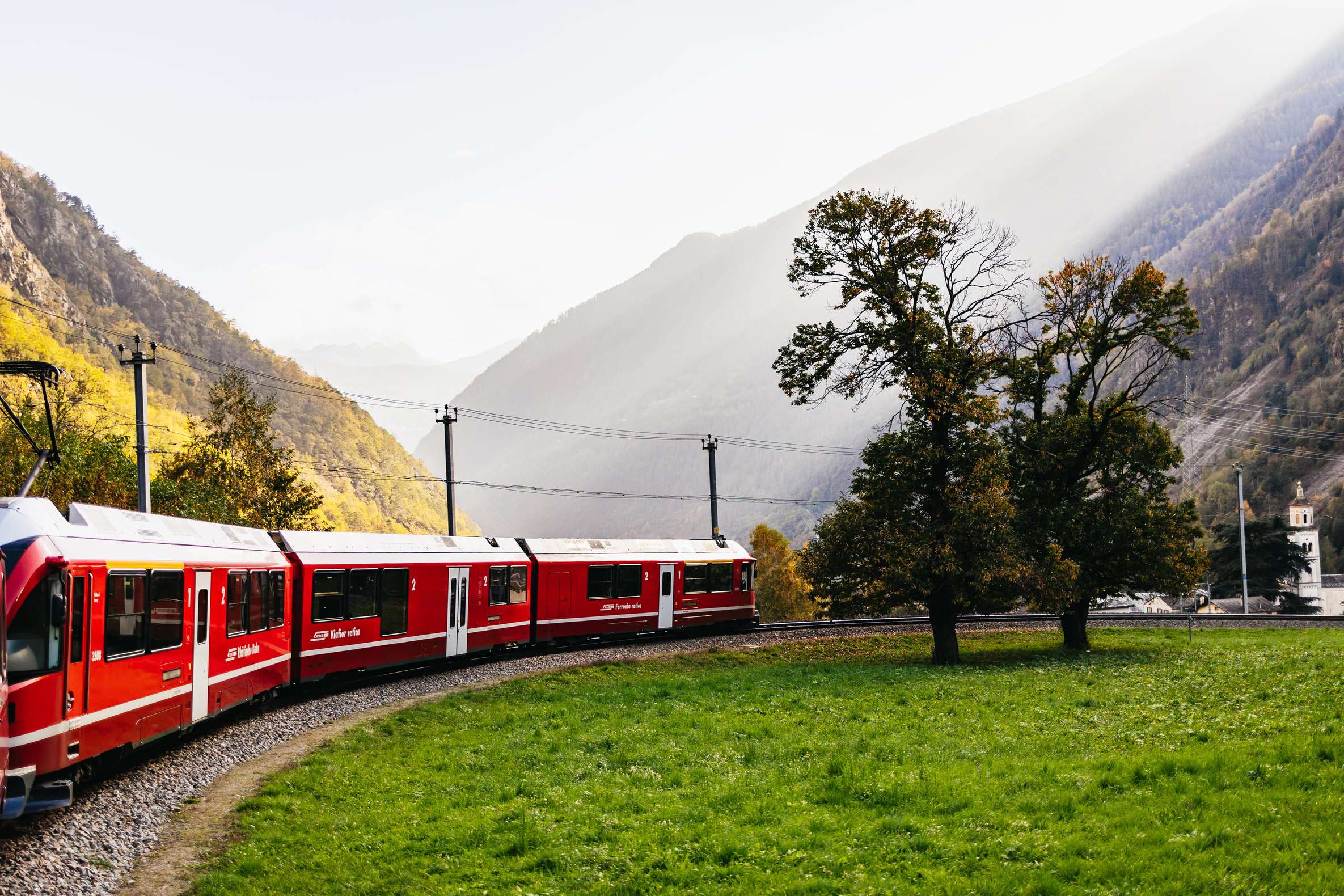
Winter is the busiest season for this route, and the snow is the reason.
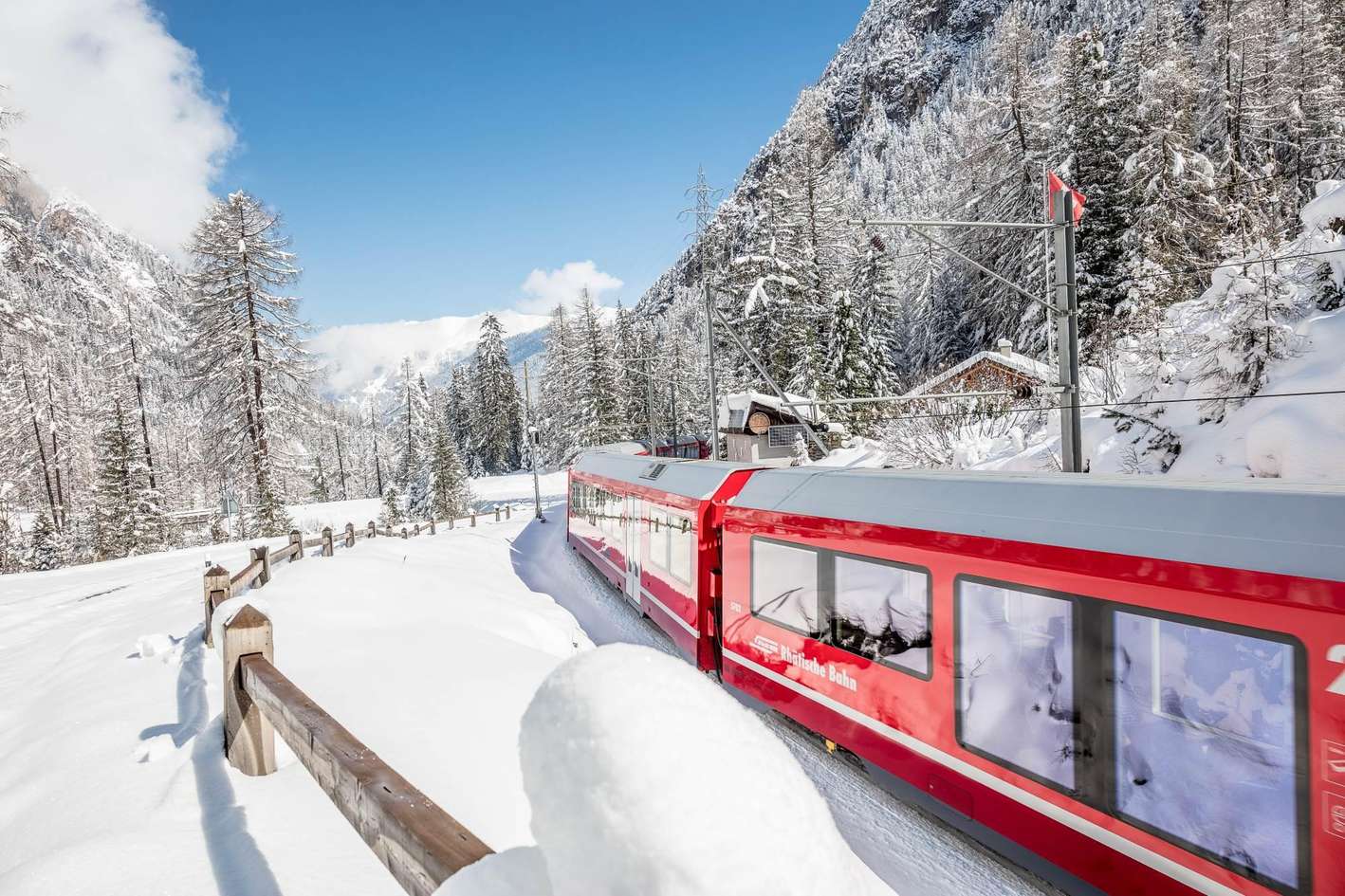
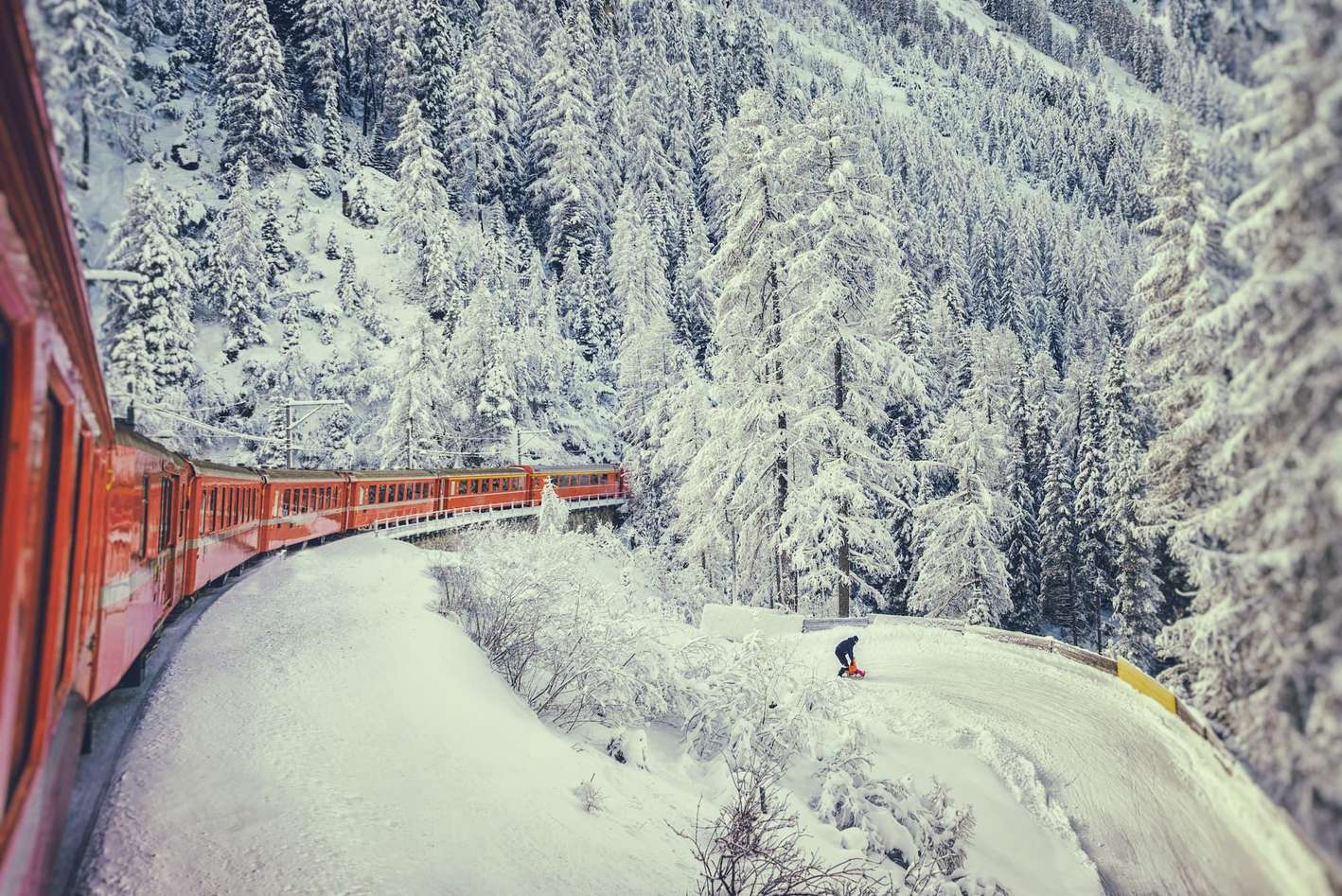
From December through March the tracks around the Bernina Pass sit under real snow, and January is the month for it: Lago Bianco freezes over, deep white covers the line from Pontresina to the pass, and snow falls on roughly 12 days there. July answers with rhododendrons blooming above 2,000 metres.
January is the busiest month for tours, with heavy snow along the tracks and average highs remaining below freezing at minus 2.3°C.
Tap a month to read it.
January is the busiest month for tours, with heavy snow along the tracks and average highs remaining below freezing at minus 2.3°C.
Tap a month to read it.
July is among the quietest tour months of the year, offering clear mountain vistas and warm highs averaging 16.1°C.
Tap a month to read it.
Daylight sets the timetable. Between November and February the sun lasts 8.5 to 10 hours, so coaches leave Milan in the dark around 6:50 to 7:15 and sightseeing squeezes into the middle of the day before about 4 pm; June offers nearly 16 hours and a 8:14 pm sunset.
Winter also brings the occasional snowdrift closure on the mountain route, and tours may run the itinerary in reverse when weather or traffic demands it.
One month to avoid: the shoulder seasons. From mid-April into early June and from mid-October into early December, cable cars close for maintenance and many St. Moritz shops and restaurants shut down entirely.
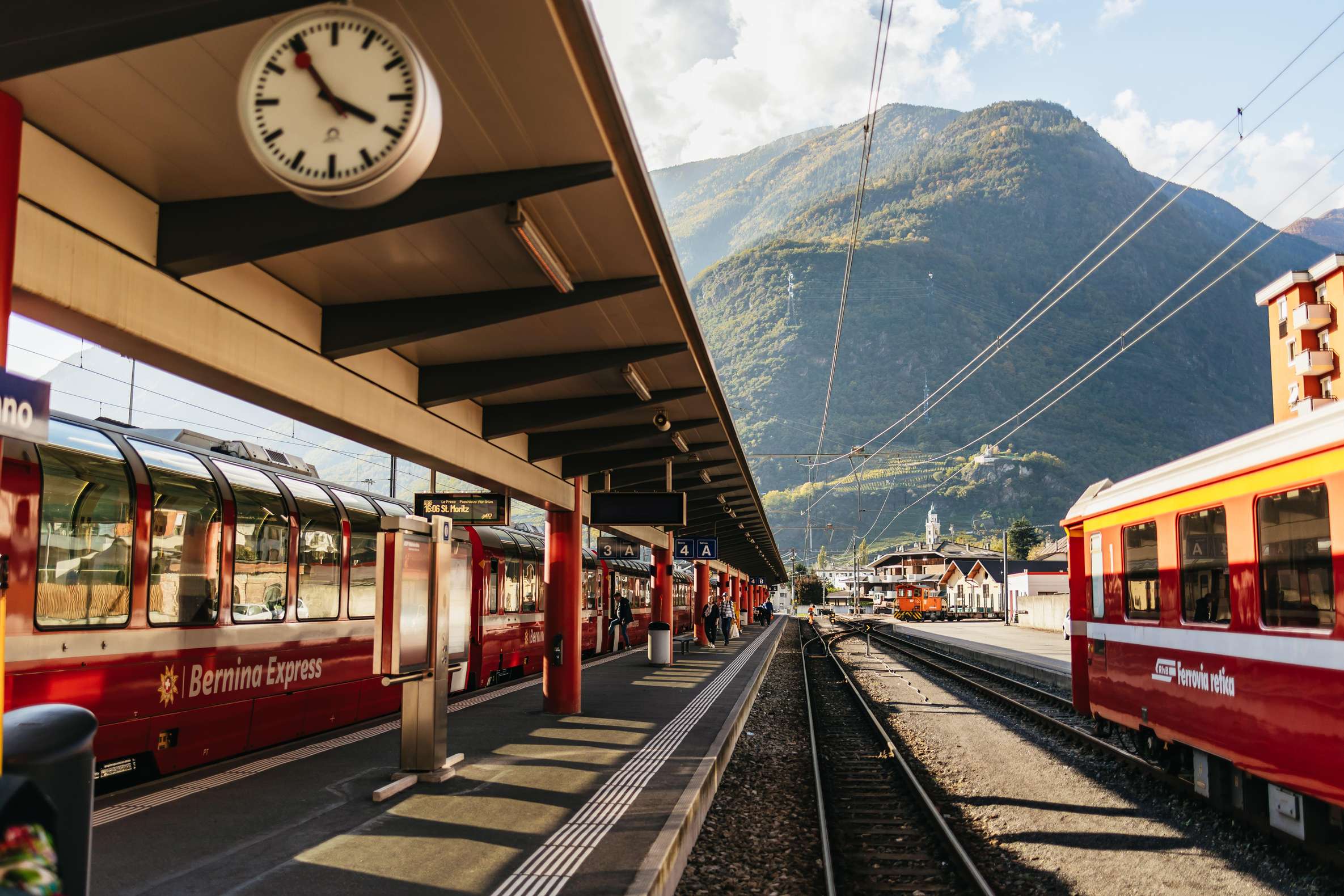
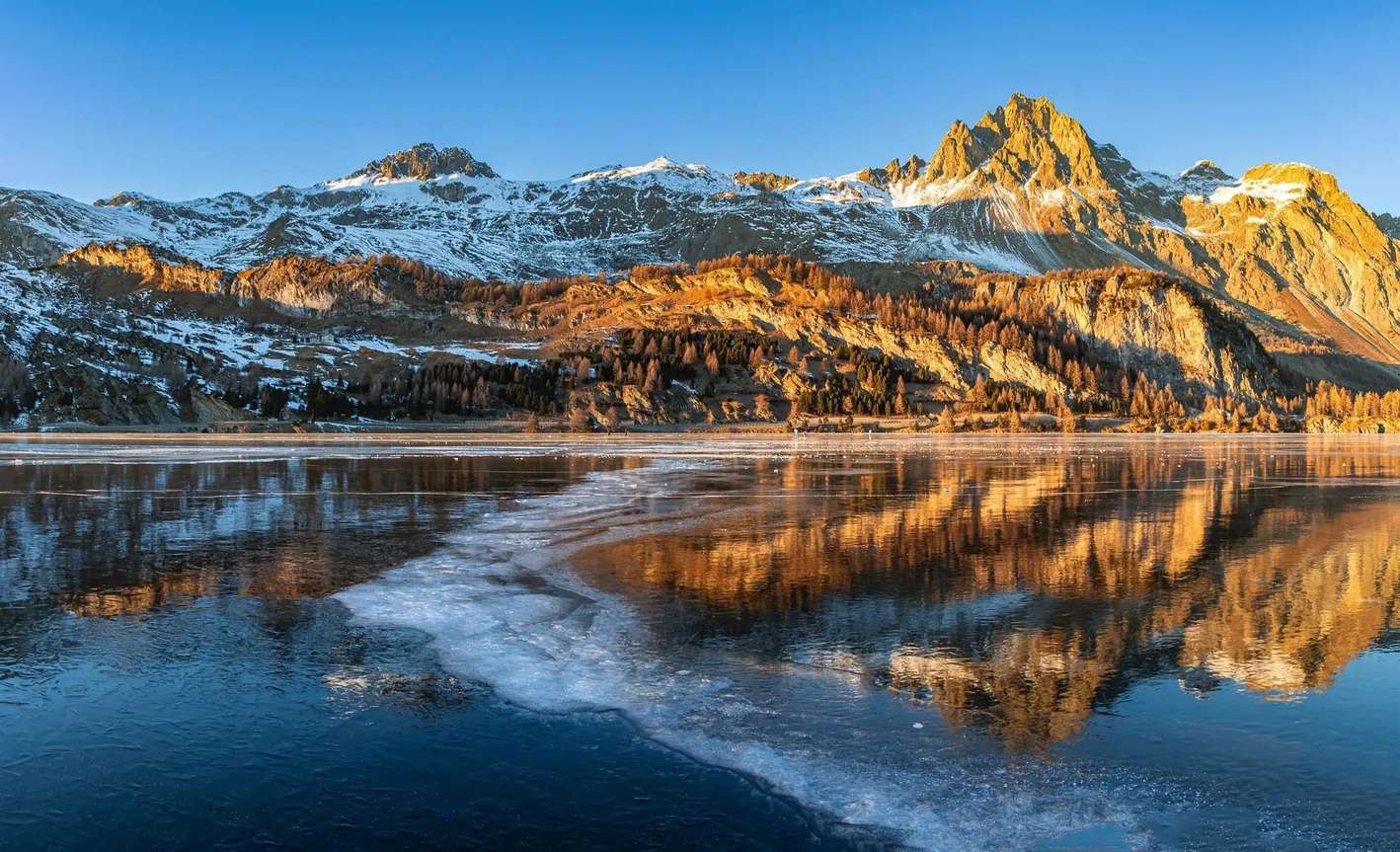
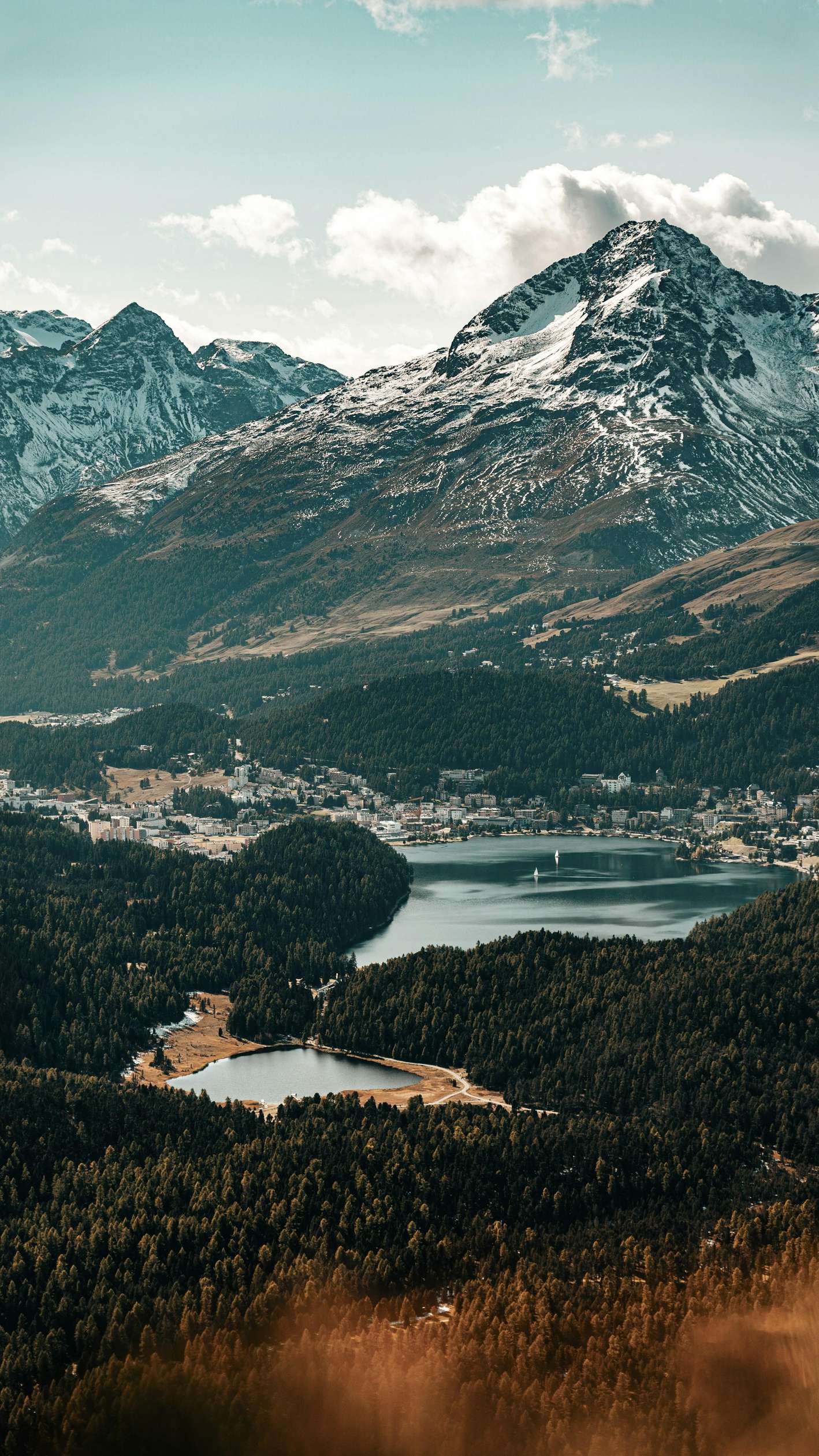
Whatever way you travel, St. Moritz arrives as a bounded slice of time, so spend it on foot near the station. The lake promenade is the classic: water, mountains, and the walk that everyone photographs.
The town center and its boutiques sit within a few minutes of the platforms, and lockers in three sizes at the station hold your bag while you wander.
Small museums cluster close by: the Engadiner Museum four minutes on foot for local culture, the Berry Museum eight minutes away, contemporary galleries even closer. Parks and a fountain square fill the gaps between.
With an extra hour and a taxi, Lej Nair lies five minutes by car and Piz Rosatsch nine, both proper mountain viewpoints. Realistically, pick two things: the lake, one museum or one coffee with a view.
People who try to see everything in ninety minutes mostly remember the running. Better one unhurried lap of the water than three rushed sights.
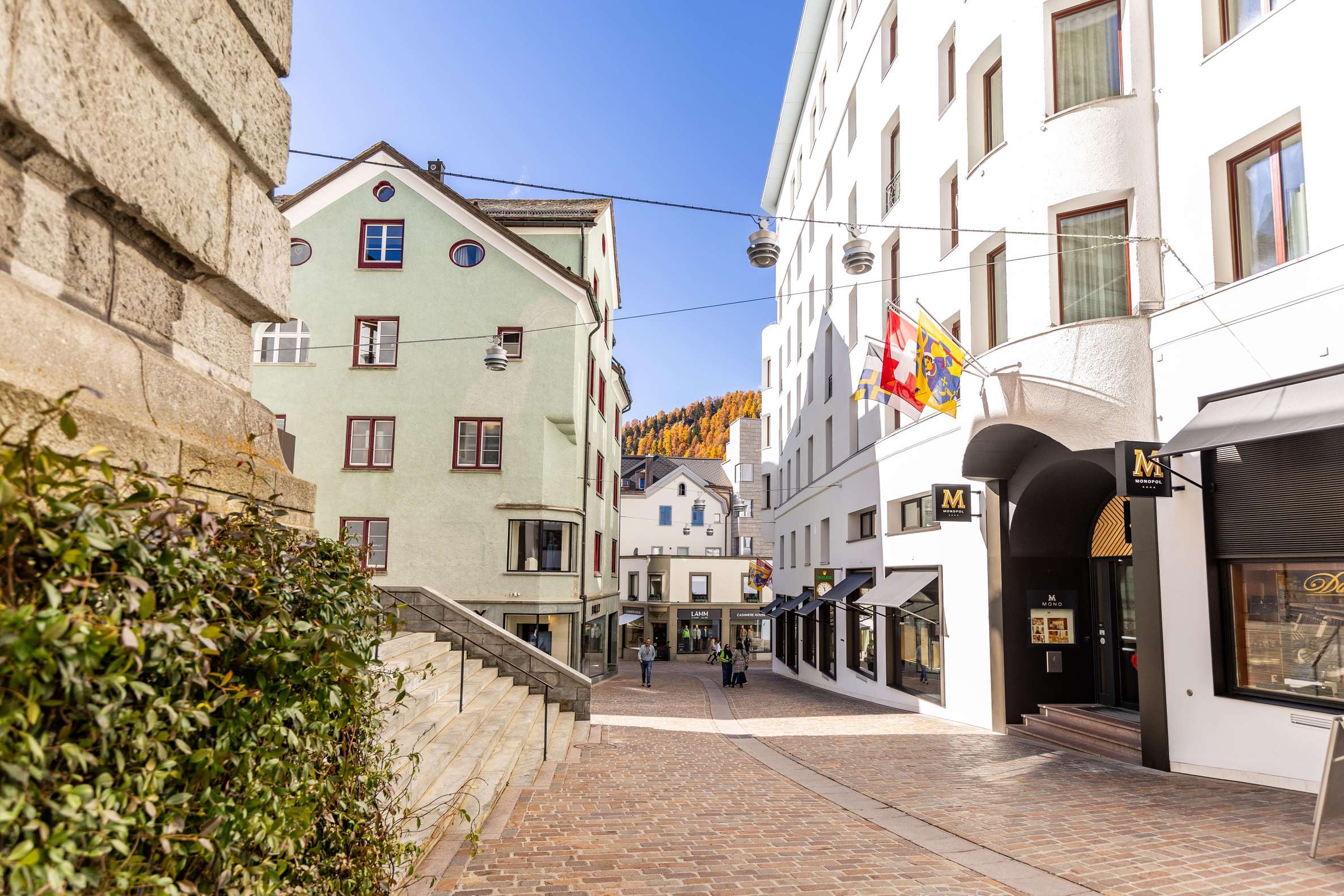
Book the guided coach-and-rail tour if you want the day handled: one meeting point, a guide who manages the Tirano transfer and the border timing, a train seat arranged for you, and help if anything slips.
Accept the fixed schedule and the fine print on ages: some tours exclude children under 6 or under 12, and one small-group operator caps travelers between 12 and 75.
Go independent by train if the longest stop matters most, roughly three hours in town, and you will book two separate tickets carefully and leave buffer at Tirano. Drive only if alpine passes and winter chain rules hold no fear for you.
Either way, reserve early for peak dates and note that every organized tour here refunds in full up to 24 hours before departure, so booking ahead costs you nothing if the forecast turns.
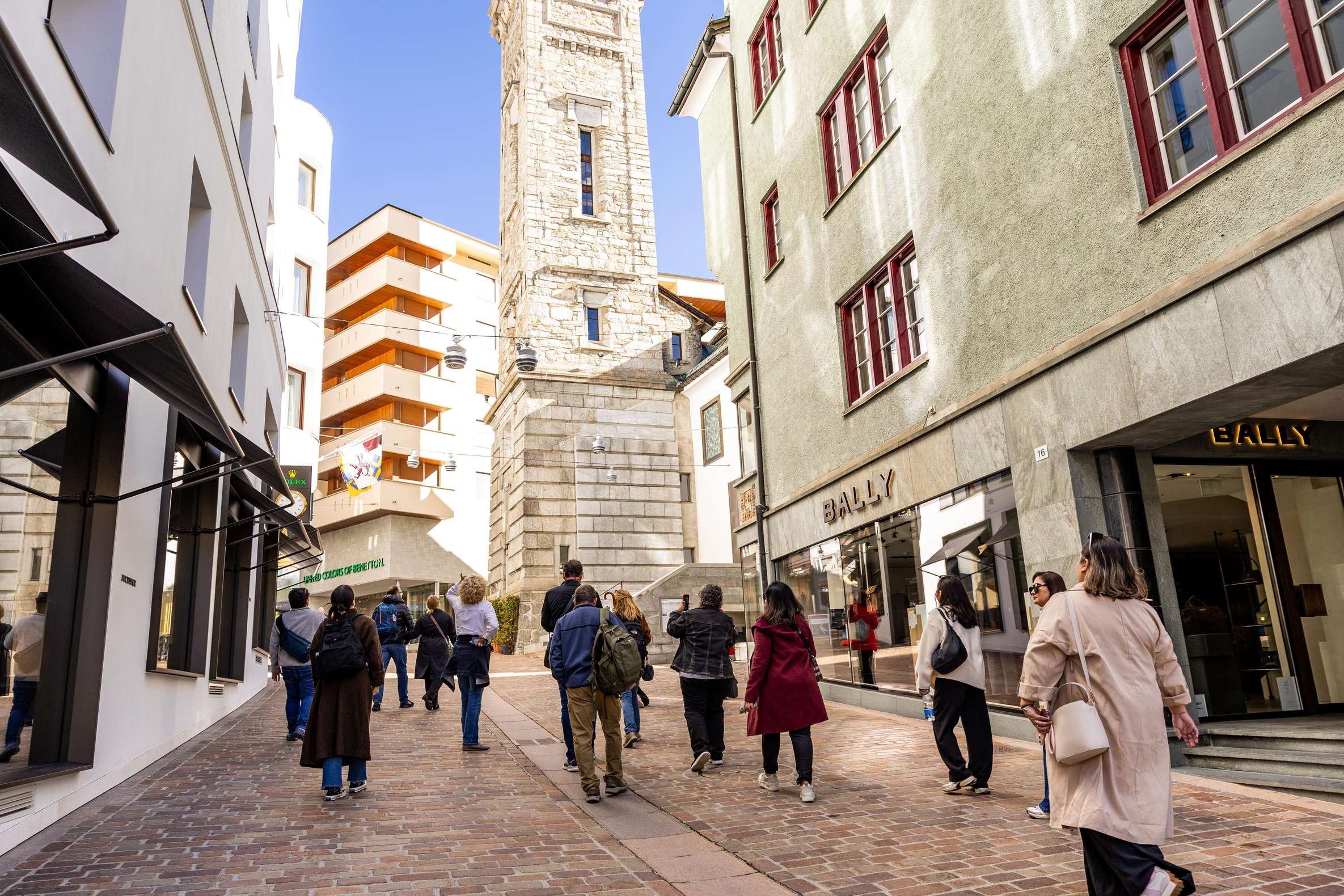
Take the tour if this is your one alpine day and you want zero connection risk: round-trip coach, a reserved or guaranteed train seat, and a guide who owns the timetable.
Go by train if you are a self-manager who books two tickets carefully and values the independent timetable's three hours in St. Moritz over an escorted day's 1 to 2.5.
Drive only if you like mountain passes and winter rules. Reserve early for panoramic seats, and cancel free up to 24 hours if the weather turns.
A tour bundles the round-trip coach, the train ticket and the return journey into one booking, so there is no connection to miss. Going alone means buying from two rail networks, Trenord in Italy and the Rhaetian Railway in Switzerland, and changing stations in Tirano.
No. The Italian train from Milano Centrale terminates in Tirano, where you exit and cross the square to the Swiss station to board the Bernina train. Tours handle this change for you.
Between 11 and 13 hours door to door. That breaks down to about five hours on the coach, two to two and a half hours on the Bernina train, and the rest free time in St. Moritz plus stops.
Most tours give one to two hours, and one option reaches about 2.5 hours. If you pick the Diavolezza lunch variant on one tour, you skip St. Moritz free time entirely, so choose by what you want from the day.
Both run the same UNESCO-listed track over the pass. The Bernina Express has curved panoramic windows that cannot open, and its seat reservations sell out four to six weeks before peak summer and ski dates. The regional Red Train has standard windows that open, which many photographers prefer because photos come out glare-free.
Heading north from Tirano, the right side shows the Brusio spiral viaduct, Val Poschiavo and the climb to Alp Grüm. After the summit, switch your attention to the left for Lake Bianco and the Morteratsch glacier.
Yes, bring a passport or valid ID card. EU and EFTA citizens can use a national identity card, while travelers from countries such as the USA, UK, Canada and Australia need a valid passport. Checks are rare and usually happen while the train is moving.
Meal stops happen during the free time in St. Moritz or at short breaks, and food is not allowed on some tour coaches, so bring snacks for the ride.
Cards and contactless payment work almost everywhere in St. Moritz; some places accept euros, but the exchange rate runs against you and change comes in Swiss francs.
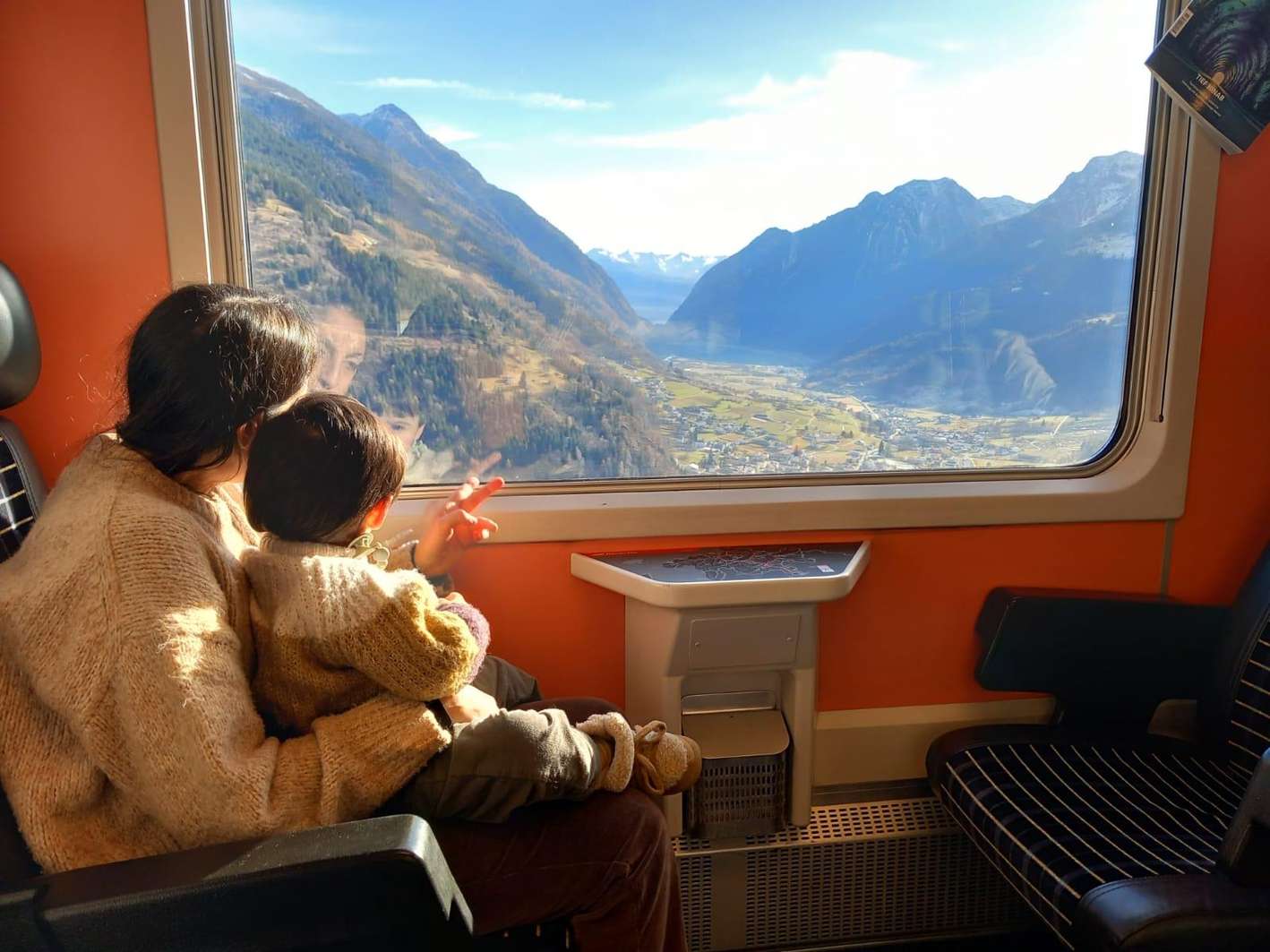
It depends on the tour. Some exclude children under 6 or under 12, one small-group option takes ages 12 to 75, and infants under two ride free on a parent's lap on the classic trip. Check the age rules for the tour you pick, since they can stop you boarding.
Travelers who treat the train ride as the main event come back happy. If you want a slow, relaxing alpine day, the long coach hours will feel heavy. Early risers who like trains get the better end of the deal.
Tours run year round, and winter is the busiest season, with snow lining the tracks around the pass. In heavy weather an itinerary may run in reverse or adjust for safety. You can cancel up to 24 hours ahead for a full refund.
Winter trips run all season, and snow along the high pass is part of the appeal. In heavy weather, operators may adjust the itinerary or run it in reverse. All tours on this page allow a full refund if you cancel up to 24 hours in advance, so you can book early and decide later.
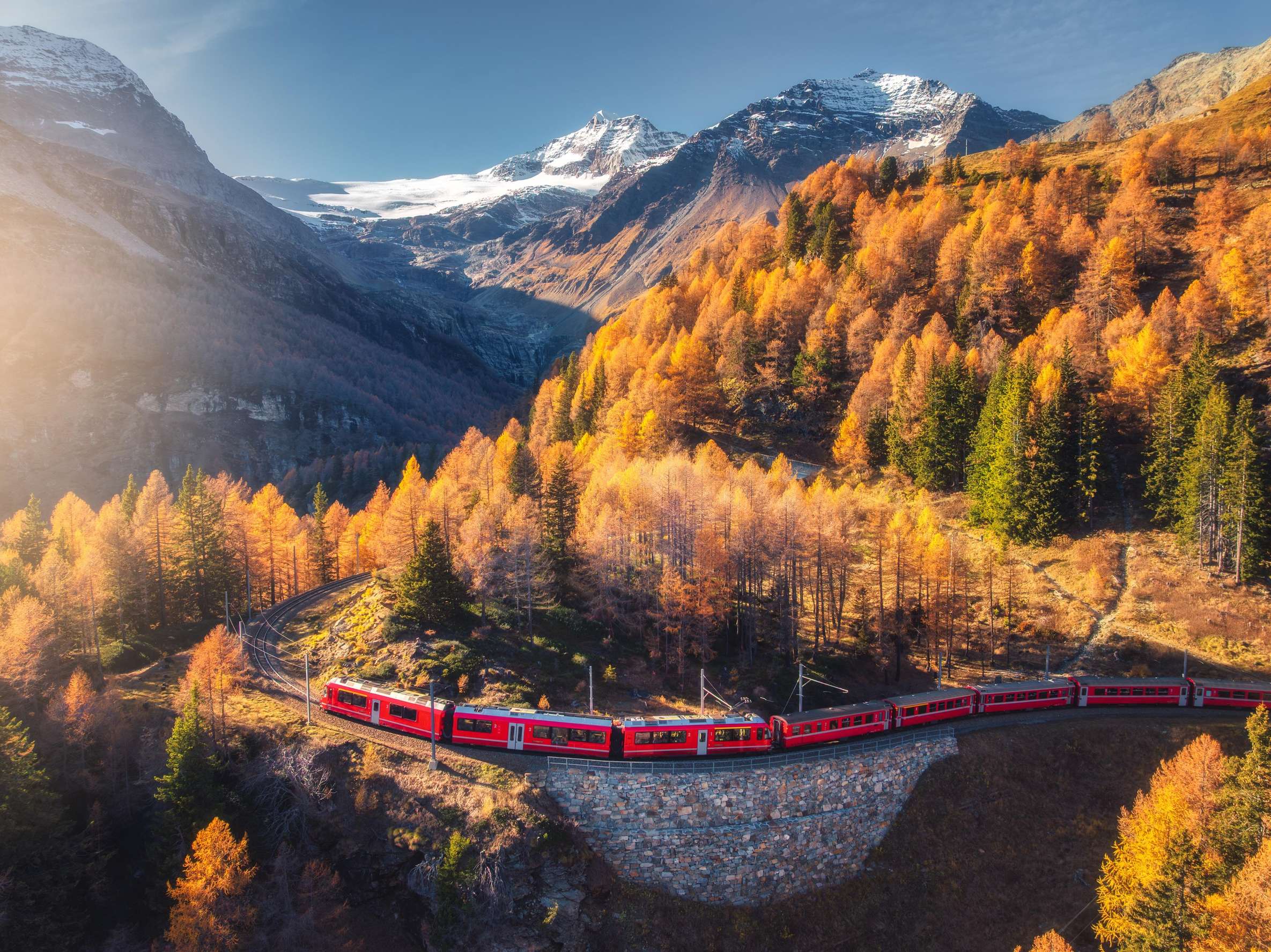
Guaranteed panoramic seats, a multilingual guide on board, and free cancellation up to 24 hours before departure.